Picture this: you’re running late for an important meeting, and just as you’re about to hit the road, your car refuses to start. Frustration sets in, and questions swirl in your mind.
Could it be the spark plugs? You’re not alone. Many car owners overlook these small but vital components, unaware of how they can disrupt their daily routine. This article dives into whether bad spark plugs could be the culprit behind your car’s refusal to start.
Understanding this could save you time, money, and headaches. Keep reading to discover how something so small could have such a significant impact on your car’s performance.
Role Of Spark Plugs
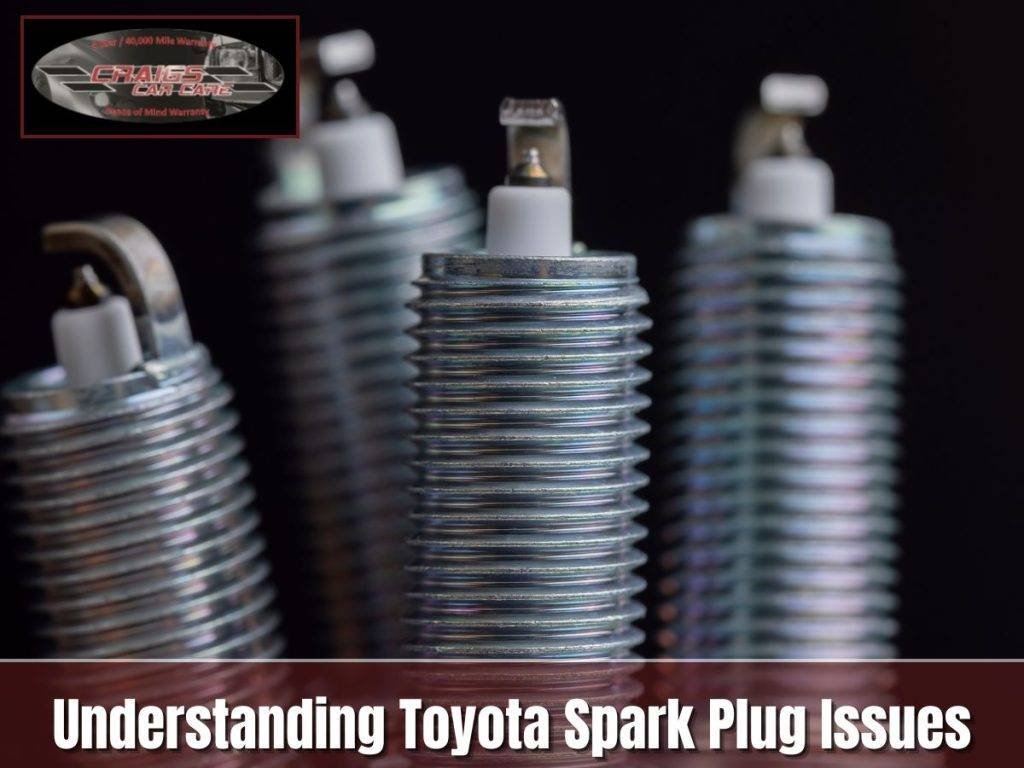
Spark plugs play a crucial role in your car’s engine. They help start the engine and keep it running smoothly. Without good spark plugs, the car may struggle to start or run poorly. Understanding their role helps explain why bad spark plugs can cause starting problems.
How Spark Plugs Work
Spark plugs create a small electric spark inside the engine cylinders. This spark ignites the fuel and air mixture. The ignition causes a small explosion that powers the engine. Each cylinder has its own spark plug to keep the engine running.
The spark must be strong and timed correctly. Weak or faulty plugs can fail to ignite the mixture. This leads to misfires or no start at all.
Importance In Engine Performance
Good spark plugs improve fuel efficiency and power. They help the engine burn fuel cleanly and fully. This makes the car run smoother and saves gas.
Bad spark plugs cause rough idling, poor acceleration, and increased emissions. They put extra strain on the engine parts. Ignoring bad plugs can lead to bigger engine problems.

Credit: www.reddit.com
Symptoms Of Bad Spark Plugs
Recognizing the symptoms of bad spark plugs can save you from unexpected car troubles. Spark plugs play a crucial role in your engine’s performance by igniting the fuel-air mixture. When they fail, your car signals you in clear ways that are hard to miss.
Engine Misfires
One of the most obvious signs of bad spark plugs is engine misfires. You might feel your car jerking or hesitating when you accelerate. This happens because the spark plug isn’t firing properly, causing incomplete combustion.
If you notice a rough idle or sudden loss of power, don’t ignore it. These misfires can damage other engine components if left unchecked. How often do you really pay attention to how smoothly your engine runs?
Poor Fuel Economy
Bad spark plugs cause your engine to burn more fuel than necessary. You might find yourself filling up the tank more often without changing your driving habits. This drop in fuel efficiency is a direct result of inefficient combustion.
Think about the last time you noticed a sudden jump in gas expenses. Could worn spark plugs be the hidden culprit draining your wallet? Keeping an eye on fuel economy can alert you to spark plug issues early on.
Difficulty Starting
Struggling to start your car can be frustrating, especially on cold mornings. Faulty spark plugs can make it harder for your engine to ignite the fuel mixture, leading to longer cranking times.
Have you ever had to turn the key multiple times before your engine finally starts? That’s a common symptom of spark plugs losing their spark. Addressing this issue early helps you avoid being stranded unexpectedly.
Why Bad Spark Plugs Prevent Starting
Understanding why bad spark plugs prevent your car from starting can save you time and frustration. Spark plugs play a crucial role in igniting the engine’s fuel-air mixture. When they malfunction, your car struggles or even fails to start altogether.
Ignition Failure
Spark plugs create the spark needed to ignite the fuel inside your engine cylinders. If a spark plug is worn out or damaged, it can’t produce a strong enough spark. Without this spark, the engine won’t fire up, leaving you stranded.
Sometimes, you might notice a clicking sound when trying to start your car but no actual engine turnover. This often points to ignition failure caused by faulty spark plugs. Have you ever wondered why your engine seems silent despite turning the key? It could be the spark plugs failing to do their job.
Fuel Combustion Issues
Even if the spark plugs generate a spark, bad plugs can cause inconsistent or weak sparks. This leads to incomplete combustion of the fuel-air mixture. When combustion is poor, your engine may crank but won’t start smoothly or may stall quickly after starting.
Think about how your car behaves on a cold morning. If it hesitates or struggles to start, bad spark plugs could be the culprit. They disrupt the precise timing and intensity needed for efficient fuel combustion, affecting overall engine performance.
Credit: www.waynesgarageinc.net
Diagnosing Spark Plug Problems
Diagnosing spark plug problems is key to understanding why a car may not start. Spark plugs ignite the fuel-air mixture in the engine. When they fail, the engine struggles or fails to turn over. Checking spark plugs is a simple step that can save time and money.
Visual Inspection
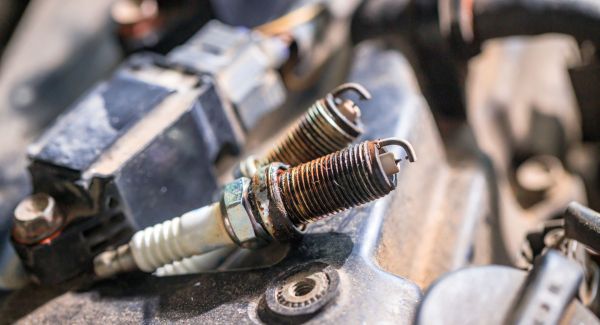
Start by removing the spark plugs and examining them closely. Look for signs of wear like:
- Black soot or carbon buildup
- Cracked or chipped porcelain
- Worn or eroded electrodes
- Oily deposits
- Rust or corrosion
These signs often indicate a spark plug problem. A clean, healthy spark plug should have a light tan or gray color.
Using Diagnostic Tools
Use a spark plug tester to check if the plugs spark correctly. This tool simulates engine conditions and shows if the plug produces a strong spark.
Another tool is an OBD-II scanner. It reads engine codes and points out ignition issues. Codes related to misfires often mean spark plugs need attention.
Multimeters can measure the resistance of spark plugs. High resistance suggests damage or wear.
Replacing Spark Plugs
Replacing spark plugs is a key step if your car struggles to start or runs poorly. Spark plugs ignite the fuel-air mixture in the engine, so worn or faulty plugs can prevent your engine from firing up properly. Knowing when and how to replace them can save you from unexpected breakdowns and costly repairs.
When To Replace
Knowing the right time to replace spark plugs isn’t always obvious. Most car manufacturers recommend changing them every 30,000 to 100,000 miles, depending on the type and quality of the plugs.
Watch for these signs that your spark plugs need attention:
- Engine misfires or rough idling
- Difficulty starting the car or frequent stalling
- Decreased fuel efficiency
- Unusual engine noises
Have you ever ignored these signs, only to be left stranded? I have, and it taught me the value of timely replacement.
Choosing The Right Spark Plug
Selecting the correct spark plug matters more than you might think. Using the wrong type can affect your car’s performance or even cause damage.
Here’s what to consider when picking spark plugs:
- Plug material:Copper plugs are cheaper but wear out faster; iridium and platinum plugs last longer and offer better performance.
- Heat range:Make sure the plug matches your engine’s heat requirements to avoid overheating or fouling.
- Size and fit:Check your owner’s manual or manufacturer’s specs to get the correct thread size and gap.
Have you checked your car’s manual lately? Sometimes the right spark plug isn’t the one you find first at the store.
Other Causes Of No-start Issues
Car no-start issues can stem from various causes beyond bad spark plugs. Understanding these helps in effective troubleshooting. Some problems relate to the battery, fuel system, or starter motor. Each plays a critical role in starting your vehicle.
Battery Problems
The battery supplies power to start the engine. A weak or dead battery can prevent the car from starting. Corroded or loose battery terminals may stop power flow. Checking battery voltage and connections is important. A jump start can confirm if the battery is the issue.
Fuel System Issues
The fuel system delivers gas to the engine. A clogged fuel filter or empty tank can block fuel supply. Faulty fuel pumps stop fuel from reaching the engine. Dirty injectors may reduce fuel flow and cause no-start conditions. Regular fuel system maintenance helps avoid these problems.
Starter Motor Failure
The starter motor turns the engine over to start it. A worn or damaged starter may fail to engage. Clicking sounds when turning the key often indicate starter problems. Electrical faults or bad wiring can also affect the starter motor. Testing the starter can identify if it needs repair or replacement.
Preventing Spark Plug Failure
Preventing spark plug failure is essential to keep your car starting smoothly every time. Spark plugs ignite the fuel in your engine, so when they fail, your car may hesitate or refuse to start. Taking simple steps can extend their life and save you from unexpected breakdowns.
Regular Maintenance Tips
Check your spark plugs regularly, ideally every 30,000 miles or as recommended in your car’s manual. Look for signs like worn electrodes, cracks, or heavy deposits.
Clean or replace spark plugs before they get too damaged. Using the right spark plug gap is crucial—too wide or too narrow can affect performance.
Don’t ignore warning signs such as rough idling, poor fuel economy, or difficulty starting. These could indicate spark plug issues that need immediate attention.
Driving Habits That Help
How you drive influences your spark plugs’ lifespan. Avoid frequent short trips where the engine doesn’t fully warm up; this can cause carbon buildup on the plugs.
Try to maintain steady speeds rather than aggressive acceleration or heavy loads, which can stress your ignition system. This simple change can reduce wear on your plugs.
Have you noticed your car struggling more during cold starts? Giving your engine a moment to warm up gently can protect your plugs and overall engine health.

Credit: www.auburntoyota.com
Frequently Asked Questions
Can Bad Spark Plugs Prevent A Car From Starting?
Yes, bad spark plugs can stop your car from starting. They fail to ignite the fuel-air mix. This disruption causes engine misfires or no ignition at all. Replacing faulty spark plugs often solves the starting issue quickly and efficiently.
How Do Spark Plugs Affect Engine Starting?
Spark plugs create the spark needed to ignite fuel. If they are worn or dirty, the spark weakens or fails. This leads to hard starting or no start conditions. Proper spark plug maintenance ensures smooth engine ignition every time.
What Are Signs Of Bad Spark Plugs?
Signs include rough idling, engine misfires, poor fuel economy, and difficulty starting. You may notice reduced acceleration and increased exhaust emissions. If ignored, these symptoms worsen, affecting overall vehicle performance and reliability.
How Often Should Spark Plugs Be Replaced?
Typically, spark plugs should be replaced every 30,000 to 100,000 miles. This depends on the type and vehicle model. Regular inspection helps catch wear early, preventing start-up problems and maintaining engine efficiency.
Conclusion
Bad spark plugs can stop your car from starting. They cause weak or no spark. This stops the engine from firing properly. Checking spark plugs is a smart first step. Replace worn or dirty plugs right away. This small fix can save time and money.
Keep your car running smooth and strong. Don’t ignore spark plug issues. They affect your car’s start and performance. Regular maintenance helps avoid this problem. Simple care keeps your vehicle ready to go.





