If you’ve ever stared at your thinning Midwest lawn in late summer, wondering when to overseed, you’re not alone. The best time to overseed lawn in midwest isn’t just about the calendar, it’s about soil temperature, grass type, and local frost dates aligning. Get it right, and you’ll see thick, healthy grass by spring. Get it wrong, and you’ll waste seed, time, and water.
In our research, we found that successful overseeding hinges on one key metric: soil temps consistently between 50°F and 65°F. That usually lines up with daytime air temps of 60°F to 75°F, which in most Midwest zones falls between mid-August and mid-October as of 2026. Let’s walk through how to pinpoint your exact window.
Why Timing Matters for Overseeding in the Midwest
Overseeding isn’t just throwing seed on dirt, it’s giving new grass the best possible start before winter hits. In the Midwest, cool-season grasses like Kentucky bluegrass and tall fescue dominate, and they thrive when seeded in cool, moist conditions. If you overseed too early, summer heat can scorch young seedlings or encourage weeds. Too late, and the ground freezes before roots establish, leading to winter kill.
Timing also affects germination speed. Perennial ryegrass might sprout in 5, 7 days under ideal conditions, while Kentucky bluegrass can take 14, 21 days. Missing the sweet spot means you’re fighting against nature instead of working with it. Plus, fall rains are more reliable than spring showers, reducing your irrigation workload.
The Real Window: When Soil and Weather Align
The ideal overseeding window in the Midwest isn’t a fixed date, it’s a moving target based on local climate patterns. Generally, aim for when nighttime lows consistently stay above 50°F and daytime highs hover below 75°F. For most of Illinois, Indiana, Ohio, and southern Michigan, that’s late August to early October. Northern Wisconsin and Minnesota may need to start as early as mid-August.
Check your local extension office’s average first frost date, this is your hard deadline. You want seedlings at least 6, 8 weeks old before that first hard freeze to survive winter. If you’re near Lake Michigan or in an urban heat island, you might gain a week or two. Rural areas at higher elevations lose that buffer fast.
Know Your Grass Type—It Changes Everything
Not all grass is created equal, and your seed choice directly impacts timing. Cool-season grasses, the backbone of Midwest lawns, grow most actively in spring and fall. Overseeding with Kentucky bluegrass, tall fescue, or perennial ryegrass in fall gives them the longest possible growing season before dormancy.
Warm-season grasses like zoysia or Bermuda aren’t common in the Midwest for good reason, they go dormant by October and won’t benefit from fall seeding. If you’ve got a mixed lawn, prioritize the dominant cool-season species. Seed blends labeled “Midwest mix” usually combine drought-tolerant fescue with wear-resistant ryegrass, ideal for typical suburban yards.
Check the Thermometer (Not the Calendar)
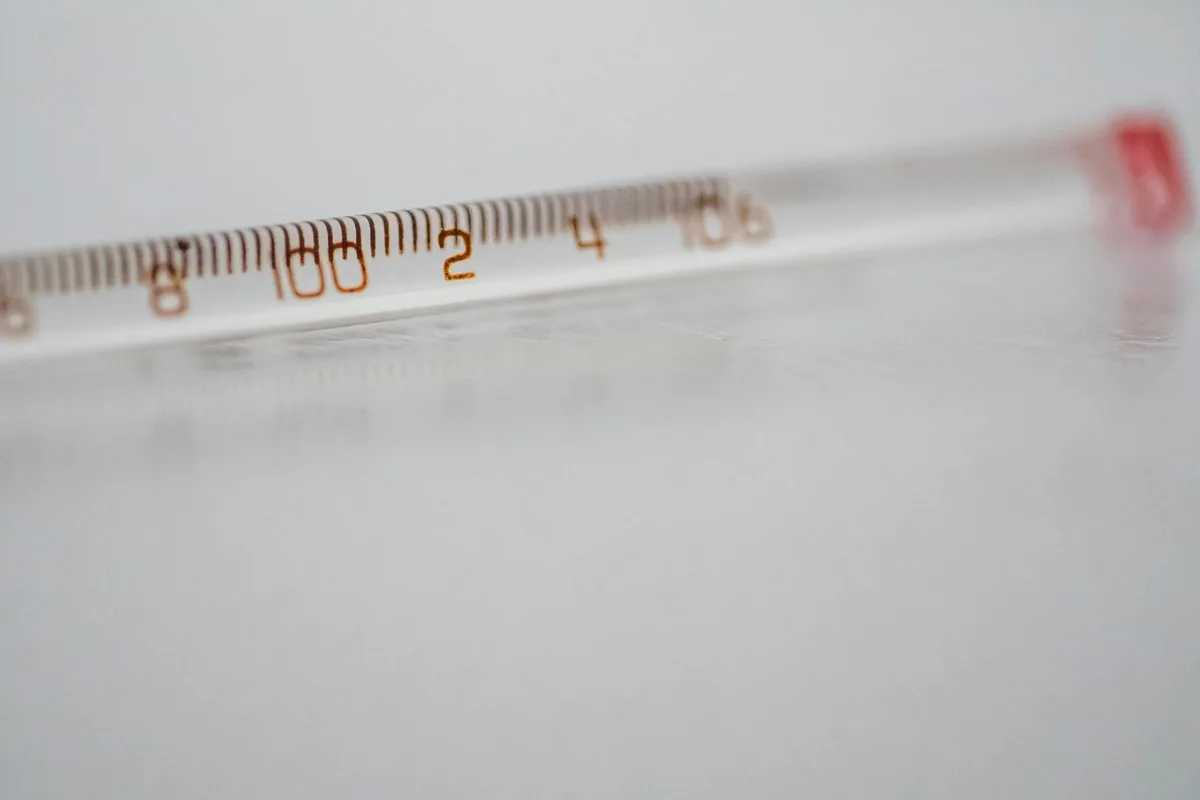
Forget what the calendar says, your soil thermometer is the real decision-maker. Use an inexpensive soil thermometer (available at most garden centers) inserted 2, 4 inches deep in the morning, away from direct sun. Wait until readings stabilize between 50°F and 65°F for three consecutive days.
Why morning? Soil warms throughout the day, so early readings give you the most consistent baseline. If your soil hits 70°F in September, it’s too late, seed will either rot or germinate unevenly. Below 50°F, germination slows dramatically or stops altogether.
Early Fall vs. Late Fall vs. Dormant Seeding: Which Path to Take?
You’ve got three main strategies, each with trade-offs:
Early Fall (Mid-Aug to Early Sept)
Best for northern zones (WI, MN, northern IL). Lets seedlings build strong roots before frost. Risk: Late summer heat or drought can stress young grass.
Peak Fall (Mid-Sept to Mid-Oct)
Ideal for central Midwest (IN, OH, central IL). Balances warm soil with cooler air. Most reliable germination window.
Dormant Seeding (Late Oct to Early Dec)
Seed sits on frozen ground until spring. Only works if ground isn’t snow-covered. Higher risk of washout or bird loss, but useful if you missed earlier windows.
Choose based on your location, soil temp, and how much time you can commit to post-seeding care. Early fall gives the best results, if conditions cooperate.
Step-by-Step: How to Overseed Based on Your Timing Choice
If you're seeding in early fall, start by mowing your lawn shorter than usual, about 1.5 inches, to let sunlight reach the soil. Core aerate 7, 14 days before seeding to relieve compaction and create seed-to-soil contact. Rake up the plugs and remove any thick thatch. Spread seed evenly using a broadcast spreader at the rate listed on your bag, typically 8, 10 lbs per 1,000 sq ft for overseeding.
Lightly rake again to bury seeds just beneath the surface.
For peak fall seeding, follow the same prep but prioritize consistent moisture. Water lightly 2, 3 times daily for the first two weeks, keeping the top inch of soil damp but not soggy. Once grass reaches 1.5 inches, reduce watering frequency but increase duration to encourage deeper roots. Avoid foot traffic until mowing height hits 3 inches.
Dormant seeding skips immediate watering, you’re betting on spring thaw for germination. Still aerate and spread seed as usual, but don’t expect to see sprouts until April. Cover bare patches with a thin layer of straw to reduce washout.
Common Mistakes That Ruin Your Seed (Even If You’re on Time)
Overwatering is the top killer of new grass. Soggy soil suffocates seeds and invites fungal diseases like pythium. Underwatering isn’t much better, seeds dry out and die within hours on hot days. The fix?
Water in short bursts early morning and late afternoon, never midday.
Another trap: skipping aeration. Without it, seeds sit on top of compacted soil and fail to root. Even if your lawn looks fine, Midwest clay soils compact easily under foot traffic and rain. A single pass with a core aerator makes all the difference.
Don’t ignore birds. They’ll feast on exposed seed, especially in dormant seeding. Use a light straw cover or netting if you’re broadcasting in late fall. And never use regular fertilizer right after seeding, high nitrogen burns tender shoots.
Stick to a starter fertilizer with higher phosphorus to boost root development.
What to Do If You Missed the Ideal Window
If it’s already November and soil temps are dipping below 50°F, dormant seeding is your best bet. Wait until the ground is cold but not frozen solid, usually late November in southern zones, earlier up north. Spread seed as you would in fall, but don’t water. Nature will handle germination come spring.
Alternatively, hold off until next fall. Spring overseeding is possible but riskier for cool-season grasses. Soil temps warm quickly, and summer heat can zap young seedlings before they establish. If you must seed in spring, choose fast-germinating perennial ryegrass and commit to daily watering through June.
One workaround: patch bare spots now with sod instead of seed. It’s more expensive upfront but gives instant cover and avoids the timing gamble entirely.
Expert Tips for Boosting Germination in Cool Midwest Conditions
Use a seed blend matched to your light exposure. Shady areas need fine fescue mixes; sunny spots handle tall fescue or Kentucky bluegrass better. Check the label, look for “low-maintenance” or “drought-tolerant” if you’re in a drier part of the region like western Indiana.
Prep your soil like a gardener, not a homeowner. Remove debris, break up clumps, and level low spots. A smooth seedbed means even coverage and fewer washed-out patches after rain.
Mulch lightly with straw, just enough to tint the soil golden, not blanket it. Too much blocks light and traps excess moisture. And always check the forecast: avoid seeding right before heavy rain, which can wash seeds into drains or low spots.
Final Decision Guide: Pick Your Overseeding Path
If you’re in northern Wisconsin or Minnesota and soil temps hit 60°F in mid-August, go early. You’ll get the longest growing window and strongest root development.
For most of Illinois, Indiana, and Ohio, mid-September to early October is your sweet spot. Soil is warm, air is cool, and rain is more reliable.
If you’re staring at November with bare patches, dormant seed or patch with sod. Don’t force spring overseeding unless you’re ready for daily watering through summer.
Match your method to your grass type, your schedule, and your soil. When in doubt, check the thermometer, not the calendar.





