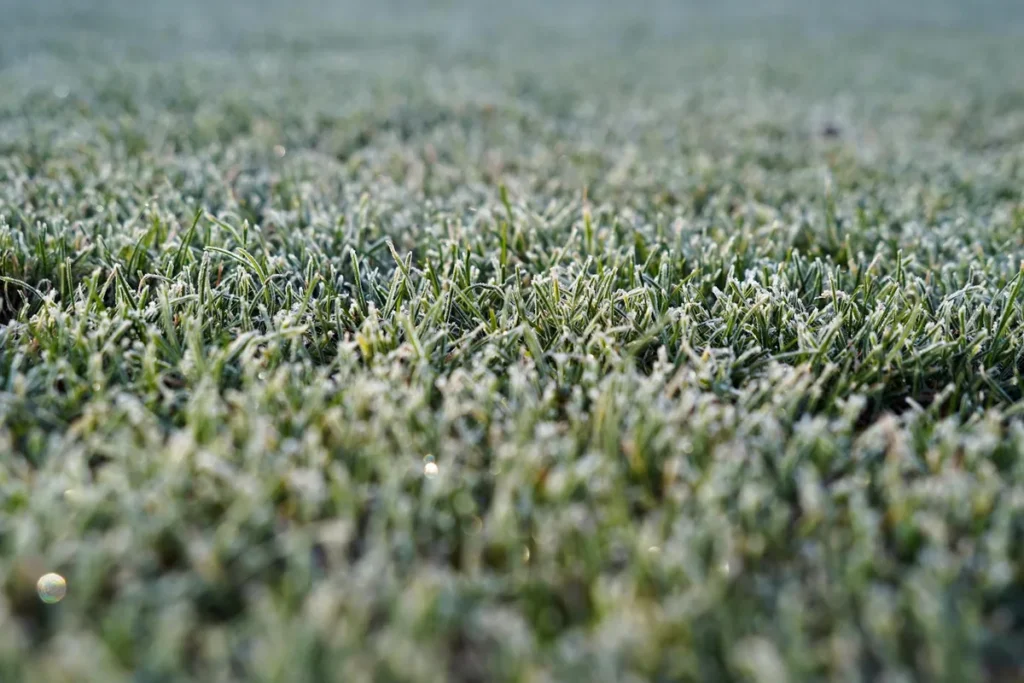
You’ve probably edged your lawn at the wrong time and watched those crisp lines turn into ragged, torn-up messes. The best time to edge lawn isn’t just about picking a season, it’s about matching your grass type, soil condition, and local climate to the right moment. Edging too early in soggy soil rips turf; doing it in baked, dry ground cracks the edges and stresses the grass. Getting the timing right means clean, long-lasting borders with minimal damage.
In our research, we found that most successful edging happens when soil is damp but not muddy, typically 24 to 48 hours after light rain or irrigation. As of 2026, extension services from land-grant universities consistently recommend edging during active growth periods, which vary by region. That leads us straight into figuring out when that window actually opens for your yard.
Why Timing Matters for Lawn Edging
Edging isn’t just cosmetic, it’s a maintenance step that affects your lawn’s health. When you cut the edge at the right time, the grass heals cleanly and resists encroachment from weeds or neighboring beds. Do it wrong, and you create weak spots where disease, pests, or erosion can take hold. Timing also determines how long those sharp lines last before they start to blur.
Think of edging like pruning: you wouldn’t shear a shrub during a drought or right after a downpour. The same logic applies here. Soil moisture, grass growth rate, and temperature all interact to create a narrow sweet spot. Miss it, and you’ll spend more time fixing edges than enjoying them.
The Real Problem with Bad Edging Timing
The biggest mistake isn’t using the wrong tool, it’s edging when conditions aren’t right for the grass to recover. Soggy soil tears instead of cutting cleanly, leaving jagged edges that invite rot. Dry, compacted soil resists the blade, forcing you to hack at it and often cutting too deep, which exposes bare earth and kills grassroots.
We’ve seen yards where homeowners edged right after a heavy rain, only to find their borders slumped inward within days. Others waited until mid-summer heat, then struggled to make a clean cut at all. Both scenarios lead to uneven lines, increased maintenance, and a lawn that looks more tired than tidy.
Your Lawn’s Ideal Edging Window (Based on Grass and Climate)
Your grass type sets the baseline for when to edge. Cool-season grasses, like Kentucky bluegrass, tall fescue, and perennial ryegrass, grow most actively in spring and early fall. That’s when their roots are strong and recovery is fastest. Warm-season varieties, such as Bermuda, Zoysia, and St.
Augustine, hit peak growth in late spring through summer.
| Grass Type | Best Edging Window | Why It Works |
|---|---|---|
| Cool-season | Early spring (Mar–Apr) or early fall (Sep–Oct) | Soil is workable, temps are mild (60–75°F), and grass recovers quickly |
| Warm-season | Late spring to early summer (May–Jun) | Active growth phase, soil warm enough for clean cuts without stress |
If you’re unsure of your grass type, check your local USDA Plant Hardiness Zone and match it to common regional varieties. Most extension services offer free ID guides based on location.
How Soil and Weather Change Everything
Soil moisture is the make-or-break factor, regardless of season. Ideal edging soil should feel like a wrung-out sponge, damp enough to hold its shape when squeezed, but not drip water. Test it by digging a small hole 3 inches deep: if it crumbles easily, it’s too dry; if it smears like clay, it’s too wet.
Weather patterns also shift your timing. In humid regions, wait a day or two after rain to avoid mud. In arid climates, lightly water the edge line the evening before to soften hard soil, but don’t soak it. Mid-morning is often the best time of day: dew has dried, but the sun hasn’t baked the ground hard yet.
Temperature matters too. Edging in extreme heat (above 85°F) stresses grass, especially if you’ve recently mowed or fertilized. Cool, overcast days reduce evaporation and give the lawn time to seal the cut edge before the next stressor hits.
Tools That Make or Break Your Edging Job
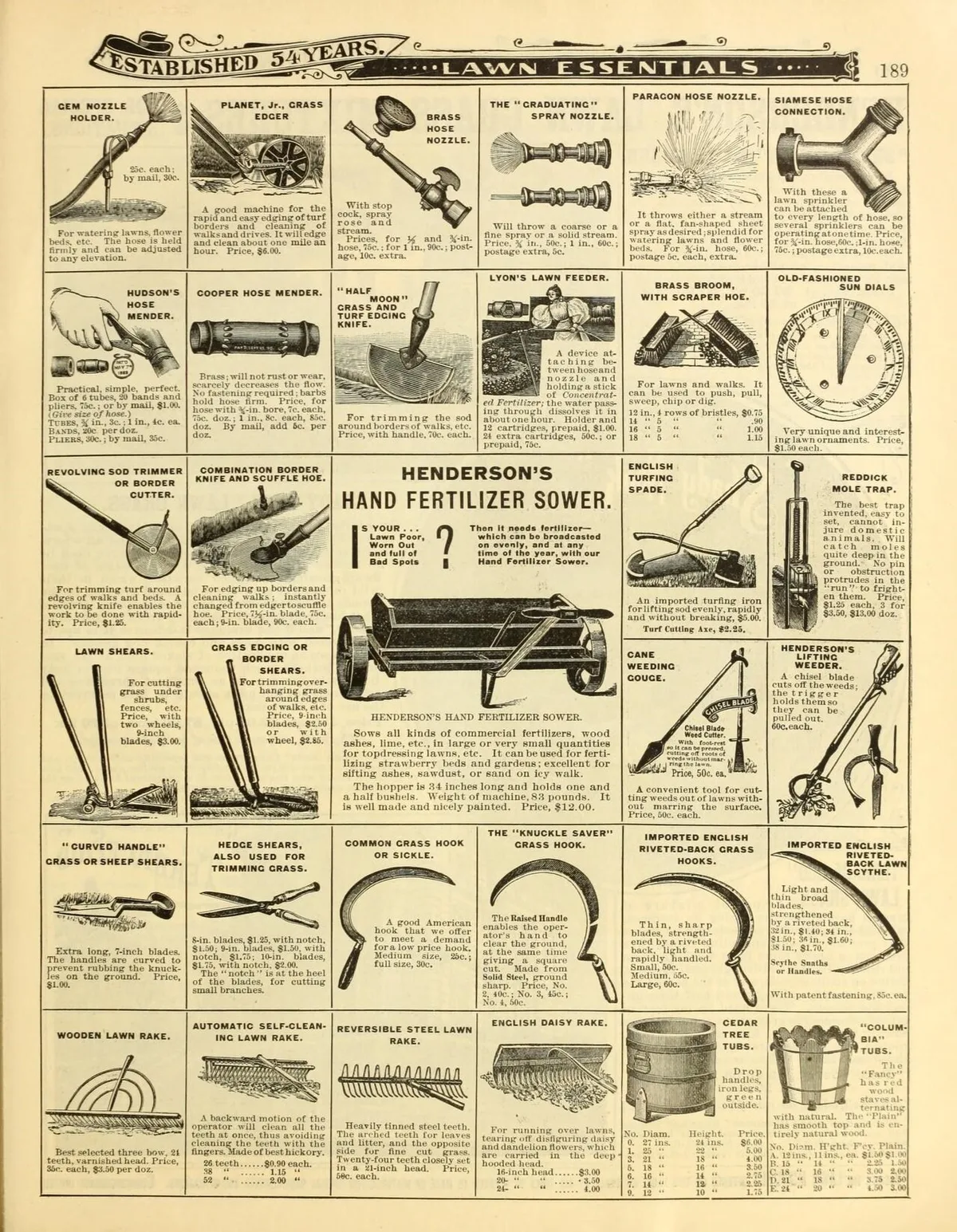
The right tool doesn’t just make edging easier, it prevents damage. A dull blade tears grass; a poorly designed tool slips or cuts unevenly. For most homeowners, a sharp half-moon edger gives the cleanest manual cut. It’s ideal for defining new edges or maintaining small beds.
Powered edgers (electric or gas) save time on large properties but require more control. They’re best for experienced users who can adjust depth and avoid scalping. String trimmers with an edging function are versatile but often leave rougher lines, fine for informal borders, less so for formal landscapes.
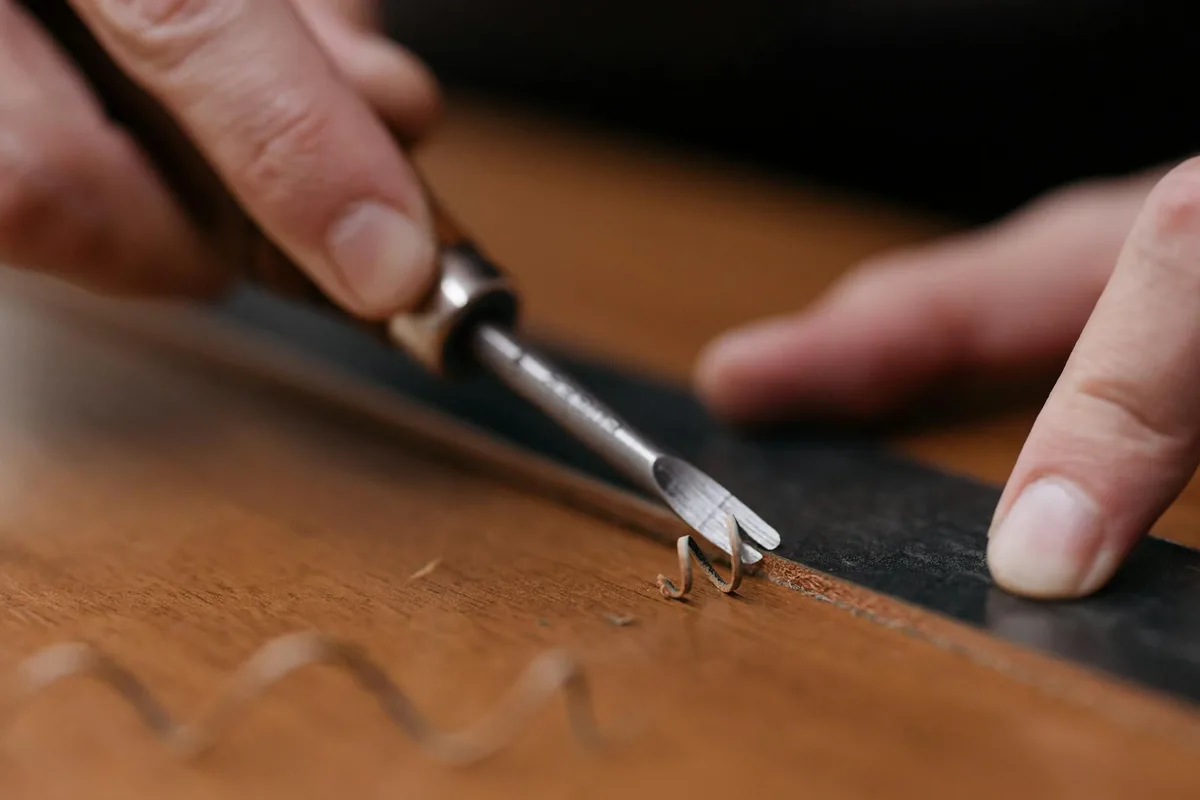
Key specs to check:
- Blade thickness: 1/4-inch or less for precision
- Handle length: adjustable or ergonomic to reduce back strain
- Weight: under 5 lbs for manual tools to ease fatigue
- Depth control: essential for powered models to avoid over-cutting
Always clean and sharpen your tool before the season starts. A few minutes of prep prevents ragged cuts and reduces the chance of spreading disease between lawns.
Manual vs. Powered Edging: Which Fits Your Situation?
Manual edgers shine when precision matters more than speed. They’re quiet, lightweight, and give you full control over depth and angle, ideal for small yards, tight spaces, or when you’re defining a new edge for the first time. Half-moon edgers, in particular, create clean, curved cuts that blend naturally with garden beds.
Powered edgers (electric or gas) are better for large properties or frequent maintenance. They cut faster and reduce fatigue, but they demand more attention to avoid scalping or over-cutting. If you’ve got more than a quarter-acre or struggle with hand tools due to mobility, a powered model makes sense.
Permanent Edging vs. Natural Sod Edging: Trade-Offs Explained
Permanent edging, like metal, plastic, or brick strips, creates a hard barrier that stops grass from spreading. It’s low-maintenance once installed and gives ultra-sharp lines year-round. But it’s less flexible: if you ever want to change your bed shape, you’re committed to digging it up.
Natural sod edging (cutting a clean line without installing a barrier) is more adaptable and eco-friendly. It lets roots breathe and allows for minor adjustments each season. The trade-off is that it requires regular upkeep, every 2, 4 weeks during growing season, to stay crisp.
Common Edging Mistakes That Ruin Your Lawn’s Health
Cutting too deep is the fastest way to weaken your turf. Most lawns only need a 2, 4 inch edge; going deeper exposes soil, dries out roots, and invites weeds. Another frequent error is edging right after mowing, wet grass clippings clog tools and make clean cuts harder.
We’ve also seen people edge during drought stress, thinking it’ll “clean things up.” That’s a mistake. Stressed grass can’t heal properly, so the edge deteriorates quickly. Always check soil moisture and grass health before you start.
Pro Tips for Clean, Long-Lasting Edges
Sharpen your blade before each season. A dull tool tears instead of cuts, leaving frayed edges that brown and die. If you’re using a powered edger, adjust the depth wheel so the blade just grazes the soil, no need to dig a trench.
For curved beds, use a garden hose to lay out the line first. It’s flexible, visible, and won’t damage roots. Follow it with your edger, keeping steady pressure for an even cut. And always edge on a cool, overcast day when possible, less evaporation means cleaner healing.
Safety and Prep: Don’t Skip These Steps
Wear gloves and eye protection, especially with powered tools. Flying soil, rocks, or debris can cause injury, and repeated vibration from gas edgers can strain wrists over time. If you’re working near driveways or sidewalks, watch for cracks where utilities might run, call 811 before you dig in uncertain areas.
Prep the edge line by removing leaves, twigs, and thick thatch. This gives you a clear view and prevents the blade from slipping. And never edge when the ground is frozen or waterlogged, both conditions damage turf and make clean cuts impossible.
How Often to Edge (and When to Skip It)
Most lawns need edging every 2, 4 weeks during active growth. Cool-season grasses slow down in summer, so you can often skip July and August if the edges hold. Warm-season types grow fast through summer, so expect to edge monthly from May through September.
But don’t edge just because it’s “time.” If the grass hasn’t crossed the line into beds or hardscapes, wait. Over-edging stresses the turf and creates unnecessary work. And never edge during dormancy, frozen ground or brown, inactive grass can’t heal.
Final Decision Guide: Pick Your Best Edging Time
Start with your grass type. If you have cool-season grass, aim for early spring or early fall when soil is workable and temps are mild. For warm-season lawns, late spring to early summer is ideal, growth is strong, and soil is warm.
Then check the soil. Squeeze a handful: if it holds shape without dripping, you’re good. If it’s muddy or crumbly, wait a day or two. Finally, pick a cool, overcast morning after dew has dried.
That’s your sweet spot.
| Scenario | Best Action |
|---|---|
| Cool-season grass, spring | Edge in March–April, 24–48 hrs after light rain |
| Warm-season grass, summer | Edge in May–June, early morning, soil damp |
| Soil too wet | Wait 1–2 days; avoid tearing |
| Soil too dry | Water lightly the night before |
| Recent mowing | Wait 2–3 days for grass to recover |
| Extreme heat (>85°F) | Postpone; stress risk too high |
Stick to this workflow, and you’ll get crisp, healthy edges with less effort.





