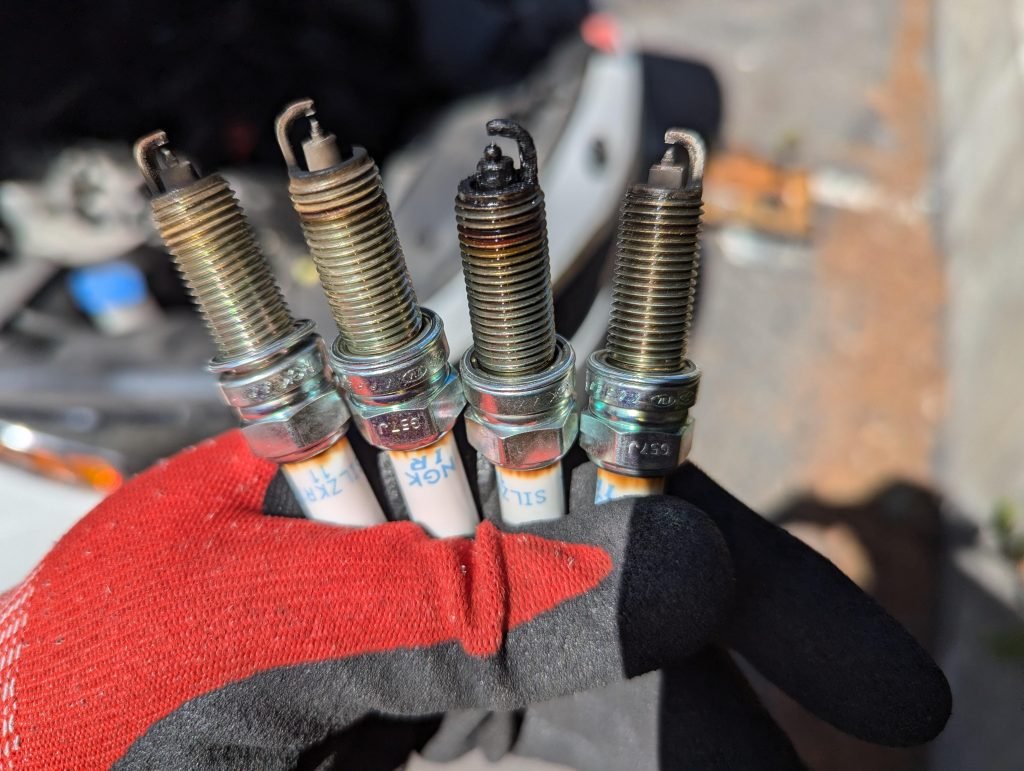
Have you ever wondered if ignition coils and spark plugs are the same thing? If you’re trying to understand how your car’s engine works or troubleshooting a problem, it’s easy to get confused.
These two parts might seem similar, but they play very different roles in keeping your engine running smoothly. By knowing the difference, you can save yourself time, money, and frustration. Keep reading to discover what sets ignition coils apart from spark plugs—and why understanding this can make a big difference for your vehicle.
Role Of Ignition Coils
Ignition coils play a crucial role in your vehicle’s ignition system. They transform the low voltage from your car’s battery into the high voltage needed to create a spark at the spark plugs. Without ignition coils, the spark plugs wouldn’t fire properly, and your engine would struggle to start or run smoothly.
How Ignition Coils Work
Ignition coils work like a transformer. They take the 12 volts from your car battery and increase it to thousands of volts. This high voltage is essential because it jumps the gap at the spark plug, igniting the air-fuel mixture inside the engine cylinders.
The coil has two sets of wire windings: primary and secondary. When current flows through the primary winding, it creates a magnetic field. Once the current stops, the magnetic field collapses, inducing a high voltage in the secondary winding, which then travels to the spark plug.
Types Of Ignition Coils
You might be surprised to know ignition coils come in different types depending on the vehicle’s design. Here are the main ones:
- Canister Coil:A single coil that feeds all spark plugs through a distributor. It was common in older cars.
- Coil Pack:A group of coils packaged together, each firing one or more spark plugs. This setup eliminates the distributor.
- Coil-on-Plug (COP):Each spark plug has its own coil mounted directly on top. This design improves efficiency and reduces energy loss.
Have you ever noticed your engine running rough or misfiring? It could be a sign your ignition coils are failing, especially if you have coil-on-plug systems. Keeping an eye on coil types and their condition can save you from unexpected breakdowns.

Credit: www.reddit.com
Function Of Spark Plugs
Spark plugs play a crucial role in your vehicle’s engine. Their main job is to ignite the air-fuel mixture inside the combustion chamber. Without them, your engine simply wouldn’t start or run efficiently.
How Spark Plugs Ignite
Spark plugs create a tiny spark at just the right moment. This spark lights the air-fuel mix, causing a controlled explosion that powers your engine. The timing of this spark is vital for smooth performance and fuel efficiency.
Inside the spark plug, electricity jumps across a small gap between two electrodes. This electrical jump creates the spark you need. If this gap is too wide or too narrow, your engine may misfire or run poorly.
Different Spark Plug Designs
Not all spark plugs are the same. They come in various designs tailored for different engines and driving styles.
- Copper Spark Plugs:Known for good conductivity but wear out faster.
- Platinum Spark Plugs:Last longer and provide better performance.
- Iridium Spark Plugs:Offer the best durability and ignite the fuel mixture efficiently.
Choosing the right design can improve your engine’s power and save you money in the long run. Have you ever noticed how your car runs smoother after changing spark plugs? That’s the impact of picking the correct type for your engine.
Key Differences Between ignition coils and spark plugs
Ignition coils and spark plugs are both vital parts of a vehicle’s ignition system. They work together but have different roles. Understanding their differences helps in diagnosing engine issues and performing proper maintenance.
Purpose And Function
Ignition coils convert the battery’s low voltage into high voltage. This high voltage is needed to create a spark. Spark plugs use this spark to ignite the air-fuel mixture inside the engine cylinders. Without ignition coils, spark plugs cannot generate the spark. Each has a distinct but connected job in starting the engine.
Location In The Engine
Ignition coils are usually found near the engine’s cylinder head. They are often mounted on top of or next to the spark plugs. Spark plugs sit inside the engine cylinders themselves. They extend into the combustion chamber where the spark ignites the fuel. Their positions reflect their different roles in the ignition process.
Lifespan And Maintenance
Ignition coils tend to last longer but can fail due to heat or wear. Spark plugs need regular replacement after a certain mileage. Worn spark plugs cause rough engine performance and poor fuel economy. Checking both parts during maintenance ensures smooth engine operation. Proper care extends the life of the ignition system.

Credit: www.amazon.com
Signs Of Faulty Ignition Coils Vs Spark Plugs
Knowing the difference between faulty ignition coils and spark plugs is key to fixing your car efficiently. Both parts play crucial roles in the ignition system, but their failure signs can overlap, making diagnosis tricky. Recognizing the distinct symptoms and testing methods helps you avoid unnecessary replacements and saves you money.
Common Symptoms
Faulty ignition coils often cause your engine to misfire or run roughly. You might notice a loss of power, poor fuel economy, or difficulty starting your vehicle. Sometimes, the check engine light will come on, signaling an issue with the coil.
On the other hand, worn-out spark plugs usually lead to hard starts, engine hesitation, and a rough idle. You may also experience decreased acceleration or increased exhaust emissions. Unlike ignition coils, spark plugs wear out due to normal use and need regular replacement.
Have you ever felt your car stumble or jerk during acceleration? That’s a classic sign that either component might be at fault. Knowing whether it’s the coil or the plug can pinpoint the problem faster.
Diagnostic Methods
To test ignition coils, mechanics often use an ohmmeter to check resistance or a scan tool to read misfire codes. You can also swap coils between cylinders to see if the misfire moves, confirming the coil’s role.
For spark plugs, a visual inspection often reveals fouling, wear, or damage. Checking the gap and condition can tell you if they need replacement. Spark plug testers can also simulate firing to see if the plug sparks properly.
Would you rather guess or use these simple diagnostic steps to find the real culprit? Trying these tests yourself can save a trip to the shop and help you understand your car better.
Replacement And Costs
Knowing when to replace ignition coils and spark plugs can save you from unexpected breakdowns and costly repairs. Both parts play crucial roles in your vehicle’s ignition system, but their lifespan and replacement costs vary. Understanding these differences helps you maintain your car efficiently and avoid unnecessary expenses.
When To Replace Ignition Coils
Ignition coils usually last longer than spark plugs but can fail due to heat, vibration, or electrical issues. Signs you need a replacement include engine misfires, rough idling, or difficulty starting your car. If your check engine light comes on and diagnostics point to coil problems, don’t delay fixing it—ignition coil failure can lead to more serious engine damage.
When To Replace Spark Plugs
Spark plugs wear out faster because they endure constant firing inside the engine. You should replace them every 30,000 to 100,000 miles, depending on the type and your vehicle’s recommendations. Noticeable signs include poor fuel economy, engine hesitation, or rough starts. If you’ve never changed your spark plugs, it’s worth checking—they could be the root of performance issues.
Cost Comparison
| Part | Average Cost (Parts Only) | Replacement Labor Cost | Total Estimated Cost |
|---|---|---|---|
| Ignition Coil | $40 – $150 each | $50 – $100 | $90 – $250 per coil |
| Spark Plug | $5 – $20 each | $40 – $100 | $45 – $120 for a full set |
Replacing ignition coils usually costs more than spark plugs, mainly because coils are pricier parts and sometimes harder to access. However, replacing just one coil might be enough, while spark plugs often need replacing as a complete set. Have you checked your vehicle’s manual to compare recommended replacement intervals and costs for these parts?

Credit: www.amazon.ca
Impact On Engine Performance
The ignition coil and spark plug play different roles in engine performance. Both parts must work well for smooth running. Problems with either can cause engine trouble. Understanding their impact helps maintain your vehicle better.
Effects Of Ignition Coil Failure
An ignition coil failure can cause weak or no spark. This leads to poor combustion and engine misfires. You may notice:
- Engine hesitation during acceleration
- Reduced fuel efficiency
- Rough idling or stalling
- Difficulty starting the engine
Failing coils can also trigger the check engine light. Ignoring coil problems may damage the catalytic converter. It is best to replace faulty coils promptly.
Effects Of Spark Plug Issues
Worn or dirty spark plugs affect engine power and smoothness. Common signs include:
- Hard starts or no starts
- Engine misfires and rough running
- Increased fuel consumption
- Loss of acceleration
Bad spark plugs cause incomplete fuel burn. This creates more emissions and deposits inside the engine. Regular spark plug checks keep your engine healthy.
Frequently Asked Questions
What Is The Difference Between Ignition Coils And Spark Plugs?
Ignition coils generate high voltage to create a spark. Spark plugs deliver that spark inside the engine cylinder. Both work together but serve different functions in the ignition system.
Can Ignition Coils Replace Spark Plugs In A Vehicle?
No, ignition coils cannot replace spark plugs. Coils produce voltage, while spark plugs ignite the air-fuel mixture. Both are essential and must work together for engine performance.
How Do Ignition Coils And Spark Plugs Work Together?
Ignition coils convert battery voltage to high voltage. This voltage travels to spark plugs, which create the spark to ignite fuel in the engine cylinders.
Why Do Ignition Coils And Spark Plugs Fail Differently?
Ignition coils often fail due to heat or electrical issues. Spark plugs wear out from combustion deposits. Each requires different maintenance and replacement intervals.
Conclusion
Ignition coils and spark plugs are not the same. Both are vital. Ignition coils generate the spark. Spark plugs ignite the fuel. Together, they ensure smooth engine performance. Regular maintenance is crucial for both parts. Check them often. Replace when needed to avoid engine issues.
Understanding these components helps keep your car running well. Keep your vehicle in good shape. Spend less on repairs. Enjoy a smoother drive.





