
Are your car’s spark plug coils causing trouble? If your engine is misfiring or your vehicle isn’t running as smoothly as it should, those little coils might be the culprits.
But don’t worry, you’re not alone, and it’s easier to fix than you might think. Cleaning spark plug coils is a straightforward task that can save you time and money, keeping your car running like new. Imagine the satisfaction of a smooth drive, knowing you’ve taken care of your engine.
In this guide, we’ll walk you through the simple steps to get those coils clean and your car back to peak performance. Stick with us, and soon you’ll have the confidence to tackle this task and enjoy the benefits of a well-maintained vehicle.

Credit: www.evoxforums.com
Signs Of Dirty Spark Plug Coils
Dirty spark plug coils can silently impact your vehicle’s performance. Recognizing the signs early helps you avoid costly repairs and keeps your engine running smoothly. Let’s look at key symptoms that tell you it’s time to clean or inspect those coils.
Engine Misfires And Rough Idling
Have you noticed your engine hesitating or jerking unexpectedly? This could be due to dirty spark plug coils failing to deliver a consistent spark. When coils are fouled, the spark weakens or cuts out, causing misfires that make your engine sound rough or uneven while idling.
This roughness isn’t just annoying—it stresses your engine and affects overall drivability. If your car feels shaky at stops or stumbles during acceleration, check those coils. Addressing this early can prevent further damage.
Reduced Fuel Efficiency
Are you filling up your tank more often than usual? Dirty spark plug coils can cause incomplete combustion, which wastes fuel. When the spark isn’t firing properly, your engine burns more gas to produce the same power.
This inefficiency might seem small at first, but over time, it adds up to significant extra cost. Watching your fuel mileage drop is a clear sign to inspect and clean the coils before your wallet feels the full impact.
Difficulty Starting The Engine
Struggling to start your car in the morning or after it’s been sitting? Dirty spark plug coils may be the culprit. If the coil can’t generate a strong enough spark, ignition becomes unreliable.
This issue can leave you stuck and frustrated, especially in cold weather. Don’t ignore slow or failed starts—cleaning your spark plug coils can restore that quick, confident engine turn you expect.
Credit: www.piloteers.org
Tools And Materials Needed
Cleaning spark plug coils requires a few simple tools and materials. Having the right items makes the task easier and safer. Prepare these before starting to save time and avoid interruptions.
Cleaning Solutions
- Use a non-corrosive electrical cleaner spray.
- Isopropyl alcohol works well for removing grime.
- A mild soap solution can clean dirt gently.
- A soft brush helps apply cleaning liquids evenly.
Protective Gear
- Wear safety gloves to protect your hands.
- Use safety goggles to shield your eyes.
- A dust mask prevents inhaling dust or fumes.
- Wear old clothes to avoid stains from cleaners.
Basic Tools
- A ratchet wrench or spark plug socket for coil removal.
- A clean, soft cloth or microfiber towel.
- A small brush or toothbrush for scrubbing.
- A compressed air can or blower for drying.
Preparing For Cleaning
Preparing to clean your spark plug coils is essential to avoid damage and ensure effective maintenance. Skipping these preparation steps can lead to injury or costly repairs. Taking a few minutes to get ready can save you frustration and improve your results.
Locating Spark Plug Coils
First, find the spark plug coils in your engine bay. They usually sit on top of the spark plugs and are connected by wires or directly attached. Identifying their exact position can vary depending on your car model, so consult your owner’s manual if needed.
Have you noticed how some engines have coils neatly lined up, while others hide them under covers? Knowing their location upfront makes the cleaning process quicker and less stressful.
Ensuring Engine Is Cool
Never start cleaning while the engine is hot. A hot engine can cause burns and damage to the coils or other components. Wait at least 30 minutes after driving to let the engine cool down completely.
It might be tempting to work immediately after a drive, but patience here protects you and your car. Your hands and tools will thank you for it.
Disconnecting The Battery
Before touching any electrical parts, disconnect your car’s battery. This step prevents accidental shocks or short circuits while handling spark plug coils. Remove the negative terminal cable first to minimize risks.
Have you ever experienced a sudden spark while working on your car? Disconnecting the battery is a simple way to avoid such surprises and keep your workspace safe.
Step-by-step Cleaning Process
Cleaning spark plug coils helps maintain engine performance and prevents misfires. This process improves ignition and extends coil life. Follow these clear steps to clean spark plug coils safely and effectively.
Removing Spark Plug Coils
Start by turning off the engine and letting it cool completely. Locate the spark plug coils on the engine. Gently disconnect the electrical connector by pressing the tab and pulling it out. Use a ratchet or socket wrench to loosen the bolts holding the coils in place. Carefully pull the coils straight out to avoid damaging the wires. Place the coils on a clean surface for cleaning.
Cleaning Coil Surfaces
Use a soft brush to remove loose dirt and debris from the coil surfaces. Prepare a cleaning solution with mild soap and warm water. Dip a clean cloth into the solution and gently wipe the coils. Avoid soaking the coils or getting water inside the connectors. For stubborn stains, use a small amount of isopropyl alcohol on a cloth. Clean all sides and ensure no dirt remains on the coils.
Drying And Inspecting Coils
Dry the coils completely with a clean, dry cloth. Let them air dry for at least 30 minutes to ensure no moisture remains. Inspect the coils for cracks, burns, or corrosion. Check the connectors for any signs of damage. Replace any coil that shows signs of wear or damage. Reinstall the dry and intact coils carefully back into their positions.
Reinstalling Spark Plug Coils
Reinstalling spark plug coils is a crucial step after cleaning them. If you don’t place and connect them correctly, your engine might misfire or fail to start. Paying close attention during this process ensures your vehicle runs smoothly and efficiently.
Proper Coil Placement
Each coil must fit snugly on its corresponding spark plug. Look for any marks or labels that help you match the coil to the right cylinder. Misplacing a coil can cause poor engine performance and confusion during diagnostics.
Before seating the coil, check the spark plug well for debris. Even a small amount of dirt can affect the coil’s connection and spark quality. Gently push the coil down until it clicks or feels firmly in place.
Securing Connections
Loose connections are a common cause of engine troubles. Make sure the coil’s electrical connector snaps securely onto the coil body. If it wiggles or feels loose, it might cause intermittent misfires that are hard to track down.
Double-check the coil mounting bolts or screws. Tighten them to the manufacturer’s recommended torque to avoid over-tightening, which can damage the coil housing. Secure coils reduce vibration and maintain stable contact.
Reconnecting The Battery
After reinstalling all coils, reconnect your vehicle’s battery. This step reactivates the electrical system, allowing your engine to communicate with the coils properly. Have you ever noticed your car running rough right after battery reconnection? That’s often a sign the coils weren’t seated well or connections were loose.
Once connected, start the engine and listen for smooth operation. If you detect hesitation or rough idling, revisit the coil placement and connections. Sometimes a quick re-check saves you from bigger troubleshooting later.
Maintenance Tips For Longevity
Keeping your spark plug coils in top shape isn’t just about occasional cleaning—it’s about building habits that extend their life and keep your engine running smoothly. Small efforts on your part can prevent costly repairs and improve performance. Think of maintenance as a way to protect your investment and avoid unexpected breakdowns.
Regular Inspection Schedule
Set a routine to check your spark plug coils every few months or after driving through tough conditions. Look for cracks, corrosion, or carbon buildup that could affect performance. Catching issues early means you can fix them before they cause bigger problems.
Have you noticed your engine misfiring or rough idling? These could be signs that your coils need attention. Don’t wait until the symptoms worsen—make inspections part of your vehicle care checklist.
Avoiding Moisture And Debris
Moisture and dirt are the enemies of spark plug coils. Water can cause short circuits, while debris can lead to overheating. Keep your engine bay clean and dry to reduce these risks.
After washing your car or driving in the rain, take a moment to ensure the coils are dry. You might find that a little extra care here prevents corrosion and electrical issues down the line.
Using Quality Replacement Parts
When it’s time to replace spark plug coils, opt for high-quality parts that match your vehicle’s specifications. Cheap or incompatible coils can fail faster and cause engine problems. Investing in reliable replacements pays off in durability and performance.
Have you ever experienced repeated coil failure after a quick, low-cost fix? Choosing trusted brands helps avoid this frustrating cycle and keeps your engine stable for longer.
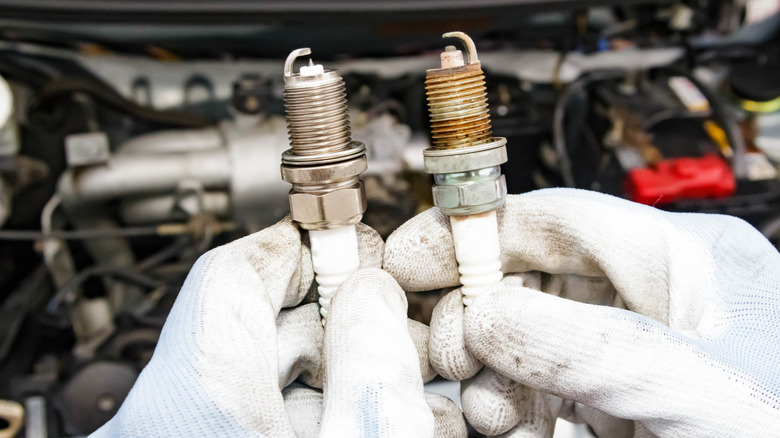
Credit: www.jalopnik.com
Frequently Asked Questions
How Often Should Spark Plug Coils Be Cleaned?
Spark plug coils should be cleaned every 30,000 miles or during routine maintenance. Regular cleaning prevents misfires and improves engine performance.
What Materials Are Needed To Clean Spark Plug Coils?
You need a clean cloth, electrical contact cleaner, a soft brush, and gloves. Avoid harsh chemicals that may damage the coils.
Can Dirty Spark Plug Coils Cause Engine Problems?
Yes, dirty coils can cause misfires, rough idling, and poor fuel efficiency. Cleaning ensures proper spark delivery and smooth engine operation.
Is It Safe To Clean Spark Plug Coils Yourself?
Yes, with proper tools and safety precautions, you can clean them at home. Disconnect the battery and handle coils gently to avoid damage.
Conclusion
Cleaning spark plug coils helps your engine run smoothly. It removes dirt and prevents misfires. Regular care saves you time and money. Use gentle tools and avoid harsh chemicals. Check coils often for signs of wear or damage. Clean coils keep your car healthy and efficient.
Simple steps make a big difference. Keep your vehicle in top shape with easy maintenance.





