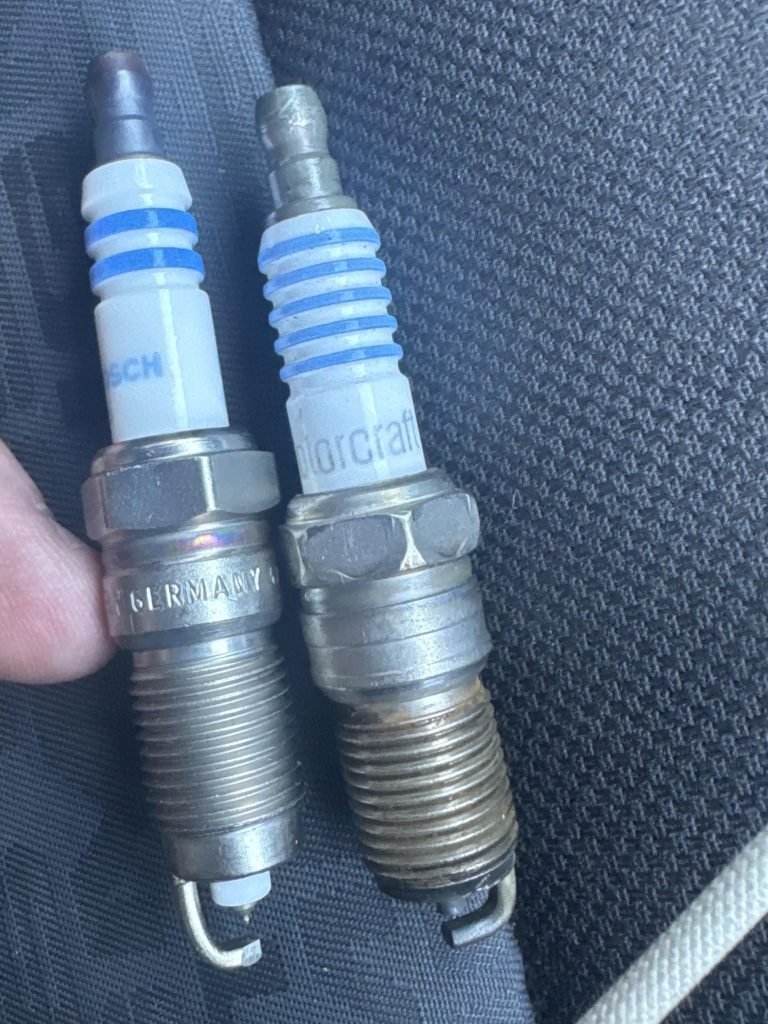
When it comes to your car’s engine, every component plays a crucial role in its performance. But have you ever wondered about the size of your spark plugs?
You might assume that one size fits all, but the truth might surprise you. Knowing whether all spark plugs are the same size can mean the difference between peak performance and potential engine trouble. This article will unravel the mystery for you, ensuring you make informed decisions for your vehicle.
Dive in to discover how the right spark plug size can impact your car’s efficiency and longevity. Your engine’s health could depend on what you learn next.
Spark Plug Sizes
Spark plugs come in various sizes to fit different engines and performance needs. Choosing the right size ensures proper engine function and avoids damage. Understanding these sizes helps in selecting the correct spark plug for your vehicle.
Common Dimensions
Spark plugs vary mainly in thread diameter, reach, and overall length. The most common thread diameters include 10mm, 12mm, 14mm, and 18mm. These sizes fit most passenger cars and light trucks. The overall length and hex size also vary to match different engine designs.
Thread Diameter Variations
The thread diameter is the width of the threaded part that screws into the engine. A larger diameter provides better heat dissipation but needs a bigger cylinder head hole. Smaller diameters fit compact engines with limited space. Using the wrong diameter can cause poor sealing or engine damage.
Reach And Length Differences
Reach refers to the length of the threaded section that goes into the engine. It can range from short (around 10mm) to long (30mm or more). Correct reach prevents the spark plug from touching the piston or sitting too far from the combustion chamber. The overall length also affects how the plug fits in the engine head.

Credit: www.124spider.org
Factors Influencing Size
Not all spark plugs are created equal in size. Several key factors influence their dimensions, affecting how they fit and perform in your engine. Understanding these factors can help you choose the right spark plug and avoid costly mistakes.
Engine Type And Design
Different engines require different spark plug sizes because of their unique designs. For instance, a compact car engine usually uses smaller spark plugs compared to a heavy-duty truck engine.
Your engine’s combustion chamber size and cylinder head shape also play a big role. These design elements determine the length and diameter of the spark plug that will fit properly and fire efficiently.
Heat Range Impact
The heat range of a spark plug refers to its ability to dissipate heat from the combustion chamber. Spark plugs with different heat ranges often vary slightly in size to manage temperature effectively.
If you use a spark plug with the wrong heat range, it can lead to overheating or fouling. This not only affects performance but can also cause engine damage over time.
Manufacturer Specifications
Each manufacturer designs spark plugs to meet specific engine requirements. They set strict size and thread standards to ensure a perfect fit and optimal performance.
Ignoring these specifications and using the wrong size might seem like a small issue, but it can cause misfires, poor fuel efficiency, and even engine wear. Always check your vehicle’s manual or consult a trusted mechanic before making a switch.
Effects Of Using Wrong Size
Using the wrong size spark plugs can cause a range of problems that affect your vehicle’s overall health. It’s not just about fitting the plug in the engine; the size impacts how well your engine runs and how long it lasts. If you’ve ever swapped a spark plug and noticed your engine acting up, the size might be the culprit.
Performance Issues
Wrong size spark plugs can disrupt the spark timing and combustion process. Your engine might misfire, hesitate, or even stall unexpectedly. You may feel a drop in power when accelerating or notice rough idling that wasn’t there before.
Have you experienced a sudden loss of engine responsiveness after a spark plug change? That’s often a sign the plugs aren’t the correct size. Using the right size ensures consistent performance and smooth engine operation.
Engine Damage Risks
Spark plugs that are too long can extend too far into the combustion chamber, causing physical damage to the piston or valves. On the other hand, plugs that are too short may not ignite the fuel-air mix properly, leading to incomplete combustion.
This incomplete combustion creates carbon buildup and increases heat inside the engine. Over time, this heat can cause serious wear and even crack engine components. Your engine’s lifespan depends on the precise fit of each spark plug.
Fuel Efficiency Concerns
Incorrect spark plug size affects how efficiently your engine burns fuel. You might notice your fuel consumption creeping up without a clear reason. This happens because the engine struggles to maintain the ideal air-fuel mixture.
Lower fuel efficiency means more trips to the gas station and higher expenses. Choosing the right spark plugs helps your engine run cleaner and saves money on fuel. Wouldn’t you want to get the most miles out of every gallon?
Choosing The Right Spark Plug
Choosing the right spark plug is more than just picking one off the shelf. The correct spark plug ensures your engine runs smoothly, efficiently, and lasts longer. Using the wrong size or type can cause misfires, poor fuel economy, or even engine damage.
Consulting Vehicle Manual
Your vehicle manual is your best friend when selecting spark plugs. It provides specific recommendations tailored to your engine’s design. Ignoring these guidelines can lead to costly mistakes and poor performance.
I once tried a cheaper spark plug not listed in the manual, hoping to save money. Instead, my car started to stall frequently. That experience taught me to always check the manual first.
Matching Thread And Reach
Thread size and reach are critical factors that many overlook. The thread must fit perfectly into the cylinder head to prevent gas leaks or damage. Reach refers to how far the spark plug extends into the combustion chamber, affecting ignition.
- Too short a reach can cause weak sparks and poor combustion.
- Too long a reach might hit the piston or valves, causing serious engine damage.
Before buying, compare the thread diameter and reach length with your original spark plug or manual specs.
Considering Heat Range
Heat range determines how fast the spark plug dissipates heat from the tip. Choosing the right heat range keeps the plug clean and prevents overheating. A plug too hot can cause pre-ignition, while one too cold leads to fouling.
Think about your driving habits and engine type. High-performance or turbocharged engines often need plugs with a different heat range than standard models. Checking this detail can save you from unexpected engine trouble.
Tips For Installation
Installing spark plugs correctly affects engine performance and lifespan. Follow these tips for a smooth installation process. Proper steps ensure safety and proper functioning.
Proper Torque Application
Use a torque wrench for accurate tightening. Too much force can damage the spark plug or cylinder head. Too little force may cause poor contact or loosening. Check your vehicle’s manual for the recommended torque value. Tighten spark plugs gradually to avoid cross-threading.
Gap Setting Importance
The gap between the electrodes affects the spark quality. A wrong gap can cause misfires or poor fuel efficiency. Use a feeler gauge to measure and adjust the gap. Match the gap size to your engine’s specifications. Avoid bending the electrodes excessively to prevent damage.
Checking Compatibility
Not all spark plugs fit every engine. Check the size, thread, and heat range before buying. Use the manufacturer’s recommended spark plug model for best results. Incorrect plugs can cause engine problems or damage. Always double-check compatibility to ensure a proper fit.
Credit: www.odyclub.com
Aftermarket Vs Oem Spark Plugs
Choosing between aftermarket and OEM spark plugs can significantly affect your vehicle’s performance and maintenance experience. While both types fit your engine, they differ in several key areas that impact quality, cost, and support. Understanding these differences helps you make a smart choice tailored to your needs.
Quality Differences
OEM spark plugs are made by the vehicle’s manufacturer or a trusted supplier, ensuring they meet strict specifications for your engine. They often provide consistent performance and longevity because they are designed with your car’s exact requirements in mind.
Aftermarket plugs, on the other hand, come from various brands with varying quality levels. Some offer excellent performance and innovative materials, but others may not match OEM standards. Have you ever experienced a spark plug that wore out quickly or affected your engine’s smoothness? That’s often due to lower quality aftermarket options.
Price Considerations
Price is a major factor that leads many to consider aftermarket spark plugs. Generally, aftermarket plugs are cheaper than OEM versions, sometimes by a significant margin. This can be tempting if you want to save money on routine maintenance.
However, a lower initial cost might mean more frequent replacements or reduced fuel efficiency over time. Investing a bit more in OEM spark plugs could save you money and hassle in the long run. What’s more important to you: upfront savings or long-term reliability?
Warranty And Support
OEM spark plugs usually come with manufacturer warranties that cover defects and performance issues. This gives you peace of mind knowing you have support if something goes wrong shortly after installation.
Aftermarket plugs may offer limited or no warranty depending on the brand. Support can vary widely, especially if you buy from lesser-known suppliers. Have you ever struggled to get help or a replacement when an aftermarket part failed? This is a common risk to consider before making your choice.

Credit: www.amazon.com
Frequently Asked Questions
Are All Spark Plugs Interchangeable In Size?
No, spark plugs come in different sizes and thread types. Using the wrong size can cause engine damage or poor performance. Always check your vehicle’s manual or manufacturer recommendations before replacing spark plugs.
How Do I Know The Right Spark Plug Size?
The right size depends on your engine type and model. Refer to the owner’s manual or manufacturer website for exact specifications. Using the correct size ensures optimal engine efficiency and longevity.
Can Wrong Spark Plug Size Harm My Engine?
Yes, using an incorrect size can cause misfires, poor fuel economy, or engine damage. The spark plug must fit properly to maintain proper combustion and avoid costly repairs.
Why Do Spark Plug Sizes Vary Between Vehicles?
Different engines require spark plugs with specific thread lengths and diameters. Variations ensure proper fit, heat dissipation, and performance tailored to each vehicle’s design and engine configuration.
Conclusion
Not all spark plugs share the same size or fit. Cars need the right size for best performance. Using wrong plugs can cause engine problems. Always check your vehicle’s manual before buying. Correct spark plugs help your engine run smooth.
Remember, size and type matter for spark plugs. Choose carefully to keep your car healthy. Simple steps prevent costly repairs later on. Keep your engine strong with the right spark plugs.





