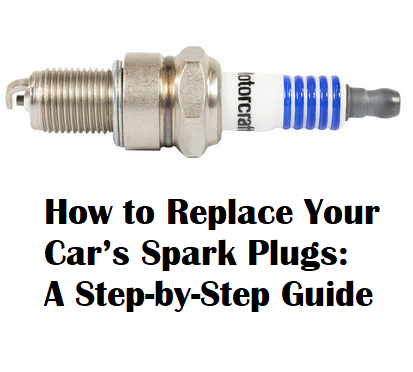
Your car’s spark plugs play a small but mighty role in keeping your engine running smoothly. But how do you know when it’s time to replace them?
Ignoring worn-out spark plugs can lead to poor fuel efficiency, rough starts, and even engine damage. You’ll discover clear signs that your spark plugs need attention and learn exactly when to replace them. Keep reading to avoid costly repairs and keep your car performing at its best.
Signs Of Worn Spark Plugs
Worn spark plugs can quietly affect your vehicle’s performance without obvious warning. Recognizing the signs early helps you avoid costly repairs and keeps your engine running smoothly. Watch for changes in how your car starts, runs, and consumes fuel—these are key signals that your spark plugs might need replacing.
Engine Misfires
Have you ever felt your car jerk or hesitate while driving? This could be an engine misfire caused by worn spark plugs failing to ignite the fuel-air mixture properly. Misfires reduce engine power and can damage other components if ignored.
Pay attention if the check engine light comes on alongside rough driving. These symptoms often point directly to spark plug issues.
Poor Fuel Economy
Notice your fuel gauge dropping faster than usual? Worn spark plugs cause incomplete combustion, which wastes fuel. You might find yourself at the pump more frequently without changing your driving habits.
Improving fuel efficiency starts with checking your spark plugs, especially if your car feels sluggish but the mileage has taken a hit.
Difficulty Starting
Struggling to start your engine on cold mornings? Old spark plugs might be the culprit. They create weaker sparks, making it harder for the engine to fire up quickly.
If you find yourself turning the key longer than normal or needing multiple attempts to start your car, it’s time to inspect those plugs.
Rough Idling
Does your car shake or vibrate when idling at a stoplight? This rough idling often signals worn spark plugs that don’t deliver consistent sparks. The engine struggles to maintain smooth operation.
Ignoring this can lead to further engine strain and higher repair costs down the road.
Credit: www.slashgear.com
Manufacturer’s Replacement Intervals
Manufacturer’s replacement intervals offer clear guidance on when to swap out your spark plugs to keep your engine running smoothly. These recommendations are based on extensive testing and account for the specific design and materials of the spark plugs used in your vehicle. Following these intervals helps you avoid unexpected breakdowns and maintain optimal engine performance.
Mileage Recommendations
Most manufacturers suggest replacing spark plugs based on the number of miles driven. Common intervals range from 30,000 to 100,000 miles, depending on the type of spark plug. For example, traditional copper plugs usually need replacement around 30,000 miles, while iridium or platinum plugs can last up to 100,000 miles.
Have you checked your owner’s manual lately to see what mileage your spark plugs are rated for? Sticking to these mileage guidelines can save you from costly engine issues down the line.
Time-based Guidelines
Even if you haven’t hit the mileage limit, manufacturers often recommend replacing spark plugs every few years. This accounts for corrosion, wear, and changes in performance due to aging. Typically, a 3-5 year replacement window is advised, especially if your driving habits include many short trips or stop-and-go traffic.
Think about how often you drive. Could your spark plugs be aging even if your odometer is low? Time-based replacement ensures your engine doesn’t suffer from old, worn-out plugs.
Differences By Vehicle Type
Replacement intervals vary between vehicle types because of engine design and usage patterns. For instance, high-performance cars may require more frequent spark plug changes due to higher engine stress. On the other hand, hybrids and electric vehicles often have different maintenance needs, sometimes extending the interval or eliminating the need for spark plug replacement altogether.
Does your vehicle fall into a special category? Checking manufacturer recommendations for your specific model is crucial to avoid under- or over-maintenance.
Impact Of Driving Conditions
Driving conditions have a big effect on how long spark plugs last. Different environments and driving styles can wear out spark plugs faster. Understanding these factors helps you know when to replace them. Spark plugs work best when they are clean and in good shape. Dirty or worn plugs cause poor engine performance and lower fuel efficiency.
City Vs. Highway Driving
City driving has many stops and starts. This causes spark plugs to work harder. Engines run cooler in city driving, which can lead to more carbon buildup on plugs. Highway driving keeps engines hotter and cleaner. Spark plugs usually last longer on highways. Frequent short trips in the city cause faster spark plug wear.
Extreme Weather Effects
Very hot or cold weather affects spark plugs. Cold weather makes engines harder to start. This puts extra stress on spark plugs. Hot weather can cause overheating and plug damage. Moisture in cold, wet weather can cause corrosion. Spark plugs may need earlier replacement in extreme climates.
Stop-and-go Traffic
Stop-and-go traffic is tough on spark plugs. Constant acceleration and braking lead to incomplete combustion. This creates deposits on the spark plugs. The engine runs less efficiently and plugs wear out faster. Long periods in traffic jams can shorten spark plug life significantly.
Credit: modernautoparts.co.za
Types Of Spark Plugs And Their Lifespan
Spark plugs come in different types, each made from unique materials. These materials affect how long spark plugs last and how well they perform. Choosing the right spark plug can save money and improve engine performance.
Copper Spark Plugs
Copper spark plugs have a solid copper core with a nickel alloy electrode. They offer excellent conductivity and strong sparks. Their lifespan is shorter, usually around 20,000 to 30,000 miles. Copper plugs wear out faster and need more frequent replacement.
Platinum Spark Plugs
Platinum spark plugs use a platinum disc on the electrode tip. This metal resists wear better than copper. Platinum plugs last longer, generally 60,000 to 100,000 miles. They provide steady performance and reduce the chance of misfires.
Iridium Spark Plugs
Iridium spark plugs feature a thin iridium tip. Iridium is very hard and melts at high temperatures. These plugs offer the longest lifespan, about 100,000 miles or more. Iridium plugs improve fuel efficiency and engine start-up. They cost more but last significantly longer.
Tools And Tips For Checking Spark Plugs
Checking spark plugs helps keep your engine running smoothly. Simple tools and careful observation reveal their condition. Regular inspection prevents engine problems and saves money.
Visual Inspection
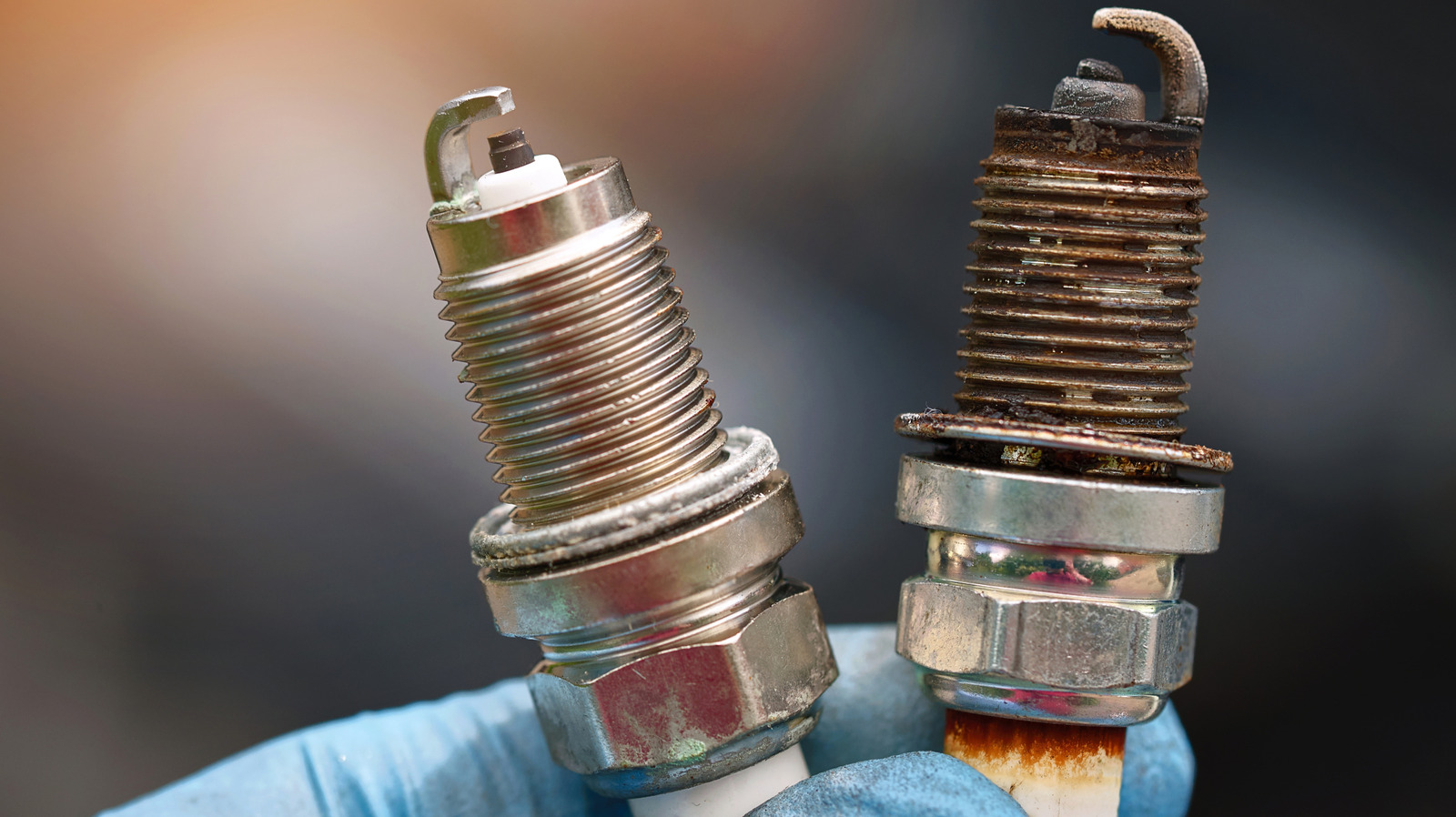
Start by removing the spark plug with a wrench. Look closely at the tip and body. A clean plug looks light tan or gray. Black, oily, or white deposits mean trouble. Cracks or chips on the ceramic insulator signal damage. Check for worn electrodes that look rounded or burnt.
Measuring Electrode Gap
Use a feeler gauge to measure the gap between electrodes. The correct gap size is in your vehicle manual. Insert the gauge blade between the electrodes gently. The blade should fit snugly without force. Too wide or narrow gaps cause poor engine performance.
Signs Of Corrosion Or Damage
Corrosion appears as rust or greenish buildup on metal parts. It affects spark plug function and ignition. Damaged plugs may have broken electrodes or melted areas. Sparks may jump inside cracks instead of the gap. Replace plugs showing corrosion or physical damage immediately.
Benefits Of Timely Replacement
Replacing spark plugs on time keeps your vehicle running smoothly. It helps avoid engine problems and saves money on repairs. Timely replacement brings many benefits that improve your car’s overall health and performance.
Improved Engine Performance
New spark plugs deliver a stronger, more consistent spark. This helps the engine start faster and run smoother. Your car will accelerate better and feel more responsive. Old plugs can cause misfires and rough idling, reducing power.
Better Fuel Efficiency
Fresh spark plugs burn fuel more completely. This means your engine uses less gas for the same power. You will notice fewer trips to the pump and lower fuel costs. Worn plugs waste fuel and reduce miles per gallon.
Reduced Emissions
Replacing spark plugs lowers harmful exhaust gases. Clean combustion reduces carbon monoxide and unburned fuel emissions. This helps your car pass emissions tests and is better for the environment. Dirty plugs cause incomplete burning, increasing pollution.
Diy Replacement Vs. Professional Service
Deciding between DIY spark plug replacement and professional service depends on your skills and comfort level. Some car owners enjoy the hands-on experience and save money by doing it themselves. Others prefer experts to ensure the job is done quickly and correctly. Knowing when to tackle the task yourself and when to seek help keeps your vehicle running smoothly.
When To Replace Spark Plugs Yourself
Replacing spark plugs yourself works well for simple, accessible engines. Basic tools and a repair manual are essential. You should feel comfortable using a socket wrench and following step-by-step instructions. Time and patience matter more than speed.
- Engine design allows easy access to spark plugs
- Basic toolset is available at home
- You have clear instructions or a repair guide
- The engine shows mild signs of spark plug wear
- You want to save money on labor costs
When To Seek Professional Help
Choose professional service for complex engines or unclear symptoms. Mechanics have the right tools and expertise for tricky spark plug locations. They can spot other engine problems during the replacement. Professionals also handle gaps and torque perfectly.
- Engine parts block easy spark plug access
- You lack the proper tools or experience
- Vehicle shows severe performance issues
- Engine requires precise spark plug gap settings
- Warranty coverage demands professional maintenance

Credit: www.reddit.com
Frequently Asked Questions
How Often Should Spark Plugs Be Replaced?
Spark plugs typically need replacement every 30,000 to 100,000 miles. Check your vehicle’s manual for exact intervals. Regular replacement ensures optimal engine performance and fuel efficiency.
What Are Signs Of Worn-out Spark Plugs?
Common signs include engine misfires, poor fuel economy, rough idling, and difficulty starting. Worn spark plugs reduce power and increase emissions.
Can Old Spark Plugs Damage My Engine?
Yes, old spark plugs can cause misfires and incomplete combustion. This leads to engine damage and decreased performance if not replaced timely.
Does Replacing Spark Plugs Improve Fuel Efficiency?
Replacing spark plugs restores proper ignition timing, improving fuel combustion. This enhances fuel efficiency and reduces emissions, saving money on gas.
Conclusion
Replacing spark plugs is essential for your car’s health. Ignoring them can lead to poor engine performance. Regular checks help spot issues early. Listen for engine misfires or starting problems. These signs mean it’s time to change. New spark plugs improve fuel efficiency and power.
Always follow the manufacturer’s recommendations. Regular maintenance keeps your car running smoothly. It saves money in the long run. Remember, a small investment now prevents bigger problems later. Keep your vehicle in top shape. Your car will thank you. Enjoy a smoother, more efficient drive.
Safe travels!





