Have you ever wondered how often you should replace your spark plugs? You might think they last forever, but the truth is, worn-out spark plugs can silently drag down your car’s performance and fuel efficiency.
If you want your engine running smoothly and avoid unexpected breakdowns, knowing when to change your spark plugs is key. Keep reading, and you’ll discover simple signs to watch for and the best timing to keep your vehicle in top shape.
Don’t let a small part cause big problems—your car will thank you!
When To Replace Spark Plugs
Knowing when to replace your spark plugs can save you from unexpected engine troubles and keep your car running smoothly. Spark plugs wear down over time, affecting your vehicle’s performance and fuel efficiency. Paying attention to specific signs and following guidelines can help you decide the right time for a replacement.
Signs Of Worn Spark Plugs
Worn spark plugs can cause your engine to misfire or hesitate during acceleration. You might notice rough idling or difficulty starting the car, especially on cold mornings. Another sign is a drop in fuel efficiency—if you’re filling up more often, your spark plugs could be the reason.
Pay attention to unusual engine noises or a decrease in overall power. If your check engine light turns on, it could also indicate spark plug issues. Have you ever felt your car lag just when you need it most? That hesitation often points to worn plugs.
Manufacturer Recommendations
Every car manufacturer provides specific guidelines on when to replace spark plugs. These recommendations are based on the type of spark plug and the engine design. Checking your owner’s manual is the best way to get accurate information tailored for your vehicle.
Some manufacturers suggest replacing spark plugs every 30,000 miles, while others recommend intervals as long as 100,000 miles. Ignoring these guidelines can lead to engine problems and costly repairs. Do you know the exact replacement schedule for your car?
Mileage Guidelines
Mileage is a straightforward way to track when spark plugs might need replacement. Traditional copper spark plugs usually last around 20,000 to 30,000 miles. On the other hand, platinum and iridium plugs can often go 60,000 to 100,000 miles before needing a change.
Using mileage as a guide helps you plan maintenance and avoid breakdowns. If you drive mostly in stop-and-go traffic or harsh conditions, consider checking your spark plugs more often. When was the last time you checked your spark plugs’ condition?
Credit: beachautomotive.com
Types Of Spark Plugs
Spark plugs come in different types, each made from various materials. These materials affect how long the spark plugs last and how well they perform. Knowing the types helps you pick the right spark plug for your vehicle. This can save money and improve engine efficiency.
Copper Spark Plugs
Copper spark plugs have a solid copper core. They conduct electricity very well. These plugs heat up quickly, which helps prevent fouling. They are affordable and work fine in older cars. But copper plugs wear out faster than others. Usually, they need replacement every 20,000 to 30,000 miles.
Platinum Spark Plugs
Platinum spark plugs have a platinum disc on the electrode tip. This makes them last longer than copper plugs. They resist wear and corrosion better. Platinum plugs provide stable performance and better fuel efficiency. Typically, they last about 60,000 miles before needing a change.
Iridium Spark Plugs
Iridium spark plugs use a very hard metal on the tip. This metal is stronger and lasts the longest. They create a strong, consistent spark for better engine power. Iridium plugs improve ignition and reduce fuel use. They can last up to 100,000 miles, making them the most durable option.
Factors Affecting Spark Plug Life
Understanding what affects the lifespan of your spark plugs can save you time and money. Spark plugs don’t wear out at the same rate for everyone. Several factors influence how often you need to replace them, and knowing these can help you maintain your engine’s performance effectively.
Driving Habits
Your driving style plays a major role in spark plug wear. Frequent short trips can cause incomplete combustion, leading to deposits building up on the plugs faster. On the other hand, steady highway driving tends to burn fuel more efficiently, extending spark plug life.
Do you often accelerate hard or idle for long periods? These habits increase stress on the spark plugs, causing them to degrade quicker. Adjusting how you drive can make a noticeable difference in how long your spark plugs last.
Engine Type
The type of engine your vehicle has impacts spark plug longevity. High-performance engines or turbocharged engines usually run hotter and put more strain on spark plugs. This means they might need replacing more frequently than those in standard engines.
For example, an older carbureted engine generally puts less stress on spark plugs compared to a modern direct injection engine. Understanding your engine’s requirements helps you plan maintenance intervals that fit your vehicle’s needs.
Fuel Quality
The quality of fuel you use directly affects spark plug life. Low-grade or contaminated fuel can leave deposits that clog spark plugs and reduce their efficiency. Consistently using high-quality fuel helps keep your spark plugs cleaner for longer.
Have you noticed rough idling or poor acceleration after filling up? It might be related to fuel quality impacting your spark plugs. Choosing the right fuel can protect your engine and reduce how often you need to replace spark plugs.
Credit: www.slashgear.com
Timing Tips For Replacement
Knowing exactly when to replace your spark plugs can save you from unexpected engine troubles and costly repairs. Timing your replacement right ensures your engine runs smoothly, maintains fuel efficiency, and avoids misfires. Let’s dive into some practical tips that can help you decide the perfect moment to swap out those spark plugs.
Checking Spark Plug Condition
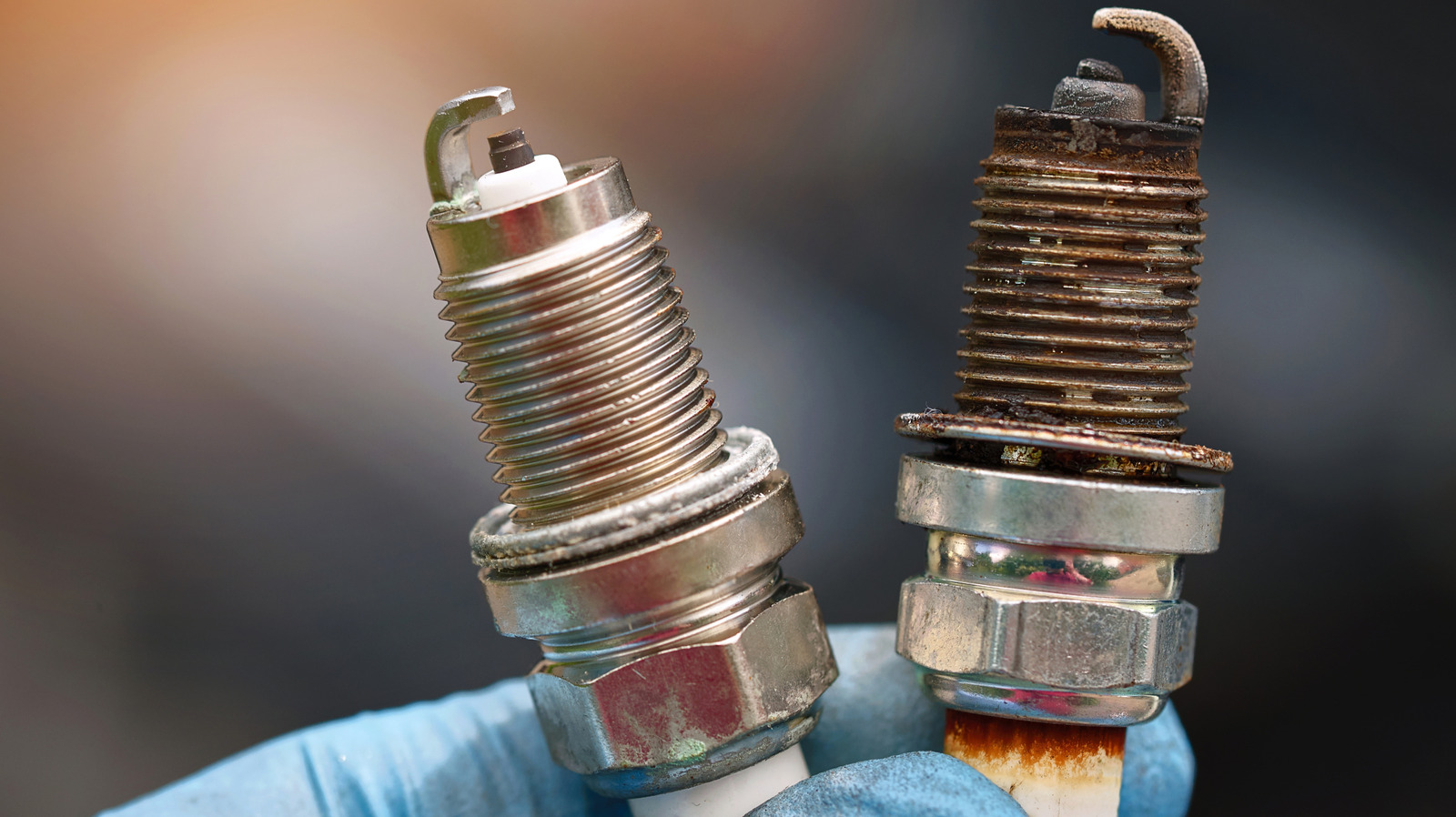
Start by visually inspecting your spark plugs. Look for signs like worn electrodes, heavy carbon deposits, or oil fouling. These issues often indicate the plug is struggling to create a strong spark.
Use a gap gauge to measure the electrode gap. If the gap is wider than your vehicle’s specifications, it can cause poor ignition. Checking the condition regularly can help you spot problems before they affect your engine’s performance.
Have you ever noticed your engine hesitating or feeling sluggish? That’s often a warning sign your spark plugs need attention.
Tools Needed
- Spark plug socket:Designed to grip the plug securely without damaging it.
- Ratchet wrench:Helps you loosen and tighten the plugs efficiently.
- Gap gauge:Measures the spark plug gap to ensure proper firing.
- Torque wrench:Ensures plugs are installed with the right tightness to avoid damage.
- Anti-seize lubricant:Optional, but useful to prevent plugs from seizing in the cylinder head.
Having these tools ready makes the replacement process smoother and reduces the risk of mistakes.
Proper Installation Techniques
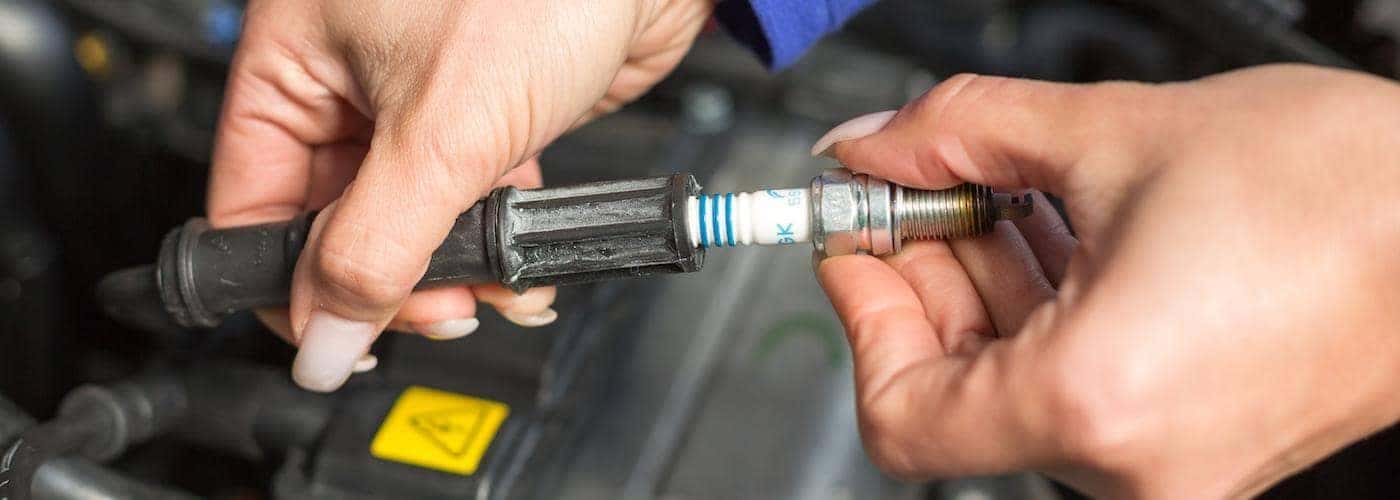
Before installing new spark plugs, double-check the gap to match your vehicle’s specifications. Tighten each plug by hand initially to avoid cross-threading. This simple step can prevent costly damage.
Use a torque wrench to tighten the plugs to the recommended torque setting. Over-tightening can crack the plug or damage the cylinder head, while under-tightening may cause poor engine performance.
Applying a small amount of anti-seize lubricant on the threads can help future removal, but don’t overdo it as it may affect torque readings. Have you ever struggled removing old spark plugs? This tip could save you that hassle next time.
Benefits Of Timely Spark Plug Replacement
Replacing spark plugs on time can make a big difference in how your car runs. It’s not just about avoiding breakdowns; timely replacement brings clear benefits that you’ll notice every time you drive. From saving money at the pump to keeping your engine running smoothly, spark plugs play a crucial role.
Improved Fuel Efficiency
Old or worn spark plugs cause incomplete combustion, which wastes fuel. When you replace them regularly, your engine burns fuel more efficiently. This means you get more miles per gallon, saving money and trips to the gas station.
Have you ever noticed your fuel gauge dropping faster than usual? It might be your spark plugs working harder than they should.
Enhanced Engine Performance
Fresh spark plugs provide a stronger, more consistent spark to ignite the fuel-air mix. This leads to smoother starts, quicker acceleration, and less engine hesitation. You’ll feel the difference, especially when merging onto highways or climbing hills.
Think about those times your car felt sluggish—chances are, worn spark plugs were partly to blame.
Reduced Emissions
Efficient combustion reduces harmful exhaust emissions. Worn spark plugs can cause unburned fuel to escape, increasing pollution. By keeping your spark plugs in good shape, you contribute to cleaner air and may even pass emissions tests more easily.
Isn’t it worth a small maintenance step to help the environment and avoid fines?
Common Mistakes To Avoid
Replacing spark plugs on time keeps your engine running smoothly. Many car owners make simple errors that reduce spark plug life. Avoiding these common mistakes saves money and improves performance.
Ignoring Warning Signs
Engine misfires, rough idling, and poor fuel economy often point to worn spark plugs. Ignoring these signs leads to bigger engine problems. Check spark plugs if your car shows these symptoms. Early replacement prevents damage and keeps your car efficient.
Over-tightening Spark Plugs
Too much force when installing spark plugs can crack the ceramic insulator. This causes misfires and engine damage. Use a torque wrench to tighten plugs to the manufacturer’s specs. Proper tightening ensures good contact without damage.
Using Incorrect Spark Plug Types
Different engines need specific spark plug types. Using the wrong heat range or size harms engine performance. Always choose plugs recommended by your vehicle’s manual. This ensures optimal combustion and longer spark plug life.
Credit: www.terrylabontechevy.com
Frequently Asked Questions
How Often Should Spark Plugs Be Replaced?
Spark plugs typically need replacement every 30,000 to 100,000 miles. Check your vehicle’s manual for exact intervals. Regular replacement ensures engine efficiency and prevents misfires.
What Are Signs Of Worn-out Spark Plugs?
Common signs include engine misfires, poor fuel economy, rough idling, and trouble starting. If you notice these, inspect and possibly replace your spark plugs promptly.
Can Bad Spark Plugs Affect Fuel Efficiency?
Yes, worn spark plugs reduce combustion efficiency. This causes your engine to consume more fuel, leading to decreased mileage. Replacing spark plugs can restore optimal fuel economy.
Are All Spark Plugs Replacement Intervals The Same?
No, intervals vary by vehicle and spark plug type. Iridium plugs last longer than copper ones. Always consult your car’s manual for specific guidelines.
Conclusion
Replacing spark plugs regularly ensures smooth engine performance. Check them every 30,000 miles. Different cars may have unique needs. Always consult your vehicle’s manual for guidance. Neglecting spark plugs can lead to engine troubles. Better safe than sorry, right? Regular maintenance saves money and headaches.
It keeps your vehicle running efficiently. So, don’t overlook those spark plugs. Remember, a well-maintained car lasts longer. Your vehicle deserves attention and care. Happy driving!





