
Are you wondering if your car’s spark plug wires need replacing? These small parts play a big role in keeping your engine running smoothly.
If your wires are old or worn out, your car might start misfiring, lose power, or even struggle to start. But how do you know the right time to swap them out before problems start? Keep reading, and you’ll learn the signs to watch for and why timely replacement can save you money and hassle down the road.
Your car’s performance depends on it.
Signs Of Worn Spark Plug Wires
Worn spark plug wires cause problems in car performance. Recognizing these signs helps avoid bigger engine troubles. Early detection saves time and money on repairs.
Engine Misfires And Rough Idling
Faulty spark plug wires cause engine misfires. The engine may run unevenly or shake when idling. This happens because the spark jumps weakly or not at all. Misfires reduce engine power and cause jerky driving.
Decreased Fuel Efficiency
Bad spark plug wires lead to poor fuel burning. The engine uses more fuel to run the same distance. You may notice more frequent trips to the gas station. This wastes money and harms the environment.
Visible Wear And Damage
Check spark plug wires for cracks, burns, or corrosion. Damaged wires lose their ability to carry electricity properly. Look for worn insulation or exposed wire inside. Replace wires showing any visible defects to maintain engine health.
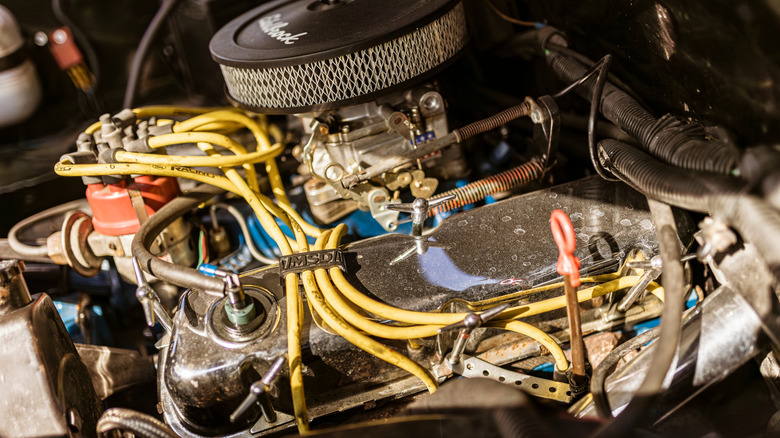
Credit: www.slashgear.com
Recommended Replacement Intervals
Knowing the right time to replace your spark plug wires can save you from unexpected engine problems and costly repairs. Recommended replacement intervals give you a clear idea of when to act, helping maintain your vehicle’s performance. These intervals depend on several factors, including what your vehicle’s manufacturer suggests and how you use your car daily.
Manufacturer Guidelines
Car makers usually provide a replacement schedule in your owner’s manual. This schedule often ranges between 30,000 and 50,000 miles for spark plug wires. Following these guidelines can prevent issues like misfires or rough idling before they start.
However, not all manufacturers use the same intervals. Some modern vehicles with advanced ignition systems might have wires that last up to 100,000 miles. Checking your manual ensures you don’t replace wires too early or wait too long.
Impact Of Driving Conditions
Your driving habits affect how quickly spark plug wires wear out. If you frequently drive in stop-and-go traffic, dusty roads, or extreme temperatures, your wires face more stress. This can cause cracks or corrosion faster than usual.
Think about how often you drive and where. Are you mostly on highways or city streets? Do you live in a place with harsh winters or hot summers? These factors might mean you need to replace your wires sooner than the manufacturer’s suggested interval.
Differences Between Wire Types
Spark plug wires come in various materials and designs, which influence their lifespan. Copper-core wires conduct electricity well but tend to wear out quicker, usually needing replacement around 30,000 miles. On the other hand, wires with spiral or carbon cores can last longer, sometimes up to 60,000 miles or more.
Understanding the type of wires in your vehicle helps you set realistic expectations. If you recently upgraded to high-performance wires, you might enjoy a longer replacement interval. Have you checked what type of wires your car uses?
Testing Spark Plug Wires At Home
Testing spark plug wires at home helps find problems early. It keeps your engine running smoothly. Simple tools and careful checks reveal if wires need replacing. You do not need special skills or equipment. Just follow clear steps to test your wires effectively.
Using A Multimeter
A multimeter measures the electrical resistance of spark plug wires. Set the device to the ohms (Ω) setting. Remove the wire from the spark plug and distributor. Touch each multimeter probe to the wire ends. A low resistance reading means the wire is good. High resistance or no reading signals a bad wire.
Inspecting For Physical Damage
Look closely at each wire for cracks, burns, or wear. Check for melted spots or exposed metal. Feel along the wire for soft or brittle areas. Damaged wires can cause misfires and poor engine performance. Replace wires showing any damage to avoid engine trouble.
Checking For Electrical Leakage
Electrical leakage happens when current escapes from the wire. It can cause engine misfires and poor fuel efficiency. Test this by running the engine in a dark area. Watch for sparks or flashes near the wires. You can also use a spark tester device. Leakage means the wire insulation is failing and needs replacement.

Credit: beachautomotive.com
Benefits Of Timely Replacement
Replacing spark plug wires on time keeps your car running smoothly. Old wires can cause engine problems and lower performance. Changing them regularly helps avoid bigger repairs and saves money.
Improved Engine Performance
New spark plug wires deliver strong, consistent sparks. This helps the engine start easily and run without misfires. Smooth engine operation means better power and less rough idling. Your car feels more responsive on the road.
Better Fuel Economy
Fresh wires improve the burning of fuel in the engine. Efficient combustion means the engine uses less gas. This lowers fuel costs and reduces the need to fill up often. Good fuel economy also extends the life of your car.
Reduced Emissions
Proper spark timing lowers harmful gas release. New wires help the engine burn fuel completely. This means fewer pollutants come out of the exhaust. Cleaner emissions protect the environment and help pass inspections.
Choosing Quality Spark Plug Wires
Choosing quality spark plug wires impacts your engine’s performance and durability. Poor wires can cause weak sparks and engine misfires. Good wires deliver strong, consistent sparks. This keeps your engine running smoothly and efficiently. Understanding your options helps you pick the best wires for your vehicle.
Oem Vs Aftermarket Options
OEM (Original Equipment Manufacturer) wires come from the vehicle maker. They match factory standards exactly. Aftermarket wires are made by other companies. They often cost less but vary in quality. OEM wires fit perfectly and work well with your engine. Aftermarket wires can offer good value but need careful selection. Check reviews and brand reputation before buying.
Material And Construction Differences
Wire materials affect durability and spark quality. Silicone insulation resists heat and chemicals better than rubber. Copper cores conduct electricity well but may wear faster. Carbon cores reduce radio interference but can degrade quicker. Kevlar or fiberglass reinforcements add strength. Look for wires with good insulation and strong cores. This ensures long life and reliable performance.
Price Vs Longevity
Cheap wires save money but may wear out fast. High-quality wires cost more upfront but last longer. Investing in quality reduces repairs and downtime. Consider how long you want the wires to last. Balance initial cost with expected durability. Spending a bit more often saves money in the long run.
Diy Replacement Tips
Replacing spark plug wires yourself can save money and give you a better understanding of your vehicle’s engine. It’s not as complicated as it might seem, but having the right tools and following precise steps is key. Are you ready to give your car a quick tune-up and boost its performance?
Tools Needed
- Spark plug wire puller:Helps remove wires without damaging them.
- Socket wrench set:Needed to remove spark plugs if you plan to check them.
- Dielectric grease:Protects connections and ensures a good seal.
- Replacement spark plug wires:Make sure they match your vehicle’s specifications.
- Rag or cloth:To clean the area around the spark plugs before installing new wires.
Step-by-step Removal
Start by working on one wire at a time to avoid mixing up the firing order. Grasp the boot firmly at the end of the wire and twist gently before pulling it off. Avoid pulling on the wire itself as this can cause internal damage.
Inspect the wire for cracks, burns, or corrosion that might have caused misfires. If you notice oil or dirt around the connection, clean it with a rag. Taking your time here prevents mistakes and keeps your engine running smoothly.
Installing New Wires Correctly
Match the length of each new wire to the old one before installation to avoid routing issues. Apply a small amount of dielectric grease inside the boot to improve conductivity and prevent moisture buildup.
Push the boot onto the spark plug until you feel a firm click or resistance—this confirms a secure connection. Route the wires along the original paths, using any clips or guides to keep them away from hot engine parts and moving components.
Have you checked if your engine runs smoother after the replacement? Sometimes, just replacing these wires can solve rough idling or poor acceleration problems.

Credit: simonsautorepairtaunton.com
Frequently Asked Questions
When Do Spark Plug Wires Need Replacement?
Spark plug wires usually need replacement every 30,000 to 50,000 miles. Signs include engine misfires, rough idling, or poor fuel efficiency. Regular checks help maintain engine performance and avoid costly repairs.
How To Identify Faulty Spark Plug Wires?
Faulty wires cause engine misfires, slow acceleration, or rough idle. Visible damage like cracks or corrosion also indicates replacement. Use a spark tester or consult a mechanic for accurate diagnosis.
What Happens If Spark Plug Wires Fail?
Failing wires reduce engine power and fuel efficiency. They can cause misfires, increased emissions, and hard starts. Ignoring issues may lead to engine damage or costly repairs.
Can I Replace Spark Plug Wires Myself?
Yes, replacing wires is doable with basic tools and knowledge. Follow the vehicle manual for wire order and proper installation. If unsure, consult a professional to avoid engine issues.
Conclusion
Replacing spark plug wires is essential for engine health. Worn wires can cause misfires, reduced fuel efficiency, and rough idling. Check wires regularly for damage or wear. Cracks, stiffness, or corrosion indicate the need for replacement. Ignoring these signs can lead to costly repairs.
Always refer to your vehicle’s manual for specific guidelines. Choose quality wires for optimal performance. Regular maintenance ensures your car runs smoothly and efficiently. Stay proactive, and you’ll keep your engine in top shape. Remember, good spark plug wires mean a happy engine.
Keep them fresh for a reliable ride.





