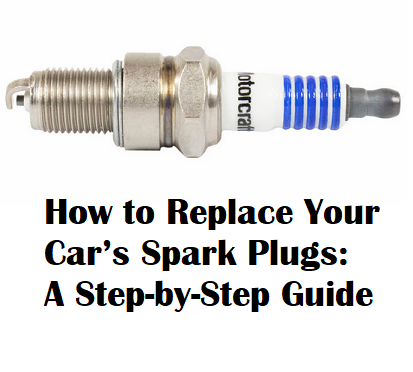
If you’ve ever felt unsure about how to remove a spark plug, you’re not alone. It might seem tricky, but with the right steps, you can do it quickly and safely.
Knowing how to remove a spark plug can save you time and money on car repairs. Plus, it gives you more control over your vehicle’s maintenance. You’ll discover simple, clear instructions that anyone can follow. Ready to learn a skill that makes your car care easier?
Keep reading, and you’ll be removing spark plugs like a pro in no time.

Credit: www.youtube.com
Tools You Need
Removing a spark plug might seem straightforward, but having the right tools makes the process smoother and safer. Without the proper equipment, you risk damaging the spark plug or the engine itself. Let’s break down the essential tools you’ll need to get the job done efficiently.
Spark Plug Socket
The spark plug socket is a specialized tool designed to fit snugly around the spark plug. It usually has a rubber insert or a magnetic feature that grips the plug securely, preventing it from dropping once loosened.
Choosing the correct size is crucial—most spark plugs require a 5/8-inch or 13/16-inch socket. Using a regular socket can slip and damage the plug, so invest in a quality spark plug socket for a hassle-free experience.
Ratchet And Extensions
A ratchet provides the leverage you need to loosen or tighten spark plugs effectively. Sometimes, spark plugs sit deep in the engine, making them hard to reach.
Extensions help bridge the gap between the ratchet and the spark plug socket, allowing you to work comfortably in tight spaces. Having a few different lengths on hand can save you from awkward hand positions and potential slips.
Torque Wrench
Over-tightening or under-tightening a spark plug can cause engine problems. A torque wrench ensures you apply the exact amount of force recommended by your vehicle’s manufacturer.
Using this tool prevents stripped threads and improves engine performance. If you’ve ever stripped a plug thread or had to redo the job, you know how valuable a torque wrench can be.
Other Helpful Tools
- Dielectric Grease:Applying a small amount on the spark plug threads can make removal easier next time and prevent corrosion.
- Compressed Air:Blowing out debris around the spark plug before removal keeps dirt from falling into the cylinder.
- Gap Gauge:Checking and adjusting the spark plug gap ensures optimal spark and engine efficiency.
- Gloves and Safety Glasses:Protect your hands and eyes while working under the hood.
Have you ever struggled with a stuck spark plug? These tools can make all the difference between a quick fix and a frustrating ordeal.
Preparing Your Vehicle
Before you dive into removing a spark plug, proper preparation is key to avoid damage and make the process smoother. Taking a moment to set up your vehicle correctly can save you time and frustration. Let’s look at the essential steps you need to take to prepare your vehicle for spark plug removal.
Ensuring Engine Coolness
Never try to remove spark plugs from a hot engine. Heat can cause the metal parts to expand, increasing the risk of damaging the spark plug or the cylinder head. Wait at least 30 minutes after turning off your engine to allow it to cool down completely.
Have you ever rushed this step and ended up stuck with a broken spark plug? It’s not just inconvenient—it can lead to costly repairs. Patience here prevents those headaches.
Locating Spark Plugs
Finding your spark plugs can be tricky, especially if you haven’t worked on your engine before. Most cars have them located on the cylinder head, connected to thick wires or ignition coils.
Check your vehicle’s manual or look for a diagram online specific to your car model. Knowing exactly where each spark plug sits helps you plan your approach and gather the right tools.
Cleaning The Area
Before you pull out the spark plugs, clean the surrounding area thoroughly. Dirt and debris can fall into the cylinder once the plug is removed, causing serious engine problems.
Use a brush or compressed air to clear dust and grime around each plug. This simple step protects your engine and keeps the workspace tidy, making the removal process easier.
Removing The Spark Plug Wire
Removing the spark plug wire is a crucial step before you can safely take out the spark plug itself. If you pull the wire incorrectly, you risk damaging the wire or the spark plug connector. Taking a moment to handle this carefully can save you time and money on repairs.
Identifying The Wire
First, locate the spark plug wire attached to the spark plug. It usually looks like a thick, rubber-coated cable that connects to the top of the spark plug. You might notice a boot or cap at the end of the wire—this is the part you’ll need to remove.
Check if the wire has any clips or locks holding it in place. Some vehicles have wires bundled together, so knowing exactly which wire belongs to which spark plug can prevent confusion. If you’re unsure, tracing the wire back to the distributor or ignition coil can help.
Proper Removal Technique
Never yank the wire by pulling on the cable itself. Gripping the boot firmly at the base where it connects to the spark plug is key. Twist the boot gently back and forth to loosen it, then pull straight off.
Using a spark plug wire puller tool can make this easier, especially if the boot feels stuck. If the wire resists, try applying a little penetrating oil around the base, wait a few minutes, and try again. Have you ever tried pulling a wire too hard and ended up with a costly repair? Avoid that by being patient and gentle.
Unscrewing The Spark Plug
Unscrewing the spark plug is a crucial part of the removal process. It requires the right tools and a careful approach to avoid damaging the plug or your engine. Getting this step right ensures smooth maintenance and saves you time and frustration.
Using The Socket And Ratchet
Grab a spark plug socket that fits snugly over the plug. The socket should have a rubber insert or a magnet to hold the plug securely as you turn it. Attach the socket to a ratchet handle for better control and leverage.
Turn the ratchet counterclockwise to loosen the spark plug. Use steady, even pressure to avoid stripping the threads. If the plug feels stuck, don’t force it—try gently rocking the ratchet back and forth to break it free.
Avoiding Damage
Applying too much force or using the wrong tools can damage the spark plug or the engine’s cylinder head. Always ensure the socket fits perfectly to prevent rounding off the plug’s hex head.
Be mindful of the plug’s condition as you remove it. If it resists, consider spraying a penetrating lubricant and waiting a few minutes before trying again. Have you ever stripped a spark plug? Taking your time here can prevent costly mistakes.
Inspecting The Spark Plug
After removing the spark plug, inspecting it is crucial for your engine’s health. Careful examination helps spot problems early. It also tells you if the spark plug works well or needs changing.
Checking For Wear And Deposits
Look at the spark plug’s tip closely. Check for worn or rounded electrodes. These signs show the spark plug is old. Dirt and carbon deposits can cover the tip. A light tan or gray color is normal. Black, oily, or sooty deposits mean engine trouble. Cracks or chips on the insulator also indicate damage.
Deciding On Replacement
Replace the spark plug if you see severe wear or heavy deposits. Also change it if the electrode is damaged or the gap is too wide. A clean, lightly worn spark plug can be reused. Always check your vehicle’s manual for recommended spark plug intervals. Using the right spark plug keeps your engine running smooth and efficient.

Credit: shop.advanceautoparts.com
Tips For Reinstalling
Reinstalling a spark plug correctly helps your engine run smoothly. Taking small steps during this process prevents damage and improves performance. Each part of the reinstallation requires care and attention to detail.
Cleaning The Threads
Clean the spark plug threads before reinstalling. Use a wire brush or thread cleaner to remove dirt and rust. Clean threads ensure a tight fit and proper heat transfer. Avoid cross-threading by cleaning carefully and inspecting the threads for damage.
Proper Tightening
Tighten the spark plug with the right torque. Over-tightening can strip the threads or break the plug. Under-tightening causes poor contact and engine misfires. Use a torque wrench or follow the manufacturer’s recommended tightness.
Reattaching The Wire
Attach the spark plug wire firmly to the plug. A loose connection causes weak sparks and engine problems. Push the boot on until you hear a click or feel it snap in place. Check the wire for cracks or wear before reconnecting.
Common Mistakes To Avoid
Removing a spark plug might seem simple, but many people stumble over avoidable errors. These mistakes can lead to damage, wasted time, or even injury. Knowing what to watch out for helps you get the job done right the first time.
Cross-threading
Cross-threading happens when the spark plug is screwed in at the wrong angle. It damages both the spark plug and the cylinder head threads, causing costly repairs. Always start threading by hand and feel for smooth engagement before using a wrench.
If you sense resistance or roughness early on, stop immediately. Trying to force it usually makes the problem worse. Have you ever tried tightening something only to realize later it was misaligned? That’s exactly what happens here.
Over-tightening
It’s tempting to tighten the spark plug as much as possible, thinking it secures better. However, over-tightening can strip threads or even crack the spark plug. Use a torque wrench if possible, or follow the manufacturer’s recommended tightness.
Imagine tightening a bolt so hard it breaks the part you’re fixing—that’s what happens with spark plugs too. If you don’t have a torque wrench, snug it firmly but avoid excessive force. Your hands can often sense the right tightness better than you think.
Neglecting Safety
Safety often gets overlooked during simple tasks. Never attempt to remove spark plugs when the engine is hot—burns are common and painful. Also, disconnect the battery to avoid accidental electric shocks.
Wear gloves to protect your hands from sharp edges and debris. Have you ever ignored safety precautions only to regret it later? Taking a few simple steps protects you and keeps the process smooth.

Credit: www.youtube.com
Frequently Asked Questions
How Do You Safely Remove A Spark Plug?
First, disconnect the battery to avoid shocks. Use a spark plug socket and ratchet for a secure grip. Turn counterclockwise gently to loosen. Avoid using excessive force to prevent thread damage. Clean the area before removal to keep debris out.
What Tools Are Needed To Remove A Spark Plug?
You need a ratchet wrench, spark plug socket, and an extension bar. A torque wrench helps when reinstalling. Optionally, use a spark plug gap gauge for checking. These tools make removal safe and efficient, preventing damage to the plug or engine.
How Often Should Spark Plugs Be Replaced?
Typically, replace spark plugs every 30,000 to 100,000 miles. Check your vehicle’s manual for exact intervals. Worn plugs reduce engine efficiency and cause misfires. Regular replacement ensures smooth engine performance and better fuel economy.
Can You Remove Spark Plugs Without A Socket Wrench?
It is not recommended to remove spark plugs without a socket wrench. Using improper tools risks damaging the plug or engine threads. A spark plug socket is designed to fit snugly and apply even torque safely.
Conclusion
Removing a spark plug is a straightforward task. Follow each step carefully. First, gather your tools. Then, disconnect the spark plug wire. Turn the spark plug counter-clockwise with a wrench. Remove it gently. Inspect for wear or damage. Replace if necessary.
Always ensure the new spark plug is compatible. Tighten it by hand first. Then use a wrench to secure. Reconnect the spark plug wire firmly. Regular maintenance ensures smooth engine performance. Now, you’re ready to handle spark plugs confidently. Practice makes perfect.
Enjoy smoother drives with a well-maintained engine. Keep learning, and your car will thank you.





