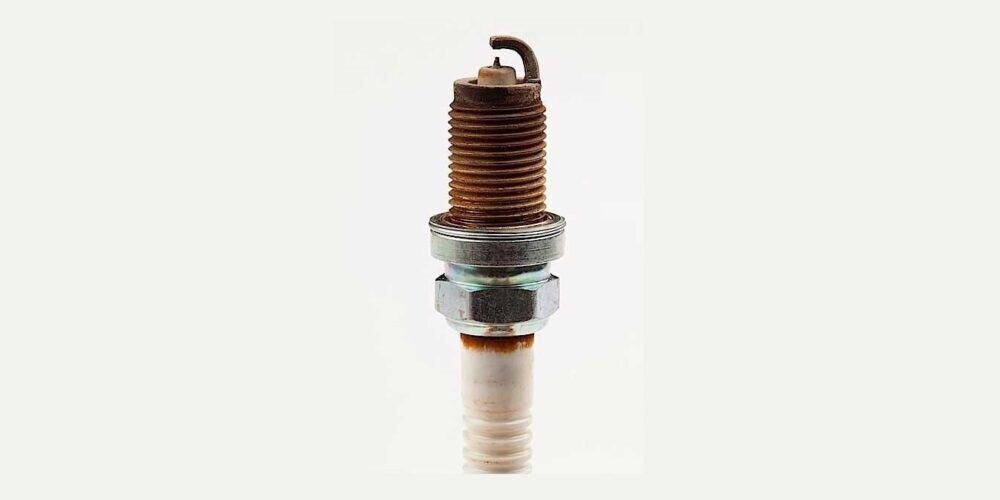
Have you ever wondered what your spark plugs should look like when they’re in good shape? If you’re like many car owners, you might not pay much attention to them—until a problem pops up.
But knowing what a healthy spark plug looks like can save you from unexpected engine trouble and costly repairs. You’ll discover the simple signs that show your spark plugs are doing their job right, and how to spot the warning signals before they cause damage.
Keep reading to learn what to look for and keep your engine running smoothly.

Credit: www.toyotanation.com
Spark Plug Basics
Spark plugs play a vital role in your vehicle’s engine. They create the spark that ignites the fuel-air mixture. This ignition powers your car and keeps it running smoothly. Knowing the basics helps you spot issues early. Understanding what spark plugs look like and how they work is the first step.
Key Components
- Center Electrode:Conducts electricity to create the spark.
- Ground Electrode:Positioned near the center electrode for the spark to jump.
- Insulator:Made of ceramic, it surrounds the center electrode to prevent electrical shorts.
- Metal Shell:Screws into the engine and provides grounding.
- Gasket:Seals the spark plug to the engine cylinder head.
Types Of Spark Plugs
- Copper Spark Plugs:Affordable and good for older vehicles.
- Platinum Spark Plugs:Last longer and resist wear better.
- Double Platinum Spark Plugs:Have platinum on both electrodes for longer life.
- Iridium Spark Plugs:Durable and offer better performance.
- Silver Spark Plugs:Conduct heat well, used in high-performance engines.

Credit: www.reddit.com
Ideal Spark Plug Appearance
The ideal spark plug appearance shows signs of healthy engine performance. A spark plug in good condition helps the engine run smoothly. Visual checks can reveal how well the engine burns fuel. Clear clues appear on the spark plug’s color, shape, and wear.
These clues help detect problems early. A quick glance at the spark plug can save costly repairs. Knowing what to expect keeps your car running strong.
Color Indicators
The best spark plugs have a light tan or grayish color on the insulator. This color means the fuel mixture burns properly. A clean, pale brown shade shows normal combustion. Dark black soot means the engine runs too rich, or there is oil burning. White or blistered insulators indicate overheating or lean fuel mixture. Consistent color across plugs tells you the engine is balanced.
Electrode Condition
Electrodes should be sharp and intact. Rounded or worn electrodes reduce spark quality. Excessive wear leads to poor ignition and misfires. Small deposits on electrodes are normal. Large buildup or damage means the plug needs replacement. Proper gap size between electrodes supports strong sparks. Check the gap with a tool to keep it right.
Insulator Shape
The insulator nose must be smooth and free of cracks. Cracks or chips cause misfires and poor engine start. The shape should be symmetrical without melting signs. A glazed or shiny surface on the insulator shows overheating. Proper insulator shape protects the spark and engine parts. Damage signals urgent need for a new spark plug.
Signs Of Wear And Damage
Recognizing the signs of wear and damage on your spark plugs can save you from costly repairs and improve your vehicle’s performance. Spark plugs that look different from the norm often indicate underlying engine problems. Paying attention to these signs helps you decide when it’s time for a replacement or professional inspection.
Carbon Fouling
Carbon fouling appears as a dry, black, soot-like coating on the spark plug’s tip. This buildup usually means your engine is running too rich, burning too much fuel, or the spark plug heat range is too cold. If you notice this, your engine may misfire or run roughly, affecting fuel efficiency.
Oil Deposits
Oil deposits show up as wet, oily grime on the spark plug’s insulator and electrode. This often points to oil leaking into the combustion chamber, possibly from worn piston rings or valve guides. Noticing oil on your plugs means you should check your engine’s seals and address leaks promptly.
Electrode Erosion
Electrode erosion means the metal parts of the spark plug, especially the center and ground electrodes, look worn down or rounded. This wear reduces the spark’s strength and can cause poor engine performance or hard starts. If your spark plug electrodes look eroded, it’s a clear sign they’ve passed their lifespan.
Cracked Insulator
A cracked insulator looks like visible fractures or chips in the ceramic part of the spark plug. This damage can cause misfires because the spark might jump to the wrong place. If you spot cracks, replace the spark plug immediately to avoid further engine issues.
Effects Of Poor Spark Plug Condition
Poor spark plug condition can create a chain reaction of problems for your vehicle. It’s not just about a rough start or occasional misfire; the effects ripple through your engine’s performance, fuel consumption, and emissions. Recognizing these signs early can save you from costly repairs and keep your car running smoothly.
Engine Performance Issues
Worn or dirty spark plugs struggle to ignite the air-fuel mixture properly. This leads to misfires, rough idling, and hesitation during acceleration. You might notice a lack of power when you press the gas pedal or hear unusual knocking sounds.
Have you ever felt your car hesitate just as you’re merging onto the highway? That could be your spark plugs failing to deliver a consistent spark. Ignoring these symptoms can strain other engine parts, causing even bigger headaches down the road.
Fuel Efficiency Impact
Faulty spark plugs cause incomplete combustion, which means your engine burns more fuel to produce the same power. You’ll notice your gas tank empties faster than usual, costing you more at the pump.
Tracking your fuel mileage regularly can help you spot this problem early. If your miles per gallon drop suddenly without any change in your driving habits, check your spark plugs first before blaming other components.
Emission Problems
Incomplete combustion also increases harmful emissions from your exhaust. This can make your vehicle fail emissions tests and contribute to air pollution.
Besides environmental concerns, excess emissions can trigger your car’s check engine light. If you see this warning, don’t delay inspecting your spark plugs—they could be the root cause behind the elevated emissions.
Maintenance Tips
Maintaining spark plugs is essential for your engine’s smooth performance. Regular care helps avoid misfires and poor fuel efficiency. Simple checks and cleaning can extend their life and keep your vehicle running well.
Inspection Frequency
Check spark plugs every 30,000 miles or as your vehicle manual suggests. Frequent inspection helps spot wear or buildup early. More frequent checks may be needed if you drive in dusty or rough conditions.
Cleaning Methods
Remove dirt and carbon deposits gently with a wire brush. Avoid harsh tools that can damage the plug’s surface. Use a spray cleaner made for spark plugs to remove stubborn grime. Ensure the plug is dry before reinstalling.
Replacement Guidelines
Replace spark plugs if electrodes are worn or if the ceramic insulator cracks. Follow the manufacturer’s recommended replacement interval for best results. Use the correct type and gap size for your engine. Proper installation ensures good engine performance and fuel savings.

Credit: www.reddit.com
Choosing The Right Spark Plug
Choosing the right spark plug can make a big difference in how your engine runs. Picking the wrong type might cause poor performance or even damage. Understanding a few key factors helps you find the perfect match for your vehicle.
Manufacturer Recommendations
Your vehicle’s manufacturer knows best what spark plugs work well with your engine. Check the owner’s manual or the manufacturer’s website for specific spark plug models they suggest. Using recommended plugs ensures compatibility and keeps your warranty intact.
I once ignored this advice and used cheaper spark plugs not listed by the manufacturer. The engine started misfiring, and I had to spend more time and money fixing the problem than I saved initially.
Material Options
Spark plugs come in different materials like copper, platinum, and iridium. Copper plugs are affordable but wear out faster. Platinum and iridium plugs last longer and provide better performance but cost more upfront.
Think about your driving habits and budget. If you drive a lot or want less maintenance, investing in iridium plugs might save you hassle over time.
Heat Range Importance
The heat range of a spark plug tells you how fast it can transfer heat from the tip to the engine head. A plug that runs too hot can cause pre-ignition, while one that runs too cold may foul easily. Choosing the right heat range keeps your engine running smoothly.
Ask yourself: Are you driving in extreme conditions or modifying your engine? Adjusting the heat range accordingly can prevent costly engine issues and improve fuel efficiency.
Frequently Asked Questions
What Color Should A Healthy Spark Plug Be?
A healthy spark plug typically has a light tan or grayish color. This indicates proper combustion and engine performance. Dark black or oily deposits suggest problems like rich fuel mixture or oil leaks.
How Can I Tell If My Spark Plug Is Worn?
Worn spark plugs show signs like eroded electrodes, excessive gap, or cracked insulator. These issues reduce engine efficiency and can cause misfires. Regular inspection helps identify wear early.
What Does A Black Spark Plug Indicate?
A black spark plug usually means carbon fouling from a rich fuel mixture or weak ignition. It can cause poor fuel economy and rough engine running. Cleaning or replacing is often necessary.
When Should Spark Plugs Be Replaced?
Spark plugs should be replaced every 30,000 to 100,000 miles, depending on type and manufacturer. Signs like misfires, rough idling, or hard starts also indicate replacement is needed.
Conclusion
Spark plugs reveal much about your engine’s health. A clean, light brown color indicates normal function. Black or oily plugs suggest issues needing attention. Examine your spark plugs regularly. Replace them if worn or damaged. Doing so ensures your engine runs smoothly.
Proper maintenance enhances vehicle performance and longevity. Keep an eye out for unusual wear or buildup. This helps prevent costly repairs down the road. Regular checks keep your car in top shape. Safe and efficient driving relies on well-maintained spark plugs.
Prioritize their care for a better ride experience.





