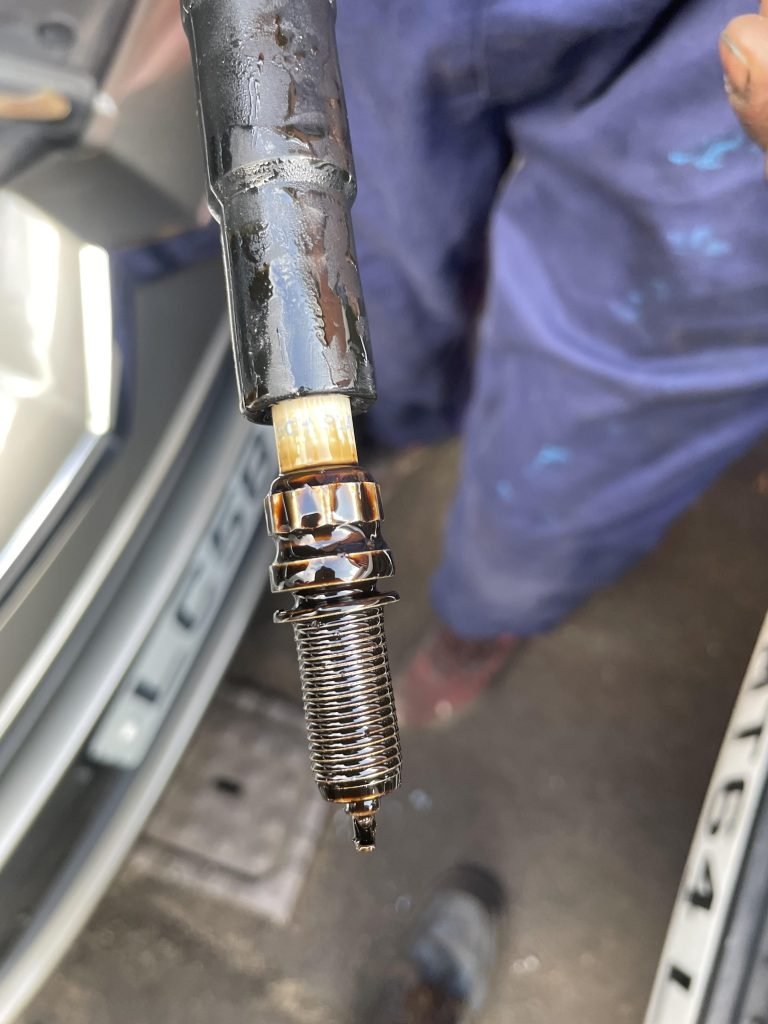
Have you ever pulled out a spark plug and noticed it covered in oil? Finding oil on your spark plugs can be confusing and worrying.
You might wonder what’s causing it and if it means trouble for your engine. Understanding why oil gets on your spark plugs is key to fixing the problem before it leads to costly repairs. You’ll discover the common reasons behind oil in your spark plugs and what you can do to protect your car’s performance.
Keep reading—your engine will thank you.

Credit: www.odyclub.com
Common Causes Of Oil In Spark Plugs
Oil on spark plugs signals a problem inside the engine. This issue causes poor engine performance, misfires, and increased emissions. Understanding common causes helps in early detection and repair. Below are typical reasons why oil appears on spark plugs.
Worn Valve Stem Seals
Valve stem seals stop oil from leaking into the combustion chamber. When these seals wear out, oil seeps past and coats the spark plugs. This leads to oily deposits that disrupt spark plug function.
Damaged Piston Rings
Piston rings keep oil out of the combustion area. Damaged or worn rings allow oil to enter the cylinder. This oil then fouls the spark plugs, causing misfires and rough engine running.
Faulty Cylinder Head Gasket
A cylinder head gasket seals the engine block and cylinder head. A failure here lets oil leak into the combustion chamber. This contamination affects spark plugs and reduces engine efficiency.
Cracked Engine Block Or Cylinder Head
Cracks in the engine block or cylinder head allow oil to escape into the combustion area. The oil mixes with fuel and deposits on spark plugs. This causes poor ignition and engine performance.
Overfilled Engine Oil
Too much engine oil increases pressure inside the crankcase. This pressure can push oil into the combustion chamber. Overfilled oil leads to spark plug fouling and engine issues.
Symptoms Of Oil Contamination
Oil contamination in spark plugs causes several noticeable problems. These symptoms affect engine performance and vehicle reliability. Recognizing these signs early helps prevent costly repairs and keeps the engine running smoothly.
Engine Misfires
Oil on spark plugs can cause weak or no sparks. This leads to engine misfires during driving. Misfires make the engine run rough and uneven. You might feel jerking or hesitation when accelerating.
Reduced Fuel Efficiency
Oil fouling in spark plugs lowers combustion quality. The engine burns more fuel to compensate for poor ignition. This results in lower miles per gallon. Fuel costs increase without obvious reasons.
Blue Smoke From Exhaust
Burning oil creates blue or gray smoke from the exhaust pipe. This smoke appears especially during engine start or acceleration. It signals oil leaking into the combustion chamber. Ignoring this can cause serious engine damage.
Difficulty Starting Engine
Oil-contaminated spark plugs struggle to create a strong spark. Starting the engine becomes harder, especially in cold weather. The engine may crank longer or fail to start at all. This symptom often appears before other issues.
Diagnosing Oil In Spark Plugs
Diagnosing oil in the spark plugs is key to understanding the root cause of engine trouble. Spotting oil where it shouldn’t be can point to several potential issues, but you need clear signs to confirm it. Let’s walk through practical ways to check if oil is affecting your spark plugs and what that means for your vehicle.
Visual Inspection Techniques
Start by removing the spark plugs and looking closely at them. Oil-contaminated plugs will appear wet, dark, and oily instead of clean and dry. You might notice a shiny coating on the electrode or deposits that won’t burn off easily.
Checking each plug individually helps identify if the problem is isolated to one cylinder or spread across multiple. This can hint at specific engine problems like worn piston rings or valve seals. Have you seen a spark plug that looks more like a greasy mess than a clean ignition tool?
Compression Test
A compression test measures the pressure inside each cylinder during the engine’s compression stroke. Low compression in one or more cylinders often signals worn piston rings or damaged valves allowing oil to seep into the combustion chamber.
This test requires a compression gauge and a bit of mechanical know-how, but it’s effective for ruling out internal engine wear. If your spark plugs are oily and compression is low, it’s a strong clue that oil is leaking past worn components.
Leak-down Test
The leak-down test complements the compression test by precisely measuring how much air escapes from the cylinder. This helps pinpoint the exact source of leaks—whether it’s the piston rings, valves, or head gasket.
By pressurizing the cylinder and listening for escaping air, you can detect oil passage points causing the spark plug fouling. This detailed insight guides you toward the right repairs without guesswork.
Oil Level Check
Sometimes the cause is simpler than internal engine damage. An overfilled oil reservoir can force oil into places it shouldn’t reach, including the spark plugs. Checking your oil level with the dipstick is quick and easy.
Keeping oil at the recommended level prevents excessive pressure and leakage. Have you checked your oil level lately? It might save you from unnecessary repairs.
Effective Repair Solutions
Oil in the spark plugs signals a problem that needs fixing fast. Left unchecked, it can cause engine misfires and poor performance. Effective repair solutions target the root cause of oil leakage. These fixes restore engine health and prevent further damage. Understanding each repair helps you choose the right one for your vehicle.
Replacing Valve Stem Seals
Valve stem seals stop oil from leaking into the combustion chamber. Worn seals allow oil to enter and foul spark plugs. Replacing these seals removes the oil source. The repair improves engine performance and reduces smoke from the exhaust. It requires disassembling parts of the cylinder head.
Installing New Piston Rings
Piston rings seal the combustion chamber and control oil flow. Damaged rings let oil pass and coat the spark plugs. Installing new rings restores the seal and stops oil leaks. This repair often needs engine removal and thorough cleaning. It also improves compression and fuel efficiency.
Fixing Or Replacing Head Gasket
The head gasket seals the engine block and cylinder head. A blown gasket causes oil and coolant to mix, reaching the spark plugs. Fixing or replacing the gasket stops leaks and protects the engine. This job requires removing the cylinder head and checking for warping or cracks.
Engine Block Or Head Repairs
Cracks or damage in the engine block or cylinder head lead to oil leaks. Repairing these parts involves welding or replacing damaged sections. Proper repairs restore engine integrity and prevent oil from reaching spark plugs. This work demands expert skills and special tools.
Proper Oil Maintenance
Regular oil changes prevent sludge and buildup in the engine. Using the correct oil type reduces wear on seals and rings. Proper oil levels avoid excess pressure that forces oil into spark plug wells. Good maintenance extends engine life and keeps spark plugs clean.
Preventive Measures
Keeping oil out of your spark plugs is crucial to maintaining your engine’s performance and avoiding costly repairs. Preventive measures focus on stopping oil leaks before they reach the plugs. Small efforts in routine care can save you from frustrating engine troubles down the road.
Regular Engine Maintenance
Keeping up with your engine’s maintenance schedule helps catch issues early. Changing your oil and filters on time prevents sludge buildup that might lead to leaks. I once ignored a minor oil leak, and it quickly turned into oil fouling my spark plugs, causing rough idling and poor fuel economy.
Check valve cover gaskets and seals regularly. These parts wear out and let oil seep into the combustion chamber. A quick inspection can prevent oil from reaching the spark plugs and causing misfires.
Using Quality Engine Oil
Choosing the right engine oil is more than just brand loyalty. High-quality oil protects engine parts better and reduces breakdowns. Using cheap or incorrect oil can thin out too quickly, leading to leaks that reach your spark plugs.
Pay attention to your vehicle’s manual for oil grade recommendations. Thicker or synthetic oils may offer better protection and help keep oil where it belongs. Have you ever wondered if your oil choice affects your spark plugs? It definitely does.
Avoiding Overfilling Oil
Too much oil in your engine can cause pressure to build up and force oil into places it shouldn’t go, like the spark plugs. Overfilled oil can even damage seals and gaskets, creating leaks.
Always check your oil level with the dipstick after adding oil. Filling just to the recommended mark keeps your engine balanced and prevents oil from flooding the spark plugs. Have you checked your oil level recently?
Timely Engine Inspections
Regular inspections by a professional can spot problems you might miss. Mechanics can detect worn seals, gasket leaks, or valve issues before oil reaches your spark plugs.
Scheduling engine check-ups every few months keeps your car in top shape. Ignoring small problems can lead to big headaches—why wait until your engine misfires to take action?

Credit: www.reddit.com
Credit: www.chryslerminivan.net
Frequently Asked Questions
What Causes Oil To Appear On Spark Plugs?
Oil on spark plugs usually results from worn valve guides, piston rings, or cylinder walls. These parts allow oil to leak into the combustion chamber, causing oil deposits on the plugs and misfiring.
How Does Oil On Spark Plugs Affect Engine Performance?
Oil on spark plugs causes misfires and rough idling. It reduces engine power and fuel efficiency. Over time, it can damage the catalytic converter and increase emissions.
Can Bad Valve Seals Cause Oil In Spark Plugs?
Yes, damaged or worn valve seals let oil seep into the combustion chamber. This causes oil deposits on the spark plugs and leads to engine misfires and poor performance.
How To Diagnose Oil Contamination In Spark Plugs?
Remove and inspect spark plugs for oily, black deposits. If oil is present, check valve seals, piston rings, and cylinder walls for wear or damage.
Conclusion
Oil on spark plugs signals engine trouble. Possible culprits? Damaged valve seals or worn piston rings. Ignoring this issue can cause bigger problems. Regular engine checks prevent costly repairs. Listen to your car. Unusual sounds or decreased performance? Check the plugs.
Routine maintenance keeps your engine healthy. Seek professional help if unsure. Your engine’s life depends on it. A well-tuned engine means a smooth ride. Keep an eye on those spark plugs. They tell you a lot. Stay informed. Stay safe.
Happy driving!





