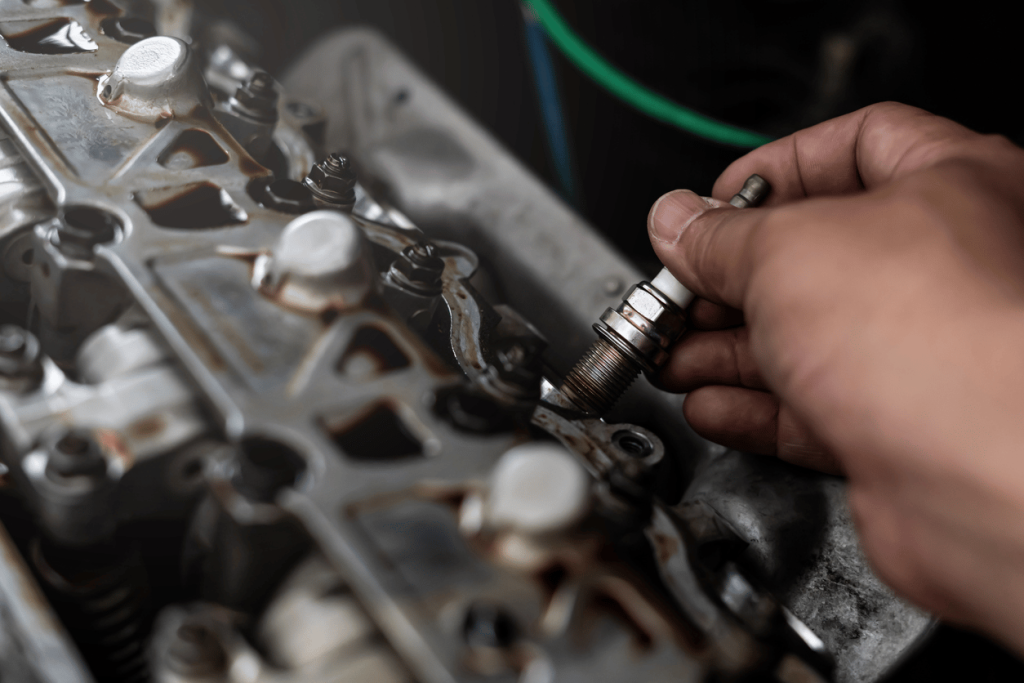
Are you wondering how much it costs to replace a spark plug? If your car is acting up or not running as smoothly as before, the spark plug could be the culprit.
Knowing the cost upfront can help you avoid surprises and make smart decisions for your vehicle. You’ll discover the real price range for spark plug replacement, what affects the cost, and how to get the best value. Keep reading to save time, money, and stress on your next car repair.

Credit: www.reddit.com
Spark Plug Basics
Understanding the basics of spark plugs is essential before diving into the cost of replacing them. Spark plugs play a crucial role in your engine’s operation, affecting fuel efficiency and overall performance. Knowing what they do and the types available can help you make informed decisions about maintenance and replacement.
Role In Engine Performance
Your engine relies on spark plugs to ignite the air-fuel mixture inside the cylinders. This small spark creates the explosion needed to power your vehicle. If the spark plugs are dirty or worn out, you might notice rough idling, poor acceleration, or increased fuel consumption.
Have you ever experienced a sudden drop in engine power? Often, the spark plugs are the first place to check. Keeping them in good condition ensures smooth starts and consistent engine performance.
Types Of Spark Plugs
Spark plugs come in several varieties, each designed for different engine needs and driving conditions. The most common types include:
- Copper Spark Plugs:Affordable and good conductors of electricity but wear out faster.
- Platinum Spark Plugs:More durable than copper and provide better performance over time.
- Iridium Spark Plugs:Known for longevity and excellent ignition efficiency, often found in modern engines.
Choosing the right type impacts how often you’ll need to replace them and how your engine performs. Have you checked what type your vehicle uses? This little detail can save you money and hassle down the road.

Credit: www.youtube.com
Factors Influencing Replacement Cost
Understanding the factors that influence the cost of replacing a spark plug can help you budget better and avoid surprises at the mechanic’s shop. Not all spark plugs are created equal, and neither are the vehicles they go into. Let’s break down what really drives the price so you can make smarter decisions when it’s time for a replacement.
Make And Model Of Vehicle
The make and model of your vehicle play a big role in the cost of spark plug replacement. Luxury brands and high-performance cars often require specialized spark plugs that are pricier than those used in economy cars.
For example, a spark plug for a Toyota Corolla might cost $5 to $10, while one for a BMW or Audi could easily run $20 or more. Some vehicles also have multiple cylinders, meaning more spark plugs to replace, which adds to the total cost.
Type Of Spark Plug
The type of spark plug you need directly affects the price. Standard copper plugs are the cheapest but tend to wear out faster. Platinum and iridium plugs last longer and perform better but come with a higher price tag.
Choosing a higher-end spark plug can save money over time because you replace them less often. Are you willing to pay more upfront for longer durability? That’s a question only you can answer based on your driving habits.
Labor Charges
Labor costs vary depending on where you get the replacement done and how complex the job is. Some engines make spark plug access simple, while others require removing multiple components, increasing labor time and cost.
Independent repair shops often charge less than dealerships, but the quality of work can vary. You might want to ask for an estimate before committing to avoid surprises on the final bill.
Geographical Location
Where you live affects the price of replacing spark plugs. Urban areas with a higher cost of living usually have higher labor rates and parts prices. Rural or less populated areas might offer cheaper service but fewer options.
For instance, getting your spark plugs replaced in New York City will likely cost more than in a small town in the Midwest. Have you checked local rates recently? It might be worth shopping around to find the best deal.
Cost Breakdown
Understanding the cost breakdown of replacing a spark plug helps you plan your car maintenance budget better. It’s not just the price of the spark plug itself; labor and other unexpected expenses can add up quickly. Knowing what to expect allows you to avoid surprises and make informed decisions.
Average Price Of Spark Plugs
Spark plug prices can vary widely depending on your vehicle type and the brand you choose. Basic copper spark plugs often cost around $2 to $5 each. Meanwhile, platinum or iridium spark plugs, which last longer and perform better, typically range from $10 to $20 each.
If you drive a luxury or high-performance car, expect prices to climb even higher. Sometimes, a single spark plug can cost upwards of $30. Do you know what kind of spark plugs your car requires? Checking your owner’s manual can save you money.
Labor Cost Estimates
Labor charges depend mostly on your car’s engine layout and where you get the work done. A straightforward replacement on a simple engine might cost between $40 and $70. However, labor can rise to $150 or more if the spark plugs are hard to reach.
Dealerships typically charge more than independent mechanics. But if your car is under warranty, dealer labor might be covered. Have you asked your mechanic for a detailed labor estimate before the job starts?
Additional Expenses
Sometimes, replacing spark plugs isn’t just about plugs and labor. You may need to replace ignition wires or coils if they’re worn out, adding $50 to $200 to the bill. Also, if the spark plug threads are damaged, repairing them can cost extra.
Keep in mind possible taxes and fees, which can add 5-10% to your total cost. Would you rather spend a bit more now to replace related parts and avoid bigger issues later? It’s a question worth considering to protect your engine’s health.

Credit: www.youtube.com
Diy Vs Professional Replacement
Deciding between replacing your spark plugs yourself or hiring a professional can save you money or cost you more in the long run. The choice depends on your comfort with tools, time availability, and understanding of your vehicle’s engine. Let’s break down what each option involves so you can make an informed decision.
Tools Needed For Diy
To replace spark plugs on your own, you’ll need a few basic tools. These typically include:
- A spark plug socket with a rubber insert to protect the plug
- A ratchet wrench and extension bar
- A gap gauge to measure the spark plug gap accurately
- Torque wrench to ensure the plug is tightened correctly
- Anti-seize compound to prevent the plugs from sticking
Having the right tools not only makes the job easier but also helps avoid damaging parts. Missing just one tool can turn a quick task into a frustrating ordeal.
Step-by-step Replacement Process
Start by locating the spark plugs, usually found on top of the engine. Carefully remove the spark plug wires or ignition coils to access the plugs. Use the spark plug socket and ratchet to loosen and remove the old plugs.
Check the gap on the new plugs with the gap gauge and adjust if necessary. Apply a small amount of anti-seize compound to the threads, then carefully thread each plug by hand to avoid cross-threading. Tighten with the torque wrench to the manufacturer’s specifications, then reconnect the wires or coils.
Test your engine to make sure it runs smoothly. If you hear any unusual noises or if the engine misfires, double-check your work.
Risks And Benefits
Doing it yourself can save you between $50 and $150, depending on your car and labor costs in your area. It gives you control and satisfaction, plus you gain valuable mechanical skills. However, mistakes like over-tightening or improper gap settings can cause engine damage or poor performance.
Hiring a professional costs more upfront but comes with the assurance of experience and proper tools. They can spot other issues during the replacement, potentially saving you future headaches. Are you willing to risk a small mistake for the thrill of DIY, or do you prefer a guaranteed fix?
Signs You Need New Spark Plugs
Knowing when to replace spark plugs saves money and prevents engine damage. Spark plugs wear out over time and cause noticeable problems. Watch for clear signs your spark plugs need changing. Early action avoids costly repairs and keeps your car running smoothly.
Engine Misfires
Engine misfires happen when spark plugs fail to ignite fuel properly. You might feel the engine jerk or hesitate during acceleration. Misfires cause rough idling and reduce engine power. These issues signal spark plugs are worn or dirty and need replacement.
Poor Fuel Economy
Old spark plugs burn more fuel than new ones. You may notice your car uses more gas than usual. Poor fuel economy often means spark plugs are not firing correctly. Replacing them restores efficiency and saves money on fuel.
Difficulty Starting
Hard starts are a common spark plug problem. Worn plugs struggle to create the spark needed to start the engine. If your car takes longer to start or needs multiple tries, spark plugs might be failing. Changing them improves starting performance quickly.
Maintenance Tips To Extend Spark Plug Life
Extending the life of your spark plugs saves money and keeps your engine running well. Proper care avoids frequent replacements and improves fuel efficiency. Follow simple maintenance tips to get the best performance from your spark plugs.
Regular Inspections
Check spark plugs at least every 30,000 miles or as your manual suggests. Look for signs of wear, such as cracks, deposits, or corrosion. Clean dirty spark plugs carefully to prevent misfires and poor engine performance. Replace spark plugs if they show damage or heavy buildup.
Proper Installation Techniques
Use the right tools and follow the correct torque settings when installing spark plugs. Avoid over-tightening, which can damage the threads or the plug itself. Ensure the spark plug gap matches your vehicle’s specifications for optimal ignition. Always install spark plugs in a clean engine area to prevent dirt contamination.
Using Quality Fuel
Choose good-quality fuel to reduce deposits on spark plugs. Poor fuel can cause carbon buildup and reduce spark plug life. Use fuel with recommended octane levels to ensure smooth engine operation. Cleaner fuel helps spark plugs maintain better performance over time.
Frequently Asked Questions
How Much Does Spark Plug Replacement Cost?
The cost to replace a spark plug ranges from $50 to $150. It depends on the car model, labor fees, and spark plug type. Luxury or performance vehicles often have higher costs.
How Often Should Spark Plugs Be Replaced?
Spark plugs should be replaced every 30,000 to 100,000 miles. Check your vehicle’s manual for specific intervals. Regular replacement ensures engine efficiency and better fuel economy.
Can I Replace Spark Plugs Myself?
Yes, you can replace spark plugs yourself if you have basic tools. Follow the vehicle’s manual and safety guidelines. However, professional help is recommended for complex engines.
What Affects Spark Plug Replacement Prices?
Factors include the spark plug type, vehicle model, and labor costs. Iridium or platinum plugs cost more. Labor fees vary based on mechanic rates and vehicle complexity.
Conclusion
Replacing a spark plug isn’t too costly. Costs vary by car model. Doing it yourself saves money, but requires tools. Professionals charge more, yet offer expertise. Consider quality spark plugs for longer life. Regular checks prevent bigger issues. Always follow your car’s maintenance schedule.
It ensures smooth performance. Knowing costs helps budget better. Your car will thank you.





