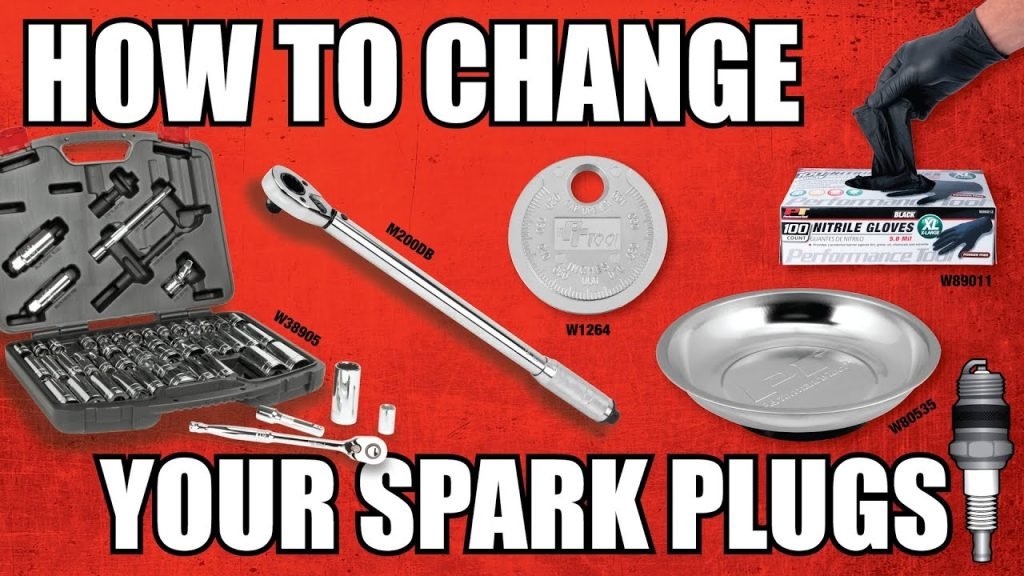
Changing your spark plugs might seem tricky, but with the right tools, you can do it yourself quickly and safely. Imagine saving money on repairs and boosting your car’s performance at the same time.
You’ll discover exactly what tools you need to make spark plug replacement easy, even if you’re new to car maintenance. Keep reading, and you’ll gain the confidence to tackle this task like a pro.
Spark Plug Socket
The spark plug socket is a special tool designed to remove and install spark plugs safely. It fits over the spark plug and grips it tightly. This tool helps prevent damage to the spark plug or the engine. Using the right spark plug socket makes the job easier and faster.
Types Of Sockets
- Standard Spark Plug Socket:A basic socket with a rubber insert to hold the spark plug firmly.
- Deep Spark Plug Socket:Longer than standard sockets, suitable for recessed spark plugs.
- Swivel Spark Plug Socket:Includes a swivel joint to reach plugs at odd angles.
- Magnetic Spark Plug Socket:Uses a magnet to keep the plug in place during removal.
Choosing The Right Size
Spark plugs come in different sizes. Common sizes include 5/8 inch and 13/16 inch sockets. Check your vehicle’s manual to find the exact size. Using the correct socket size ensures a secure fit. A wrong size can strip or damage the plug. Measure the spark plug hex carefully before buying a socket.
Ratchet Wrench
The ratchet wrench is a must-have tool when changing spark plugs. It allows you to tighten and loosen bolts quickly without having to remove the tool from the fastener after each turn. This makes the job faster and less frustrating, especially in tight spaces under the hood.
Benefits Of A Ratchet Wrench
A ratchet wrench saves you time by enabling continuous motion in one direction while preventing backward movement. This means you don’t have to reposition your hand after every turn, which is a huge advantage when working with spark plugs.
Its compact design helps you reach spark plugs in cramped engine compartments where other tools might not fit. Plus, the ratcheting mechanism reduces hand fatigue during repetitive tasks.
Have you ever struggled to loosen a stubborn spark plug? A ratchet wrench often provides better leverage, making the process smoother and less likely to damage the plug or socket.
Recommended Sizes
Choosing the right size ratchet wrench is key. For most spark plug jobs, a 3/8-inch drive ratchet strikes the best balance between power and accessibility.
Smaller 1/4-inch drive ratchets work well in very tight spaces but might not offer enough torque for stuck plugs. Larger 1/2-inch drives give you more strength but can be bulky in tight engine bays.
Pair your ratchet with a spark plug socket, usually 5/8 inch or 13/16 inch, depending on your vehicle’s plug size. Having an extension bar handy can also help you reach deep-set plugs without hassle.
Torque Wrench
A torque wrench is a vital tool for changing spark plugs. It ensures you tighten the spark plug to the correct pressure. Too loose, and the spark plug may not work well. Too tight, and you risk damaging the threads or the plug itself.
This tool helps you avoid common mistakes. It measures the force you apply, giving you control. Using a torque wrench protects your engine and improves performance.
Importance Of Torque Settings
Correct torque settings keep the spark plug secure. This stops vibrations from loosening it over time. Proper torque also ensures good contact between the spark plug and engine. This contact is necessary for efficient combustion.
Over-tightening can strip the threads or break the spark plug. Under-tightening can cause misfires or poor engine performance. Following the manufacturer’s torque specs keeps your engine safe and running smoothly.
How To Use A Torque Wrench
Choose a torque wrench that fits your spark plug size. Set the wrench to the recommended torque level. Hold the wrench firmly and turn the spark plug slowly. Stop turning when you hear or feel the click. The click means the set torque is reached.
Do not guess the tightness. Always use the torque wrench for accuracy. Check the torque setting in your vehicle’s manual before starting. Proper use of this tool saves time and prevents costly repairs.

Credit: www.youtube.com
Spark Plug Gap Tool
The spark plug gap tool is essential for proper spark plug installation. It measures and adjusts the space between the electrodes of a spark plug. This gap affects engine performance and fuel efficiency. Using the right tool ensures the gap matches the vehicle’s specifications. The tool is simple, precise, and affordable. It helps avoid misfires and engine problems caused by incorrect gaps.
Measuring The Gap
Use the tool to check the gap size before installation. Slide the tool’s blade or wire through the spark plug gap. The blade should fit snugly without forcing it. If the blade is too loose or too tight, the gap needs adjustment. Accurate measurement avoids ignition problems and improves engine power.
Adjusting The Gap
Adjust the gap by gently bending the ground electrode. Use the tool’s built-in gauge or a small tool for bending. Increase the gap by moving the electrode away from the center. Decrease the gap by pushing it closer. Check the gap again with the tool after adjustment. Repeat until the correct gap size is reached.
Extension Bars
Extension bars are essential tools for changing spark plugs in tight engine spaces. They attach between the socket and the ratchet handle. This setup helps reach spark plugs deep inside the engine bay. Extension bars give extra length and flexibility.
Using the right extension bar prevents damage to the spark plug or engine parts. They make the job easier and faster by improving access.
When To Use Extensions
Use extension bars when spark plugs are hard to reach. Engines with deep spark plug wells require longer reach. Extensions help avoid bending or breaking the spark plug wire. They also reduce the risk of stripping the plug threads. If your socket cannot reach the plug comfortably, an extension is needed.
Different Lengths Available
Extension bars come in various lengths to fit any engine design. Common sizes include 3 inches, 6 inches, and 10 inches. Short extensions work well for moderately deep spark plugs. Longer extensions reach spark plugs buried deep in the engine. Some sets offer multiple lengths for flexibility. Choose the right length to avoid wasting effort or risking damage.

Credit: www.gr86.org
Anti-seize Compound
Anti-seize compound is a helpful tool when changing spark plugs. It is a thick paste that prevents parts from sticking together. This compound helps make spark plug removal easier in the future. It also protects against rust and corrosion caused by heat and moisture.
Using anti-seize compound can save time and effort during spark plug maintenance. It ensures the spark plug threads stay clean and undamaged. This can improve the spark plug’s performance and lifespan.
Purpose And Benefits
- Prevents spark plug threads from seizing in the engine
- Protects metal surfaces from rust and corrosion
- Makes future spark plug removal easier and faster
- Reduces risk of thread damage during installation or removal
- Helps maintain proper spark plug torque
Application Tips
- Clean spark plug threads before applying the compound
- Apply a small amount evenly on the threads only
- Avoid getting compound on the electrode or firing end
- Use a high-temperature anti-seize formula suitable for spark plugs
- Do not over-apply to prevent contamination or misfit
Dielectric Grease
Dielectric grease is a must-have tool when changing spark plugs. It’s a silicone-based substance that prevents moisture and dirt from causing corrosion on electrical connections. Using it properly can extend the life of your spark plugs and ensure your engine runs smoothly.
Protecting Spark Plug Boots
Applying dielectric grease to the inside of spark plug boots creates a protective barrier. This barrier stops water and dirt from entering the connection, reducing the chance of misfires. I once skipped this step and faced spark plug boot damage from moisture buildup, which led to costly repairs.
Besides protection, the grease makes it easier to remove boots later. Without it, the boots can stick to the spark plugs, risking damage when you try to pull them off. A thin layer of dielectric grease prevents this problem effectively.
Proper Usage
Use only a small amount of dielectric grease. Too much grease can actually cause the boot to slip or create poor electrical contact. Dab a pea-sized amount inside the boot and spread it evenly.
Avoid putting grease directly on the spark plug electrode. It should only be on the rubber boot, not the metal part that sparks. This ensures a solid electrical connection and avoids interference with the spark.
Have you ever wondered why some spark plug connections last longer? The secret often lies in simple steps like applying dielectric grease correctly. Your careful attention here can save time and money down the road.
Additional Helpful Tools
Changing spark plugs requires more than just the basic tools. Some additional tools make the job easier and cleaner. These tools help you work faster and avoid damage to your engine parts.
Compressed Air For Cleaning
Compressed air clears dirt and debris around the spark plug area. This prevents debris from falling into the cylinder when you remove the spark plug. Use a can of compressed air or an air compressor for this task. Blow the area gently to avoid damaging wires or connectors. Clean surroundings help ensure a smooth spark plug change.
Magnetic Pickup Tool
A magnetic pickup tool helps retrieve dropped spark plugs or small parts. Spark plugs can be slippery and hard to handle. This tool saves time and frustration by easily grabbing metal objects in tight spaces. It also protects your hands from sharp edges. Keep this tool nearby during the spark plug replacement process.

Credit: www.amazon.com
Frequently Asked Questions
What Basic Tools Are Needed To Change Spark Plugs?
You need a spark plug socket, ratchet wrench, extension bar, and a gap gauge. These tools help remove and install spark plugs safely and accurately.
How Do You Choose The Right Spark Plug Socket?
Select a socket size that matches your spark plugs, usually 5/8 or 13/16 inch. Use a socket with a rubber insert to protect the plugs during removal.
Is A Torque Wrench Necessary For Changing Spark Plugs?
Yes, a torque wrench ensures spark plugs are tightened to manufacturer specs. This prevents damage and ensures optimal engine performance.
Can You Change Spark Plugs Without Special Tools?
Basic tools like a ratchet and socket set may work, but spark plug sockets and gap gauges improve safety and accuracy. Specialized tools make the job easier.
Conclusion
Changing spark plugs doesn’t require a lot of tools. A socket wrench is essential. You also need a spark plug socket. Extension bars help reach deep plugs. A torque wrench ensures correct tightening. A gap gauge checks the spark plug gap.
Clean cloths keep the area tidy. These tools make the job easier and efficient. Remember to check your vehicle’s manual. It provides specific guidance. With the right tools, you can change spark plugs easily. Save time and money with this simple task.
Happy car maintenance!





