
Are you wondering if you can replace spark plugs yourself? You’re not alone.
Many car owners are curious about this seemingly daunting task. The idea of getting your hands under the hood might sound a bit intimidating, especially if you’re not a seasoned mechanic. But here’s the secret: it’s easier than you think, and yes, you can do it yourself! Imagine saving money on a mechanic’s bill and gaining the satisfaction of maintaining your own vehicle.
It’s not just about the money; it’s about the confidence and self-reliance that comes with mastering this skill. Plus, a well-maintained engine means smoother rides and better fuel efficiency. Are you ready to dive in and discover how you can take control of your car’s performance? Keep reading to unlock the step-by-step guide to replacing your own spark plugs, and see how simple car maintenance can transform your driving experience.
Why replace spark plugs
Spark plugs play a key role in your vehicle’s engine. They ignite the air-fuel mix to start the engine and keep it running smoothly. Over time, spark plugs wear out, affecting performance and fuel efficiency. Replacing them keeps your car running well and prevents bigger engine problems.
Signs Of Worn Spark Plugs
- Engine misfires or runs rough
- Hard starts or no start at all
- Reduced fuel efficiency
- Poor acceleration or sluggish response
- Increased exhaust emissions
- Engine knocking or pinging sounds
Benefits Of Timely Replacement
- Improves engine performance and power
- Boosts fuel economy and saves money
- Reduces harmful emissions for cleaner air
- Prevents engine damage and costly repairs
- Ensures smoother and more reliable starts

Credit: www.acg.aaa.com
Tools Needed For The Job
Replacing spark plugs yourself can be a rewarding task, but having the right tools makes all the difference. Without proper equipment, the job becomes frustrating and can even cause damage to your engine components.
Gathering the necessary tools beforehand prepares you to work efficiently and confidently. Let’s look at what you absolutely need, and what tools can make the process smoother.
Essential Tools List
- Spark Plug Socket:A deep socket specifically designed to fit spark plugs snugly. It usually has a rubber insert to grip the plug securely.
- Ratchet Wrench:Used with the spark plug socket to turn and remove or install plugs. A 3/8-inch drive ratchet is common for this task.
- Socket Extension:Helps reach plugs that sit deep inside the engine bay. Lengths vary, but 3 to 6 inches typically work well.
- Torque Wrench:Ensures spark plugs are tightened to the manufacturer’s specifications. Over-tightening can damage the threads, while under-tightening affects performance.
- Gap Tool or Feeler Gauge:Measures and adjusts the spark plug gap to the correct size, which is crucial for engine efficiency.
Optional Helpful Tools
- Compressed Air or Air Blower:Useful to clean debris around the spark plug area before removal, preventing dirt from falling into the cylinder.
- Magnetic Pickup Tool:Handy if a spark plug drops into a tight spot or you lose small parts during the job.
- Anti-Seize Compound:Applied lightly on the spark plug threads to prevent them from seizing in the cylinder head.
- Dielectric Grease:Helps protect the spark plug boot from moisture and corrosion, improving longevity and performance.
Have you ever started a job without the right tools and wished you’d prepared better? Taking a few extra minutes to gather these items can save you time and headaches. Which of these tools do you already have on hand?
Preparing Your Vehicle
Preparing your vehicle is an important step before replacing spark plugs. It ensures safety and makes the process easier. Taking time to prepare helps avoid damage and mistakes.
Safety Precautions
Always work on a cool engine to prevent burns. Disconnect the negative battery cable to avoid shocks. Wear gloves to protect your hands from sharp parts. Use safety glasses to guard your eyes from dust and debris. Keep tools organized and within reach to work smoothly.
Locating The Spark Plugs
Open the hood and find the engine. Spark plugs are usually under thick wires or coil packs. Look for wires leading to the engine block. Removing engine covers may be necessary for better access. Count the number of spark plugs; it matches the number of engine cylinders.
Removing Old Spark Plugs
Removing old spark plugs is an important step in car maintenance. It helps keep the engine running smoothly and improves fuel efficiency. This process requires care and the right tools. Taking your time ensures you don’t damage the engine parts. Here is how to do it correctly.
Disconnecting Spark Plug Wires
Start by gently pulling the spark plug wires off the plugs. Hold the boot, not the wire itself, to avoid damage. Wiggle the boot slightly if it feels stuck. Pull straight out to remove the wire safely. Label wires if you plan to replace multiple plugs. This keeps track of their correct positions.
Using The Right Socket
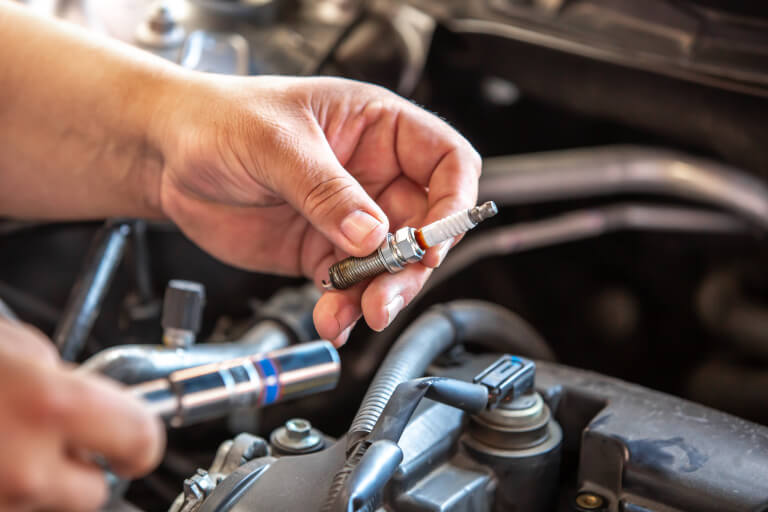
Choose a spark plug socket that fits snugly over the plug. These sockets have a rubber insert to grip the plug firmly. Attach the socket to a ratchet or wrench for leverage. Turn counterclockwise to loosen the plug. Work slowly to prevent stripping the threads.
Avoiding Common Mistakes
- Do not force the plugs if they feel stuck.
- Use penetrating oil on tight plugs and wait before trying again.
- Avoid cross-threading by turning the plug slowly when reinstalling.
- Keep dirt and debris away from the spark plug hole.
Installing New Spark Plugs
Installing new spark plugs is a key part of car maintenance. It helps keep the engine running smooth and efficient. Replacing spark plugs yourself saves money and gives you a better understanding of your vehicle.
Before putting the new spark plugs in, a few details must be checked. Careful handling and correct tightening ensure the plugs work properly and last longer. Taking time with this step avoids engine problems and costly repairs.
Checking Spark Plug Gap
The spark plug gap is the space between the two electrodes. It affects the spark strength and engine performance. Use a gap tool to measure it carefully. Adjust the gap to match your car’s manual. Too wide or too narrow gaps cause misfires or poor fuel use.
Hand-tightening Technique
Start threading the spark plug by hand. This prevents cross-threading and damage to the cylinder head. Turn the plug gently until it feels snug. Avoid using a wrench at this stage. Hand-tightening helps keep the spark plug aligned correctly.
Final Torque Tips
Use a torque wrench to tighten the spark plug to the right specification. Over-tightening can break the plug or strip threads. Under-tightening causes poor sealing and engine issues. Check your car manual for the exact torque value. Apply steady pressure and stop when the wrench clicks.

Credit: www.youtube.com
Testing After Replacement
After replacing spark plugs, testing is the crucial step to confirm your work was successful. It’s not just about starting the engine; it’s about making sure the engine runs smoothly and efficiently. Skipping this step can leave you wondering if the problem is truly fixed or if you need to dig deeper.
Starting The Engine
Turn your key and listen closely as the engine fires up. A smooth start with no hesitation is a good sign that the spark plugs are working correctly. If your engine struggles to start or sounds rough, it could mean the plugs aren’t properly seated or the gap is off.
Remember, a quick start isn’t just convenience—it’s a sign your ignition system is firing as it should. Don’t rush this moment; pay attention to any unusual sounds or delays.
Listening For Engine Performance
Once the engine is running, listen carefully for any misfires or unusual noises. A healthy engine will run consistently without sputtering or backfiring. If you notice irregular sounds, it might be time to double-check the spark plug wires or the plugs themselves.
Ask yourself: Does the engine feel more responsive than before? Improved acceleration and smoother idling are indicators that your replacement did the trick. If not, keep observing and be ready to troubleshoot.
Troubleshooting Issues
If the engine runs rough or stalls, start by inspecting your work. Are all spark plugs tightened to the right torque? Loose plugs can cause poor combustion and engine misfires.
- Check the spark plug gaps with a feeler gauge to ensure they match the manufacturer’s specs.
- Verify that each spark plug wire or coil pack is securely connected.
- Look for signs of damaged wires or corrosion.
Sometimes, even new spark plugs can be faulty. Don’t hesitate to swap them out one at a time to isolate the problem. Testing after replacement isn’t just about confirming success—it’s about catching issues early before they turn into bigger headaches.
When To Seek Professional Help
Knowing when to seek professional help for spark plug replacement can save you time, money, and frustration. While changing spark plugs yourself is doable for many vehicles, certain signs and engine complexities suggest it’s better to call in an expert. Ignoring these can lead to bigger issues or incomplete repairs.
Complex Engine Types
Some engines are simply not designed for easy DIY spark plug changes. Modern vehicles with turbochargers, coil-on-plug ignition systems, or tightly packed engine bays often require special tools and skills.
If your engine has deep-set spark plugs or unusual configurations, attempting the job without experience might cause damage to surrounding components. Have you noticed your engine layout feels cramped or unfamiliar? That’s a clear sign to consider professional assistance.
Persistent Engine Problems
If replacing your spark plugs doesn’t fix misfires, rough idling, or poor fuel economy, something else might be wrong. Persistent engine issues after a plug change often indicate deeper problems like faulty ignition coils or wiring.
Continuing to replace spark plugs without professional diagnosis can be costly and ineffective. When your car’s performance doesn’t improve, it’s worth letting a mechanic run a thorough check. Have you ever replaced parts only to find the problem persisted? That’s a red flag to pause and ask for expert help.
Credit: www.blackcircles.com
Saving Money With Diy
Taking on the task of replacing your spark plugs yourself can significantly cut down on car maintenance expenses. Labor costs at repair shops often make up a large portion of the bill. By handling this simple yet essential task on your own, you keep more money in your pocket and gain a better understanding of your vehicle.
Cost Comparison
Buying spark plugs from an auto parts store usually costs between $10 and $20 each, depending on your car’s make and model. A full set for most cars ranges from $40 to $100. Mechanics often charge $100 to $200 just for labor to replace all plugs.
Consider this quick comparison:
| Expense | DIY | Professional Service |
|---|---|---|
| Spark Plugs (set) | $40 – $100 | $40 – $100 |
| Labor | $0 | $100 – $200 |
| Total | $40 – $100 | $140 – $300 |
Would you rather spend a weekend learning a new skill or pay hundreds of dollars? The choice is clear, especially if you plan to maintain your car regularly.
Long-term Maintenance Tips
Replacing spark plugs yourself opens the door to better car care habits. You’ll notice small issues before they become big problems. Here are some tips to keep your ignition system in top shape:
- Check plugs regularly:Inspect them every 30,000 miles or as recommended by your car’s manual.
- Use the right tools:A spark plug socket and torque wrench ensure you don’t overtighten or damage parts.
- Keep your work area clean:Prevent dirt from entering the engine when plugs are removed.
- Take notes:Track when and what you replaced for future reference.
Have you thought about how this hands-on approach might change how you see your car’s health? Regular DIY spark plug changes can save you money and build confidence in handling other maintenance tasks.
Frequently Asked Questions
Can I Replace Spark Plugs Myself At Home?
Yes, you can replace spark plugs yourself if you have basic tools and knowledge. Follow your vehicle’s manual carefully. Ensure the engine is cool before starting. Take safety precautions to avoid damage or injury. It’s a cost-effective way to maintain your car.
What Tools Do I Need To Replace Spark Plugs?
You need a spark plug socket, ratchet wrench, torque wrench, and a gap gauge. Additionally, use dielectric grease and anti-seize compound. These tools help ensure proper installation and avoid damage. Having the right tools makes the job easier and safer.
How Often Should Spark Plugs Be Replaced?
Spark plug replacement typically occurs every 30,000 to 100,000 miles. Check your vehicle’s manual for specific intervals. Signs of worn plugs include rough idling, misfires, and poor fuel economy. Regular replacement keeps your engine running smoothly and efficiently.
Is It Hard To Replace Spark Plugs Yourself?
Replacing spark plugs is moderately easy with proper instructions. Basic mechanical skills and patience are required. Avoid over-tightening to prevent damage. If unsure, consult a professional to avoid costly mistakes. Many DIYers successfully perform this task at home.
Conclusion
Replacing spark plugs yourself can save money and time. It needs basic tools and a little care. Follow steps slowly and check your work. If unsure, ask a friend or a mechanic for help. Doing it yourself gives a sense of pride.
Your car will run smoother with new spark plugs. Small jobs like this build your confidence. Try it and see how easy it can be.





