
Have you ever wondered what makes your car’s engine come to life every time you turn the key? The answer lies in a small but powerful part called the spark plug.
Without it, your car simply wouldn’t run. Understanding what spark plugs do can help you keep your vehicle running smoothly and avoid costly repairs. You’ll discover exactly how spark plugs work and why they are so important for your car’s performance.
Keep reading—your car will thank you for it!
Role In Engine Ignition
The role of spark plugs in engine ignition is crucial for your car’s performance. Without them, the engine simply won’t start or run properly. Understanding how spark plugs work helps you appreciate why keeping them in good condition is essential.
Creating The Spark
Spark plugs generate a tiny but powerful electrical spark inside the engine’s combustion chamber. This spark is created when a high voltage jumps across the gap between the plug’s electrodes. The precise timing and strength of this spark are vital for the engine to function smoothly.
Think about your car stalling on a cold morning. Often, worn or dirty spark plugs are the culprit because they fail to create a strong spark. This small component plays a big role in getting your engine started every time.
Igniting The Fuel-air Mix
The spark plug’s spark ignites the fuel-air mixture inside the engine cylinder. This ignition causes a controlled explosion that pushes the piston down, generating the power needed to move your car. Without this ignition, the engine can’t produce the power it needs.
Have you ever noticed rough idling or reduced acceleration? These symptoms can point to spark plugs struggling to ignite the fuel properly. Keeping your spark plugs clean and well-maintained ensures your engine runs efficiently and saves fuel.

Credit: craigscarcare.com
Impact On Engine Performance
Spark plugs play a vital role in how well your engine performs. They create the spark that ignites the fuel-air mix inside the engine. This ignition starts the power stroke that moves the car. Good spark plugs help the engine run more efficiently and smoothly. Poor spark plugs can cause misfires, rough idling, and lower power. Understanding their impact on engine performance helps you keep your car in top shape.
Fuel Efficiency
Spark plugs affect how completely fuel burns inside the engine. A strong spark ensures better fuel combustion. This means the engine uses fuel more efficiently. Worn or dirty spark plugs cause weak sparks. Weak sparks lead to incomplete burning and wasted fuel. Replacing spark plugs regularly helps save fuel costs and reduces emissions.
Power Output
The engine’s power depends on how well the spark plugs ignite the mixture. Proper sparks create strong, consistent explosions. This pushes the pistons with full force. Bad spark plugs cause weak or delayed sparks. This lowers the engine’s power and responsiveness. Keeping spark plugs in good condition ensures your car delivers the power you need.
Smooth Operation
Smooth engine running relies on timely and reliable sparks. Spark plugs that work well prevent engine knocking and misfires. They help the engine idle steadily without shaking. Faulty spark plugs cause rough idling and vibrations. Regular checks and replacements keep the engine running quietly and smoothly.
Signs Of Worn Spark Plugs
Worn spark plugs can cause several problems in your car’s engine. They affect the way your engine runs and how your car performs. Recognizing the signs of worn spark plugs helps avoid bigger issues and costly repairs.
Engine Misfires
Worn spark plugs often cause engine misfires. This means the engine misses a spark needed to burn fuel. You may feel jerking or rough idling. Misfires reduce engine power and smoothness.
Poor Acceleration
When spark plugs wear out, acceleration slows down. The engine struggles to produce enough power. Your car may hesitate or lag when you press the gas pedal. This affects driving safety and comfort.
Increased Fuel Consumption
Old spark plugs burn more fuel than necessary. This happens because the spark is weak or inconsistent. Your car uses extra gas to keep running. Expect lower miles per gallon and more trips to the pump.
Types Of Spark Plugs
Spark plugs come in several types, each designed to meet different needs and engine requirements. Choosing the right spark plug can affect your car’s performance, fuel efficiency, and even how often you need to replace them. Understanding the main types helps you make smarter decisions when it’s time for a change.
Copper
Copper spark plugs have a solid copper core and a nickel alloy electrode. They offer excellent conductivity, which helps your engine start quickly and run smoothly. However, they wear out faster than other types, so you might need to replace them more often—usually every 20,000 to 30,000 miles.
If you drive an older car or one with a simple ignition system, copper plugs could be a good fit. They are also the most budget-friendly option. But if you value longevity, you might want to look at other types.
Platinum
Platinum spark plugs feature a platinum disc welded to the center electrode, increasing durability. These plugs last longer than copper ones, typically around 60,000 miles, and provide better fuel efficiency. They’re a solid middle ground between cost and performance.
Have you noticed your car idling rough or struggling with fuel consumption? Switching to platinum plugs might help smooth things out without breaking the bank. They’re often recommended for modern vehicles with electronic ignition systems.
Iridium
Iridium spark plugs are known for their strength and longevity. The iridium tip is much harder than platinum or copper, which means these plugs can last up to 100,000 miles or more. They provide a more stable spark, improving combustion and engine performance.
Though iridium plugs cost more upfront, they can save you time and money on maintenance. If you want to reduce the hassle of frequent replacements and keep your engine running efficiently, iridium plugs are a smart choice. Have you ever considered how much time you spend on car maintenance each year?
Maintenance And Replacement
Keeping your spark plugs in good condition is key to maintaining your car’s performance and fuel efficiency. Regular maintenance and timely replacement prevent engine misfires and improve smooth starts. Understanding when and how to care for your spark plugs can save you money and hassle down the road.
Recommended Intervals
Most manufacturers suggest checking or replacing spark plugs every 30,000 to 100,000 miles, depending on the type of spark plug and your driving habits. Iridium and platinum plugs last longer, often up to 100,000 miles, while copper plugs wear out faster and need more frequent replacement.
Keep an eye on symptoms like rough idling, reduced fuel economy, or difficulty starting. These signs can indicate it’s time for new spark plugs, even if you haven’t hit the mileage mark yet. Have you checked your owner’s manual lately to see what’s recommended for your car?
Diy Vs Professional Service
Replacing spark plugs yourself can be satisfying and cost-effective if you have the right tools and some mechanical know-how. You’ll need a spark plug socket, ratchet, and possibly a gap gauge. Make sure the engine is cool before you start to avoid burns.
If you’re unsure about the process or your car has hard-to-reach spark plugs, a professional mechanic is the safer bet. They can also inspect related components like ignition coils and wires. How confident do you feel about tackling this task in your garage?
Choosing The Right Spark Plug
Not all spark plugs are created equal. Using the wrong type can affect engine performance and longevity. Always match the spark plug specifications—such as thread size, heat range, and electrode design—to your vehicle’s requirements.
Brands like NGK and Bosch offer reliable options that fit a wide range of cars. If you want to upgrade, consider iridium plugs for better durability and efficiency. What factors matter most to you when selecting parts for your car?
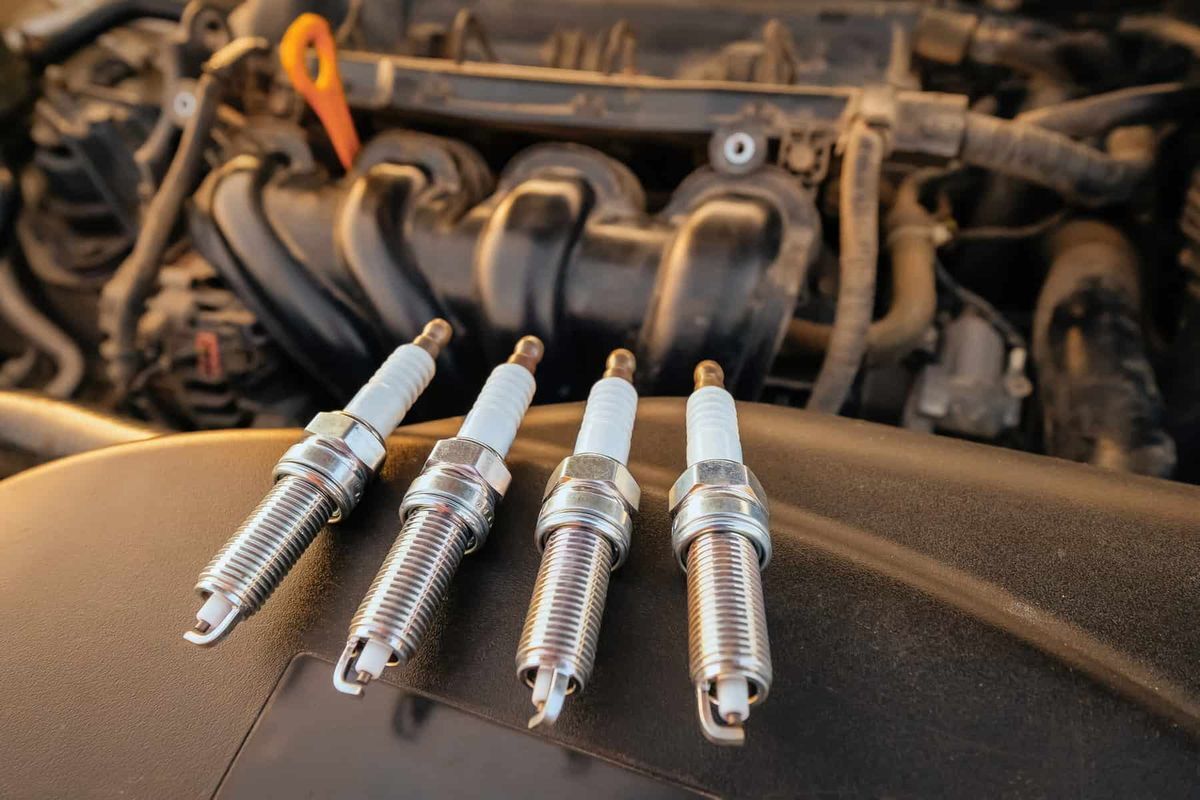
Credit: www.westsideauto.com.au
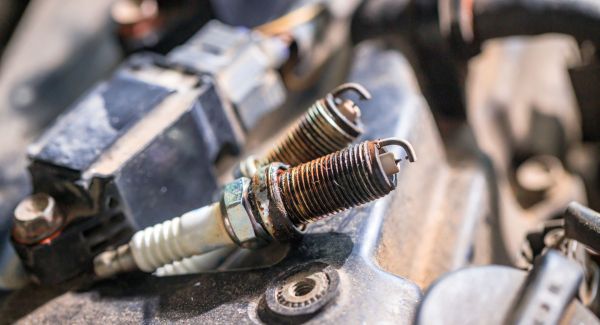
Credit: www.waynesgarageinc.net
Frequently Asked Questions
What Role Do Spark Plugs Play In Engine Performance?
Spark plugs ignite the air-fuel mixture inside the engine cylinders. This ignition powers the engine, enabling the car to run smoothly and efficiently. Properly working spark plugs ensure better fuel efficiency and optimal engine performance.
How Often Should Spark Plugs Be Replaced?
Spark plugs typically need replacement every 30,000 to 100,000 miles. The exact interval depends on the car model and plug type. Regular checks help maintain engine efficiency and prevent misfires or starting problems.
Can Faulty Spark Plugs Affect Fuel Economy?
Yes, worn or dirty spark plugs cause incomplete combustion. This leads to higher fuel consumption and reduced mileage. Replacing spark plugs on time improves fuel efficiency and reduces emissions.
What Are Signs Of Bad Spark Plugs?
Common signs include engine misfires, rough idling, and poor acceleration. You may also notice difficulty starting the car or increased fuel usage. Timely spark plug inspection helps avoid these issues.
Conclusion
Spark plugs play a crucial role in your car’s engine. They ignite the fuel-air mix, powering your drive. Without them, your car won’t start. Regularly check and replace them for smooth performance. This simple maintenance can boost fuel efficiency. It also helps reduce harmful emissions.
A small step that makes a big difference. Ignoring spark plugs can lead to costly repairs. So, keep an eye on them. Your car will thank you. Happy driving!





