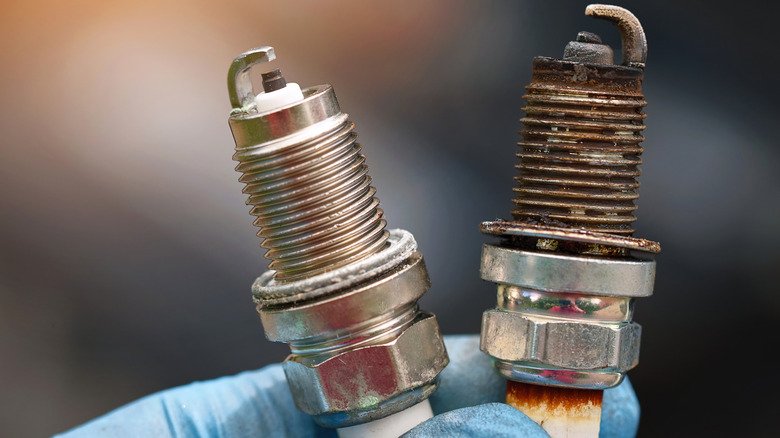
Ever wondered how long those small but mighty spark plugs under your car’s hood can last? You’re not alone.
Understanding the lifespan of spark plugs is crucial for maintaining your vehicle’s performance and avoiding unexpected breakdowns. Imagine cruising smoothly on a long drive, only to be stalled by a preventable issue. You wouldn’t want that, right? Knowing when to replace your spark plugs can save you time, money, and a lot of stress.
Let’s dive into what affects their longevity and how you can keep your engine running smoothly. Keep reading to discover how you can ensure your car remains reliable and efficient.
Spark Plug Lifespan Basics
Spark plugs play a vital role in engine performance. They ignite the fuel-air mixture in the combustion chamber. Understanding their lifespan helps maintain your vehicle’s efficiency. It prevents engine misfires and poor fuel economy. Spark plug life depends on their type and engine conditions. Knowing these basics helps plan timely replacements.
Common Lifespan Ranges
Spark plugs last from 20,000 to 100,000 miles. Copper plugs typically need replacement every 20,000 to 30,000 miles. Platinum plugs can last 60,000 miles or more. Iridium plugs are the longest-lasting, often up to 100,000 miles. Regular checks help spot wear before problems start.
Factors Affecting Durability
- Engine type and driving habits affect plug life.
- Frequent short trips cause quicker wear.
- High engine temperatures can damage plugs faster.
- Fuel quality impacts spark plug condition.
- Proper installation and gap setting extend lifespan.
Credit: www.moderntiredealer.com
Types Of Spark Plugs
Choosing the right type of spark plug can impact your vehicle’s performance and how often you need to replace it. Spark plugs come in different materials, each designed to last a certain amount of time and handle varying driving conditions. Understanding these types can help you make smarter decisions for your car and wallet.
Copper Spark Plugs
Copper spark plugs are the most basic and affordable option. They have a solid copper core that conducts electricity well but wear out faster than other types. You might find these in older vehicles or engines that require a higher voltage spark.
They typically last around 20,000 to 30,000 miles. If you drive mostly short distances or stop-and-go traffic, copper plugs might wear quicker. Have you noticed rough idling or difficulty starting? It could be time to check if your copper plugs need replacing.
Platinum Spark Plugs
Platinum spark plugs offer better durability than copper ones. They have a platinum tip that resists wear and can last up to 60,000 miles or more. Their longer lifespan means less frequent maintenance and better fuel efficiency.
They work well in modern engines and provide a more stable spark. If you want a balance between cost and performance, platinum plugs are a solid choice. Think about how often you want to get your spark plugs changed when picking this type.
Iridium Spark Plugs
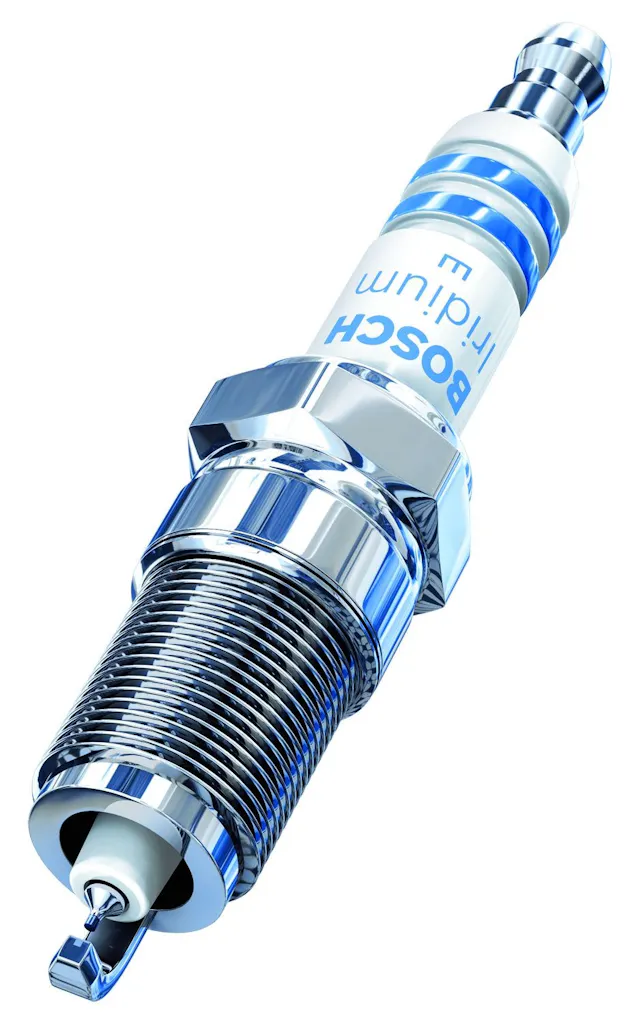
Iridium spark plugs are the most advanced and longest-lasting option. The iridium tip is extremely hard and can last up to 100,000 miles or beyond. This means fewer replacements and consistent engine performance over time.
Many high-performance and newer vehicles use iridium plugs because they offer reliable ignition and better fuel economy. Although they cost more upfront, their durability often saves money in the long run. Do you prioritize longevity and smooth engine starts? Iridium plugs might be the best fit for you.
Signs Of Worn Spark Plugs
Recognizing the signs of worn spark plugs can save you from costly repairs and keep your vehicle running smoothly. Spark plugs play a critical role in igniting the fuel-air mixture in your engine. When they start to wear out, your car’s performance will clearly show it.
Engine Misfires
Have you noticed your engine suddenly jerking or hesitating? This is often caused by spark plugs that fail to ignite the fuel properly. Misfires can lead to rough idling and a noticeable drop in power during acceleration.
Ignoring misfires can damage other parts of your engine, so pay close attention if this happens repeatedly. It’s a clear signal that your spark plugs may need replacing sooner than you thought.
Poor Fuel Economy
Are you filling up your tank more often than usual? Worn spark plugs reduce your engine’s efficiency, causing your car to burn more fuel. This means you’re spending more money without getting the same mileage.
Improving fuel economy starts with healthy spark plugs. If you’ve tracked your fuel usage and noticed a decline, it’s time to check those plugs.
Difficulty Starting
Struggling to start your car, especially on cold mornings? Worn spark plugs can make igniting the engine harder, leading to longer crank times or failure to start altogether. This can leave you stranded when you least expect it.
If your car hesitates or requires multiple attempts to start, inspect your spark plugs. Replacing them can restore quick, reliable starts.

Credit: www.toyotanation.com
Maintenance Tips To Extend Life
Extending the life of your spark plugs saves money and keeps your engine running smoothly. Paying attention to simple maintenance tips can prevent early wear and unexpected breakdowns. Here are practical ways you can protect your spark plugs and boost their lifespan.
Regular Inspection
Check your spark plugs every 30,000 miles or as recommended by your vehicle’s manual. Look for signs like carbon buildup, corrosion, or worn electrodes. Catching these early lets you clean or replace plugs before they cause engine problems.
Have you ever ignored a warning light only to face a costly repair later? Regular inspection helps you avoid such surprises by spotting issues before they escalate.
Proper Installation
Installing spark plugs correctly is crucial. Use the right torque to avoid over-tightening or leaving them too loose. Both mistakes can lead to engine damage or poor performance.
Remember to gap the spark plugs according to your vehicle’s specifications. An improper gap affects combustion efficiency, reducing fuel economy and increasing emissions.
Using Quality Fuel
Fuel quality directly affects spark plug health. Low-grade or contaminated fuel can leave deposits that foul the plugs quickly. Opt for reputable fuel brands and avoid filling up at unknown or questionable stations.
Have you noticed your engine misfiring after using cheap fuel? That’s often a sign your spark plugs are struggling with buildup. Choosing better fuel helps keep plugs cleaner and functioning longer.
When To Replace Spark Plugs
Knowing when to replace your spark plugs can save you from unexpected engine troubles and keep your vehicle running smoothly. Spark plugs wear out over time, but the exact timing depends on several factors. Paying attention to both your car’s mileage and how your engine feels can help you decide the right moment to change them.
Mileage Milestones
Most spark plugs have a recommended replacement interval listed in your vehicle’s owner manual. Typically, standard copper spark plugs last around 20,000 to 30,000 miles. Meanwhile, platinum and iridium plugs can last between 60,000 and 100,000 miles.
If your car approaches these mileage marks, it’s a good idea to inspect the spark plugs or schedule a replacement. Ignoring mileage milestones can lead to decreased fuel efficiency and even engine misfires. Have you checked your odometer recently to see if you’re nearing these critical points?
Performance Decline Indicators
Your vehicle won’t always wait for a mileage warning to show signs of worn spark plugs. Pay attention to rough idling, difficulty starting the engine, or a noticeable drop in acceleration. These symptoms often mean your spark plugs aren’t firing properly.
Another sign is poor fuel economy. If you notice you’re filling up the tank more often without changing your driving habits, worn spark plugs could be the culprit. Listening to your engine’s rhythm can tell you a lot—are you hearing any unusual sputtering or hesitation?
Regularly checking for these indicators can help you catch problems early. Replacing spark plugs at the right time keeps your engine efficient and your drives trouble-free.
Expert Recommendations
Expert recommendations help extend the life of your spark plugs. They guide you on choosing the right parts and maintaining your vehicle properly. Following these tips prevents engine problems and saves money on repairs.
Choosing The Right Spark Plug
Select spark plugs that match your vehicle’s make and model. Use the type recommended by the manufacturer for best results. Consider the material—copper, platinum, or iridium—based on your driving style and budget. Correct heat range and gap size ensure optimal performance. Always check the owner’s manual or ask a trusted mechanic.
Routine Vehicle Checkups
Regular checkups help spot spark plug wear early. Mechanics inspect plugs during oil changes or tune-ups. Signs of worn plugs include rough idling and poor fuel economy. Replace spark plugs as part of scheduled maintenance. Keeping up with checkups improves engine efficiency and prevents breakdowns.

Credit: www.reddit.com
Frequently Asked Questions
How Often Should I Replace Spark Plugs?
Spark plugs typically last 30,000 to 100,000 miles, depending on type and vehicle. Check your owner’s manual for exact intervals. Regular replacement ensures optimal engine performance and fuel efficiency.
What Are Signs Of Worn-out Spark Plugs?
Common signs include engine misfires, rough idling, poor acceleration, and decreased fuel economy. If you experience these, inspect or replace spark plugs promptly to avoid engine damage.
Can Bad Spark Plugs Damage My Engine?
Yes, faulty spark plugs can cause misfires and poor combustion. This leads to increased emissions and potential engine damage if not addressed quickly. Regular maintenance prevents costly repairs.
Do Spark Plug Types Affect Lifespan?
Yes, copper, platinum, and iridium plugs have different lifespans. Iridium plugs last longest, up to 100,000 miles, while copper plugs need replacing more often. Choose based on your vehicle and budget.
Conclusion
Spark plugs usually last between 30,000 and 100,000 miles. Their lifespan depends on the type and driving habits. Regular checks help avoid engine problems and save money. Replacing spark plugs on time keeps the car running smoothly. Don’t wait for signs of trouble.
Keep your engine healthy with simple maintenance. This small part plays a big role in performance and fuel efficiency. Take care of spark plugs to enjoy a trouble-free drive.





