Your car is your trusted companion on the road, taking you to work, adventures, and everywhere in between. But what happens when your reliable ride starts to feel less dependable?
Strange noises, rough idling, or a noticeable drop in fuel efficiency might be trying to tell you something. Could it be time to switch your spark plugs? Ignoring these subtle signs can lead to bigger headaches down the line, but recognizing them early means you can keep your car running smoothly and efficiently.
You’ll discover the telltale signs that your spark plugs need replacing, ensuring you stay ahead of potential problems and maintain a well-functioning vehicle. Stick around to learn how a small change can make a big difference in your driving experience.
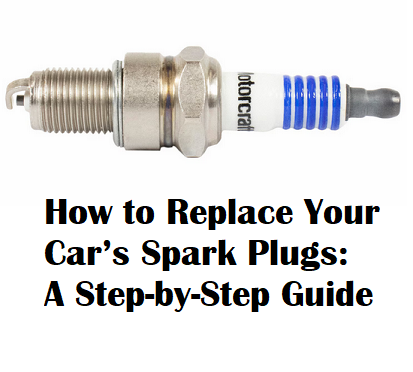
Credit: beachautomotive.com
Signs Of Worn Spark Plugs
Worn spark plugs affect engine performance in many ways. They cause symptoms you can notice while driving. Knowing these signs helps you replace spark plugs on time. This keeps your engine running smoothly and saves money on repairs.
Engine Misfires And Rough Idling
Worn spark plugs cause engine misfires. The engine may hesitate or jerk while driving. You might feel shaking or rough idling when stopped. This happens because the spark plugs fail to ignite fuel properly.
Difficulty Starting The Engine
Old spark plugs make starting the engine hard. The engine may crank longer before it starts. Sometimes it fails to start at all. This occurs because the spark plugs cannot create a strong spark.
Reduced Fuel Efficiency
Worn spark plugs lower fuel efficiency. Your car uses more fuel than usual. You will notice more visits to the gas station. Poor combustion causes waste of fuel and energy.
Poor Acceleration And Power Loss
The engine loses power with worn spark plugs. Acceleration feels slow and weak. Your car struggles to reach higher speeds. This happens because the spark plugs do not fire well.
Credit: modernautoparts.co.za
Visual Indicators On Spark Plugs
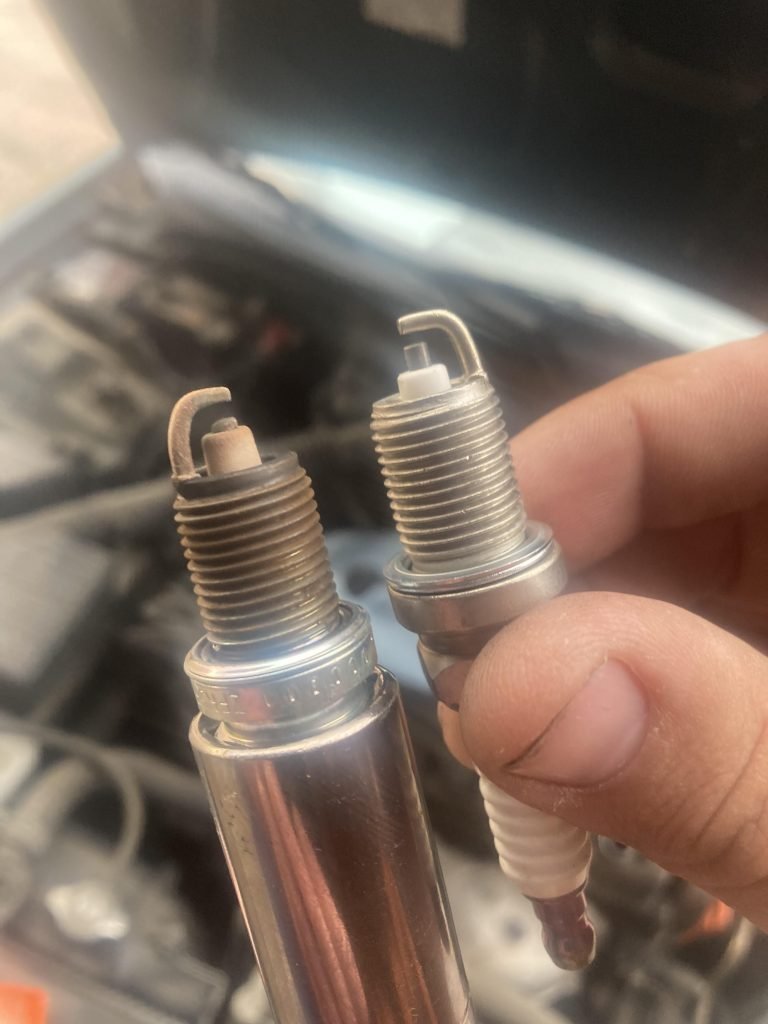
Visual inspection of your spark plugs is a straightforward way to spot potential issues before they affect your vehicle’s performance. By simply removing the spark plug and examining it closely, you can identify signs that it’s time for a replacement. Let’s look at some common visual indicators that reveal the health of your spark plugs.
Carbon Deposits And Soot
If you notice a black, dry, and powdery coating on the spark plug, that’s carbon buildup. This happens when the air-fuel mixture is too rich or the engine is running too cold. Excess carbon can cause misfires and reduce fuel efficiency.
Have you ever seen this on your plugs? It’s a clear sign you should check your engine tuning or fuel system and consider changing the spark plugs to restore smooth operation.
Burnt Or Damaged Electrodes
Look closely at the electrodes—the metal parts where the spark jumps across. If they appear eroded, melted, or blistered, the spark plug is overheating or has been exposed to extreme conditions.
This damage often leads to weak sparks and poor engine performance. If your electrodes look like this, don’t wait; replacing the spark plugs will prevent further engine issues.
Oil Or Fuel Fouling
Spotting wet, oily deposits or a strong smell of fuel on the spark plug means fuel or oil is leaking into the combustion chamber. This can happen due to worn piston rings, valve seals, or too much fuel entering the engine.
Such fouling causes misfires and rough idling. Have you experienced these symptoms? Changing your spark plugs and addressing the root cause will help your engine run cleaner and smoother.
Impact Of Old Spark Plugs On Engine Performance
Old spark plugs can silently drag down your engine’s performance without obvious signs. They impact how efficiently your engine runs, causing issues that might seem unrelated at first. Understanding these effects helps you decide when it’s time to replace them before bigger problems arise.
Increased Emissions
Worn-out spark plugs don’t ignite fuel properly. This incomplete combustion leads to higher emissions of harmful gases like carbon monoxide and unburned hydrocarbons. You might notice your car failing emissions tests or the check engine light turning on due to this.
Have you ever wondered why your vehicle suddenly struggles to pass inspection despite no recent changes? Old spark plugs could be the hidden cause behind those rising emissions.
Engine Knocking And Noise
Old or damaged spark plugs cause irregular firing in the engine cylinders. This can result in knocking sounds, which are not just annoying but harmful. Knocking stresses engine components and reduces overall smoothness.
Driving with engine noise is a warning. Ignoring it might lead to serious engine damage that’s costly to fix. Listen closely to your engine; unusual noises often point straight to old spark plugs needing replacement.
Higher Repair Costs
Delaying spark plug replacement can snowball into expensive repairs. Poor ignition efficiency forces your engine to work harder, wearing down parts like the catalytic converter and ignition coils. These components are pricier to fix than spark plugs.
Think about how a small, inexpensive part like a spark plug can prevent a chain reaction of failures. Replacing spark plugs on time saves you unexpected bills and keeps your car running reliably.

Credit: www.acg.aaa.com
Recommended Spark Plug Replacement Intervals
Knowing the right time to replace spark plugs helps keep your engine running smoothly. Spark plugs wear out gradually and affect your car’s performance. Following recommended replacement intervals saves money and avoids sudden breakdowns. These intervals vary by car and usage.
Manufacturer Guidelines
Car makers provide specific spark plug replacement intervals. These are found in your vehicle’s owner manual. Most spark plugs last between 30,000 and 100,000 miles. Platinum and iridium spark plugs often last longer than copper types. Always follow the manufacturer’s advice to maintain engine health.
Driving Conditions Influence
Driving habits affect how quickly spark plugs wear out. Frequent short trips cause deposits to build faster. Stop-and-go traffic puts extra stress on spark plugs. Dusty or dirty roads may cause faster wear. Hard acceleration and high speeds also reduce spark plug life.
Signs To Replace Sooner
Some signs mean spark plugs need changing before the scheduled interval. Look for:
- Engine misfires or rough idling
- Lower fuel efficiency
- Difficulty starting the car
- Loss of power during acceleration
- Unusual engine noises
These symptoms suggest spark plugs are worn or dirty. Replacing them early can prevent more serious engine problems.
Choosing The Right Spark Plugs
Choosing the right spark plugs can make a big difference in your vehicle’s performance and fuel efficiency. It’s not just about swapping old plugs for new ones; the type, heat range, and material all play a role. Knowing what fits your engine and driving style helps you avoid unnecessary repairs and keeps your ride smooth.
Types Of Spark Plugs
Spark plugs come in various types, each designed for different needs. The most common are copper, platinum, and iridium plugs.
- Copper plugsare affordable and provide good conductivity but wear out faster.
- Platinum plugslast longer and handle higher temperatures better than copper.
- Iridium plugsare the most durable and offer excellent performance but come at a higher price.
Think about how often you want to replace them. If you drive a lot or want less frequent changes, iridium might be worth the investment.
Heat Range And Material Considerations
Heat range is a measure of how quickly a spark plug can transfer heat from the combustion chamber to the engine head. Choosing the right heat range prevents overheating or fouling.
If your spark plug runs too hot, it can cause pre-ignition and damage your engine. If it’s too cold, it may foul quickly and reduce performance.
Material affects both heat tolerance and longevity. Iridium and platinum spark plugs handle heat better and last longer than copper, but copper plugs can perform well in older or less demanding engines.
Compatibility With Your Vehicle
Not all spark plugs fit every vehicle. Your engine’s design dictates the correct size, thread length, and gap. Using the wrong spark plug can lead to poor engine performance or even damage.
Check your vehicle’s manual or use online tools to find compatible spark plugs. If you’re unsure, ask a professional mechanic to avoid costly mistakes.
Have you ever chosen a plug that didn’t quite fit? It’s a common mistake, but one that’s easily avoided with a little research.
Diy Spark Plug Inspection Tips
Inspecting your spark plugs yourself can save you time and money while giving you a clearer sense of your car’s health. It’s easier than you might think, and with the right tools and approach, you can quickly spot signs that tell you it’s time for a switch. Curious about what you need and how to do it properly? Here are some straightforward tips to get you started.
Tools You Need
- Spark Plug Socket:A special socket that fits snugly around the plug, usually 5/8” or 13/16”.
- Ratchet Wrench:To turn the socket and remove the plug.
- Extension Bar:Helps reach plugs located deep in the engine.
- Gap Gauge:To measure the spark plug gap accurately.
- Compressed Air or a Brush:To clean the area around the plug before removal.
- Torque Wrench (optional):Ensures plugs are tightened to the right specification during reinstallation.
Steps For Removing And Inspecting
Start by letting your engine cool down completely; hot plugs can be dangerous to handle and might cause damage. Use compressed air or a brush to clear debris from around each plug to avoid anything falling into the cylinder.
Carefully attach your spark plug socket to the ratchet and slowly unscrew the plug. Once removed, examine the electrode and insulator for signs of wear, such as:
- Black, oily deposits indicating oil leakage
- White, blistered insulator suggesting overheating
- Rounded or eroded electrodes showing normal wear
- Heavy carbon buildup affecting spark quality
Check the gap using your gauge and compare it to your vehicle’s specifications. A gap that’s too wide or narrow can cause misfires or poor fuel economy.
When To Seek Professional Help
If you find damaged or heavily fouled plugs, it’s tempting to just replace them yourself, but some issues might run deeper. Persistent engine misfires, rough idling, or poor acceleration after a plug change could signal underlying problems like ignition coil failure or fuel system issues.
Also, if your engine design makes plug access difficult, or if you don’t have the right tools, a professional can save you from accidental damage. Remember, improper installation can cause engine damage, so don’t hesitate to ask a mechanic if you’re unsure.
Have you ever pulled a plug only to discover it looked fine but the engine still ran rough? Sometimes, the problem isn’t just the plug but what’s causing it to wear prematurely. Keep that in mind next time you’re under the hood.
Frequently Asked Questions
How Often Should Spark Plugs Be Replaced?
Spark plugs typically need replacement every 30,000 to 100,000 miles. Check your vehicle’s manual for exact intervals. Regular inspection helps prevent engine misfires and poor fuel efficiency.
What Are Common Signs Of Worn Spark Plugs?
Signs include engine misfires, rough idling, poor acceleration, and reduced fuel economy. If you notice these, inspect or replace your spark plugs promptly.
Can Bad Spark Plugs Cause Engine Problems?
Yes, faulty spark plugs can cause misfires, starting issues, and reduced engine performance. Replacing them restores smooth engine operation and improves fuel efficiency.
How Do I Check If Spark Plugs Need Replacement?
Look for signs like worn electrodes, carbon deposits, or corrosion. Use a spark plug gap tool to ensure proper spacing. If unsure, consult a mechanic.
Conclusion
Spark plugs keep your engine running smooth and strong. Signs like rough starts or poor fuel economy show it’s time for a change. Regular checks help avoid bigger car problems later. Don’t wait for a breakdown to act. Keep an eye on your spark plugs to drive safely and save money.
Simple care goes a long way in vehicle health. Remember, timely spark plug replacement improves your car’s performance and lifespan.





