Are your vehicle’s spark plugs not performing at their best? You might be surprised to learn that a good cleaning could be all they need to get back to optimal efficiency.
A dirty spark plug can lead to poor engine performance, reduced fuel efficiency, and even costly repairs if left unchecked. But don’t worry—cleaning your spark plugs is simpler than it sounds, and you can do it without any special skills or tools.
Imagine the satisfaction of knowing that you’ve saved time and money by taking matters into your own hands. Curious about how to do it right? Stick around to discover the step-by-step process that will have your spark plugs sparkling clean and your engine running smoothly.

Credit: www.reddit.com
Signs Of A Dirty Spark Plug
Recognizing the signs of a dirty spark plug can save you time and money on unnecessary repairs. A spark plug that’s clogged or worn out affects your engine’s performance noticeably. Watch out for these clear indicators to know when it’s time to clean or replace your spark plug.
Engine Misfires And Rough Idling
Have you ever noticed your engine suddenly jerking or hesitating? That’s often a sign of a dirty spark plug. When the spark plug can’t ignite the fuel-air mixture properly, the engine misfires, causing rough idling and uneven power delivery.
This can feel like a stumble or a pause in your car’s usual smooth operation. If you experience this, check your spark plugs before assuming it’s a bigger engine problem.
Reduced Fuel Efficiency
Are you filling up your gas tank more often than usual? Dirty spark plugs burn fuel inefficiently, which means your engine uses more gas to do the same work.
This not only wastes money but also increases emissions. Cleaning your spark plugs can restore their ability to ignite fuel efficiently and improve your mileage noticeably.
Difficulty Starting The Engine
Struggling to start your vehicle, especially on cold mornings? A fouled spark plug can make ignition a challenge.
If your engine cranks but won’t start easily, the spark plugs might be covered in deposits that block the spark. Cleaning these deposits can often bring your engine back to life without costly repairs.
Tools And Materials Needed
Cleaning spark plugs doesn’t require a lot of fancy equipment, but having the right tools and materials makes the job easier and more effective. You’ll want to gather everything beforehand to avoid interruptions and ensure you get the best results. Each tool plays a specific role in removing dirt, checking gaps, and making sure your spark plugs work like new.
Spark Plug Socket And Ratchet
A spark plug socket is specially designed to fit the hex shape of your spark plugs, making removal and installation smooth without damaging the plug.
Pair this socket with a ratchet for easy turning. The right tools help you avoid stripping the plug or injuring yourself, especially if the plugs are tightly in place.
Have you noticed how much time a proper socket saves compared to a regular wrench? It’s a small investment that pays off in convenience.
Wire Brush And Cleaning Solution
A wire brush is essential to scrub off carbon deposits and grime from the spark plug’s metal parts. Choose a brush with stiff bristles but be gentle to avoid damaging the ceramic insulator.
Cleaning solution, like a carburetor cleaner or specialized spark plug cleaner, helps dissolve stubborn dirt and grease. Spray it onto the plug before brushing for better results.
Think about how much easier it is to clean something soaked in the right solution. This step can save you from scrubbing endlessly and still not getting the plug clean.
Gap Gauge And Compressed Air
After cleaning, checking the spark plug gap is crucial. A gap gauge lets you measure the space between the electrodes to ensure it matches your engine’s specifications.
Compressed air blasts away any leftover dirt or cleaning solution from the plug’s crevices. This prevents debris from interfering with spark performance when you reinstall it.
Have you ever skipped checking the gap only to find your engine misfiring later? Taking these final steps can prevent that hassle and keep your engine running smoothly.
Removing The Spark Plug Safely
Removing the spark plug safely is crucial before cleaning it. Taking care avoids damage to the engine and ensures your safety. Follow simple steps to remove the spark plug properly without causing harm. Use the right tools and handle parts with care. This process helps maintain your vehicle’s performance and extends the life of the spark plug.
Locating The Spark Plug
Open the hood of your vehicle. Look for the engine block where the spark plugs sit. They usually have thick wires attached. Check your vehicle’s manual if you cannot find them. The spark plugs are often near the top or side of the engine.
Disconnecting The Spark Plug Wire
Hold the spark plug wire by its boot, not the wire itself. Gently pull the boot off the plug to avoid damage. Do not yank or twist the wire hard. This prevents breaking the wire or connector. Remember to keep track of which wire goes to which plug.
Using The Right Tools For Removal
Use a spark plug socket and a ratchet wrench. The socket fits snugly over the plug for easy turning. Make sure the socket size matches the plug. Turn the wrench counterclockwise to loosen the plug. Remove it carefully by hand once loose. Avoid dropping the spark plug to prevent damage.

Credit: www.youtube.com
Effective Cleaning Techniques
Cleaning your spark plug effectively can make a big difference in your engine’s performance. Using the right techniques ensures you remove dirt and buildup without damaging the delicate parts. Let’s look at some practical ways to get your spark plug clean and running smoothly again.
Removing Carbon Deposits
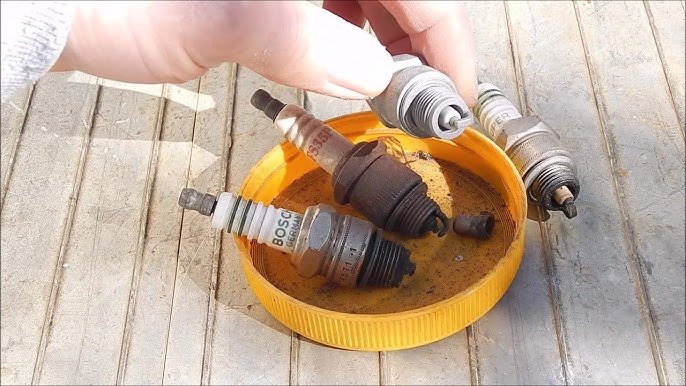
Carbon deposits can block the spark and reduce your engine’s efficiency. Use a small pick or a flathead screwdriver to gently scrape off the thick carbon buildup. Be careful not to damage the electrode or ceramic insulator.
After scraping, tap the spark plug lightly to dislodge loose particles. You might notice the difference in your engine’s smoothness after this simple cleaning.
Cleaning With A Wire Brush
A wire brush is a handy tool to clean the metal parts of your spark plug. Brush the electrodes and threads thoroughly to remove rust and grime. Avoid using excessive force to prevent bending the electrode.
Make sure to clean in a well-ventilated area because dust from the wire brushing can be harmful if inhaled. This method works well if your spark plug isn’t heavily fouled.
Using Specialized Cleaning Solutions
Some cleaning solutions are designed specifically for spark plugs. Soak the plug in the solution for the time recommended by the manufacturer. This helps dissolve stubborn deposits that brushing alone can’t remove.
After soaking, rinse the spark plug with water and dry it completely before reinstalling. Have you tried any particular cleaning solution that gave your spark plug a like-new feel? Share your experience—it might help others decide what works best.
Inspecting And Testing Spark Plugs
Inspecting and testing spark plugs is a crucial part of keeping your engine running smoothly. Before cleaning, you need to know exactly what condition your spark plugs are in. This helps you decide whether cleaning will fix the issue or if replacement is necessary.
Checking For Wear And Damage
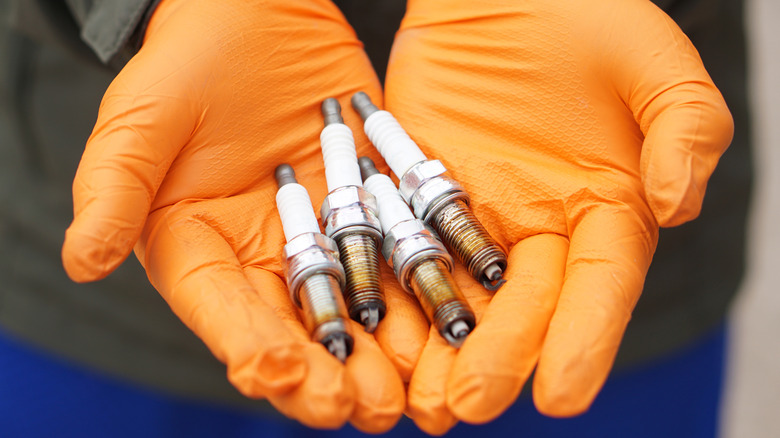
Start by removing the spark plug and examining it closely under good light. Look for cracks, chips, or heavy deposits on the ceramic insulator or electrode. If you notice excessive wear, burnt tips, or oil fouling, these signs point to serious problems.
Ask yourself: Is the electrode eroded or the insulator discolored? If yes, cleaning might not restore proper function. Also, check the spark plug threads for damage—stripped threads can cause poor contact and misfires.
Measuring The Electrode Gap
The gap between the center and ground electrode affects how well your spark plug fires. Use a feeler gauge to measure this gap precisely. Refer to your vehicle’s manual to find the correct gap size.
If the gap is too wide or too narrow, the spark won’t ignite the air-fuel mixture efficiently. You can gently adjust the gap with a spark plug tool, but be careful not to bend the electrode too much. A correct gap helps maintain engine performance and fuel efficiency.
When To Replace Instead Of Clean
Not all spark plugs can be saved with cleaning. If you see heavy carbon buildup that won’t scrub off, or if the electrode is worn down significantly, replacement is the better option. Cleaning won’t fix physical damage or severe wear.
Think about how long the spark plug has been in use. If it’s past the manufacturer’s recommended mileage, replacing it is often safer and more cost-effective. Continuing to use a failing spark plug can cause engine misfires and reduce your vehicle’s overall performance.
Reinstalling The Spark Plug
Reinstalling the spark plug is a crucial step that ensures your engine runs smoothly after cleaning. If the plug is not set or secured properly, it can cause engine misfires or damage. Taking your time here will save you from costly repairs and improve your engine’s performance.
Setting The Correct Gap
Before reinstalling, check the gap between the spark plug electrodes. This gap affects how the spark ignites the fuel-air mixture.
Use a feeler gauge to measure the gap and compare it with your engine’s specifications, usually found in the owner’s manual.
If the gap is too wide or narrow, gently adjust it by bending the ground electrode until it matches the recommended distance.
Properly Tightening The Spark Plug
Over-tightening or under-tightening the spark plug can cause serious problems like stripped threads or poor engine performance.
Start threading the spark plug by hand to avoid cross-threading, then use a torque wrench to tighten it to the manufacturer’s recommended torque.
If you don’t have a torque wrench, a good rule is to tighten it firmly until snug, then give it an additional 1/4 turn.
Reconnecting The Spark Plug Wire
Make sure the spark plug wire is securely attached to the plug to maintain a strong electrical connection.
Push the spark plug boot firmly onto the spark plug until you feel or hear it click into place.
Loose connections can cause weak sparks and engine misfires, so double-check the connection before finishing your job.
Maintenance Tips For Longevity
Maintaining spark plugs properly helps your engine run smoothly. It also extends the life of the plugs. Regular care prevents common problems like misfires and poor fuel economy. Simple habits keep spark plugs clean and efficient. Follow these tips to ensure your spark plugs last longer.
Regular Inspection Schedule
Check spark plugs every 10,000 to 15,000 miles. Look for signs of wear or damage. Clean or replace plugs if they appear dirty or worn out. Keeping to a schedule avoids sudden engine troubles. Use a spark plug gap tool to measure the gap. Adjust the gap if it is too wide or narrow.
Avoiding Contaminants
Keep oil, dirt, and water away from spark plugs. Contaminants cause fouling and reduce spark efficiency. Clean the engine area before removing plugs. Use gloves to prevent oil from transferring. Store plugs in a clean, dry place if not installing immediately. Preventing contamination helps maintain strong sparks.
Using Quality Fuel And Oil
Use good quality fuel to reduce deposits on spark plugs. Low-grade fuel causes carbon buildup and fouling. Choose engine oil recommended by your vehicle’s manufacturer. Clean oil keeps plugs free from deposits. Quality fuel and oil improve combustion and plug performance.
Credit: www.jalopnik.com
Frequently Asked Questions
How Often Should I Clean Spark Plugs?
Spark plugs should be cleaned every 20,000 to 30,000 miles. Regular cleaning maintains engine efficiency and prevents misfires. Check your vehicle’s manual for specific intervals. Frequent cleaning extends spark plug life and improves fuel economy.
What Tools Are Needed To Clean Spark Plugs?
You need a wire brush, spark plug socket, cleaning spray, and a gap gauge. These tools help remove deposits and check the spark plug gap. Using the right tools ensures thorough cleaning without damage.
Can I Clean Spark Plugs At Home Safely?
Yes, you can clean spark plugs at home with basic tools. Ensure the engine is cool and work in a well-ventilated area. Follow proper steps to avoid damaging the spark plug or engine.
How Do I Know If Spark Plugs Need Cleaning?
Signs include engine misfires, poor fuel economy, and rough idling. Visual inspection shows carbon buildup or oil deposits on the spark plug. Regular checks prevent serious engine issues.
Conclusion
Cleaning spark plugs keeps your engine running smooth and strong. Regular care stops dirt and grime from causing problems. Use simple tools and gentle methods for best results. Check your spark plugs often to avoid engine trouble. A clean spark plug saves fuel and boosts power.
Take a little time to clean them well. Your engine will thank you with better performance. Easy steps make spark plug cleaning simple and useful. Keep your vehicle healthy by giving spark plugs some attention.





