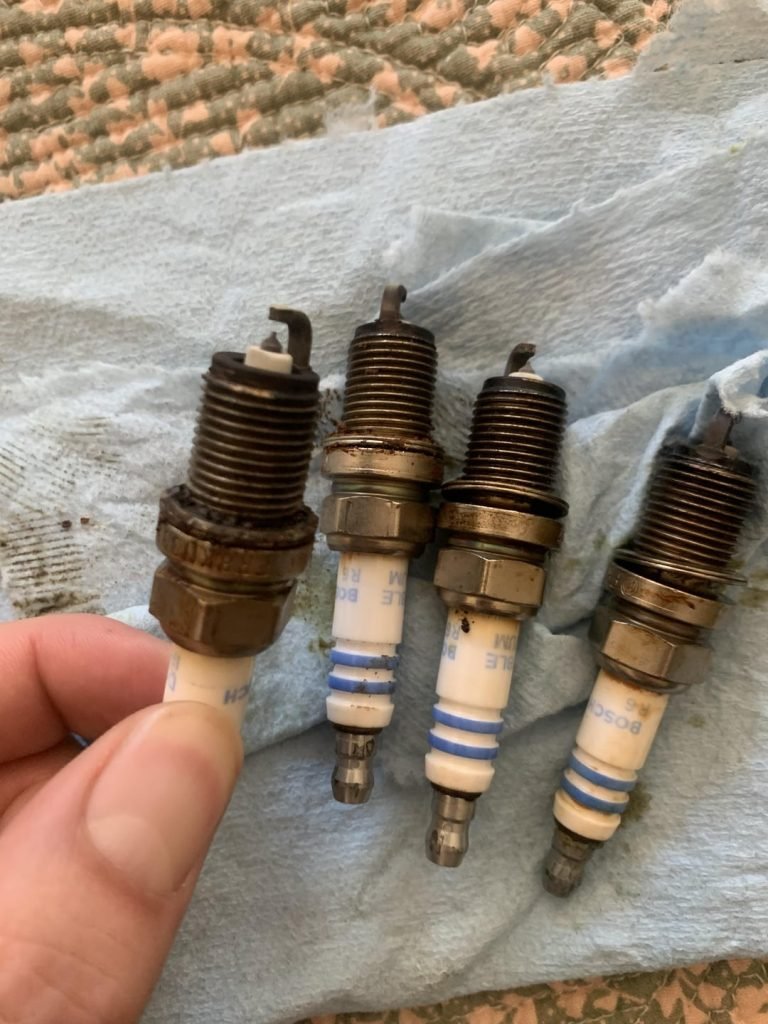
Have you ever checked your car’s spark plugs and found them coated in oil? If so, you’re not alone.
This is a common issue that can leave you scratching your head, wondering what’s wrong with your vehicle. Understanding the causes of oil on a spark plug is crucial for maintaining your car’s health and performance. Whether you’re a seasoned mechanic or just trying to keep your car running smoothly, knowing the reasons behind this oily mystery can save you both time and money.
We’ll dive into the most common causes of oil on a spark plug and help you identify the warning signs before they become costly repairs. Ready to uncover the secrets hiding under your car’s hood? Let’s get started.

Credit: www.odyclub.com
Oil Contamination On Spark Plugs
Oil contamination on spark plugs happens when engine oil leaks into the combustion chamber. This oil coats the spark plug, causing it to foul. It disrupts the spark plug’s ability to ignite the air-fuel mixture properly. The causes may include worn piston rings, valve seals, or other engine problems.
Oil on spark plugs can lead to poor engine performance and higher emissions. Early detection helps prevent costly repairs and keeps the engine running smoothly.
Signs Of Oil On Spark Plugs
- Black, oily deposits on the spark plug tip
- Difficulty starting the engine
- Engine misfires or rough idle
- Increased fuel consumption
- Blue or gray smoke from the exhaust
Impact On Engine Performance
Oil on spark plugs blocks the spark needed for combustion. This causes weak or no ignition in affected cylinders. The engine loses power and runs unevenly. Fuel efficiency drops as more fuel is wasted. Prolonged oil contamination may damage the catalytic converter. Fixing the issue quickly is important to avoid bigger problems.
Worn Piston Rings
Worn piston rings cause oil to leak into the combustion chamber. These rings seal the gap between the piston and cylinder wall. Over time, wear and tear reduce their ability to keep oil out. This leads to oil fouling on the spark plug and poor engine performance.
How Piston Rings Leak Oil
Piston rings wear down from constant movement and heat. When they lose their tight seal, oil seeps past them. This oil reaches the combustion chamber and burns with the fuel-air mixture. The burning oil leaves deposits on the spark plug.
The main reasons for piston ring leakage include:
- Ring wear from friction
- Broken or cracked rings
- Scored cylinder walls
- Improper ring installation
Symptoms Of Worn Rings
Worn piston rings cause several noticeable symptoms:
- Blue smoke from the exhaust
- Loss of engine power
- Increased oil consumption
- Oil deposits on spark plugs
- Rough idling or misfires
Spotting these symptoms early helps prevent engine damage. Regular maintenance keeps piston rings in good condition.
Valve Guide Seals
Valve guide seals play a crucial role in controlling oil flow inside the engine. They sit around the valve stems and stop oil from leaking into the combustion chamber. These seals keep the engine running smoothly by maintaining the right amount of oil where it is needed.
Role Of Valve Seals
Valve seals prevent excess oil from entering the engine cylinders. They allow a small amount of oil to lubricate valve stems. This helps reduce wear and tear on the valves and guides. Without good seals, the engine would lose oil control and efficiency.
Oil Leakage Through Valve Guides
Worn or damaged valve guide seals let oil slip into the combustion chamber. This oil mixes with air and fuel, causing oily deposits on spark plugs. These deposits make spark plugs dirty and less effective. This leads to poor engine performance and increased emissions.
Blow-by Gases
Blow-by gases are a common but often overlooked cause of oil on spark plugs. These gases are combustion byproducts that escape past the piston rings and enter the crankcase. If these gases carry oil vapors or liquids, they can find their way onto the spark plugs, affecting engine performance.
What Causes Blow-by
Blow-by happens when the piston rings fail to seal the combustion chamber properly. This failure can occur due to wear, damage, or poor installation of the rings. High mileage engines or those subjected to heavy loads often face this issue.
Other factors include:
- Worn cylinder walls that allow gases to leak
- Excessive crankcase pressure pushing gases into unwanted areas
- Overheated engines causing piston ring distortion
Have you noticed your engine losing compression or burning oil? These could be signs that blow-by gases are at work under your hood.
Effect On Spark Plugs
When blow-by gases carry oil into the combustion chamber, the oil can coat your spark plugs. This coating affects the spark plugs’ ability to ignite the air-fuel mixture effectively.
Here’s what happens:
- The spark may become weak or inconsistent
- Engine misfires can increase
- Fuel efficiency drops as combustion becomes less complete
Ignoring oil on spark plugs caused by blow-by gases can lead to harder starts and rough idling. Have you checked your spark plugs after noticing these symptoms? A quick inspection can save you from costly repairs down the line.
Cylinder Head Gasket Issues
The cylinder head gasket plays a vital role in your engine’s performance. It seals the cylinder head to the engine block. This seal prevents oil, coolant, and combustion gases from leaking. When the gasket fails, oil can enter places it shouldn’t. One common sign is oil on the spark plug.
Problems with the cylinder head gasket need quick attention. Oil on the spark plug affects engine spark and overall performance. Understanding gasket issues helps diagnose this problem early.
Gasket Damage And Oil Leaks
The gasket can wear out or crack due to heat and pressure. Damage allows oil to leak into the combustion chamber. This oil coats the spark plug, causing misfires and poor engine running.
Leaks may also let coolant mix with oil, harming engine parts. Overheating often causes gasket damage. Age and poor maintenance add to the risk.
Detecting Gasket Problems
Look for signs like white smoke from the exhaust. Engine overheating and loss of power are common symptoms. Check for oil in the coolant or coolant in the oil.
A compression test can reveal leaks in the gasket. Mechanics may use a chemical test to detect exhaust gases in the coolant. Early detection prevents costly engine repairs.

Credit: www.reddit.com
Overfilled Or Contaminated Oil
Overfilled or contaminated oil can cause oil to appear on your spark plugs, leading to performance issues in your engine. This problem often arises from simple mistakes during oil changes or from using poor-quality oil. Understanding how these factors affect your engine helps you avoid costly repairs and maintain smooth operation.
Consequences Of Overfilling
Adding too much oil may seem harmless, but it can create serious problems. Excess oil can flood the combustion chamber, causing oil to leak onto the spark plug. This leads to misfires, rough idling, and decreased fuel efficiency.
You might notice black, oily deposits on your spark plugs, which indicate overfilling. Have you ever checked your dipstick and found oil levels way above the max mark? That’s a sign you’re risking engine damage.
Overfilled oil can also cause increased pressure inside the engine crankcase. This may push oil past seals and gaskets, worsening leaks and contaminating spark plugs further.
Oil Quality And Engine Health
Using low-quality or contaminated oil can be just as damaging as overfilling. Dirt, water, or fuel mixed in the oil can create sludge that clogs engine parts and deposits on spark plugs.
Dirty oil loses its ability to lubricate properly, leading to increased engine wear. This wear can open pathways for oil to enter the combustion chamber and foul the spark plugs.
Think about the last time you skipped an oil change or used cheap oil. Did your engine feel sluggish or noisy? These are early signs your oil quality is hurting your engine health.
To protect your spark plugs and engine, always use the recommended oil type and change it regularly. Clean, high-quality oil keeps your engine running smoothly and prevents oil contamination on spark plugs.
Improper Pcv Valve Function
Improper PCV valve function often causes oil to appear on spark plugs. The PCV valve controls gases inside the engine. If it malfunctions, oil can enter places it should not. This leads to fouled spark plugs and engine problems. Understanding the PCV valve’s role helps explain why oil shows on spark plugs.
Pcv Valve Role In Oil Control
The PCV (Positive Crankcase Ventilation) valve removes gases from the engine crankcase. It sends these gases back to the intake manifold to burn in the engine. This process prevents pressure build-up inside the engine. It also stops oil from leaking into parts like spark plugs. A working PCV valve keeps the engine clean and running smoothly.
Malfunctions Leading To Oil On Plugs
A stuck or clogged PCV valve can cause oil to leak into the combustion chamber. This oil coats the spark plugs and causes misfires. The valve may also allow excess pressure to build in the crankcase. This pushes oil through seals and into the spark plug holes. Symptoms include rough idle, poor fuel economy, and black smoke from the exhaust.
Diagnosis And Inspection Tips
Diagnosing oil on a spark plug requires careful inspection and specific tests to pinpoint the exact cause. You can’t just guess what’s wrong and hope for the best. A thorough approach saves time and money by identifying the real issue early.
Visual Inspection Techniques
Start by removing the spark plug and examining it closely under good lighting. Look for oily deposits on the electrode and insulator, which indicate oil leakage. Notice the color and texture—wet, black oil spots differ from dry carbon buildup.
Check the spark plug’s threads and surrounding area for signs of oil seepage. Also, inspect the cylinder head and valve cover gasket for leaks that might allow oil to reach the plug. Have you ever caught a leaking gasket just by spotting oil around the plug? It’s a simple yet effective clue.
Using a magnifying glass or a digital camera can help capture details you might miss with the naked eye. Keep a log of what you see to compare with normal spark plug conditions. This visual record can guide your next steps.
Using Compression And Leak-down Tests
Compression and leak-down tests measure how well your engine holds pressure, revealing internal problems that cause oil on spark plugs. Low compression in a cylinder often signals worn piston rings or a damaged valve seal, both of which allow oil to enter the combustion chamber.
During a compression test, you’ll screw a gauge into the spark plug hole and crank the engine. You want to see consistent pressure readings across all cylinders. Uneven pressure means you need to dig deeper.
The leak-down test goes further by introducing compressed air into the cylinder and measuring how much escapes. This test can pinpoint the exact source of leaks, whether through valves, piston rings, or head gaskets. Imagine knowing exactly where the oil is sneaking in—that’s the power of this test.
Have you tried these tests yourself? They provide clear, measurable data that beats guessing and help you decide if a repair or rebuild is necessary.
Repair And Maintenance Solutions
Repair and maintenance play a vital role in fixing oil on a spark plug. Addressing the root cause prevents engine damage and improves performance. Timely action helps keep your engine running smoothly and efficiently.
Replacing Worn Components
Worn valve guides or piston rings often cause oil leaks onto spark plugs. Replacing these parts stops oil from entering the combustion chamber. Use quality parts for lasting repairs. A mechanic can inspect and identify damaged components. Regular checks help catch wear early before it worsens.
Regular Oil Changes And Checks
Old or dirty oil can worsen spark plug fouling. Changing oil at recommended intervals keeps the engine clean. Check oil levels often to avoid overfilling or low oil. Proper oil care reduces leaks and buildup on spark plugs. Use the right oil type for your engine model.
Credit: www.chryslerminivan.net
Frequently Asked Questions
What Causes Oil To Appear On Spark Plugs?
Oil on spark plugs is usually caused by worn valve seals or piston rings. These parts allow oil to leak into the combustion chamber. This oil then coats the spark plug, leading to misfires and poor engine performance.
How Does Oil On Spark Plugs Affect Engine Performance?
Oil on spark plugs disrupts the spark needed for ignition. This causes engine misfires, rough idling, and reduced fuel efficiency. Over time, it can lead to increased emissions and engine damage if not addressed promptly.
Can Worn Valve Seals Cause Oil On Spark Plugs?
Yes, worn valve seals can let oil seep into the combustion chamber. This results in oil coating on spark plugs. Replacing the valve seals can resolve this issue and restore engine function.
Is Piston Ring Wear Responsible For Oil On Spark Plugs?
Piston ring wear allows oil to enter the combustion chamber. This oil then deposits on spark plugs, causing fouling. Regular engine maintenance can help detect and prevent piston ring wear.
Conclusion
Oil on a spark plug signals a problem in your engine. It can cause misfires and poor performance. Common causes include worn valve seals or piston rings. Regular engine checks help spot issues early. Fixing the root cause saves money and avoids bigger repairs.
Keep your spark plugs clean for smooth driving. Understanding these causes helps you maintain your car better. Don’t ignore oil on spark plugs—it affects your engine’s health. Stay alert and act fast to keep your vehicle running well.





