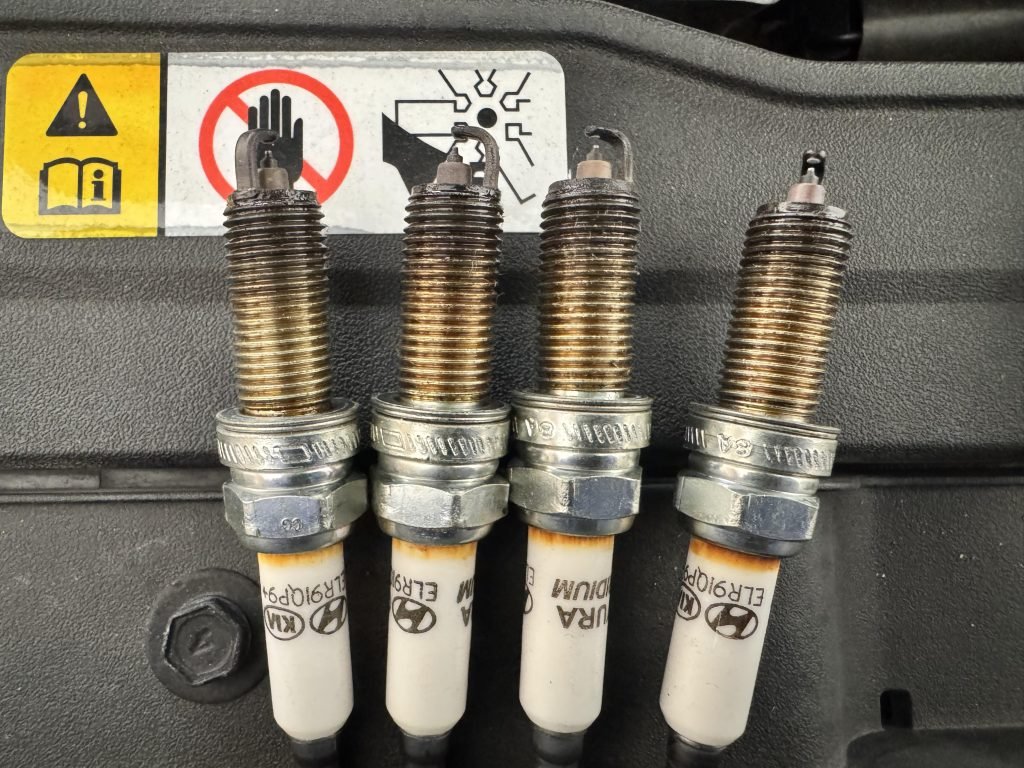
Have you recently discovered oil in your spark plugs? It’s a scenario that can spark concern, leaving you wondering about the health of your vehicle.
You’re not alone. Many car owners face this puzzling issue and struggle to understand its implications. Your spark plugs are crucial for your engine’s performance, and finding oil on them isn’t just a minor hiccup; it could be a sign of a deeper problem lurking beneath the hood.
We’ll delve into the reasons why oil might be making its way into your spark plugs, and what it means for your car’s well-being. Stay with us as we unravel this mystery and help you keep your engine running smoothly.
Common Causes Of Oil In Spark Plugs
Finding oil in your spark plugs can be frustrating and confusing. It signals that something isn’t right inside your engine. Understanding the common causes helps you pinpoint the issue quickly and decide if it’s a DIY fix or a call for professional help.
Worn Valve Stem Seals
Valve stem seals control the amount of oil that lubricates the valve stems. When these seals wear out, oil can leak into the combustion chamber and coat the spark plugs. You might notice blue smoke from the exhaust or rough engine idling along with oil in the plugs.
Have you checked your valve seals recently? Sometimes the fix is as simple as replacing these seals before the problem worsens.
Damaged Piston Rings
Piston rings seal the gap between the piston and cylinder wall. If they’re damaged or worn, oil can seep into the combustion chamber. This issue can cause poor engine performance and increased oil consumption.
Think about your engine’s mileage and maintenance history—high mileage often means piston rings are a likely suspect. Catching this early can save you from expensive repairs down the road.
Faulty Cylinder Head Gasket
The cylinder head gasket seals the engine block and cylinder head. A failure here allows oil to leak into the combustion chamber, affecting spark plugs. You might also notice coolant mixing with oil or overheating issues.
Have you experienced any recent overheating or white smoke from the exhaust? These are signs worth investigating alongside oil on your spark plugs.
Excessive Crankcase Pressure
Crankcase pressure builds up when the engine’s ventilation system is blocked or malfunctioning. This pressure forces oil past seals and into the combustion chamber, contaminating the spark plugs. It’s often linked to clogged PCV valves or blocked breather pipes.
Do you hear unusual hissing sounds or notice oil leaks around the engine? Checking your PCV system could be the key to fixing oil in your spark plugs.
Symptoms Of Oil-contaminated Spark Plugs
Spotting the symptoms of oil-contaminated spark plugs early can save your engine from serious damage. Oil on your spark plugs disrupts their normal function, causing noticeable changes in how your car runs. Recognizing these signs helps you act before minor issues turn into costly repairs.
Engine Misfires
When oil coats your spark plugs, it prevents the spark from firing properly. You might feel the engine sputter or jerk unexpectedly while driving. Have you noticed your car hesitating or losing power during acceleration? This is often a direct result of misfires caused by oil fouling the plugs.
Reduced Fuel Efficiency
Oil-contaminated spark plugs can cause incomplete combustion inside the engine. This means your car burns more fuel to deliver the same power. If your fuel gauge drops faster than usual, it’s a clear sign your spark plugs may be struggling due to oil contamination.
Difficulty Starting Engine
Oil on spark plugs makes it harder for the engine to ignite the fuel-air mixture. You might experience longer crank times or multiple attempts before the engine starts. Ever wonder why your car seems reluctant to start on cold mornings? Dirty spark plugs could be the culprit.
Blue Smoke From Exhaust
Seeing blue smoke coming from your exhaust is a red flag of oil burning in the combustion chamber. This often happens when oil leaks past worn seals or gaskets, contaminating the spark plugs. If you catch this early, you can prevent more extensive engine damage and costly repairs.
Diagnosing The Problem
Finding oil in your spark plugs signals an issue that needs attention. Diagnosing the cause helps prevent engine damage and costly repairs. Start by checking the spark plugs and engine condition carefully.
Visual Inspection Techniques
Remove the spark plugs and look closely at their tips. Oil deposits appear as wet, dark, shiny patches. Check for black soot or burnt marks too. Inspect the spark plug holes for oil presence. Use a flashlight for better visibility inside the cylinder. This simple check points out oil leaks or worn seals.
Compression Testing
Compression testing measures how well each cylinder seals. Low compression suggests worn piston rings or cylinder walls. This allows oil to enter the combustion chamber. Use a compression gauge on each cylinder. Compare results to the manufacturer’s specifications. Consistent low readings indicate internal engine damage.
Leak-down Testing
Leak-down testing finds where air escapes from the cylinder. It helps locate leaks in valves, piston rings, or head gaskets. Pressurized air is pushed into the cylinder at top dead center. Listen and watch for escaping air noises or bubbles in coolant. High leak-down rates show faulty engine parts letting oil in.
Oil Consumption Monitoring
Track how much oil your engine uses over time. Excessive oil consumption often relates to internal leaks. Measure oil levels regularly and note usage patterns. Sudden drops mean possible leaks or burning oil. Monitoring helps detect problems early before spark plugs get fouled.

Credit: www.reddit.com
Quick Fixes For Oil In Spark Plugs
Oil in spark plugs can cause misfires and poor engine performance. Fixing this problem quickly helps avoid bigger issues. Some repairs are simple and can be done at home. Others might need a mechanic’s help. Here are some quick fixes to try.
Cleaning Or Replacing Spark Plugs
Remove the spark plugs and check their condition. Clean off any oil deposits using a wire brush or spark plug cleaner. If the plugs are too dirty or damaged, replace them. New spark plugs improve engine firing and reduce oil fouling.
Using High-quality Engine Oil
Choose engine oil with the right viscosity and quality for your car. High-quality oil reduces leaks and burns cleaner. This lowers the chance of oil reaching the spark plugs. Change oil regularly to keep the engine running smoothly.
Temporary Valve Seal Repairs
Worn valve seals can let oil seep into the combustion chamber. Use valve seal repair kits as a short-term solution. These kits help stop oil leaks around the valves. Remember, permanent repair may require professional work.
Managing Crankcase Ventilation
Check the crankcase ventilation system for clogs or damage. A blocked system increases pressure and pushes oil into the cylinders. Clean or replace the PCV valve and hoses if needed. Proper ventilation prevents oil buildup on spark plugs.
Long-term Solutions And Repairs
Finding oil in your spark plugs signals an underlying issue that needs more than a quick fix. Addressing the root causes through long-term solutions not only restores engine performance but also prevents further damage. Let’s look at some key repairs that can help you solve this problem effectively.
Replacing Valve Stem Seals
Valve stem seals prevent oil from leaking into the combustion chamber. Over time, these seals wear out, allowing oil to pass through and foul your spark plugs. Replacing them stops oil from entering the cylinders and keeps your engine running clean.
Have you noticed your engine smoking on startup? That’s often a sign the valve stem seals need attention. Fixing these seals can save you from costly repairs down the line.
Installing New Piston Rings
Piston rings seal the gap between the piston and cylinder wall. When they wear out, oil seeps into the combustion chamber, causing oil deposits on your spark plugs. Installing new piston rings restores the seal and reduces oil consumption.
This repair requires careful workmanship, but the payoff is a smoother-running engine and improved fuel efficiency. Consider this if you see excessive oil consumption paired with spark plug fouling.
Fixing Head Gasket Leaks
A damaged head gasket can allow oil to mix with the combustion process, contaminating your spark plugs. Repairing or replacing the head gasket stops oil leaks and protects your engine’s integrity.
Ignoring a head gasket leak can lead to overheating and severe engine damage. If your spark plugs are oily and you notice coolant loss or engine overheating, a head gasket check should be on your list.
Regular Engine Maintenance
Consistent engine care is one of the best ways to prevent oil from reaching your spark plugs. Regular oil changes, timely tune-ups, and checking for early signs of wear keep your engine components in good shape.
Have you tracked your maintenance schedule lately? Small steps like replacing air filters and monitoring oil levels can extend engine life and keep your spark plugs clean. Your engine will thank you for the attention.

Credit: www.chryslerminivan.net
Preventive Measures To Avoid Oil Contamination
Oil contamination in spark plugs can lead to engine misfires, reduced fuel efficiency, and costly repairs. Preventing this issue starts with simple, consistent care routines that help you spot problems before they escalate. Taking a proactive approach keeps your engine running smoothly and saves you from unexpected breakdowns.
Routine Spark Plug Checks
Regularly inspecting your spark plugs can reveal early signs of oil contamination. Look for black, oily deposits on the plug tips, which indicate oil is leaking into the combustion chamber. Checking your spark plugs every 10,000 to 15,000 miles can help you catch issues before they cause serious engine damage.
Have you noticed unusual engine behavior but ignored it? A quick spark plug check might have prevented a bigger problem. Make it part of your maintenance routine and keep a spare set handy for quick replacements.
Timely Oil Changes
Changing your engine oil on schedule reduces the risk of sludge buildup and oil leaks. Old, dirty oil can damage seals and gaskets, allowing oil to seep into the spark plug wells. Follow your vehicle manufacturer’s recommended intervals and use the correct oil grade to maintain engine health.
Skipping oil changes might seem like saving money, but it often leads to costly repairs down the road. Think about the last time you changed your oil—could your engine benefit from an earlier change?
Monitoring Engine Performance
Pay attention to how your engine runs. Rough idling, decreased power, or increased fuel consumption can signal oil contamination issues. Use a diagnostic tool or visit a mechanic to check for trouble codes related to ignition or combustion.
Keeping an eye on your engine’s behavior helps you react quickly. Don’t wait for warning lights—your senses can alert you first. Have you ever ignored a minor issue that later became a major repair?
Addressing Engine Issues Early
If you detect oil on your spark plugs, act fast to find the source. Common causes include worn valve seals, damaged piston rings, or faulty gaskets. Fixing these problems early prevents oil from spreading and causing further engine damage.
Ignoring small leaks can lead to expensive repairs. When was the last time you had your engine checked for leaks or unusual oil consumption? Early intervention keeps your car reliable and your wallet happy.

Credit: www.reddit.com
Frequently Asked Questions
Why Is Oil Leaking Into My Spark Plugs?
Oil leaks into spark plugs due to worn valve seals or piston rings. This causes oil to enter the combustion chamber, contaminating the plugs and affecting engine performance.
Can Oil In Spark Plugs Cause Engine Misfires?
Yes, oil on spark plugs can cause misfires. It disrupts the spark needed for combustion, leading to rough idling and decreased engine efficiency.
How Do I Fix Oil In My Spark Plugs?
Fixing oil in spark plugs requires checking valve seals, piston rings, or PCV valve. Replacing damaged parts stops oil leaks and restores proper engine function.
Is Oil In Spark Plugs A Sign Of Engine Damage?
Oil in spark plugs often indicates engine wear or damage. Early repair prevents further harm and maintains engine performance and fuel efficiency.
Conclusion
Oil in spark plugs signals an engine problem you should not ignore. It often means worn piston rings or valve seals. This issue can cause poor engine performance and higher fuel use. Fixing it early saves money and prevents bigger damage.
Regular car check-ups help catch such problems fast. Keep your engine healthy and running smoothly. Watch for signs and act quickly. Your car will thank you with better power and longer life.





