Are you wondering how many spark plugs your vehicle really needs? You’re not alone.
This common question often leaves drivers puzzled, and getting the answer right is crucial for your car’s performance. Spark plugs play a vital role in powering your engine, and using the correct number can mean the difference between a smooth ride and frustrating breakdowns.
But don’t worry, we’ve got you covered. By reading on, you’ll uncover the secrets to determining exactly how many spark plugs your vehicle requires, ensuring it runs efficiently and reliably. Stay with us, and let’s clear up this automotive mystery together!
Spark Plug Basics
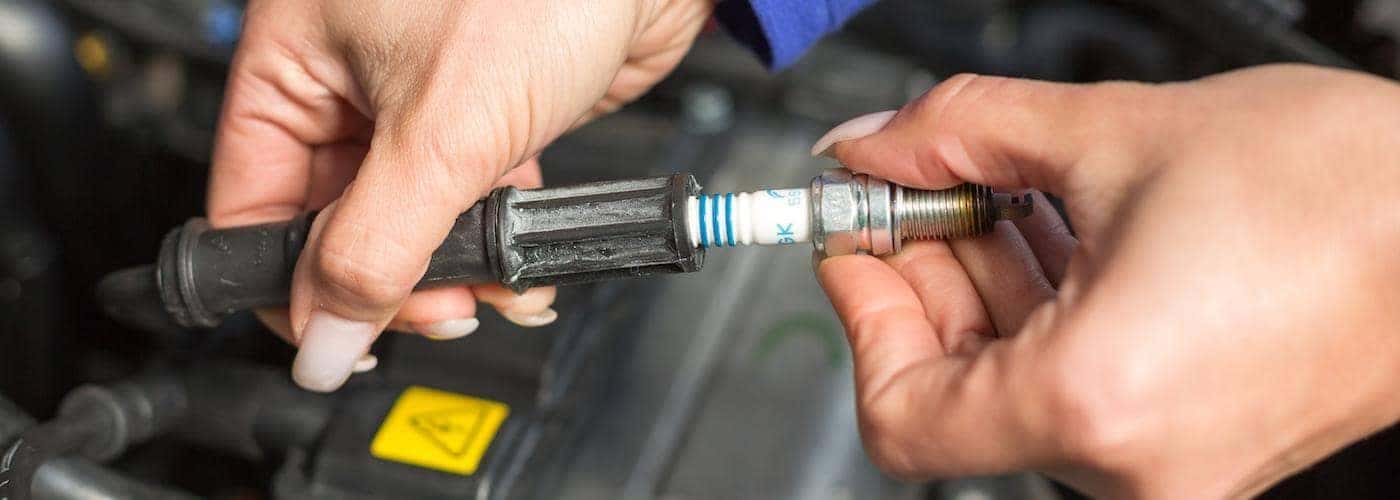
Understanding the basics of spark plugs is essential before figuring out how many you need for your vehicle. Spark plugs play a crucial role in your engine’s operation by igniting the air-fuel mixture inside the cylinders. Knowing their function and the types available can help you make smarter choices for maintenance and upgrades.
Role In Engine Performance
Spark plugs create the spark that ignites the fuel-air mixture in the engine cylinders, powering your vehicle. Without a strong, consistent spark, your engine struggles to start or runs inefficiently. Have you ever noticed rough idling or poor acceleration? Worn or faulty spark plugs might be the cause.
Good spark plugs improve fuel efficiency and reduce emissions. They ensure smooth engine operation, which means better performance every time you hit the gas. Think about the last time you replaced your spark plugs—did you notice a difference in how your car responded?
Types Of Spark Plugs
Not all spark plugs are created equal. Choosing the right type depends on your engine and driving habits. Here are the main types you’ll encounter:
- Copper Spark Plugs:Offer excellent conductivity but wear out faster. Ideal for older vehicles or those with standard engines.
- Platinum Spark Plugs:More durable than copper and provide better performance. Great for modern engines and longer intervals between changes.
- Iridium Spark Plugs:The most durable and efficient. They last the longest and deliver a stronger spark, perfect for high-performance cars.
Choosing the wrong type can affect engine efficiency and lifespan. Are you using the best spark plug for your car’s needs? Checking your owner’s manual or consulting a mechanic can save you time and money in the long run.
Credit: www.terrylabontechevy.com
Spark Plugs Per Engine Type
The number of spark plugs needed varies by engine type. Each engine design requires a specific setup to ignite the fuel-air mixture properly. Knowing the spark plugs per engine type helps maintain engine performance and efficiency.
Single-cylinder Engines
Single-cylinder engines use one spark plug. This plug ignites the air-fuel mix in the lone cylinder. These engines are simple and common in motorcycles and lawn equipment.
Multi-cylinder Engines
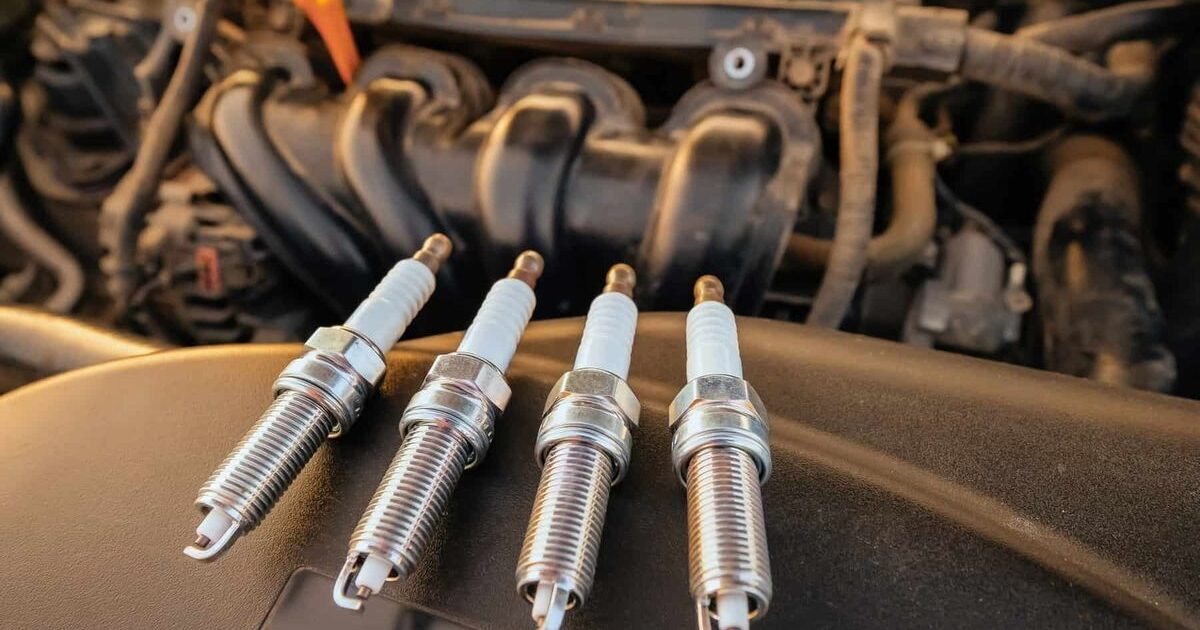
Multi-cylinder engines have one spark plug per cylinder. Four cylinders mean four spark plugs, six means six, and so on. Each spark plug fires in its cylinder at the right time.
V-type Engines
V-type engines have two cylinder banks arranged in a V shape. Each cylinder still gets one spark plug. A V8 engine has eight cylinders and eight spark plugs total.
Boxer Engines
Boxer engines have horizontally opposed cylinders. Each cylinder needs one spark plug. A four-cylinder boxer engine requires four spark plugs to work efficiently.
Factors Influencing Spark Plug Count
Understanding the factors that influence the number of spark plugs in your vehicle helps you make smarter maintenance decisions. The count isn’t random; it’s tied closely to your engine’s specifics and design choices. Let’s break down the main elements that determine how many spark plugs your engine needs.
Cylinder Number
The number of cylinders in your engine directly impacts how many spark plugs you need. Typically, each cylinder requires at least one spark plug to ignite the air-fuel mixture. Some engines, like V6 or V8, will naturally have more spark plugs simply because they have more cylinders.
Have you ever checked your spark plugs after replacing the engine head? It’s eye-opening how the cylinder count lines up with the spark plug quantity.
Engine Design
Engine design affects spark plug count beyond just the cylinder number. Some engines use a single spark plug per cylinder, while others, such as performance or heavy-duty engines, might use two spark plugs per cylinder for better combustion. This dual-plug setup can improve fuel efficiency and reduce emissions.
Thinking about upgrading your engine? Know that engine design choices will influence how many spark plugs you’ll need to keep it running smoothly.
Ignition System
The type of ignition system your vehicle uses also plays a role in determining spark plug count. Traditional systems generally use one spark plug per cylinder, but more advanced systems like distributor-less ignition or coil-on-plug designs can change the setup. These systems often improve reliability and spark timing, but the spark plug count usually stays consistent with the cylinder number.
Curious how your ignition system impacts maintenance? Knowing this can save you time and money when replacing spark plugs or diagnosing engine issues.
Credit: www.westsideauto.com.au
How To Identify Your Engine’s Spark Plug Needs
Knowing how many spark plugs your engine needs is crucial for maintaining its performance and efficiency. Identifying the right number starts with understanding your engine’s specific requirements. This ensures you buy the correct parts and avoid unnecessary expenses or installation errors.
Checking Engine Specs
Your engine’s specifications are the first place to check. Look for the number of cylinders since each cylinder typically requires one spark plug. For example, a V6 engine usually has six spark plugs, while a four-cylinder engine needs four.
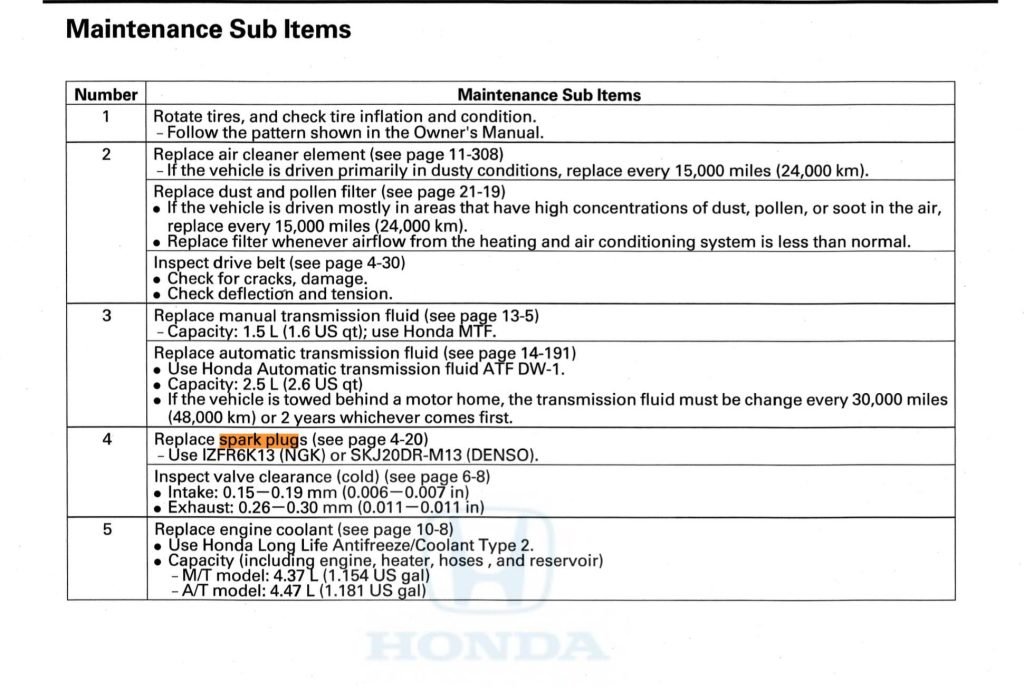
You can find engine specs in your vehicle’s manual or on a label under the hood. This information will often state the exact spark plug type and quantity recommended. Double-checking these details prevents guesswork and helps you get the right parts on the first try.
Consulting Manufacturer Guidelines
Manufacturer guidelines provide detailed instructions tailored to your engine model. These guidelines often include recommended spark plug brands, heat ranges, and replacement intervals. Following these ensures your engine runs smoothly and avoids damage.
If you don’t have a physical manual, visit the manufacturer’s website. Many brands offer downloadable manuals or online support to help you find the right spark plugs. This step saves you from costly mistakes and supports your engine’s longevity.
Visual Inspection Tips
Sometimes, a quick look under the hood can give clues about your spark plugs. Check how many spark plug wires or ignition coils are connected to the engine. Each wire or coil usually corresponds to one spark plug, helping you count them accurately.
Look for signs of wear or damage on existing spark plugs if you can access them. Worn or fouled plugs can affect engine performance and signal it’s time for replacement. Visual inspection combines your knowledge with hands-on experience for better maintenance decisions.
Common Spark Plug Configurations
Spark plugs are essential for engine performance and fuel efficiency. Different engines use different spark plug setups. Understanding common spark plug configurations helps in choosing the right number for your vehicle. This knowledge can improve engine start times and power output.
Standard Single Spark Plug
Most cars use one spark plug per cylinder. This setup is simple and effective. It provides reliable ignition for each combustion chamber. Single spark plugs are easy to replace and maintain. This configuration suits everyday driving and most engine types.
Dual Spark Plug Systems
Some engines use two spark plugs per cylinder. This design improves combustion by igniting the fuel-air mix from two points. It leads to better fuel burning and lower emissions. Dual spark plugs enhance engine smoothness and power delivery. Common in motorcycles and some older cars.
Performance And Racing Setups
High-performance engines may have special spark plug arrangements. These setups aim for faster ignition and higher engine speeds. Racing cars often use multi-spark or plasma spark plugs. They provide stronger and more consistent sparks. These configurations boost acceleration and overall engine output.
Replacing And Maintaining Spark Plugs
Replacing and maintaining spark plugs is key for smooth engine performance. Spark plugs ignite the air-fuel mix in the engine cylinders. Worn or dirty plugs cause poor fuel efficiency and rough idling. Regular checkups keep your car running well and save money on repairs.
Proper care extends spark plug life and improves engine power. It also reduces emissions and prevents engine misfires. Knowing when to replace and how to install the right plugs is essential for every vehicle owner.
When To Replace
Check spark plugs every 30,000 miles or as your owner’s manual says. Signs of worn plugs include:
- Hard starts or engine misfires
- Poor fuel economy
- Rough idling or stalling
- Loss of power during acceleration
Replace plugs sooner if your engine shows these signs. Old or damaged plugs can cause costly engine damage.
Choosing The Right Spark Plug
Select plugs based on your vehicle’s make and model. Use the owner’s manual or ask a mechanic for the right type. Common types include copper, platinum, and iridium plugs. Each has different durability and performance levels.
- Copper: Good for older cars but wears out faster
- Platinum: Lasts longer, better for newer engines
- Iridium: Most durable and efficient but costs more
Choosing the correct heat range and size is important. Wrong plugs can cause engine knocking or poor performance.
Installation Tips
Before installation, clean the spark plug holes carefully. Use a spark plug socket and ratchet for removal and installation. Avoid overtightening to prevent damage to the threads.
- Check the gap using a spark plug gap tool
- Apply a small amount of anti-seize compound on the threads
- Tighten plugs to the torque specs in the manual
- Replace ignition wires or coils if worn
Test the engine after installation to ensure smooth running. Proper installation avoids misfires and extends plug life.
Troubleshooting Spark Plug Issues
Troubleshooting spark plug issues is essential to keep your engine running smoothly. Spark plugs play a small but critical role in igniting the fuel-air mixture inside the engine. When they start to fail, you might notice subtle changes or clear signs that something isn’t right.
Signs Of Spark Plug Problems
Have you ever felt your car hesitate or jerk while accelerating? These are common signs of spark plug issues. Other symptoms include:
- Difficulty starting the engine
- Rough idling or engine misfires
- Poor fuel efficiency
- Unusual engine noises like pinging or knocking
Sometimes, a visual inspection of the spark plugs reveals worn electrodes or heavy carbon buildup. These signs clearly indicate it’s time to check or replace them.
Impact On Engine Performance
Faulty spark plugs can cause your engine to work harder than necessary. You might notice a drop in power during acceleration or a lag when you press the gas pedal. This not only affects your driving experience but can also lead to higher fuel consumption.
In my experience, ignoring these symptoms led to a frustrating delay on a road trip. Replacing the spark plugs immediately restored smooth power delivery and improved mileage noticeably.
When To Seek Professional Help
If you detect persistent problems like misfires or a rough-running engine, it’s wise to consult a mechanic. Sometimes, spark plug issues are linked to deeper engine problems that require expert diagnosis.
Don’t wait until your vehicle breaks down unexpectedly. A professional can test the spark plugs, check ignition timing, and inspect related components. This approach saves you time and money in the long run.
Have you noticed any of these issues in your car recently? Paying attention early can prevent costly repairs later on.

Credit: www.chase.com
Frequently Asked Questions
How Many Spark Plugs Does My Car Engine Need?
Most cars need one spark plug per cylinder. Check your engine’s cylinder count to find the total plugs required. For example, a 4-cylinder engine needs 4 spark plugs. Always consult your vehicle manual for exact specifications.
Can I Use Fewer Spark Plugs Than Required?
Using fewer spark plugs than needed harms engine performance. It can cause misfires and reduce fuel efficiency. Always install the correct number to ensure smooth engine operation and prevent damage.
Do All Engines Use The Same Number Of Spark Plugs?
No, spark plug count varies by engine type and size. Smaller engines may need fewer plugs, while larger or V-type engines require more. Always verify your engine’s specifications before purchasing spark plugs.
How Often Should I Replace My Spark Plugs?
Replace spark plugs every 30,000 to 100,000 miles, depending on type. Check your vehicle manual for recommended intervals. Regular replacement maintains engine efficiency and prevents starting problems.
Conclusion
Spark plugs help your engine run smoothly and efficiently. Knowing how many spark plugs your vehicle needs saves time and money. Most cars have one spark plug per cylinder, but check your owner’s manual to be sure. Replacing spark plugs regularly keeps your engine healthy and improves fuel use.
Simple care makes a big difference in your car’s performance. Keep your vehicle in good shape by understanding spark plug basics. Your engine will thank you with better power and fewer problems.





