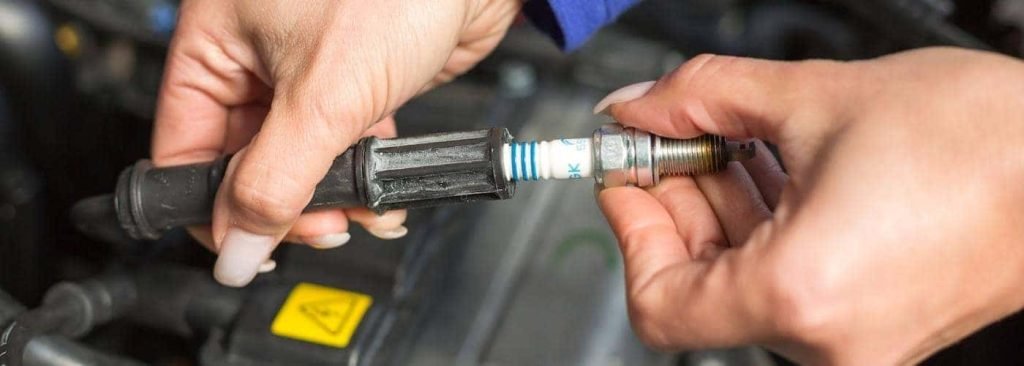
Are your car’s spark plugs overdue for a change? You might not think about them often, but spark plugs play a crucial role in keeping your engine running smoothly.
Neglecting them can lead to poor fuel efficiency, engine misfires, or even costly repairs down the road. But how often should you change them to keep your car in top shape? You’ll discover the ideal timeline for changing your spark plugs, ensuring your vehicle runs efficiently and safely.
Stick with us, and you’ll gain the knowledge to avoid unexpected breakdowns and keep your engine purring like a kitten. Ready to unlock the secrets of spark plug maintenance? Let’s dive in!
When To Change Spark Plugs
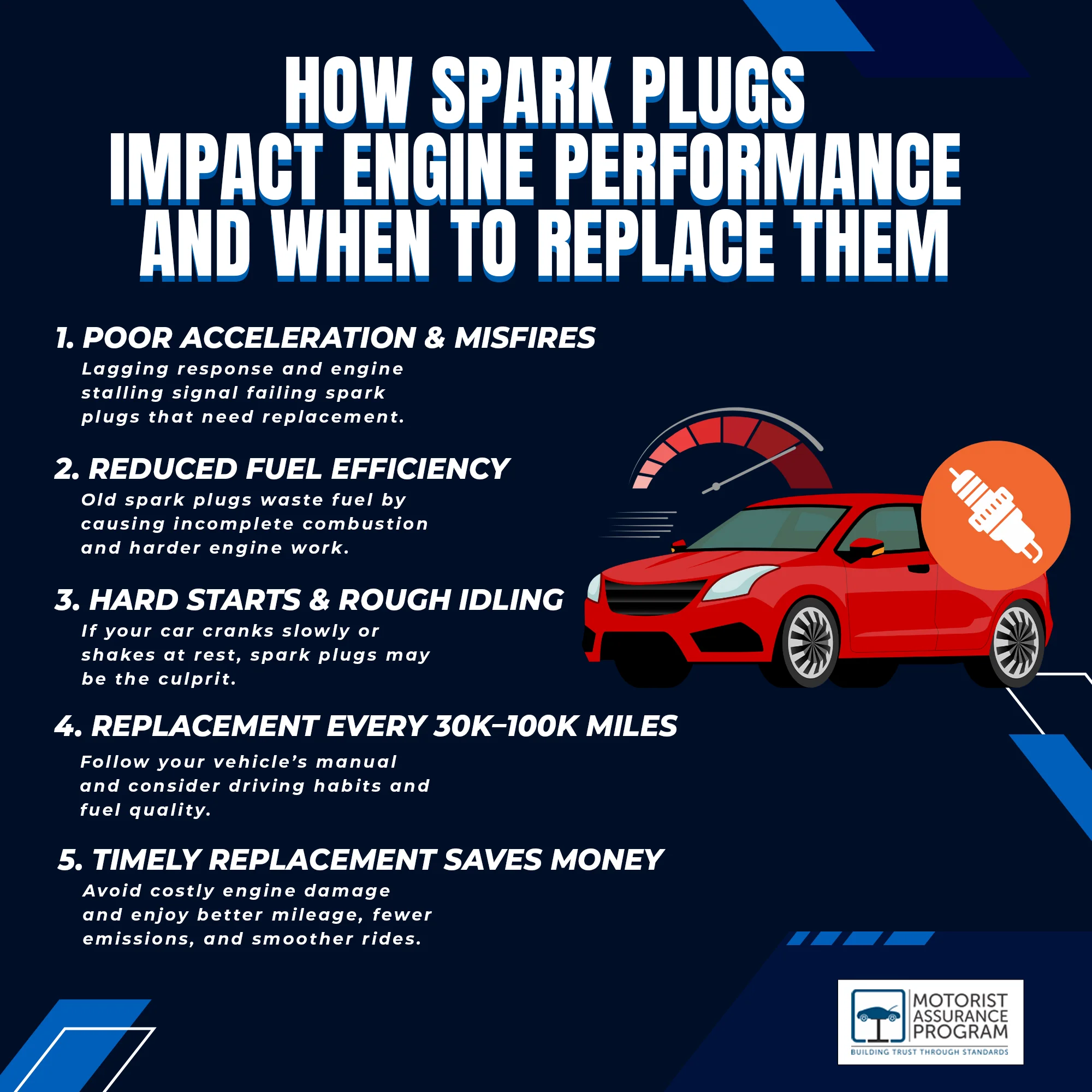
Knowing the right time to change spark plugs helps keep your car running well. Spark plugs wear out over time and affect engine performance. Changing them too late can cause poor fuel economy and rough idling. Too early, and you waste money on parts. Understanding when to replace spark plugs saves money and avoids engine issues.
Manufacturer Recommendations
Car makers provide specific guidelines for spark plug changes. Check your owner’s manual for exact intervals. Different engines need different spark plugs and change times. Some newer cars use long-life plugs that last up to 100,000 miles. Follow these recommendations to keep warranty and engine health intact.
Signs Of Worn Spark Plugs
Watch for these signs to know if spark plugs need replacing:
- Engine misfires or runs roughly
- Hard starts or no starts
- Poor fuel economy
- Loss of power during acceleration
- Check engine light turns on
These symptoms suggest the spark plugs no longer ignite fuel properly. Changing them restores smooth engine operation.
Mileage Guidelines
Spark plug life varies by type and car model. Here are general mileage ranges:
| Spark Plug Type | Typical Mileage Interval |
|---|---|
| Copper | 20,000 to 30,000 miles |
| Platinum | 60,000 to 100,000 miles |
| Iridium | 100,000 miles or more |
Use these numbers only as a guide. Always check your car’s manual for the best advice.
Credit: motorist.org
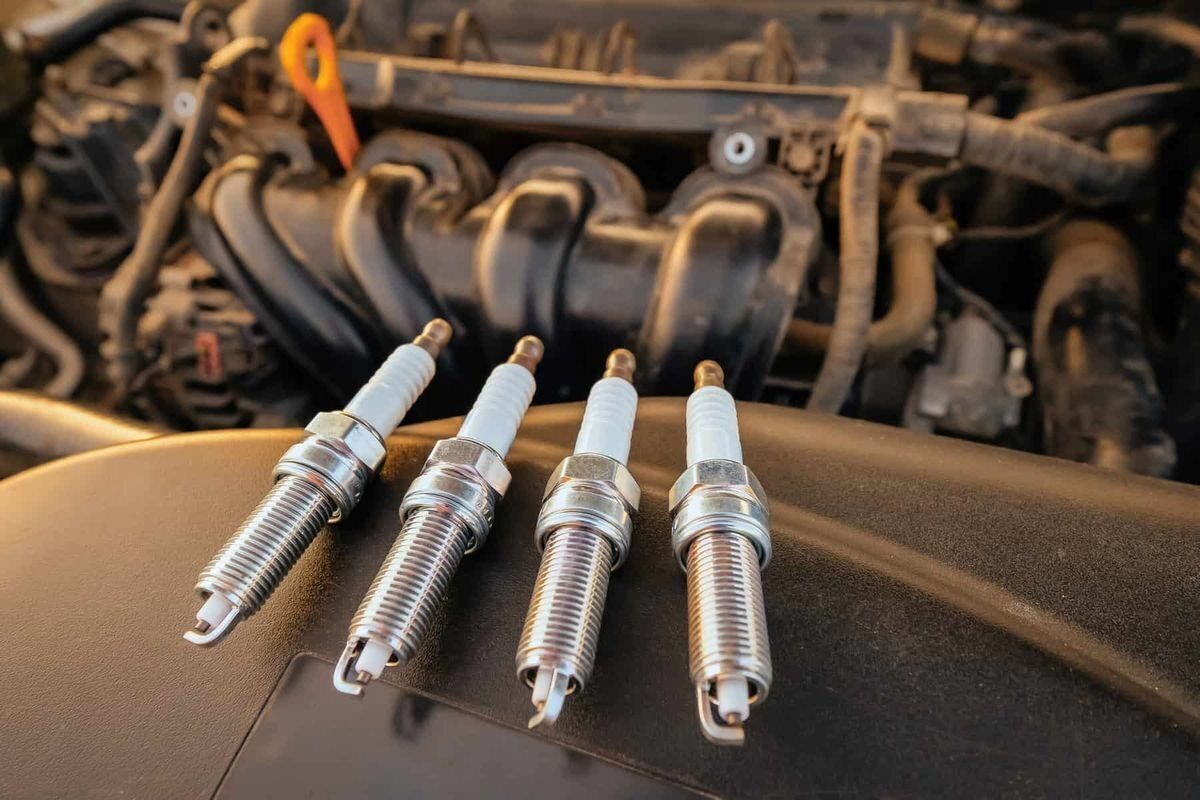
Types Of Spark Plugs
Choosing the right type of spark plug can affect your car’s performance and how often you need to change them. Not all spark plugs are created equal; they differ in materials and durability. Understanding these differences helps you make smarter choices for your vehicle.
Copper Spark Plugs
Copper spark plugs are the most basic and affordable option. They conduct electricity well but wear out faster than other types. If you drive an older car or one with a simple engine, copper plugs might work fine, but expect to replace them more often—usually every 20,000 to 30,000 miles.
Platinum Spark Plugs
Platinum plugs last longer than copper ones, often up to 60,000 miles. They have a platinum disc welded to the tip, which helps resist wear and keep the gap consistent. If you want fewer trips to the mechanic and smoother starts, platinum plugs are a solid middle ground.
Iridium Spark Plugs
Iridium spark plugs are the most durable and efficient choice, with lifespans of 80,000 miles or more. Iridium is a very hard metal, allowing the spark plug tip to be made smaller for a stronger spark. This type is ideal if you want top performance and fewer replacements, especially for modern engines with higher demands.
Factors Affecting Spark Plug Lifespan
Spark plugs are small but vital parts of a car’s engine. Their lifespan depends on several factors. Understanding these helps know when to replace them. Changing spark plugs at the right time keeps your engine running smoothly and saves money.
Driving Conditions
Driving style affects spark plug wear. Short trips with frequent stops can cause carbon buildup. Long highway drives create less stress on plugs. Heavy traffic and stop-and-go driving shorten plug life. Harsh weather, like extreme heat or cold, also impacts them.
Engine Type
Different engines need different spark plugs. High-performance engines often use plugs that wear faster. Older engines may require plugs changed more often. Modern engines with advanced technology can extend spark plug life. Always check the engine’s needs for correct timing.
Fuel Quality
Fuel quality affects spark plug durability. Low-quality fuel leaves more deposits on plugs. Poor fuel can cause misfires and rough running. Using cleaner, higher-grade fuel helps plugs last longer. Fuel additives can also protect spark plugs from damage.

Credit: beachautomotive.com
How To Check Spark Plugs
Checking spark plugs helps maintain your car’s engine health. It shows if plugs need cleaning or replacing. Regular checks keep your engine running smoothly. You can spot problems early and avoid costly repairs.
Visual Inspection
Remove the spark plug carefully. Look for signs like:
- Black soot or carbon buildup
- Oily deposits on the electrodes
- Cracked or worn electrodes
- Rust or corrosion on the metal parts
These signs mean the spark plug is not working well. Clean or replace it as needed.
Performance Symptoms
Watch your car’s behavior for clues. Problems include:
- Engine misfires or rough idling
- Hard starting or slow acceleration
- Reduced fuel efficiency
- Engine hesitation or stalling
Such issues often point to worn or dirty spark plugs.
Using Diagnostic Tools
Use an OBD-II scanner to check engine codes. Codes like P0300 to P0308 relate to spark plug problems.
A multimeter can test spark plug resistance. High resistance means the plug may fail soon.
Diagnostic tools give precise info on spark plug health and engine status.
Replacing Spark Plugs
Replacing spark plugs is a key part of keeping your car running smoothly. Worn or dirty spark plugs can cause poor fuel efficiency, rough idling, and difficulty starting your engine. Taking the time to replace them yourself can save money and help you understand more about your vehicle’s health.
Tools Needed
- Spark plug socket:A special socket designed to fit spark plugs snugly without damage.
- Ratchet wrench:To turn the socket and loosen or tighten the plugs.
- Socket extension:Useful for reaching plugs deep in the engine bay.
- Gap gauge:To measure and adjust the spark plug gap.
- Torque wrench:Ensures plugs are tightened to the correct specification.
- Anti-seize lubricant:Optional, but helps prevent plugs from sticking.
- Compressed air or brush:To clean the area around the plugs before removal.
Step-by-step Process
Start by letting your engine cool completely to avoid burns. Use compressed air or a brush to clear dirt around the spark plug area. This prevents debris from falling into the cylinder when you remove the plugs.
Next, carefully remove the ignition coil or spark plug wire by pulling at the boot, not the wire itself. Use the spark plug socket with an extension and ratchet to turn the plug counterclockwise until it comes out.
Check the gap on your new plugs using the gap gauge and adjust if necessary. Apply a small amount of anti-seize lubricant on the threads if desired, but avoid getting any on the electrode.
Install the new spark plug by hand first to avoid cross-threading, then tighten it with the torque wrench to the manufacturer’s recommended setting. Reattach the ignition coil or wire firmly, then repeat for each plug.
Tips For Installation
- Always replace spark plugs one at a time to avoid mixing up wires or coils.
- Don’t overtighten plugs; this can damage the threads or break the plug.
- If you feel resistance while threading the plug, back it out and try again to prevent cross-threading.
- Consider replacing ignition wires or coils if they look worn or cracked during the process.
- Keep a clean workspace and organize your tools to avoid losing small parts.
Have you ever wondered why your car’s idle feels rough or the fuel mileage drops? Sometimes, a simple spark plug replacement can fix these issues and bring your engine back to life. Ready to give it a try yourself?
Benefits Of Timely Spark Plug Replacement
Replacing spark plugs on time keeps your car running smoothly. It prevents bigger problems and saves money on repairs. Fresh spark plugs help your engine work at its best. They improve how your car uses fuel and reduce harmful gases.
Here are the main benefits of changing spark plugs regularly.
Improved Fuel Efficiency
New spark plugs create a stronger spark for better combustion. This means the fuel burns more completely. Your car uses less gas to go the same distance. Better fuel efficiency lowers your fuel costs and reduces trips to the pump.
Better Engine Performance
Timely spark plug replacement keeps your engine firing smoothly. It helps your car start quickly and run without misfires. You will notice smoother acceleration and quieter engine noise. The engine stays powerful and responsive on the road.
Reduced Emissions
Old spark plugs cause incomplete fuel burning. This leads to more harmful emissions from your car. New plugs reduce unburned fuel and toxic gases released. Cleaner emissions help protect the environment and meet regulations.
Common Mistakes To Avoid
Changing spark plugs is key to keeping your car running smoothly. Many car owners make simple mistakes that cause more harm than good. Avoiding these errors helps save money and prevents engine trouble.
Ignoring Warning Signs
Warning signs like rough idling or trouble starting signal spark plug issues. Ignoring these signs can lead to poor fuel efficiency and engine damage. Check your car’s manual and act quickly when problems arise.
Over-tightening Plugs
Over-tightening spark plugs can strip threads or break the plug. Use a torque wrench and follow the manufacturer’s torque specifications. Proper tightness ensures good contact without damaging the engine.
Using Wrong Spark Plugs
Using incorrect spark plugs can affect engine performance and fuel economy. Always choose plugs that match your car’s make and model. Check the owner’s manual or ask a professional for the right type.
Credit: www.westsideauto.com.au
Frequently Asked Questions
How Often Should Spark Plugs Be Replaced?
Spark plugs typically need replacement every 30,000 to 100,000 miles. Check your vehicle’s manual for exact intervals. Regular replacement ensures optimal engine performance and fuel efficiency.
What Are Signs Of Worn-out Spark Plugs?
Common signs include engine misfires, poor fuel economy, and difficulty starting. Worn spark plugs can also cause rough idling and reduced power.
Can I Change Spark Plugs Myself?
Yes, if you have basic tools and mechanical skills. Follow your vehicle’s manual for guidance. Otherwise, professional service is recommended to avoid damage.
Do All Cars Use The Same Spark Plugs?
No, spark plugs vary by engine type and manufacturer. Always use the spark plug specified in your car’s manual for best results.
Conclusion
Changing spark plugs regularly keeps your car running smooth. Old plugs can cause poor fuel use and engine trouble. Most cars need new plugs every 30,000 to 50,000 miles. Check your car’s manual for exact times. Clean, working spark plugs help start the engine fast.
Don’t wait until you feel a problem. Regular checks save money and avoid breakdowns. Small care makes a big difference in your car’s life. Keep your ride healthy with timely spark plug changes. Easy to do, smart to remember.





