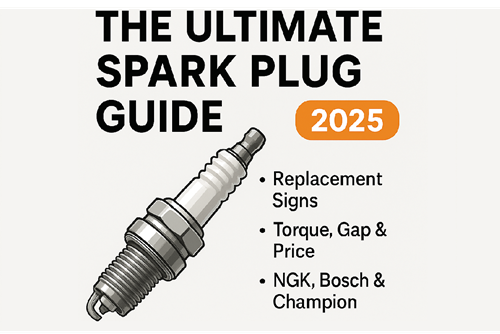
Are you wondering if it’s time to change your car’s spark plugs? This small component plays a big role in keeping your engine running smoothly.
But how often should you actually replace them? Ignoring this simple maintenance can lead to bigger problems, leaving you stranded or facing costly repairs. We’ll break down the ideal timeline for changing your spark plugs, helping you save money and avoid unexpected breakdowns.
By the end, you’ll have a clear understanding of when to give your engine the attention it deserves. Keep reading to ensure your vehicle stays in tip-top shape!

Credit: beachautomotive.com
Spark Plug Lifespan
Understanding the lifespan of your spark plugs is key to keeping your engine running smoothly. Spark plugs ignite the air-fuel mixture in your engine, so worn-out plugs can lead to misfires, poor fuel economy, and reduced performance. Knowing when to replace them can save you from unexpected breakdowns and costly repairs.
Typical Replacement Intervals
Most spark plugs last between 30,000 and 100,000 miles, but this depends on the type of spark plug and your vehicle. Copper spark plugs usually need replacement around 30,000 miles, while platinum and iridium plugs can last up to 100,000 miles or more.
Check your vehicle’s owner manual for specific recommendations. If you notice rough idling, difficulty starting, or reduced fuel efficiency before hitting these mileage marks, it might be time to inspect your spark plugs sooner.
Factors Affecting Longevity
- Driving habits:Frequent short trips and stop-and-go traffic cause more wear compared to highway driving.
- Engine condition:Issues like oil leaks or a rich fuel mixture can foul spark plugs faster.
- Fuel quality:Poor-quality fuel can leave deposits on the plugs, reducing their effectiveness.
- Environmental factors:Dusty or humid conditions may speed up spark plug deterioration.
Have you ever delayed changing your spark plugs only to face engine problems later? Paying attention to these factors can help you decide the right time for replacement, tailored to your driving style and environment.
Signs Of Worn Spark Plugs
Worn spark plugs can quietly damage your vehicle’s performance without obvious warning. Recognizing the signs early can save you from costly repairs and improve your driving experience. Keep an eye out for these common symptoms that suggest it’s time for a spark plug change.
Engine Misfires
If your engine stumbles or hesitates while accelerating, worn spark plugs might be the cause. Misfires happen because old plugs fail to ignite the fuel-air mixture properly. This can feel like a sudden jerk or rough idling, especially noticeable when you’re driving uphill or towing.
Have you ever felt your car hesitate just as you press the gas? That’s a clear hint to check your spark plugs before the problem worsens.
Poor Fuel Economy
Notice your fuel gauge dropping faster than usual? Worn spark plugs cause inefficient combustion, making your engine burn more fuel. This can increase your trips to the pump and drain your wallet over time.
Tracking your mileage regularly helps catch this early. If your car’s gas mileage drops without other issues, worn spark plugs could be the hidden culprit.
Starting Problems
Struggling to start your car on cold mornings or after it’s been sitting? Worn spark plugs can cause weak or inconsistent sparks, making ignition difficult. This delay or repeated attempts to start can wear out your battery faster.
Pay attention to how your engine sounds when you turn the key. A slow or labored start might mean it’s time to replace those plugs and save yourself from unexpected breakdowns.
Types Of Spark Plugs
Choosing the right spark plug for your vehicle can impact how often you need to replace it. Spark plugs come in different materials, each with its own benefits and lifespan. Understanding these types helps you make smarter decisions for your car’s performance and maintenance schedule.
Copper
Copper spark plugs are the most affordable option and have been used for many years. They conduct electricity very well but wear out faster than other types. If you drive an older car or one with a standard ignition system, copper plugs might work well for you.
However, copper plugs typically need changing every 20,000 to 30,000 miles. Have you noticed your engine misfiring or struggling to start? It could be a sign copper plugs are wearing thin.
Platinum
Platinum spark plugs last longer than copper, usually around 60,000 miles. They have a platinum tip that resists corrosion and wear better. Many modern cars come equipped with platinum plugs from the factory.
If you want a balance of durability and cost, platinum plugs are a solid choice. They often improve fuel efficiency and reduce emissions, making them worth the slightly higher price.
Iridium
Iridium spark plugs are the most durable and expensive type available. They last up to 100,000 miles or more thanks to their fine iridium tip, which can withstand extreme conditions. You’ll find iridium plugs on many newer vehicles and high-performance engines.
Switching to iridium plugs can mean fewer replacements and better engine performance over time. But does the upfront cost fit your budget? Think about how long you plan to keep your car before deciding.

Credit: www.youtube.com
Inspection And Maintenance
Regular inspection and maintenance of spark plugs keep your engine running smoothly. It helps spot early signs of wear and prevents engine problems. Simple checks and cleaning can extend the life of spark plugs.
Checking Spark Plug Condition
Remove the spark plug carefully using a spark plug socket. Look for signs like:
- Black, oily deposits
- Worn or damaged electrodes
- Cracks in the ceramic insulator
- Heavy carbon buildup
These signs show the plug needs cleaning or replacement. Check the gap between electrodes with a feeler gauge. A wrong gap affects engine performance.
Cleaning Techniques
Use a wire brush or spark plug cleaner to remove dirt and carbon. Avoid sandblasting as it can damage the plug. For stubborn deposits, soak the plug in a cleaning solution.
Dry the spark plug completely before reinstalling. Never use water to clean the plug. Proper cleaning improves spark efficiency and fuel economy.
Proper Installation
Before installing, check the spark plug gap again. Apply a small amount of anti-seize compound on the threads. Screw the spark plug in by hand to avoid cross-threading.
Tighten the plug to the manufacturer’s recommended torque. Over-tightening can damage the cylinder head. Proper installation ensures good contact and engine performance.
Diy Vs Professional Replacement
Changing spark plugs can be a simple task or a tricky job. It depends on your skills and tools. Some car owners like to do it themselves. Others prefer a professional mechanic. Both choices have benefits and risks. Knowing what you need helps you decide the best way.
Tools Needed For Diy
To change spark plugs yourself, gather these tools:
- Spark plug socket wrench
- Ratchet with extension
- Torque wrench
- Feeler gauge for gap measurement
- Anti-seize lubricant
- Dielectric grease
- Gloves and safety glasses
These tools make the job easier and safer. A torque wrench prevents over-tightening. A feeler gauge ensures the spark plug gap is correct. Missing tools can cause damage or poor engine performance.
When To Seek A Mechanic
Choose a mechanic if the spark plugs are hard to reach. Complex engine layouts need special care. Signs you need a pro:
- Limited access to spark plugs
- Unusual engine noises after replacement
- Check engine light stays on
- Uncertain about the correct spark plug type
- Lack of necessary tools
Professional mechanics have experience and knowledge. They spot hidden problems during replacement. This saves time and money in the long run.
Impact On Vehicle Performance
Changing spark plugs regularly plays a key role in maintaining your vehicle’s performance. Old or worn spark plugs can cause issues that affect how well your engine runs. Understanding their impact helps you keep your car in top shape and avoid costly repairs.
Smooth Engine Operation
Fresh spark plugs ignite fuel efficiently, leading to smooth engine running. Worn plugs cause misfires and rough idling, which affect power and acceleration. Properly timed sparks ensure the engine works without hiccups. This means better throttle response and less engine noise.
Emissions And Pollution
New spark plugs burn fuel completely, reducing harmful emissions. Old plugs create incomplete combustion, producing more pollutants. Cleaner burning fuel means less smoke and lower carbon output. Regular replacement supports a cleaner environment and helps your car pass emissions tests.
Cost Considerations
Cost considerations play a big role in deciding how often to change spark plugs. Knowing the expenses helps you plan maintenance better. It also prevents surprises in your budget.
Choosing the right time to replace spark plugs depends on both parts and labor costs. These costs vary by vehicle type and location. Understanding these factors can save money and keep your engine running smoothly.
Price Of Spark Plugs
Spark plug prices vary by brand and type. Basic copper plugs cost less, usually around $2 to $10 each. Iridium or platinum plugs are more expensive, ranging from $10 to $30 each.
High-performance or specialty spark plugs may cost even more. Buying in sets is common since most cars need four to six plugs. Prices rise with the number of plugs required.
- Standard spark plugs: $2 – $10 each
- Iridium or platinum plugs: $10 – $30 each
- Specialty plugs: $15+ each
Labor Costs
Labor charges depend on the mechanic and your vehicle’s design. Some engines are easy to access, lowering labor time. Others require more work, increasing cost.
On average, labor costs range from $40 to $100. Complex engines may push this higher. Choosing a trusted mechanic ensures quality work at fair prices.
- Simple engine labor: $40 – $60
- Complex engine labor: $70 – $100+

Credit: www.acg.aaa.com
Frequently Asked Questions
How Often Should I Replace Spark Plugs?
Spark plugs typically last 30,000 to 100,000 miles. Check your vehicle’s manual for exact intervals. Regular replacement ensures optimal engine performance and fuel efficiency.
What Are The Signs Of Worn Spark Plugs?
Common signs include engine misfires, poor fuel economy, rough idling, and difficulty starting. Worn plugs affect combustion, causing these performance issues.
Can I Change Spark Plugs Myself?
Yes, with basic tools and knowledge, you can replace spark plugs. Follow safety precautions and your vehicle’s manual instructions carefully.
Does Changing Spark Plugs Improve Fuel Economy?
Yes, new spark plugs ensure efficient combustion. This improves fuel efficiency and reduces emissions, saving money on fuel costs.
Conclusion
Changing spark plugs regularly keeps your engine running smooth. Most cars need new plugs every 30,000 to 100,000 miles. Check your car’s manual for the exact time. Worn spark plugs can cause poor fuel economy and engine trouble. Don’t wait for problems to start.
Simple maintenance saves money and avoids big repairs. Keep your ride healthy and enjoy better performance. A little care goes a long way.





