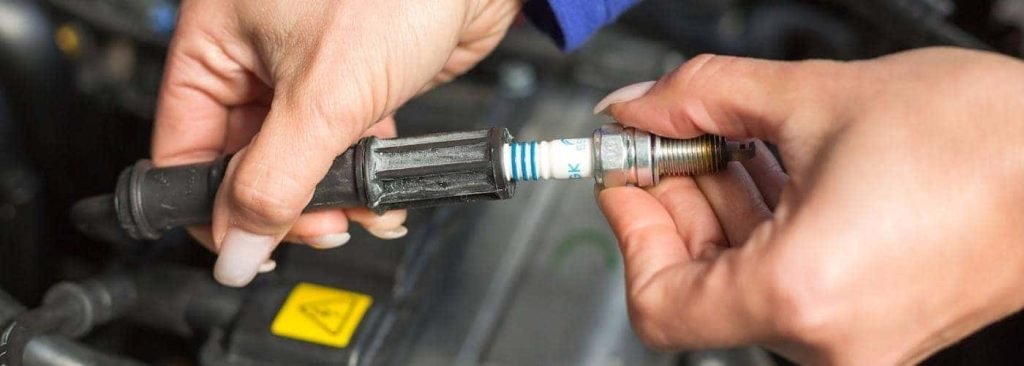
Have you ever wondered how often you should change your car’s spark plugs? It’s a crucial question for every car owner.
Ignoring it can lead to poor engine performance, reduced fuel efficiency, and even costly repairs. You want your vehicle to run smoothly, right? Understanding when to change your spark plugs can save you time, money, and headaches down the road.
This guide will provide you with all the essential information you need. You’ll learn the signs that it’s time for a change and how often you should make it a priority. Stick around to ensure your car stays in peak condition and keeps you on the road safely.

Credit: www.acg.aaa.com
Spark Plug Lifespan
The lifespan of a spark plug directly affects your vehicle’s performance and fuel efficiency. Knowing how long spark plugs last helps you avoid unexpected breakdowns and costly repairs. It’s important to understand the typical replacement intervals and what influences how long your spark plugs will actually last.
Standard Replacement Intervals
Spark plugs usually have a recommended replacement interval based on their type and your vehicle’s specifications.
- Copper spark plugs:Typically need changing every 20,000 to 30,000 miles.
- Platinum spark plugs:Can last up to 60,000 miles.
- Iridium spark plugs:Often last between 60,000 and 100,000 miles.
Check your vehicle’s owner manual for specific guidance. Sticking to these intervals prevents misfires and maintains smooth engine operation.
Factors Affecting Longevity
Several factors can shorten or extend the life of your spark plugs beyond the standard guidelines.
- Driving habits:Frequent short trips or stop-and-go traffic increase wear.
- Engine condition:Poor combustion or oil leaks cause deposits that damage plugs.
- Fuel quality:Lower-grade fuel can leave more residue, impacting spark plug health.
I once delayed changing my spark plugs because the car seemed fine, but poor fuel quality led to rough idling and reduced mileage. This showed me the importance of monitoring conditions around the spark plugs, not just relying on mileage.
Have you checked your spark plugs recently? A quick inspection might save you from bigger engine problems down the road.
Types Of Spark Plugs
Spark plugs come in different types based on the materials used for their electrodes. Each type has unique features that affect durability and performance. Knowing the differences helps choose the right spark plug for your vehicle.
Copper Spark Plugs
Copper spark plugs have a solid copper core. They conduct electricity very well. These plugs are usually cheaper than other types. Copper plugs wear out faster and need changing more often. They work best in older cars or engines designed for copper electrodes.
Platinum Spark Plugs
Platinum spark plugs have a thin platinum layer on the electrode tip. This makes them last longer than copper plugs. They resist wear and corrosion better. Platinum plugs offer steady performance and better fuel efficiency. They are suitable for newer cars and last about 60,000 miles.
Iridium Spark Plugs
Iridium spark plugs have an even harder metal on the tip. Iridium makes the plug last the longest. These plugs provide strong sparks with less voltage. They improve engine start-up and fuel use. Iridium plugs often last over 100,000 miles and are common in modern vehicles.
Signs Of Worn Spark Plugs
Worn spark plugs can quietly sabotage your vehicle’s performance without you realizing it immediately. Recognizing the signs early helps you avoid bigger engine troubles and costly repairs. Let’s look at clear indicators that your spark plugs might need changing.
Engine Misfires
Have you noticed your engine stumbling or hesitating during acceleration? This is often caused by spark plugs failing to ignite the fuel-air mixture properly. Misfires can feel like sudden jerks or rough idling, making your drive uncomfortable and potentially damaging the engine over time.
Pay attention if your car occasionally loses power or vibrates more than usual. These are red flags that worn spark plugs are struggling to keep up with your engine’s demand.
Poor Fuel Efficiency
Are you filling up your tank more often than before? Worn spark plugs can cause incomplete combustion, wasting fuel and lowering your miles per gallon. Even a slight drop in fuel efficiency can add up to significant extra costs over months.
Tracking your fuel consumption regularly can help you spot this issue early. If you feel your vehicle isn’t as economical as it used to be, checking the spark plugs is a practical first step.
Starting Issues
Does your car take longer to start, or do you hear repeated clicking sounds when turning the key? Weak or worn spark plugs may fail to generate enough spark to ignite the engine quickly. This can leave you frustrated during cold mornings or in urgent situations.
Replacing spark plugs often solves these starting problems and saves you from unexpected delays. If your vehicle struggles to start, don’t overlook the spark plugs as a potential cause.
Credit: www.westsideauto.com.au
Checking Spark Plug Condition
Checking the condition of your spark plugs is a crucial part of maintaining your vehicle’s engine performance. Worn or damaged spark plugs can cause misfires, poor fuel economy, and difficulty starting your car. Regular inspection helps you spot issues early and decide whether it’s time for a replacement.
Visual Inspection Tips
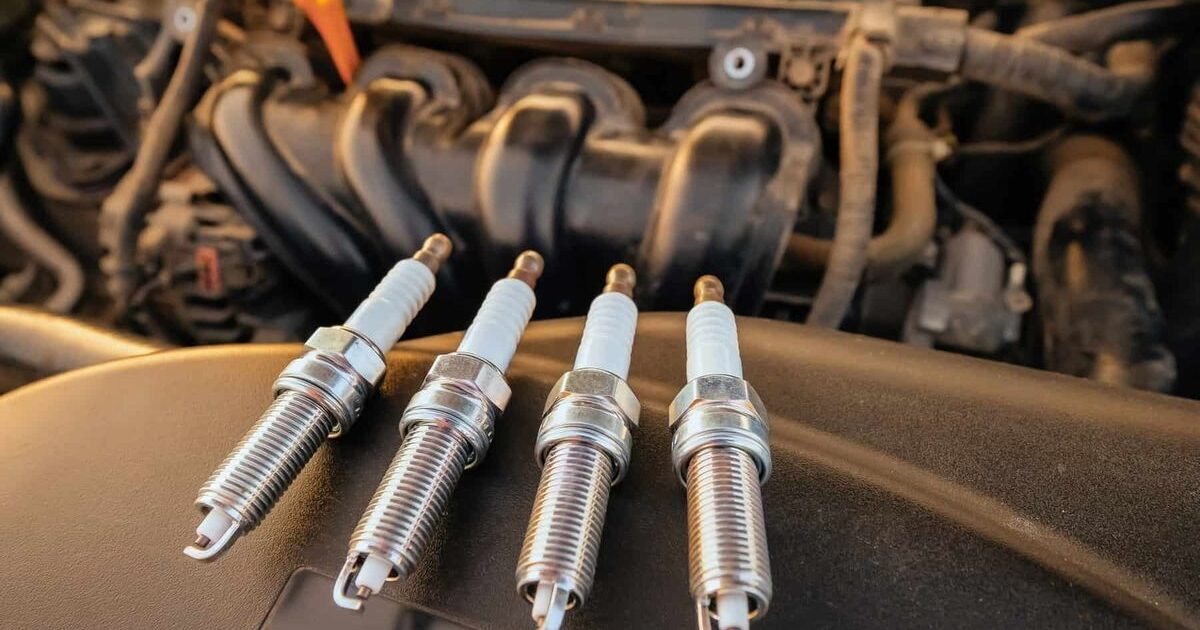
Start by removing the spark plug and examining it closely. Look for signs such as black soot, which indicates a rich fuel mixture or oil leakage. White deposits on the electrode may mean the engine is running too hot or using poor-quality fuel.
Check the ceramic insulator for cracks or chips—any damage here can cause misfiring. Also, look at the electrode for erosion or burning. If the tip is rounded or worn down, the spark plug won’t work efficiently.
Measuring Electrode Wear
Using a feeler gauge, measure the gap between the center and ground electrode. This gap is critical for proper spark generation. Your vehicle manual will specify the ideal gap size, usually around 0.028 to 0.060 inches.
If the gap is too wide, the spark might be weak, causing engine hesitation. A too-narrow gap can lead to misfires or rough idling. Adjusting this gap or replacing the spark plug if worn beyond limits keeps your engine running smoothly.
Replacement Process
Changing spark plugs is a key task for vehicle maintenance. The replacement process is simple and can be done at home with basic tools. Proper replacement ensures your engine runs smoothly and efficiently.
It is important to follow each step carefully. This prevents damage to the engine and ensures the new plugs work well. Below are the tools needed and a clear step-by-step guide.
Tools Required
- Spark plug socket
- Socket wrench
- Extension bar (optional)
- Torque wrench
- Gap gauge
- Compressed air (optional but helpful)
- Anti-seize lubricant (optional)
- Gloves and safety glasses
Step-by-step Guide
- Let the engine cool down completely to avoid burns.
- Locate the spark plugs by removing the engine cover if needed.
- Use compressed air to clean dirt around each spark plug.
- Remove the spark plug wire or coil carefully.
- Attach the spark plug socket to the wrench and remove the old plug.
- Check the gap on the new spark plug with a gap gauge.
- Apply a small amount of anti-seize lubricant on the threads if desired.
- Install the new spark plug by hand to avoid cross-threading.
- Tighten the plug with a torque wrench to the manufacturer’s specification.
- Reconnect the spark plug wire or coil securely.
- Repeat the process for all spark plugs.
- Replace the engine cover and start the engine to check for smooth running.
Maintenance Tips
Proper maintenance helps spark plugs last longer and perform well. Follow simple care steps to avoid early wear and engine troubles. These tips keep your vehicle running smoothly and efficiently.
Regular Engine Tune-ups
Schedule engine tune-ups as recommended by your car’s manual. Mechanics check spark plugs, wires, and ignition systems during these visits. Early detection of issues prevents spark plug damage. Regular tune-ups improve fuel efficiency and reduce emissions.
Using Quality Fuel
Choose high-quality fuel to protect spark plugs and the engine. Poor fuel can cause deposits that foul spark plugs quickly. Clean fuel burns better, keeping spark plugs free from residue. This helps maintain smooth engine starts and steady performance.
Cost Considerations
Understanding the cost involved in changing spark plugs can help you plan your vehicle maintenance better. Many people overlook this aspect and end up surprised by the total expense. Let’s break down what you should expect to pay and how those costs add up.
Price Range Of Spark Plugs
Spark plugs vary widely in price depending on the type and brand. Basic copper spark plugs can cost as little as $2 to $5 each, while premium iridium or platinum plugs might run $10 to $20 or more per piece.
If your car needs four or six spark plugs, the cost of parts alone can add up quickly. Choosing the right spark plug for your vehicle is crucial—not just for performance but also for staying within your budget.
Labor Costs
Labor costs often make up a significant part of the total price to change spark plugs. Mechanics usually charge between $50 and $150 for the job, depending on the complexity of the engine.
Some engines are harder to access, which means more time and higher labor fees. Have you checked if your car’s spark plugs are easy to reach? Doing it yourself might save you a good chunk of money if you have the tools and skills.
Credit: modernautoparts.co.za
Frequently Asked Questions
How Often Should Spark Plugs Be Replaced?
Spark plugs typically need replacement every 30,000 to 100,000 miles. This depends on your vehicle and plug type. Always check your owner’s manual for specific recommendations.
What Signs Indicate Spark Plug Replacement Is Needed?
Signs include engine misfires, poor fuel economy, rough idling, and difficulty starting. If you notice these, inspect or replace your spark plugs promptly.
Can Old Spark Plugs Affect Car Performance?
Yes, worn spark plugs reduce engine efficiency, causing power loss and increased fuel consumption. Replacing them restores smooth engine operation and better mileage.
Are All Spark Plugs Replaced At The Same Interval?
No, replacement intervals vary by spark plug type and vehicle model. Iridium or platinum plugs last longer than copper ones, often up to 100,000 miles.
Conclusion
Spark plugs need changing based on your car’s make and use. Most cars require new plugs every 30,000 to 100,000 miles. Old plugs cause poor engine performance and reduce fuel efficiency. Checking them regularly helps avoid costly repairs later. Don’t wait for signs like rough idling or hard starts.
Keep your engine running smoothly with timely spark plug changes. Simple care keeps your car healthy and saves money. Regular maintenance is key to lasting performance. Stay on top of your spark plug schedule for a better drive.





