
Are you gearing up for a DIY tune-up and wondering if you need to disconnect your battery when changing spark plugs? This seemingly simple question might have you second-guessing your next steps.
After all, you don’t want to make a costly mistake or put your safety at risk. But don’t worry—you’re not alone in this! Many car enthusiasts and curious DIYers have pondered the same thing. In this blog post, we’ll dive into the reasons behind this common query and reveal the surprising answer.
Stick with us to discover how to safely and effectively change your spark plugs without any electrical mishaps. By the end, you’ll feel confident and ready to tackle this task like a pro!
Why Disconnect The Battery
Disconnecting the battery before changing your spark plugs might seem like an extra hassle. But this small step can save you from electrical issues and costly repairs. Understanding why you should disconnect the battery helps you protect both yourself and your vehicle.
Preventing Electrical Shocks
Working on your car’s engine means dealing with electrical components. Even a small spark can cause a shock if the battery is connected. Disconnecting the battery cuts off the power supply, reducing the risk of accidental shocks while you handle the spark plugs.
I once skipped this step and felt a sudden jolt when my wrench touched the wrong spot. That unexpected shock was painful and could have been avoided by simply disconnecting the battery first.
Avoiding Short Circuits
A short circuit happens when electrical current flows along an unintended path. While changing spark plugs, tools or metal parts can accidentally bridge connections. This can damage wiring or blow fuses if the battery is still connected.
Disconnecting the battery removes the electrical current, so any accidental contact won’t cause a short circuit. This step keeps your vehicle’s electrical system safe during maintenance.
Protecting Vehicle Electronics
Modern cars have sensitive electronics controlling everything from fuel injection to onboard computers. A sudden electrical surge while working on the engine can fry these components. Disconnecting the battery protects these delicate systems from damage.
Have you ever considered how much your car’s electronics cost to repair? Taking a minute to disconnect the battery can save you hundreds, if not thousands, in repair bills.
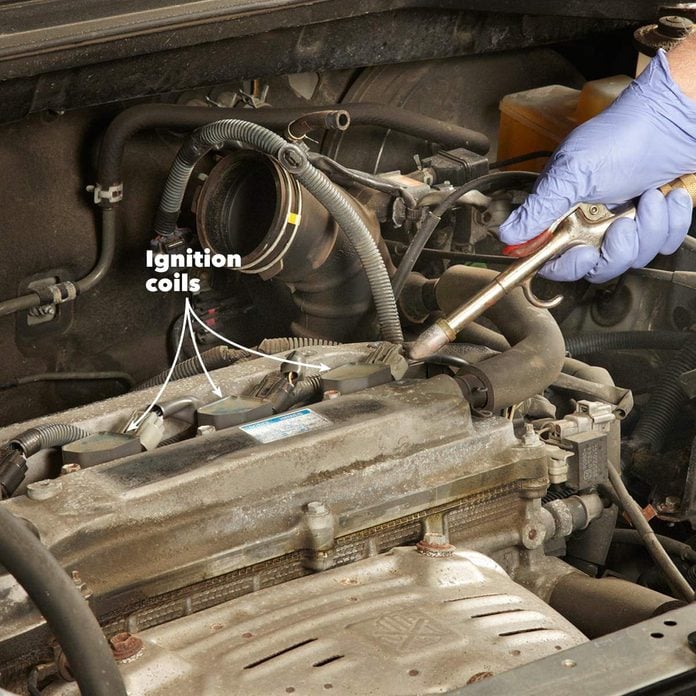
Credit: www.familyhandyman.com
When You Can Skip Disconnecting
Knowing when you can skip disconnecting the battery helps save time during spark plug changes. Many modern cars have safeguards that reduce the risk of shocks or shorts. Understanding your vehicle’s design and the right safety steps lets you work more efficiently. Still, some situations call for extra care and preparation.
Modern Vehicle Considerations
Many newer cars use advanced ignition systems. These systems often cut power to the spark plugs automatically when the engine is off. This lowers the chance of electrical shock or damage. Manufacturers may design these systems to handle spark plug changes without battery disconnection.
Cars with coil-on-plug ignition rarely need the battery disconnected. The coils control the spark and usually stay inactive with the engine off. Checking the vehicle manual can confirm if battery disconnection is necessary. Some cars may have warning labels or instructions about this.
Tools And Precautions
Using insulated tools reduces the risk of electrical shorts. Spark plug sockets with rubber inserts protect the plug and the ignition coil. Wearing gloves can add safety when handling electrical parts. Work in a dry area to avoid accidental shocks.
Even if you skip disconnecting the battery, keep the ignition off. Avoid pressing the accelerator or starting the engine during the process. This prevents unexpected sparks or power surges. Take your time to remove and install spark plugs carefully, avoiding contact with other electrical components.
Step-by-step Spark Plug Replacement
Changing spark plugs is a simple task that improves your engine’s performance. Doing it yourself saves money and helps you understand your car better. Follow these steps carefully for a smooth spark plug replacement process.
Gathering Necessary Tools
Prepare all tools before starting to avoid interruptions. You will need:
- Spark plug socket
- Ratchet wrench
- Socket extension
- Torque wrench
- Dielectric grease
- New spark plugs
- Compressed air or a brush
Use the right tools to prevent damage to spark plugs or engine parts.
Locating And Removing Spark Plugs
Open the hood and find your spark plugs. They are usually under ignition coils or wires. Clean the area around each plug carefully.
Remove ignition coils or wires gently. Use the spark plug socket and ratchet to unscrew each spark plug. Turn counterclockwise until the plug is free. Pull the plug out slowly to avoid dropping debris into the cylinder.
Installing New Spark Plugs
Check the new spark plugs for the correct gap size. Apply a small amount of dielectric grease on the plug boot for easy installation and removal later.
Insert the new spark plug into the socket. Lower it carefully into the hole and start turning by hand. This prevents cross-threading. Tighten the plug with a torque wrench to the manufacturer’s specified torque.
Reconnect ignition coils or wires. Repeat the process for all spark plugs. Double-check each connection before closing the hood.

Credit: shop.advanceautoparts.com
Additional Safety Tips
Changing spark plugs might seem straightforward, but adding extra safety measures can save you from unexpected hazards. These additional tips will help you protect yourself and your vehicle while working on your engine. Paying attention to small details can prevent accidents and ensure a smooth experience.
Working In A Well-ventilated Area
Engine fumes and chemicals from spark plugs can build up quickly in a closed space. Always work outside or in a garage with open doors and windows to keep fresh air flowing. Have you ever felt dizzy while working on your car? That’s a clear sign you need better ventilation.
Wearing Protective Gear
Your hands and eyes are vulnerable when handling spark plugs and engine parts. Wearing gloves protects your skin from dirt, chemicals, and sharp edges. Safety glasses can stop tiny debris or sparks from causing serious eye injuries. Don’t underestimate how a small shield can prevent big problems.
Checking For Fuel Leaks
Before touching any part of the ignition system, inspect your engine bay for fuel leaks. Even a tiny drop of fuel near the spark plug area can turn dangerous when sparks fly. Have you ever smelled gasoline while working on a car? If so, clean it up immediately and avoid proceeding until the leak is fixed.
Common Mistakes To Avoid
Changing spark plugs might seem straightforward, but many people stumble over common mistakes that can cause more harm than good. Avoiding these pitfalls not only protects your vehicle but also saves you time and money. Let’s look at some frequent errors and how you can steer clear of them.
Over-tightening Spark Plugs
It’s tempting to tighten spark plugs as much as possible, thinking it ensures a better fit. However, over-tightening can damage the threads in the cylinder head or break the plug itself. Have you ever struggled to remove a spark plug stuck too tight? Using a torque wrench to tighten plugs to the manufacturer’s specification prevents this issue and makes future maintenance easier.
Ignoring Battery Safety
Some people skip disconnecting the battery when changing spark plugs, considering it unnecessary. This can lead to electrical shorts or accidental shocks, especially if you’re working near sensitive electronics. Always disconnect the battery first; it’s a simple step that protects both you and your car’s electrical system.
Skipping Vehicle Manual Guidelines
The vehicle manual contains essential information about the right spark plug type, gap settings, and torque specs. Ignoring these guidelines can lead to poor engine performance or even damage. Have you checked your manual lately? Taking a few minutes to follow its instructions ensures your spark plug replacement goes smoothly and effectively.
Credit: www.chase.com
Frequently Asked Questions
Do I Need To Disconnect Battery When Changing Spark Plugs?
Yes, disconnecting the battery is recommended to avoid electrical shocks and prevent accidental short circuits during spark plug replacement.
What Happens If I Don’t Disconnect Battery Changing Spark Plugs?
Not disconnecting the battery risks electric shocks and can cause damage to the vehicle’s electrical system.
Can I Change Spark Plugs Without Disconnecting Battery?
It is not advisable; disconnecting the battery ensures safety and protects vehicle electronics.
How To Safely Disconnect Battery For Spark Plug Change?
Turn off the engine, use a wrench to remove the negative terminal first, then the positive terminal.
Conclusion
Disconnecting the battery is a smart safety step when changing spark plugs. It helps prevent electric shocks and avoids short circuits. This small action protects both you and your car’s electrical system. Always make sure the engine is cool before you start.
Taking these precautions makes the job easier and safer. So, remember to disconnect the battery first. It saves time and prevents problems later. Simple steps like this keep your car running smoothly. Safety first, always.





