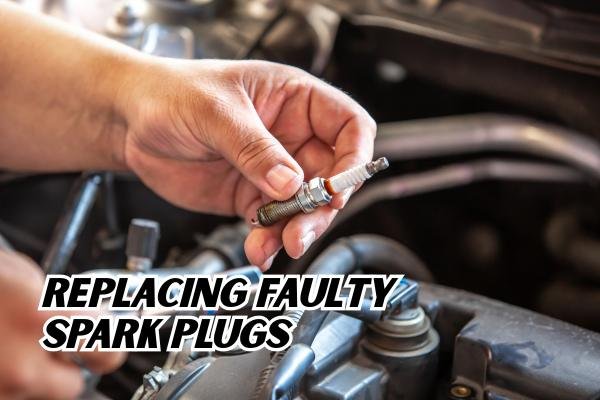
Is your car feeling sluggish or not performing as it used to? You might be wondering what changing spark plugs will do for your vehicle.
Spark plugs, though small, play a crucial role in your engine’s performance. They ignite the fuel-air mixture, powering your car to life. Over time, these tiny components can wear out, leading to decreased efficiency, poor gas mileage, and even engine misfires.
But what happens when you replace them? Imagine your car running smoother, accelerating faster, and saving money at the pump. Sounds appealing, right? We’ll explore the surprising benefits of changing your spark plugs and how this simple maintenance task can transform your driving experience. Stick around to uncover how a small change can make a big difference in your car’s performance.
Credit: jerry.ai
Role Of Spark Plugs
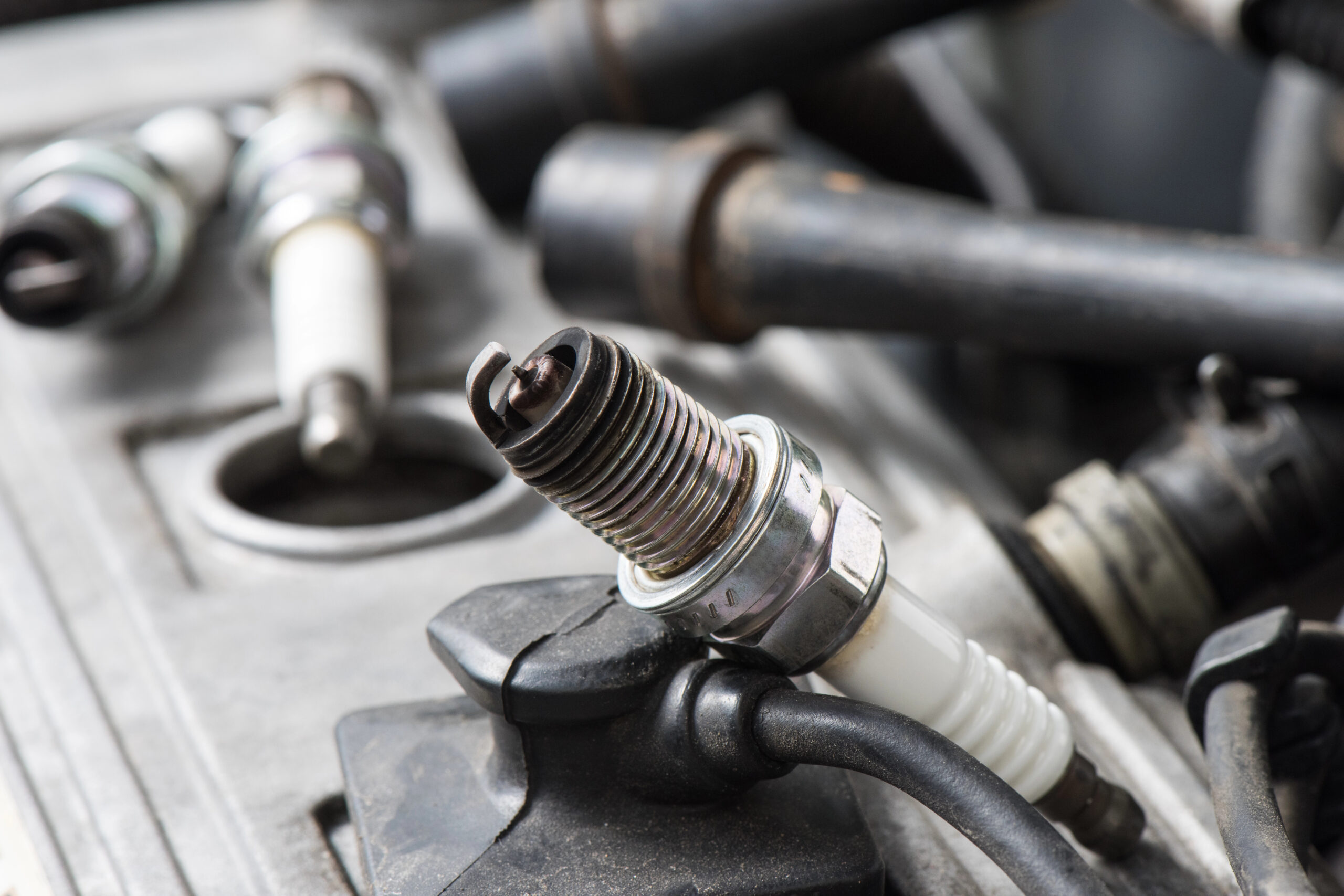
The role of spark plugs in your vehicle’s engine might seem small, but it is crucial. They are the key to igniting the fuel-air mixture that powers your car. Without properly functioning spark plugs, your engine struggles to perform efficiently.
How Spark Plugs Work
Spark plugs create a tiny spark inside the engine’s combustion chamber. This spark ignites the fuel-air mix, triggering the explosion that drives your engine’s pistons. Each spark plug must fire at just the right moment for smooth engine operation.
Think of spark plugs as the engine’s ignition switch. If the spark is weak or irregular, the combustion process becomes incomplete, leading to wasted fuel and rough idling. Have you ever noticed your car hesitating or stalling? Faulty spark plugs could be the reason.
Impact On Engine Function
Changing spark plugs can significantly improve how your engine runs. Fresh plugs provide a stronger, more consistent spark, leading to better fuel efficiency and smoother acceleration. You might even feel the difference during your daily drive.
Bad spark plugs can cause misfires, poor fuel economy, and increased emissions. This doesn’t just affect performance but can also lead to costly repairs down the road. Have you ever delayed a simple spark plug change only to face bigger engine troubles later?
Regularly replacing your spark plugs is a practical step to maintain engine health. It’s an easy upgrade that helps your car run cleaner and more efficiently. Why settle for less when a small part can make such a big difference?
Signs Of Worn Spark Plugs
Worn spark plugs can cause a variety of noticeable problems in your vehicle. Recognizing these signs early can save you time, money, and frustration. If your car isn’t running as smoothly as it used to, your spark plugs might be the culprit.
Engine Misfires
One clear sign of worn spark plugs is engine misfires. You might feel your car hesitate or jerk during acceleration. This happens because the spark plugs fail to ignite the fuel-air mixture properly, causing incomplete combustion.
Have you noticed your engine running rough or shaking at idle? These are classic symptoms that shouldn’t be ignored. Misfires can also cause damage to other engine parts if left untreated.
Reduced Fuel Efficiency
Worn spark plugs often lead to poor fuel economy. Your engine has to work harder to maintain power, which means it burns more fuel than usual. This is not only costly but also harms the environment.
Think about your last few trips—have you been filling up the tank more often? Lower miles per gallon is a subtle but important clue that your spark plugs need attention.
Difficulty Starting
If your car struggles to start or takes longer than usual to turn over, worn spark plugs could be the reason. Faulty plugs can make it hard for the engine to create the spark needed to ignite the fuel.
Do you find yourself turning the key multiple times before your car finally starts? This delay is frustrating and can indicate that your spark plugs aren’t firing correctly.
Performance Benefits Of New Spark Plugs
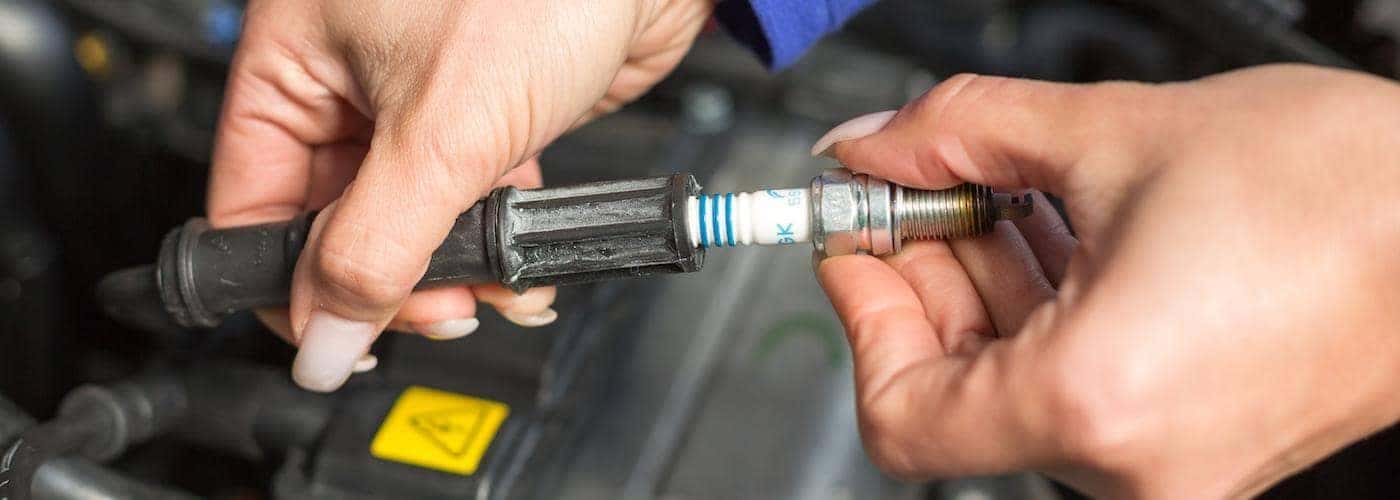
Replacing your spark plugs can have a noticeable impact on how your vehicle performs. Fresh spark plugs help your engine run more efficiently, which means better power, smoother rides, and improved fuel use. Let’s look at the specific ways new spark plugs can boost your car’s performance.
Improved Acceleration
New spark plugs ignite the fuel-air mix more effectively. This results in quicker and stronger combustion, giving your engine a sharper response.
If you’ve ever noticed your car lagging when you press the gas, worn spark plugs might be the reason. Upgrading them often leads to faster acceleration and a more lively driving experience.
Smoother Engine Operation
Old or dirty spark plugs can cause your engine to misfire or run roughly. New plugs help maintain a steady and consistent firing pattern.
As a result, your engine feels smoother, with less vibration and noise. This can make daily driving more comfortable and reduce engine strain over time.
Better Fuel Combustion
Efficient spark plugs ensure that fuel burns completely inside the engine. This improves combustion, which means more power and less wasted fuel.
With better combustion, you may notice improved fuel economy and fewer emissions. Isn’t it great when a small change helps both your wallet and the environment?
Credit: www.terrylabontechevy.com
Efficiency Gains From Spark Plug Replacement
Replacing your spark plugs can lead to noticeable efficiency gains in your vehicle’s performance. Over time, spark plugs wear out and become less effective at igniting the fuel-air mixture inside the engine. This inefficiency can cause your engine to work harder, waste fuel, and produce more emissions than necessary.
Many car owners don’t realize how much a simple spark plug change can improve their driving experience. Have you ever wondered why your car feels sluggish or why your fuel costs have crept up? The answer might lie in your spark plugs.
Fuel Economy Improvement
Worn spark plugs fail to ignite fuel efficiently, causing incomplete combustion. This means your engine burns more fuel to produce the same power. After replacing spark plugs, many drivers report smoother acceleration and better mileage.
Imagine saving a few extra miles per gallon on every tank—over a year, that adds up to significant savings. Plus, improved combustion means your engine runs cooler and smoother, reducing wear and tear. Have you checked your spark plugs lately to see if they’re costing you money at the pump?
Lower Emissions
Old or dirty spark plugs cause misfires, which increase harmful exhaust emissions. When fuel doesn’t burn completely, it releases more pollutants into the air. Fresh spark plugs help your engine burn fuel cleaner, leading to fewer emissions.
This change isn’t just good for the environment—it can help your vehicle pass emissions tests more easily. If you live in an area with strict environmental regulations, keeping your spark plugs in top shape is essential. Could a quick spark plug swap be the easiest way to reduce your car’s carbon footprint?
Choosing The Right Spark Plugs
Choosing the right spark plugs is crucial for your vehicle’s performance and longevity. The right spark plug can improve fuel efficiency, engine power, and reduce emissions. But how do you know which spark plug suits your car best? Let’s break down the types and compatibility to help you make a smart choice.
Types Of Spark Plugs
There are several types of spark plugs, each designed for different needs and engines. Understanding these types helps you pick the one that fits your driving style and car specifications.
- Copper Spark Plugs:Offer excellent conductivity and are usually the most affordable. They wear out faster but work well for older vehicles or those with low-performance engines.
- Platinum Spark Plugs:Last longer than copper and provide better durability. They suit modern engines and offer improved ignition performance.
- Iridium Spark Plugs:Known for their longevity and strong spark. Ideal for high-performance engines and those seeking maximum fuel efficiency.
- Double Platinum or Double Iridium:These plugs have electrodes on both sides for even better performance and durability, often used in waste spark ignition systems.
Have you ever noticed a difference in how your car runs after switching spark plugs? The type you choose can directly impact your engine’s smoothness and responsiveness.
Compatibility With Your Vehicle
Not every spark plug fits every vehicle. Using an incompatible plug can cause misfires, poor fuel economy, or even engine damage. Always check your vehicle’s manual or manufacturer recommendations before purchasing.
| Vehicle Type | Recommended Spark Plug Type | Key Considerations |
|---|---|---|
| Older Cars | Copper | Good conductivity but shorter lifespan |
| Modern Gasoline Engines | Platinum or Iridium | Better durability and performance |
| High-Performance Vehicles | Iridium or Double Iridium | Maximized spark and longevity |
Do you know the exact spark plug gap your engine requires? Getting this wrong can hurt performance. Sometimes, even the best spark plug won’t help if it’s not set up correctly for your vehicle.
Choosing the right spark plug isn’t just about the brand or price. It’s about matching your vehicle’s needs and your driving habits. Taking the time to research and select the right spark plug can save you money and headaches in the long run.
Replacing Spark Plugs Yourself
Replacing spark plugs yourself can save you money and give you a better understanding of your vehicle’s engine. It’s a straightforward task that many car owners can handle with the right tools and a little patience. Have you ever wondered how much smoother your car could run after a simple spark plug change?
Tools Needed
- Spark plug socket:A special deep socket that fits your spark plugs perfectly.
- Ratchet wrench:To turn the socket and remove or install plugs.
- Socket extension:Helps reach plugs that are deep inside the engine.
- Torque wrench:Ensures you tighten the plugs to the correct specification.
- Gap gauge:To check and adjust the spark plug gap if needed.
- Dielectric grease:Helps protect the spark plug boots from moisture and corrosion.
- Anti-seize lubricant:Optional but useful to prevent plugs from sticking in the cylinder head.
Step-by-step Guide
Start by letting your engine cool down completely. Hot engine parts can cause burns and damage the spark plugs.
Locate the spark plugs under the engine cover or wires. Remove the ignition coils or wires carefully to avoid damage.
Use the spark plug socket attached to the ratchet and extension to loosen and remove each spark plug. Turn counterclockwise gently.
Check the gap on the new spark plugs using the gap gauge. Adjust the gap according to your car’s manual.
Apply a small amount of anti-seize lubricant on the threads of the new plugs. This step is optional but recommended for ease of future removal.
Insert the new plugs carefully into the engine. Hand-tighten first to avoid cross-threading.
Use the torque wrench to tighten the plugs to the manufacturer’s recommended torque. Over-tightening can damage the threads.
Reattach the ignition coils or wires and apply dielectric grease inside the boots for protection.
After everything is reassembled, start your car. Notice the smoother idle and improved throttle response. Isn’t it satisfying to know you did this yourself?
When To Visit A Professional
Knowing when to visit a professional for changing your spark plugs can save you time, money, and frustration. While spark plug replacement seems straightforward, certain situations demand expert attention. Understanding these signs helps you avoid further damage and ensures your vehicle runs smoothly.
Complex Engine Systems
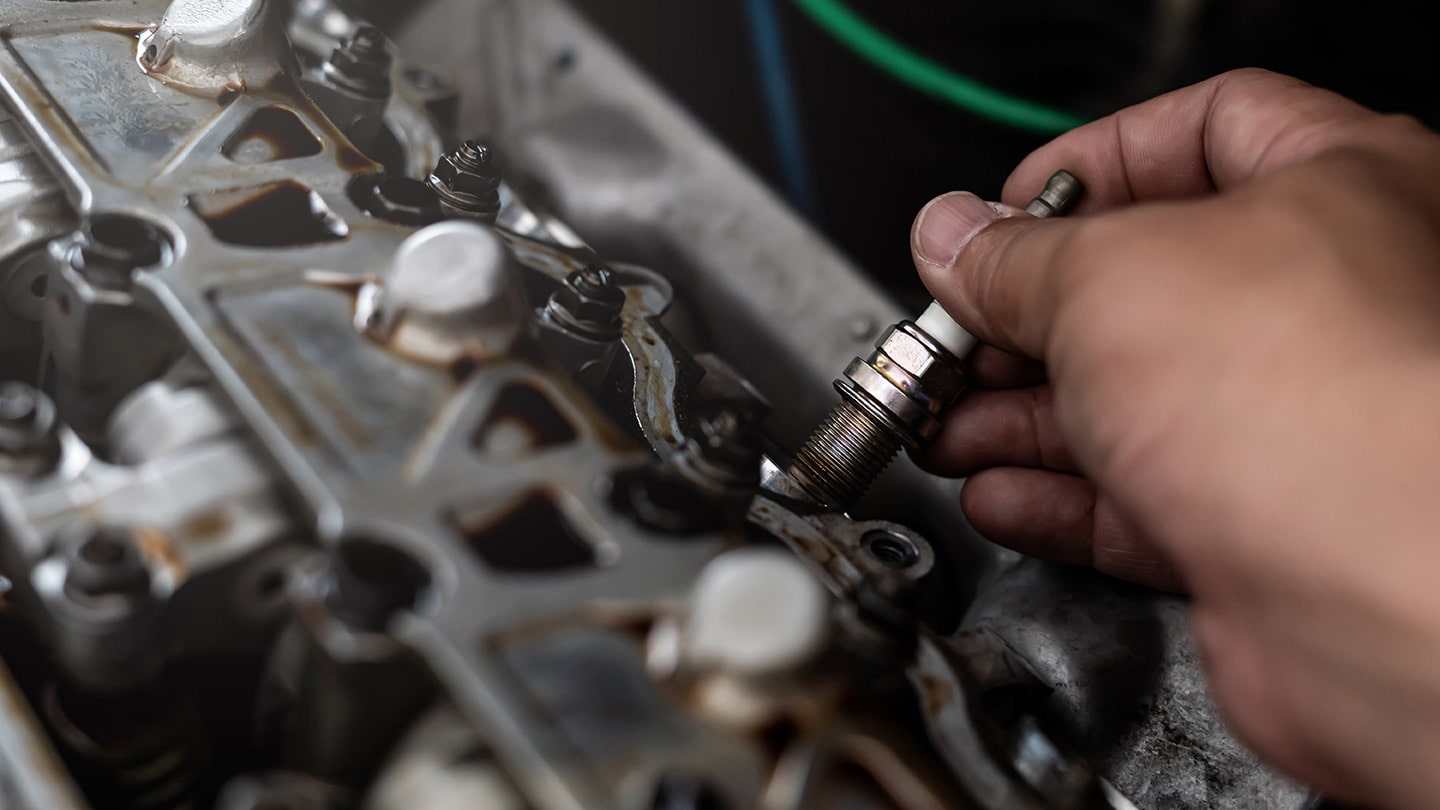
Modern cars often have complex engine systems that require specialized tools and knowledge. If your vehicle uses iridium or platinum spark plugs, improper handling can damage them or the engine. Professionals have the right equipment to avoid stripping threads or breaking plugs inside the cylinder head.
Additionally, some engines have spark plugs placed in hard-to-reach areas. Attempting a DIY fix could lead to incomplete replacements or overlooked problems. Have you checked your car manual? It might indicate if your engine needs professional care for spark plug changes.
Troubleshooting Persistent Issues
If changing spark plugs doesn’t fix engine misfires, rough idling, or poor fuel economy, it’s time to consult a professional. Persistent issues often indicate deeper problems like ignition coil failure, fuel system troubles, or sensor malfunctions. A pro can diagnose these with proper scanning tools.
Trying to guess the cause yourself may lead to unnecessary part replacements and added expenses. A mechanic can pinpoint the exact problem and recommend the right fix, saving you both money and stress. Have you noticed your check engine light staying on after a spark plug change?
Credit: www.chase.com
Frequently Asked Questions
What Are The Benefits Of Changing Spark Plugs?
Changing spark plugs improves engine performance, fuel efficiency, and reduces emissions. It ensures smooth starts and prevents misfires, leading to a reliable driving experience.
How Often Should Spark Plugs Be Replaced?
Spark plugs typically need replacement every 30,000 to 100,000 miles. Check your vehicle manual for exact intervals to maintain engine health.
Can Bad Spark Plugs Cause Engine Problems?
Yes, worn spark plugs can cause rough idling, poor acceleration, and engine misfires. Timely replacement prevents costly repairs.
Will Changing Spark Plugs Improve Fuel Economy?
Replacing old spark plugs optimizes combustion, which enhances fuel efficiency. This saves money on gas and reduces environmental impact.
Conclusion
Changing spark plugs helps your car run smoother and saves fuel. It can fix engine misfires and improve power. Old plugs cause rough starts and poor performance. New plugs make your engine cleaner and quieter. Regular changes prevent costly repairs later.
Spark plugs are small but important parts. Taking care of them keeps your car healthy. Simple steps like this boost driving comfort. Don’t wait for problems to get worse. Keep your vehicle in good shape with fresh spark plugs.





