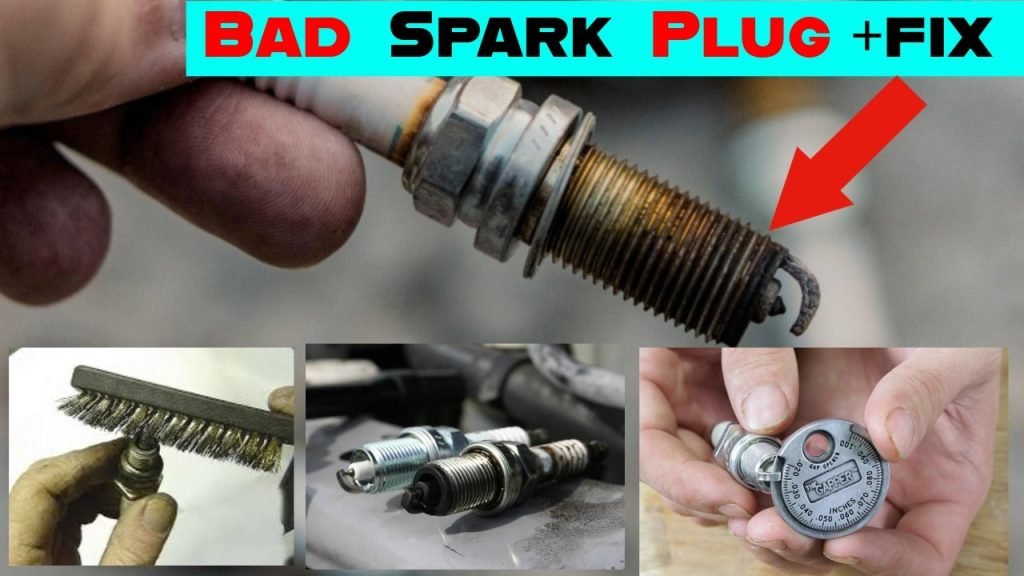
Have you ever wondered why your car’s engine starts acting up or why it doesn’t quite roar to life like it used to? One of the most common culprits behind these issues could be your spark plugs.
These small but mighty components play a crucial role in keeping your vehicle running smoothly. But what exactly causes spark plugs to go bad? Understanding this can save you from unexpected breakdowns and costly repairs. We’ll delve into the common reasons spark plugs wear out, helping you keep your engine purring like a kitten.
Stick around to discover how a little knowledge about spark plugs can make a big difference in your driving experience.
Common Spark Plug Problems
Spark plugs play a crucial role in your engine’s performance. Over time, they face various issues that can cause them to fail. Knowing common spark plug problems helps in identifying faults early. This knowledge keeps your vehicle running smoothly and prevents costly repairs.
Wear And Tear Over Time
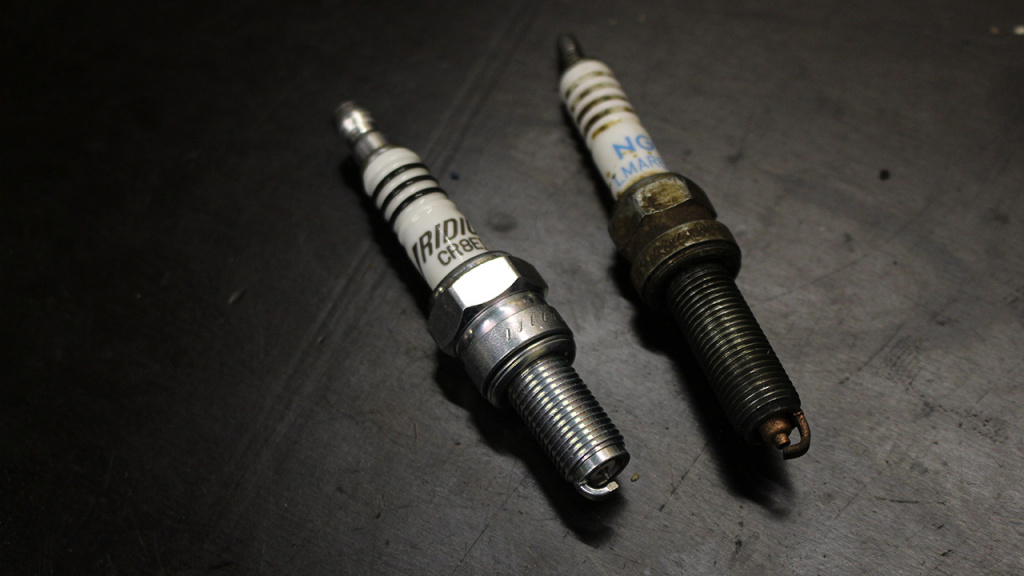
Spark plugs wear out naturally with use. Each ignition cycle causes electrode erosion. This erosion increases the gap between electrodes. A larger gap weakens the spark strength. Weak sparks lead to misfires and poor fuel efficiency. Regular replacement is necessary to maintain engine health.
Carbon Deposits Build-up
Carbon deposits form from incomplete fuel combustion. These deposits coat the spark plug’s tip. The coating blocks the spark from jumping the gap. This causes rough engine idling and reduced power. Fuel quality and engine tuning affect carbon build-up.
Oil Contamination
Oil can leak into the combustion chamber. It contaminates the spark plug surface. Oil fouling causes the spark plug to misfire. This leads to engine hesitation and higher emissions. Worn piston rings or valve seals often cause oil leaks.
Overheating Issues
Excessive heat damages spark plugs quickly. Overheating melts the electrodes and insulator. This damage causes weak or no spark. Engine timing, cooling system problems, or wrong spark plugs cause overheating. Use the correct spark plug type to avoid heat damage.
Credit: finntrail.com
Impact Of Driving Habits
Your driving habits play a significant role in how long your spark plugs last. The way you drive impacts the engine’s combustion process, which in turn affects the spark plugs’ condition. Understanding these effects can help you adjust your habits to extend the life of your spark plugs and improve your vehicle’s overall performance.
Short Trips And Incomplete Combustion
Short trips often mean the engine doesn’t reach its optimal operating temperature. This causes incomplete combustion, leaving carbon deposits on the spark plugs. Over time, these deposits can foul the plugs, reducing their ability to ignite the fuel-air mixture efficiently.
Think about your daily routine. If you mostly drive short distances, your spark plugs might be working harder than you realize. Have you noticed rough starts or decreased fuel efficiency? These could be signs of incomplete combustion affecting your spark plugs.
Aggressive Acceleration Effects
When you accelerate aggressively, your engine demands more power quickly. This sudden increase can cause the spark plugs to wear out faster due to higher combustion temperatures. The intense heat can erode the electrode material, leading to misfires and poor engine performance.
Try to observe your driving style—do you often floor the gas pedal from a stop? A smoother acceleration can help reduce stress on your spark plugs and improve fuel economy. How might changing your acceleration habits save you money on spark plug replacements?
Extended Idling Consequences
Extended idling keeps the engine running without moving the vehicle, which can cause fuel to burn inefficiently. This inefficiency leads to residue buildup on spark plugs, similar to what happens with short trips. Over time, this residue can cause fouling and reduce spark plug lifespan.
Waiting in long lines or sitting in traffic jams might seem harmless, but it can affect your spark plugs more than you think. Could reducing your idle time be a simple way to protect your engine components?
Fuel And Engine Factors
Fuel and engine factors play a key role in spark plug performance. These factors can cause spark plugs to wear out faster or fail. Understanding these issues helps keep engines running smoothly and efficiently. Problems with fuel or engine conditions often lead to spark plug damage.
Poor Fuel Quality
Low-quality fuel contains impurities that affect spark plugs. Dirt, water, or chemicals in fuel leave deposits on plugs. These deposits reduce spark plug efficiency and cause misfires. Poor fuel also leads to incomplete combustion, increasing spark plug wear. Using clean, high-quality fuel extends spark plug life.
Incorrect Spark Plug Type
Using the wrong spark plug type harms engine performance. Each engine needs a specific heat range and size. Incorrect plugs may overheat or fail to ignite fuel properly. This mismatch causes carbon buildup or electrode wear. Always use spark plugs recommended by the vehicle manufacturer.
Engine Misfires And Backfires
Engine misfires stress spark plugs and damage them quickly. Misfires happen when fuel does not burn correctly. Backfires create sudden pressure spikes in the engine. These conditions cause spark plug electrodes to erode or crack. Fixing engine misfires prevents early spark plug failure.

Credit: www.reddit.com
Environmental And Maintenance Influences
Spark plugs face many challenges from the environment and maintenance habits. These influences can shorten their lifespan and reduce engine performance. Understanding these factors helps keep spark plugs working well longer.
Exposure To Moisture And Dirt
Moisture causes corrosion on spark plug metal parts. Dirt and dust build up on the spark plug surface. Both block the spark and cause misfires. Water inside the engine can also damage spark plugs fast. Driving on wet or dusty roads increases the risk.
Neglecting Regular Maintenance
Skipping regular spark plug checks wears them out quickly. Old spark plugs create weak sparks and waste fuel. Ignoring oil leaks leads to fouled plugs. Cleaning and replacing spark plugs on time keeps engines smooth. Maintenance prevents costly repairs and improves fuel economy.
Improper Installation
Wrong spark plug gaps reduce ignition efficiency. Over-tightening can crack the ceramic insulator. Loose spark plugs cause poor contact and misfires. Using the wrong type damages the engine. Proper installation ensures good connection and long spark plug life.
Signs Of Failing Spark Plugs
Spark plugs play a key role in your engine’s performance. Over time, they wear out and fail. Recognizing the signs of failing spark plugs helps prevent bigger engine problems. Watch for changes in how your car runs. These signs often appear before a complete breakdown.
Engine Performance Issues
Failing spark plugs cause rough idling and misfires. The engine may hesitate or jerk during acceleration. You might notice less power when driving uphill. These problems happen because spark plugs can’t ignite fuel properly.
Increased Fuel Consumption
Bad spark plugs make the engine burn more fuel. This reduces your car’s fuel efficiency. You may need to fill the tank more often than usual. Poor combustion forces the engine to work harder and waste gas.
Starting Problems
Worn spark plugs cause trouble starting the engine. The car might take longer to turn on or fail to start. This happens because the spark needed to ignite fuel is weak or missing. Cold weather can make starting problems worse.

Credit: www.reddit.com
Frequently Asked Questions
What Are Common Signs Of Bad Spark Plugs?
Bad spark plugs cause engine misfires, poor fuel economy, and rough idling. You may notice difficulty starting your car or reduced acceleration. These symptoms indicate worn or fouled plugs needing replacement to restore engine performance and efficiency.
How Does Carbon Buildup Affect Spark Plugs?
Carbon buildup insulates the spark plug, preventing proper ignition. It leads to misfires, rough engine operation, and lower fuel efficiency. Regular maintenance and quality fuel help minimize carbon deposits, extending spark plug life and maintaining optimal engine function.
Can Oil Leaks Cause Spark Plugs To Fail?
Yes, oil leaks can foul spark plugs by coating them with oil. This disrupts the spark, causing misfires and poor engine performance. Addressing oil leaks promptly prevents damage to spark plugs and maintains smooth engine operation.
How Often Should Spark Plugs Be Replaced?
Spark plug replacement intervals vary by vehicle and type but typically range from 30,000 to 100,000 miles. Consult your owner’s manual for specific recommendations. Regular replacement ensures efficient engine performance and prevents costly repairs.
Conclusion
Spark plugs wear out due to heat, dirt, and engine problems. Poor fuel quality and wrong spark plug types also cause damage. Regular checks help spot issues early. Clean and replace plugs on time to keep engines running well. Taking care of spark plugs saves money and improves car performance.
Don’t ignore warning signs like rough starts or poor fuel mileage. Good spark plugs make your engine smooth and efficient. Simple maintenance keeps your vehicle reliable for longer.





