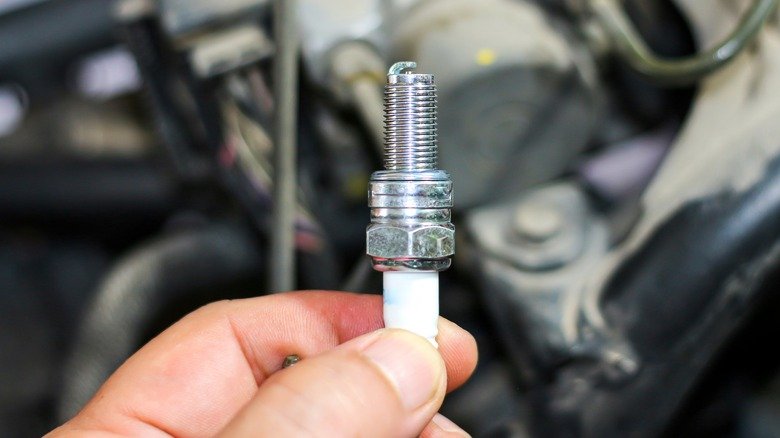
Ever found yourself puzzled about how diesel engines work? You’re not alone.
A common question that pops up is: “Do diesels use spark plugs? ” It’s an intriguing topic because diesel engines operate differently than gasoline ones. Understanding the mechanics behind diesel engines can help you make smarter choices, whether you’re buying a car or just curious about how things work under the hood.
You might be surprised to learn how diesel engines ignite fuel without the use of spark plugs. This article will unravel the mystery, giving you a clear picture of diesel engine technology. Stick around to discover something new about the vehicles you encounter every day.

Credit: m.youtube.com
Diesel Engine Basics
Understanding the basics of diesel engines is key to answering the question: Do diesels use spark plugs? Knowing how these engines operate can clear up common confusions and help you maintain your vehicle better. Let’s break down what makes diesel engines unique and how they differ from gasoline engines.
How Diesel Engines Work
Diesel engines run on a simple but powerful principle. Instead of using spark plugs to ignite the fuel-air mixture, they rely on compression. When air is compressed inside the cylinder, it heats up to a temperature high enough to ignite diesel fuel injected directly into the combustion chamber.
This process is called compression ignition. It means the engine doesn’t need an external spark to start the combustion. This design makes diesel engines more efficient and better suited for heavy-duty work.
Key Differences From Gasoline Engines
The biggest difference you’ll notice is the absence of spark plugs in diesel engines. Gasoline engines use spark plugs to ignite a mix of fuel and air. Diesel engines skip this step entirely.
- Ignition Method:Gasoline engines use spark plugs; diesel engines use high compression to ignite fuel.
- Fuel Type:Diesel engines use diesel fuel, which is denser and more energy-rich than gasoline.
- Efficiency:Diesel engines often deliver better fuel economy and torque at low speeds.
- Maintenance:Without spark plugs, diesel engines don’t need regular spark plug replacements, but they have other components like glow plugs.
Knowing these differences helps you understand why diesel engines behave the way they do. Have you ever wondered why diesel cars often sound different or feel stronger when accelerating? It all comes down to these fundamental design choices.

Credit: cen.acs.org
Role Of Spark Plugs In Engines
Spark plugs play a key role in the operation of many engines. They create the spark needed to ignite the fuel-air mixture. This ignition starts the engine’s power cycle. Understanding their role helps clarify why some engines need them and others do not.
Function In Gasoline Engines
Gasoline engines rely on spark plugs to start combustion. The spark plugs produce an electric spark inside the cylinder. This spark ignites the compressed fuel and air mixture. This controlled explosion pushes the piston down, creating power.
Without spark plugs, gasoline engines cannot ignite fuel. They would fail to start or run. Spark plugs help maintain engine efficiency and smooth operation.
Why Spark Plugs Are Important
Spark plugs ensure proper timing of ignition in the engine. They create a strong spark that burns fuel completely. This improves fuel efficiency and reduces emissions. Good spark plugs also prevent misfires and engine knocking.
Regular maintenance of spark plugs keeps the engine reliable. Worn or dirty plugs cause poor engine performance. They can increase fuel consumption and emissions.
Ignition In Diesel Engines
Understanding ignition in diesel engines clears up a common confusion: do diesels use spark plugs? Unlike gasoline engines, diesel engines rely on a different ignition method that doesn’t involve sparks. This unique approach makes diesel engines efficient and powerful in their own way.
Compression Ignition Explained
Diesel engines ignite fuel through compression ignition rather than spark ignition. The air inside the cylinder is compressed to a very high pressure, which raises its temperature dramatically. When diesel fuel is injected into this hot, compressed air, it ignites on its own.
This process eliminates the need for spark plugs entirely. The heat generated by compressing the air is enough to start combustion. Have you ever noticed how diesel engines sound different? That’s partly because of how this ignition process works.
Fuel Combustion Process
Once the diesel fuel is injected, it mixes with the hot air and starts burning almost immediately. The combustion pushes the piston down, creating the power that moves your vehicle. This controlled burn happens at high pressure and temperature, making diesel engines very fuel-efficient.
In your experience, you might have seen that diesel engines can run longer without overheating. This is due to their slow and steady combustion process. Does knowing this change how you view diesel-powered vehicles?

Credit: www.chase.com
Do Diesels Use Spark Plugs?
Diesel engines operate differently than gasoline engines. One common question is whether diesels use spark plugs. Understanding this difference helps explain how diesel engines work and stay efficient.
Absence Of Spark Plugs
Diesel engines do not have spark plugs. They rely on a different process for ignition. Instead of sparks, diesel fuel ignites through compression. Air is compressed to a high temperature inside the cylinder. This heat causes the diesel fuel to ignite naturally. The process removes the need for spark plugs entirely.
Use Of Glow Plugs Instead
Diesel engines use glow plugs to help start the engine in cold weather. Glow plugs are small heating elements. They warm the air in the combustion chamber before starting. This makes it easier for the fuel to ignite in low temperatures. Glow plugs do not create sparks but provide heat. They improve cold start performance and reduce engine wear.
Glow Plugs Vs Spark Plugs
Diesel engines and gasoline engines use different methods to ignite fuel. Spark plugs create sparks to ignite the air-fuel mix in gasoline engines. Diesel engines do not use spark plugs. Instead, they rely on glow plugs to help start the engine, especially in cold weather.
Purpose Of Glow Plugs
Glow plugs heat the air inside the diesel engine’s cylinder. This heating helps the fuel ignite without a spark. Diesel fuel ignites through compression and heat, not by a spark. Glow plugs make sure the cylinder is hot enough for this process.
Without glow plugs, a diesel engine may have trouble starting in cold weather. They work quickly to raise the temperature. This allows the engine to run smoothly from the first try.
How Glow Plugs Aid Starting
Glow plugs activate before the engine starts. They glow red hot within seconds. This heat warms the cylinder air to help fuel ignite. The engine control unit controls the glow plug timing.
Once the engine reaches working temperature, glow plugs turn off. They only work during cold starts or in cold climates. Their main job is to make starting easier and reduce engine strain.
Common Misconceptions
Many people mistakenly believe that diesel engines use spark plugs just like gasoline engines. This confusion often leads to misunderstandings about how diesel engines actually work. Clearing up these common misconceptions will help you better understand your vehicle and its maintenance needs.
Confusing Glow And Spark Plugs
A common mix-up happens between glow plugs and spark plugs. Glow plugs are found in diesel engines, but they don’t ignite the fuel like spark plugs do. Instead, glow plugs heat the air in the combustion chamber to make starting the engine easier, especially in cold weather.
Unlike spark plugs, glow plugs only help during startup. Once the engine is running, they switch off because the engine’s heat keeps the combustion process going. This difference is crucial because it changes how you approach diesel engine maintenance.
Why Diesels Don’t Need Spark Plugs
Diesel engines don’t need spark plugs because they use compression to ignite the fuel. When you crank a diesel engine, air is compressed inside the cylinder to a very high pressure, which heats it up. The hot air then ignites the diesel fuel injected into the cylinder without any spark.
This is why diesel engines can run without spark plugs. Instead of relying on an electrical spark, they depend on the intense heat created by compression. Have you ever wondered why diesel engines often sound different or feel more robust? This ignition method is a big part of the reason.
Advancements In Diesel Ignition
The way diesel engines ignite fuel has changed dramatically over the years. Unlike gasoline engines, traditional diesel engines rely on compression to ignite the fuel, not spark plugs. But as technology advances, diesel ignition systems are evolving to improve efficiency, reduce emissions, and boost performance.
Modern Diesel Technologies
Today’s diesel engines use advanced fuel injection systems that control how and when fuel enters the combustion chamber. High-pressure common rail injection allows precise timing and atomization of diesel fuel, improving combustion quality and reducing smoke.
Some modern diesels also use glow plugs, but they serve a different purpose than spark plugs. Glow plugs heat the air inside the cylinder to help start the engine in cold conditions, but they don’t ignite the fuel directly.
Have you noticed how your diesel car starts more smoothly on cold mornings now compared to older models? That’s largely due to these advancements in ignition and fuel delivery.
Future Of Diesel Engine Ignition
Looking ahead, diesel ignition could become even more efficient with technologies like laser ignition and plasma-assisted combustion. These methods aim to control the ignition process more precisely than traditional compression ignition.
Electric and hybrid systems may also change how diesel engines operate by combining electric power with diesel combustion, reducing the need for high compression starts.
Could the diesel engine of the future work without needing any glow plugs or complex compression heating? Innovations suggest this is not far off, promising cleaner and more reliable diesel vehicles for you.
Frequently Asked Questions
Do Diesel Engines Use Spark Plugs?
No, diesel engines do not use spark plugs. They ignite fuel by compressing air, which creates heat. This heat then ignites the diesel fuel injected into the combustion chamber.
How Do Diesels Ignite Fuel Without Spark Plugs?
Diesel engines ignite fuel through compression ignition. Air is compressed to a high temperature, causing the diesel fuel to self-ignite upon injection, eliminating the need for spark plugs.
What Replaces Spark Plugs In Diesel Engines?
Glow plugs replace spark plugs in diesel engines. They help preheat the air in cold conditions, making it easier to start the engine, but do not ignite the fuel directly.
Can Diesel Engines Run Without Glow Plugs?
Yes, diesel engines can run without glow plugs, but starting becomes difficult in cold weather. Glow plugs improve cold start performance and reduce emissions during warm-up.
Conclusion
Diesel engines do not use spark plugs to start. They rely on compression to ignite fuel. This makes them different from gasoline engines. Knowing this helps you understand how diesels work. It also explains why diesel engines are more fuel-efficient.
Maintenance needs differ between diesel and gasoline cars. Remember, diesel engines use glow plugs, not spark plugs. This small detail matters for repairs and care. Now you have a clearer idea about diesel engines’ ignition. Understanding this helps with better vehicle choices and upkeep.





