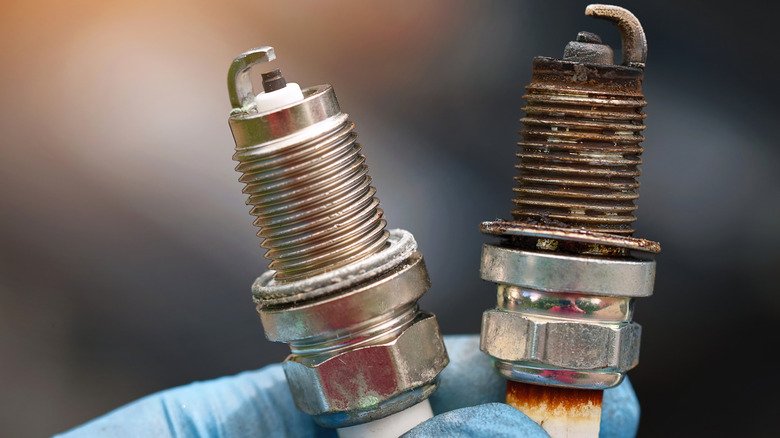
Are you wondering how long your spark plugs will last? You’re not alone.
Many drivers overlook these small but crucial components under the hood. Yet, understanding their lifespan can save you from unexpected breakdowns and costly repairs. Imagine cruising along smoothly, knowing your engine is performing at its best because you’ve got the right insights.
In this guide, we’ll uncover the secrets behind spark plug longevity. We’ll answer all your burning questions and give you the confidence to keep your car in top shape. Stick with us, and you’ll find out how to extend the life of your spark plugs, ensuring your vehicle’s peak performance and reliability.

Credit: www.toyotanation.com
Spark Plug Lifespan Factors
The lifespan of spark plugs varies widely, and several factors influence how long they will last in your vehicle. Understanding these factors can help you anticipate when a replacement is due and avoid unexpected engine problems. Let’s break down the key elements that affect spark plug durability and performance.
Type Of Spark Plugs
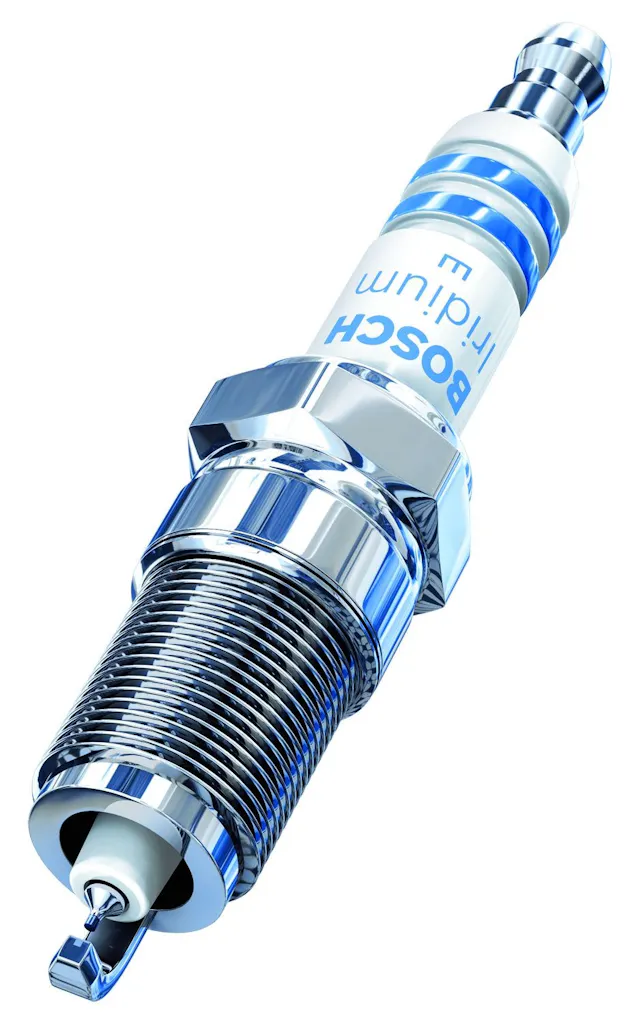
Your choice of spark plug type has a big impact on how long they last. Copper spark plugs tend to wear out faster, usually lasting around 20,000 to 30,000 miles. In contrast, platinum and iridium spark plugs are designed to last much longer, sometimes up to 100,000 miles.
Have you ever stuck with the same basic spark plug because it’s cheaper? Upgrading to iridium plugs could save you time and hassle in the long run. The extra cost often pays off with fewer replacements and better engine efficiency.
Driving Conditions
How you drive affects spark plug life more than you might expect. Frequent short trips don’t allow your engine to reach full operating temperature, which can cause deposits to build up on the plugs faster. On the other hand, long highway drives tend to burn off deposits, extending spark plug life.
Harsh conditions like dusty roads or stop-and-go traffic also put more stress on your spark plugs. Think about your daily commute—does it include a lot of idling or rough terrain? These factors could mean you need to check your spark plugs more often.
Engine Performance
If your engine isn’t running smoothly, it can shorten the life of your spark plugs. Issues like a rich fuel mixture, oil leaks, or misfires cause excessive fouling and wear. Monitoring your engine’s performance can give you early warning signs that the spark plugs might be struggling.
Ever noticed rough idling or poor acceleration? These symptoms could be linked to worn spark plugs. Staying alert to how your engine behaves can prevent more serious repairs down the line.
Maintenance Habits
Regular maintenance plays a crucial role in spark plug longevity. Routine inspections and timely replacements based on your vehicle’s schedule help keep your engine running smoothly. Ignoring spark plug care can lead to reduced fuel efficiency and engine damage.
Do you keep a maintenance log or simply replace parts when something goes wrong? Staying proactive with your spark plugs—like cleaning them or checking gaps—can extend their life significantly. A little effort now saves you money and hassle later.

Credit: www.reddit.com
Common Spark Plug Types
Knowing the common types of spark plugs can help you choose the right one for your vehicle and understand how long they might last. Each type offers different benefits and has a distinct lifespan based on its materials and design. Let’s break down the main spark plug types to give you a clearer picture of what to expect.
Copper Spark Plugs
Copper spark plugs have a solid copper core, which makes them excellent at conducting electricity and heat. They are usually the most affordable option and work well in older or basic engine designs. However, their lifespan tends to be shorter—often around 20,000 to 30,000 miles—because the copper wears out faster than other materials.
Platinum Spark Plugs
Platinum spark plugs feature a platinum disc welded to the center electrode. This material is harder and more durable than copper, which means these plugs can last longer, typically up to 60,000 miles. If you want a balance between cost and durability, platinum plugs are a good choice, especially if your engine has a distributor or waste spark system.
Iridium Spark Plugs
Iridium spark plugs are made with an iridium alloy, which is even harder and more heat-resistant than platinum. They provide a stronger spark and can last between 60,000 and 120,000 miles. Many newer vehicles come with iridium plugs because they improve fuel efficiency and engine performance over time.
Double Platinum And Other Variants
Double platinum spark plugs have platinum on both the center and ground electrodes, which helps extend their life and maintain a stable spark. These are often used in modern vehicles with distributorless ignition systems. Other variants like silver or ruthenium plugs exist but are less common; each offers unique benefits depending on your engine’s needs and driving style.
Signs Of Worn Spark Plugs
Worn spark plugs can cause several issues in your vehicle. Knowing the signs helps avoid engine trouble and costly repairs. Watch for changes in how your car runs. Early detection keeps the engine healthy and efficient.
Engine Misfires
Engine misfires occur when spark plugs fail to ignite the fuel properly. You might feel jerking or hesitation while driving. Misfires cause uneven power delivery and can damage the engine over time.
Reduced Fuel Efficiency
Worn spark plugs burn fuel less efficiently. This leads to higher fuel consumption and more trips to the gas station. Your car may seem less economical than usual, costing more money.
Difficulty Starting Engine
Old spark plugs struggle to create a strong spark. This makes starting the engine slower or harder. You might notice the engine cranks longer before it starts or fails to start at all.
Rough Idling
The engine runs unevenly or shakes when idling due to bad spark plugs. You may hear unusual noises or feel vibrations inside the car. Rough idling signals poor combustion in the engine cylinders.
Extending Spark Plug Life
Extending the life of your spark plugs saves money and keeps your engine running smoothly. Small habits and choices can make a big difference. Let’s look at practical ways you can help your spark plugs last longer.
Proper Installation
Installing spark plugs correctly is crucial. If they are too tight, you risk damaging the threads; too loose, and they may not fire properly. Use a torque wrench to get the right tightness and always check the gap before installation—it affects engine performance.
I once skipped checking the gap and ended up with rough idling for weeks. It was a simple fix but could have been avoided with proper installation. Don’t rush this step; it sets the foundation for spark plug longevity.
Regular Maintenance
Regularly inspect your spark plugs for wear and deposits. Cleaning or replacing them before they fail improves fuel efficiency and engine power. Follow your vehicle’s recommended schedule, but if you notice misfires or hard starts, check sooner.
Keeping a maintenance log helps track when plugs were last checked or changed. You might find patterns that reveal your driving habits impact spark plug life more than you thought. Have you noticed any signs your spark plugs need attention?
Using Quality Fuel
Fuel quality directly affects spark plug health. Low-grade or contaminated fuel leaves deposits that foul spark plugs faster. Choose fuel brands known for higher standards or use additives that clean the fuel system.
One driver shared how switching to premium fuel reduced his spark plug fouling significantly. It might cost a bit more upfront, but it pays off in fewer replacements and better engine performance. Could better fuel be the simple change your car needs?
Avoiding Harsh Driving
Aggressive driving, like rapid acceleration and frequent hard stops, stresses spark plugs. This leads to overheating and quicker wear. Gentle driving habits can extend their lifespan noticeably.
- Accelerate smoothly
- Avoid excessive idling
- Maintain steady speeds on highways
Think about your daily driving style. Could easing up on the gas pedal help your spark plugs—and your fuel bill? Your driving habits influence your engine’s health more than you might realize.
When To Replace Spark Plugs
Knowing when to replace your spark plugs can save you from unexpected breakdowns and costly repairs. Spark plugs wear out over time, and their condition directly affects your engine’s performance. Paying attention to the right signs and guidelines ensures your car runs smoothly and efficiently.
Manufacturer Recommendations
Every vehicle manufacturer provides specific guidance on spark plug replacement intervals in the owner’s manual. These recommendations are based on the type of spark plugs used and the engine design. Following the manufacturer’s advice helps maintain warranty coverage and keeps your engine in top shape.
Ignoring these guidelines might lead to decreased fuel efficiency and harder starts. Have you checked your manual lately? It’s often the best starting point for maintenance planning.
Mileage Guidelines
Most spark plugs need replacement somewhere between 30,000 and 100,000 miles, depending on the type. Copper plugs usually require more frequent changes, while iridium or platinum plugs last longer.
Tracking your mileage since the last replacement can prevent performance issues. If you drive mostly in stop-and-go traffic or harsh conditions, consider replacing spark plugs sooner to avoid engine misfires.
Visual Inspection Tips
Looking at your spark plugs can tell you a lot about their condition and your engine’s health. Remove the plugs and check for:
- Black, sooty deposits indicating a rich fuel mixture.
- White, blistered electrodes suggesting overheating.
- Worn or rounded electrodes, which reduce spark efficiency.
- Oil fouling that signals potential engine oil leaks.
Even if your mileage isn’t high, damaged or dirty spark plugs should be replaced immediately. Have you ever noticed a rough idle or poor acceleration? These symptoms often link back to spark plug condition.
Credit: www.moderntiredealer.com
Impact Of Spark Plug Longevity On Vehicle
The lifespan of spark plugs directly affects many parts of a vehicle. A well-maintained spark plug ensures smooth operation. Worn-out spark plugs cause problems that reduce the car’s efficiency. Understanding how spark plug longevity impacts the vehicle helps in timely maintenance and better performance.
Engine Performance
Spark plugs ignite the fuel-air mix inside the engine. Old plugs cause weak sparks. Weak sparks lead to rough idling and poor acceleration. The engine may misfire or stall. Fresh spark plugs create strong, consistent sparks. This helps the engine run smoothly and powerfully.
Fuel Economy
Good spark plugs burn fuel efficiently. Worn plugs cause incomplete combustion. This wastes fuel and lowers mileage. Changing spark plugs on time saves fuel costs. Your car uses less gas with healthy spark plugs.
Emissions
Properly working spark plugs reduce harmful gases. Faulty plugs increase emissions like carbon monoxide. This harms the environment and may fail emission tests. Maintaining spark plugs helps keep emissions low and clean.
Overall Vehicle Health
Bad spark plugs strain the engine and other parts. This leads to more repairs and costs. Healthy spark plugs reduce wear on ignition and exhaust systems. They extend the life of your vehicle and keep it reliable.
Diy Spark Plug Maintenance Tips
Maintaining spark plugs on your own saves money and extends engine life. Simple care can keep your engine running smoothly. Regular checks prevent costly repairs and improve fuel efficiency.
Follow these easy tips for DIY spark plug maintenance. Use the right tools and techniques for best results. Keep your car in top shape with small, regular efforts.
Tools Needed
- Spark plug socket wrench
- Ratchet and extension bar
- Gap gauge tool
- Wire brush or spark plug cleaner
- Torque wrench
- Anti-seize lubricant (optional)
- Protective gloves and safety glasses
Cleaning Spark Plugs
Remove dirt and carbon deposits gently using a wire brush. Avoid damaging the electrodes or ceramic insulator. Cleaning improves spark efficiency and extends plug life.
Use a spark plug cleaner for stubborn deposits. Work in a well-ventilated area to avoid inhaling dust. Clean plugs perform better and reduce engine misfires.
Checking Spark Plug Gap
Check the gap between the electrodes with a gap gauge. The gap affects engine performance and fuel economy. Compare the measurement with your vehicle’s specifications.
Adjust the gap by gently bending the ground electrode. Do not force or over-bend. Proper gap ensures a strong spark and smooth engine running.
Safe Removal And Installation
Let the engine cool before removing spark plugs to avoid burns. Use the spark plug socket and ratchet carefully to avoid stripping threads. Turn counterclockwise to remove, clockwise to install.
Apply anti-seize lubricant on threads if desired, but avoid excess. Tighten plugs with a torque wrench to the correct specification. Improper torque can cause damage or poor engine performance.
Frequently Asked Questions
How Often Should Spark Plugs Be Replaced?
Spark plugs typically last 30,000 to 100,000 miles. Replacement depends on your vehicle and spark plug type. Check your owner’s manual for specific intervals. Regular inspection helps maintain engine performance and fuel efficiency.
What Factors Affect Spark Plug Lifespan?
Spark plug life depends on driving habits, engine condition, and fuel quality. High-performance engines may wear plugs faster. Harsh driving and poor maintenance also reduce lifespan. Proper care extends spark plug durability and engine reliability.
How To Know If Spark Plugs Need Replacement?
Signs include rough idling, poor acceleration, and engine misfires. Increased fuel consumption and difficulty starting also indicate wear. Regular diagnostics and visual inspections help detect spark plug issues early.
Are Iridium Spark Plugs Longer Lasting?
Yes, iridium spark plugs can last up to 100,000 miles. They resist wear better than copper or platinum plugs. Iridium plugs improve ignition and fuel efficiency, making them cost-effective long-term.
Conclusion
Spark plugs usually last between 30,000 to 100,000 miles. Their lifespan depends on the type and driving conditions. Regular checks help spot wear early. Worn plugs can cause engine problems and reduce fuel efficiency. Changing spark plugs on time keeps your car running smooth.
Simple maintenance saves money and avoids bigger repairs. Keep track of your car’s service schedule. Good spark plugs mean better starts and smoother rides. Remember, small care makes a big difference for your engine’s health.





