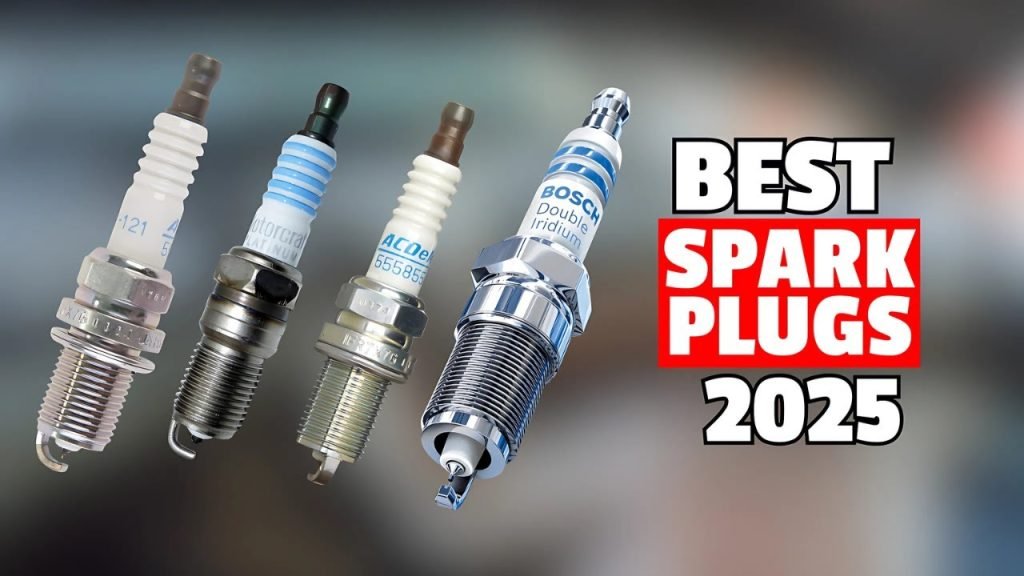
Your engine’s performance, fuel economy, and reliability all hinge on a component smaller than your thumb. The spark plug is the unsung hero of combustion, delivering the precise jolt of electricity that turns fuel and air into motion. But with copper, platinum, double platinum, and iridium options lining the shelves, choosing the right one can feel overwhelming.
The truth is, there is no single "best" spark plug for every vehicle. The ideal choice depends on your engine's design, your driving habits, and your budget. This guide breaks down everything you need to know to make an informed decision, from how spark plugs work to the specific benefits of each material type. For more on this, see our guide on how to remove a spark plug from a.
Spark Plug Basics: What They Do and Why They Matter
Before diving into the different types, it helps to understand the critical role these small parts play. A spark plug has one primary job: to ignite the air-fuel mixture inside your engine's combustion chamber at precisely the right moment.
How Spark Plugs Work
The ignition system sends a high-voltage electrical current through the spark plug. This current travels down the center electrode and jumps a small gap to the ground electrode, creating a spark. This spark ignites the compressed fuel-air mixture, causing a controlled explosion that pushes the piston down and turns the crankshaft. For more on this, see our guide on how to remove spark plug from lawn mower.
This process repeats thousands of times per minute. For example, a four-cylinder engine idling at 800 RPM fires each plug 400 times per minute. The efficiency and consistency of this spark directly impact how smoothly your engine runs, how much power it produces, and how completely it burns fuel.
Key Components of a Spark Plug
Understanding the anatomy of a spark plug helps you appreciate why material choices matter:
- Center Electrode: The core conductor that carries the electrical current. Its material and design are the biggest factors in performance and longevity.
- Ground Electrode: The metal strap that the spark jumps to, completing the circuit.
- Insulator: A ceramic shell that prevents the high-voltage current from escaping before it reaches the gap.
- Metal Shell: The threaded body that screws into the cylinder head, securing the plug and dissipating heat.

The ceramic insulator and electrode design determine how efficiently a spark plug transfers heat and ignites fuel.
Credit: www.youtube.com
Types of Spark Plugs: A Detailed Comparison
Spark plugs are categorized by the material used for the electrodes. Each material offers a different balance of cost, longevity, and performance. Here is a breakdown of the four main types you will encounter. For more on this, see our guide on how to change a spark plug in a.
Copper Spark Plugs
Copper spark plugs are the traditional standard. Despite the name, the center electrode is actually a copper core surrounded by a nickel alloy jacket. Copper offers excellent electrical conductivity, which means a strong, reliable spark.
- Best For: Older vehicles with distributor-based ignition systems, classic cars, and small engines like lawn mowers or generators.
- Pros: Lowest cost, excellent conductivity, reliable spark.
- Cons: Shortest lifespan. The nickel alloy is soft and erodes quickly, typically lasting 20,000 to 30,000 miles.
Platinum Spark Plugs
Platinum spark plugs use a platinum disc welded to the center electrode. Platinum is a harder, more durable metal than nickel, which resists erosion and maintains the spark gap longer. For more on this, see our guide on how to change a mower spark plug.
- Best For: Most modern vehicles with electronic ignition systems that are driven under normal conditions.
- Pros: Longer lifespan (around 60,000 miles), better performance than copper, good value.
- Cons: More expensive than copper, slightly less efficient spark than iridium.
Double Platinum Spark Plugs
Double platinum plugs feature platinum on both the center and ground electrodes. This design is specifically engineered for "waste spark" ignition systems, which are common in many vehicles from the 1990s and 2000s.
In a waste spark system, the spark plug fires on both the compression stroke and the exhaust stroke. This means the current flows in both directions, causing wear on both electrodes. Having platinum on both sides ensures even wear and a longer service life. For more on this, see our guide on how to change a spark plug on a.
- Best For: Vehicles with waste spark ignition systems. Check your owner's manual to confirm if your car uses this setup.
- Pros: Extended lifespan in waste spark systems, consistent performance.
- Cons: Not necessary for vehicles with coil-on-plug ignition systems.
Iridium Spark Plugs
Iridium is the premium choice. It's a precious metal that is harder and has a higher melting point than platinum. This allows manufacturers to create an ultra-fine center electrode, often just 0.4mm in diameter. A finer electrode requires less voltage to create a spark, which results in a more efficient and complete combustion.
- Best For: Modern, high-performance, and fuel-injected vehicles. They are also an excellent upgrade for any engine that uses platinum plugs.
- Pros: Longest lifespan (often 80,000 to 100,000+ miles), best spark quality, improved fuel efficiency and throttle response, reduced emissions.
- Cons: Most expensive option.
Spark Plug Material Comparison Table
| Feature | Copper | Platinum | Double Platinum | Iridium |
|---|---|---|---|---|
| Conductivity | Excellent | Good | Good | Very Good |
| Durability | Low | Medium | High | Very High |
| Typical Lifespan | 20,000–30,000 miles | ~60,000 miles | ~60,000–80,000 miles | 80,000–100,000+ miles |
| Cost | $ | $$ | $$$ | $$$$ |
| Best For | Older vehicles, small engines | Modern daily drivers | Waste spark ignition systems | High-performance & modern vehicles |
Factors Affecting Spark Plug Choice
Choosing the right material is only half the battle. You also need to ensure the plug has the correct physical dimensions and heat range for your specific engine.
Engine Type Compatibility
Your engine's design dictates the physical size, thread pitch, and reach of the spark plug. Installing a plug that is too long can physically hit the piston, causing catastrophic damage. A plug that is too short won't protrude into the combustion chamber properly, leading to poor ignition.
Always consult your owner's manual or use a reputable online fitment guide to find the exact part number for your vehicle. This is non-negotiable.
Heat Range
The heat range is a measure of how quickly the spark plug dissipates heat from its tip to the engine's cooling system. It is not a measure of the spark's intensity.
- Hot Plugs: Have a longer insulator tip, which retains more heat. They are designed for low-performance, stop-and-go driving to prevent fouling.
- Cold Plugs: Have a shorter insulator tip, which dissipates heat faster. They are designed for high-performance, high-RPM driving to prevent pre-ignition (detonation).
Using a plug that is too hot can cause engine-damaging pre-ignition. Using one that is too cold can lead to carbon fouling. For stock engines, the manufacturer's recommended heat range is always the correct choice.
Driving Conditions
Your typical driving environment matters. If you spend most of your time in heavy city traffic, a standard platinum plug will serve you well. If you frequently tow heavy loads, drive at high speeds for long periods, or track your car, you may benefit from a colder heat range and a more durable iridium plug to handle the increased combustion chamber temperatures.
Electrode Design
Beyond the material, the design of the electrode tip matters. Standard electrodes are thicker and more durable. Fine-wire electrodes, like those found on iridium plugs, require less voltage to fire, which reduces stress on the ignition coil and improves combustion efficiency. Some plugs also feature multiple ground electrodes, which can provide a more consistent spark but are not necessarily better than a single, well-designed ground electrode.
Performance Benefits of Each Spark Plug Type
The material of your spark plug directly influences several key performance metrics. Here is what you can expect from each type.
Fuel Efficiency
A strong, consistent spark ensures the air-fuel mixture burns completely. Iridium and platinum plugs maintain their gap and firing efficiency over a longer period, which helps maintain optimal fuel economy throughout their lifespan. Worn copper plugs can cause incomplete combustion, leading to wasted fuel and increased emissions.
Longevity and Maintenance
This is where the cost difference becomes clear. While copper plugs are cheap, they need to be replaced roughly every 30,000 miles. Iridium plugs can last over 100,000 miles. Over the life of a vehicle, the cost of multiple copper plug changes can exceed the cost of a single iridium set, not to mention the labor involved if you're paying a mechanic.
Ignition Reliability
Iridium's fine electrode requires less voltage to create a spark. This is particularly beneficial in cold weather, where a weak ignition system might struggle. The consistent spark from iridium plugs ensures smooth starts and steady idling, even under demanding conditions.
Power Output
By promoting more complete combustion, high-quality spark plugs like iridium can help your engine produce its full rated power. While the gains are not massive, they are noticeable, especially in terms of throttle response and smoothness. A worn plug will cause a noticeable drop in power and acceleration.
Common Spark Plug Issues and How to Diagnose Them
Knowing the signs of a failing spark plug can save you from a breakdown and prevent damage to other components like ignition coils.
Fouling and Deposits
Fouling occurs when the spark plug tip becomes coated with carbon, oil, or fuel. This creates a path for the electricity to leak away before it can create a spark, leading to misfires.
- Carbon Fouling: Appears as dry, black soot. Often caused by a rich fuel mixture, a clogged air filter, or excessive idling.
- Oil Fouling: Appears as wet, black, oily deposits. This indicates oil is leaking past worn piston rings or valve seals into the combustion chamber.
- Ash Fouling: Appears as light brown or white deposits. This is often caused by oil or fuel additives.
Wear and Tear
Over time, the electrodes erode due to the constant electrical spark and extreme heat. This widens the gap between the electrodes, requiring more voltage to fire. Symptoms include rough idling, hesitation during acceleration, and reduced fuel economy.
Incorrect Gap Settings
The gap between the center and ground electrode must be set to the manufacturer's specification. A gap that is too wide can cause a misfire, especially under load. A gap that is too narrow can result in a weak spark that doesn't ignite the fuel efficiently. Always check the gap with a dedicated gap tool before installation, as it can change during shipping.
How to Choose the Right Spark Plug: A Step-by-Step Guide
Follow this simple process to ensure you select the correct spark plugs for your vehicle.
- Consult Your Owner's Manual: This is the definitive source for the correct spark plug part number, gap setting, and heat range for your specific engine.
- Check the Current Plugs: If you're replacing old plugs, look at their condition. The part number is often printed on the ceramic insulator.
- Decide on Material: Based on your budget and vehicle age, choose a material. For most modern cars, iridium is the best long-term investment. For older vehicles, copper is a reliable and cost-effective choice.
- Verify the Gap: Use a wire-type gap tool to check and adjust the gap to the exact specification in your manual. Do not use a knife-style tool, as it can damage the electrode.
- Consider Your Driving: If you drive a high-performance vehicle or use your truck for towing, consider a colder heat range plug from a reputable brand.
Installation and Maintenance Best Practices
Proper installation is just as important as choosing the right plug. A mistake here can lead to engine damage.
Proper Installation Techniques
- Clean the Area: Before removing the old plug, blow away any dirt or debris around the base to prevent it from falling into the cylinder.
- Hand-Tighten First: Thread the new plug in by hand until it is snug. This prevents cross-threading, which can ruin the cylinder head threads.
- Use a Torque Wrench: Over-tightening can strip the threads or crush the gasket. Under-tightening can cause the plug to overheat. Use a torque wrench to tighten to the manufacturer's specified torque, which is typically around 15-20 ft-lbs for plugs with a gasket, but always verify.
- Apply Anti-Seize (Sparingly): If the manufacturer recommends it, apply a small amount of anti-seize compound to the threads, being careful to avoid the electrode tip.
Regular Inspection
It's a good habit to inspect your spark plugs during routine maintenance, such as an oil change. Look for signs of wear, deposits, or damage. This can help you catch engine problems early. For example, a consistently fouled plug on one cylinder could indicate a failing fuel injector or a worn valve seal.
When to Replace Spark Plugs
- Engine Misfires or Runs Rough: A noticeable shaking or stumbling, especially under acceleration.
- Difficulty Starting: The engine cranks longer than usual before firing.
- Reduced Fuel Efficiency: A sudden drop in miles per gallon.
- Check Engine Light: A misfire code (e.g., P0301) is a strong indicator of a spark plug issue.
- Reaching the Mileage Limit: Follow the replacement interval in your owner's manual. For iridium plugs, this is often around 100,000 miles.
Frequently Asked Questions
What is the best spark plug material?
Iridium is generally considered the best material due to its superior durability, excellent conductivity, and ability to produce a strong, consistent spark. It offers the longest lifespan and best overall performance, making it ideal for most modern vehicles.
How often should spark plugs be replaced?
The replacement interval varies by material. Copper plugs typically last 20,000–30,000 miles, platinum plugs around 60,000 miles, and iridium plugs can last 80,000–100,000 miles or more. Always check your vehicle's owner's manual for the specific recommendation.
Can spark plugs affect fuel efficiency?
Yes, absolutely. Worn or fouled spark plugs can cause incomplete combustion, which wastes fuel and reduces your miles per gallon. Replacing them with the correct type can restore optimal fuel economy.
What spark plug heat range is ideal?
The ideal heat range is the one specified by your vehicle's manufacturer. It is chosen to match the engine's normal operating temperature. Deviating from this can cause pre-ignition (too hot) or fouling (too cold).
Conclusion
Choosing the right spark plug is a simple yet impactful decision for your vehicle's health and performance. While copper plugs remain a budget-friendly option for older engines, the superior durability and efficiency of platinum and iridium plugs make them the smart choice for most modern drivers. Iridium, in particular, offers the best combination of longevity, performance, and fuel economy, making it the ultimate choice for peak performance.
Remember to always consult your owner's manual for the correct specifications, and don't overlook the importance of proper gap setting and installation. A little attention to this small component can lead to a smoother-running, more efficient, and more reliable engine for years to come.





