Have you ever wondered about the tiny components in your car that play a massive role in how smoothly it runs? One such crucial part is the spark plug.
When everything is working well, you might not even think about them. But if the gap in your spark plug is too big, it can lead to a cascade of problems. You might experience poor fuel economy, difficulty starting your car, or even unexpected engine misfires.
These issues can be frustrating and costly. Understanding the importance of spark plug gaps can save you money and stress. Curious about what happens when this gap is too large? Keep reading to discover how this small detail can have such a big impact on your vehicle’s performance.

Credit: www.reddit.com
Spark Plug Gap Basics
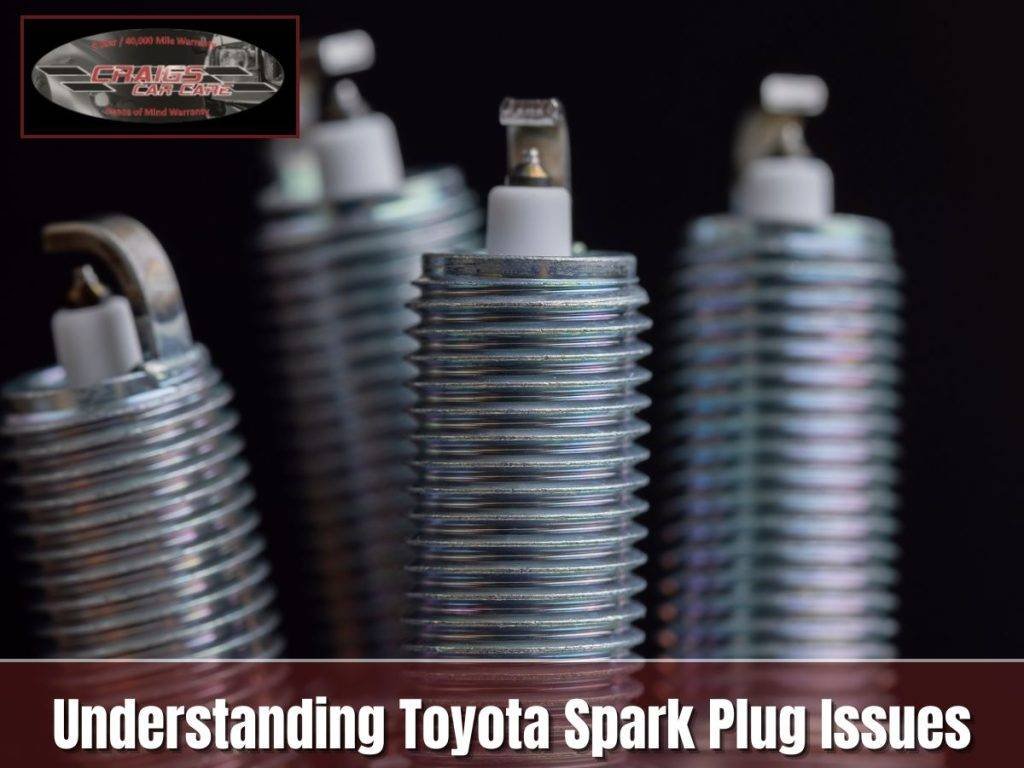
The spark plug gap is a small space between the center and ground electrodes. This gap plays a vital role in engine performance. A correct gap ensures the spark jumps properly to ignite the air-fuel mix. A gap too large or too small causes problems in engine running.
Role Of The Spark Plug Gap
The spark plug gap allows the spark to ignite the fuel mixture. It controls the size and strength of the spark. A proper gap helps create a strong, consistent spark. This spark lights the fuel-air mixture inside the engine cylinder. A wrong gap can cause weak sparks, misfires, or poor combustion.
Standard Gap Measurements
Most spark plugs have a recommended gap set by the vehicle maker. This gap usually measures between 0.028 and 0.060 inches. The exact size depends on the engine type and spark plug model. Using a gap tool helps check and adjust the gap to the right size. Maintaining this standard gap ensures better engine start and smooth running.

Credit: www.124spider.org
Effects Of A Large Gap
A spark plug gap that is too large can cause several issues in your vehicle’s engine. The gap size affects the spark’s ability to ignite the fuel-air mixture properly. When the gap is bigger than recommended, the ignition process faces many challenges. These challenges often lead to poor engine performance and other serious problems.
Difficulty In Ignition
A large spark plug gap requires a stronger spark to jump across it. Sometimes, the spark is too weak to cross the gap. This causes hard starts or no starts at all. The engine may take longer to fire up or fail to start in cold weather.
Misfiring And Engine Performance
Misfires happen when the spark does not ignite the fuel fully. A wide gap causes inconsistent sparks. This leads to rough idling and a drop in engine power. You might notice jerking or hesitation during acceleration.
Increased Fuel Consumption
Incomplete combustion wastes fuel. The engine burns more gasoline to make up for lost power. This reduces fuel efficiency and increases your fuel costs. A larger gap can cause your vehicle to consume more fuel than normal.
Potential Engine Damage
Repeated misfires can harm engine components. Unburned fuel can damage the catalytic converter. Over time, this can lead to expensive repairs. Maintaining the correct spark plug gap helps protect your engine’s health.
Diagnosing Gap Issues
Diagnosing spark plug gap issues is crucial for maintaining your engine’s performance. A gap that’s too wide can cause misfires, reduced fuel efficiency, and rough idling. Identifying these problems early helps you avoid costly repairs and keeps your vehicle running smoothly.
Signs Of A Faulty Gap
Is your engine hesitating or stalling unexpectedly? These are common signs that the spark plug gap might be off. You might also notice difficulty starting the engine or a decrease in power during acceleration.
Another clue is poor fuel economy. A larger gap forces the ignition system to work harder, which can waste fuel. Check for unusual engine noises or vibrations, as these can indicate incomplete combustion caused by an improper gap.
Tools For Measuring Gap
Accurate measurement is key to fixing gap issues. You can use a feeler gauge—a simple, inexpensive tool with thin metal blades of various thicknesses. Slide the appropriate blade into the gap to see if it fits snugly without forcing it.
Alternatively, a spark plug gap tool or a wire-type gapper can help you adjust the gap precisely. These tools are easy to use and let you bend the ground electrode gently to the correct distance.
Do you have the right tools ready? Investing in quality measuring devices saves time and ensures your engine runs at its best. Remember, a small adjustment can make a big difference in performance.
Fixing A Large Spark Plug Gap
Fixing a large spark plug gap is essential to keep your engine running smoothly and efficiently. A gap that’s too wide can cause misfires, poor fuel economy, and rough idling. Fortunately, adjusting or replacing the spark plug is often a straightforward fix that anyone can handle with a little guidance.
Adjusting The Gap Correctly
To adjust the spark plug gap, you’ll need a feeler gauge or a spark plug gap tool. Carefully measure the current gap and compare it to the manufacturer’s recommended specification found in your vehicle’s manual.
If the gap is too large, gently bend the ground electrode closer to the center electrode. Make small adjustments and re-measure frequently to avoid overcorrecting. Avoid using excessive force, as this can damage the electrodes and affect performance.
Have you ever tried fixing a gap without the right tool? It often leads to inconsistent results. Investing in a proper gap tool can save you time and frustration, ensuring the gap is just right.
When To Replace The Spark Plug
Sometimes adjusting the gap isn’t enough. If the electrodes are worn, corroded, or damaged, replacement is the safer choice. Old spark plugs with rounded electrodes won’t hold the proper gap, even after adjustment.
Look for signs such as deposits, cracks, or a brittle insulator. These issues can cause misfires and reduce engine efficiency. If you notice these, replacing the spark plug will restore optimal performance.
Have you checked your spark plugs lately? Replacing worn plugs on time can prevent bigger engine problems down the road and improve your car’s fuel economy.
Preventive Tips
Keeping your spark plug gap in check is crucial to prevent engine issues and maintain smooth performance. Small adjustments can make a big difference in how your engine runs. Here are some practical tips to help you avoid problems caused by a spark plug gap that’s too wide.
Regular Maintenance
Check your spark plugs regularly, especially if you notice rough idling or reduced fuel efficiency. Cleaning and inspecting them every 10,000 miles can catch gap problems early before they cause misfires or hard starts.
Use a feeler gauge to measure the gap accurately rather than guessing. If the gap is too wide, gently adjust it using the right tool—too much force can damage the electrode. Keeping a maintenance log helps track changes over time and prevents surprises.
Choosing The Right Spark Plug
Always pick spark plugs that match your vehicle manufacturer’s specifications. The right plug type and gap size ensure optimal combustion and prevent premature wear.
Don’t assume all plugs are the same—differences in heat range and design affect performance. If you’re unsure, ask a trusted mechanic or check your owner’s manual. Choosing the correct spark plug can save you headaches and improve your engine’s life.

Credit: www.theengineeringchoice.com
Frequently Asked Questions
What Are The Effects Of A Spark Plug Gap Too Large?
A spark plug gap that’s too large causes weak sparks, misfires, and poor engine performance. It leads to rough idling and increased fuel consumption.
How Does A Big Spark Plug Gap Affect Engine Starting?
A big gap makes it harder for the spark to jump. This results in difficult starts and delayed ignition.
Can A Large Spark Plug Gap Damage The Ignition System?
Yes, a large gap strains ignition coils and wires. Over time, this can cause premature wear or failure.
Why Does A Wide Spark Plug Gap Reduce Fuel Efficiency?
A wide gap causes incomplete combustion. This wastes fuel and reduces overall engine efficiency, increasing fuel costs.
Conclusion
A spark plug gap that is too big causes many engine problems. The spark may be weak or fail to jump the gap. This leads to poor fuel burning and less power. Your car might run rough or stall often.
Fuel efficiency will drop, wasting gas and money. Fixing the gap is simple and saves trouble later. Regularly check and set the gap to the right size. A properly gapped spark plug helps your engine run smooth and strong. Keep your vehicle healthy by paying attention to this small detail.





