
Are you curious about the inner workings of your diesel engine? You’ve probably heard about spark plugs in gas engines, but do you know how they fit into a diesel engine?
Spoiler alert: they don’t, at least not in the way you might think! Understanding the role of spark plugs—or their alternatives—in diesel engines can transform your approach to maintenance and troubleshooting. Keep reading to discover the fascinating truth about these components and why knowing this can save you time, money, and frustration with your vehicle.
Let’s dive into the world of diesel engines and uncover what makes them tick!
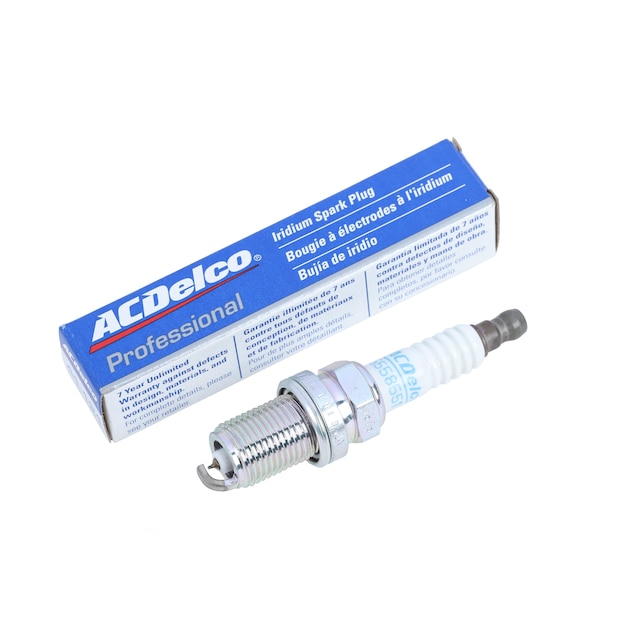
Credit: parts.buick.com
Spark Plugs In Diesel Engines
Understanding spark plugs in diesel engines can clear up a lot of confusion, especially if you’re used to gasoline vehicles. Unlike gasoline engines, diesel engines operate differently and this affects the role and presence of spark plugs. Let’s break down how spark plugs fit into the diesel engine world and what sets them apart.
Role Of Spark Plugs
In gasoline engines, spark plugs ignite the air-fuel mixture to start combustion. But in diesel engines, combustion happens differently. Diesel engines rely on high compression to ignite fuel, so they don’t actually need spark plugs to start the engine.
Instead, diesel engines often use glow plugs. These glow plugs heat the combustion chamber to help the diesel fuel ignite in cold conditions. So while spark plugs are common in gasoline engines, in diesel engines, glow plugs take on a crucial role in starting the engine smoothly.
Differences From Gasoline Engines
One major difference is that diesel engines usually don’t have spark plugs at all. If you’re wondering how many spark plugs are in a diesel engine, the answer is usually zero. Instead, they have glow plugs, which serve a different purpose.
Glow plugs heat the air inside the cylinder during cold starts. This makes it easier for the diesel fuel to ignite without a spark. So, if you’re comparing a diesel engine to a gasoline engine, remember that glow plugs replace the function of spark plugs in diesel systems.
Have you ever noticed your diesel vehicle taking longer to start in cold weather? That’s where glow plugs come in, making a big difference in your engine’s performance. Understanding this can help you maintain your diesel engine better and know when to check or replace glow plugs instead of spark plugs.
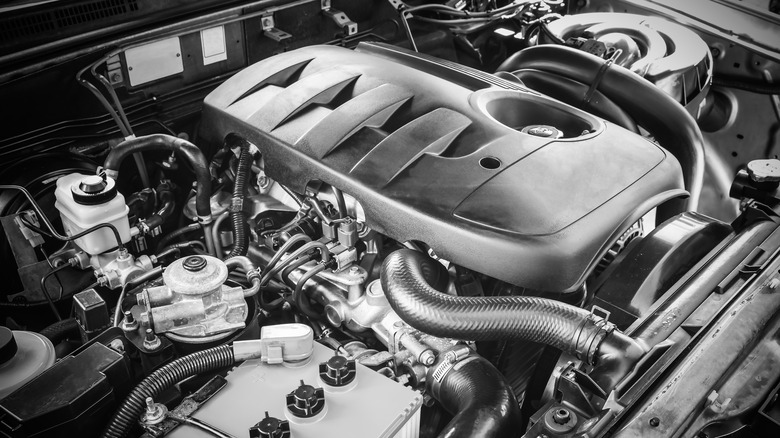
Credit: www.jalopnik.com
Glow Plugs Explained
Understanding glow plugs is key to knowing how diesel engines start and run smoothly, especially in cold conditions. Unlike gasoline engines that use spark plugs, diesel engines rely on glow plugs to ignite the fuel-air mixture. Let’s break down what glow plugs do and how they work to keep your diesel engine firing up without a hitch.
Purpose Of Glow Plugs
Glow plugs heat the combustion chamber in a diesel engine, helping the fuel ignite when temperatures are low. Without them, your engine might struggle or fail to start on cold mornings. They are essential for reducing emissions and improving fuel efficiency during startup.
Think about the last time your diesel vehicle took longer than usual to start. Chances are, weak or faulty glow plugs were to blame. They ensure your engine warms up quickly, so you don’t have to wait or risk stalling right after ignition.
How Glow Plugs Work
Glow plugs are small, pencil-shaped heating elements located in each cylinder of a diesel engine. When you turn the ignition key, they heat up rapidly—sometimes reaching over 1,000 degrees Fahrenheit—to warm the air inside the cylinder. This high temperature helps the diesel fuel ignite more easily.
They operate on a simple electric current but are built to withstand extreme heat and pressure. Modern glow plugs also have sensors to regulate their temperature, preventing overheating. Have you noticed how your diesel engine’s glow plug light turns off just before starting? That’s your signal the plugs are ready to do their job.
Number Of Spark And Glow Plugs
Understanding the number of spark and glow plugs in diesel engines is key to grasping how these engines start and run efficiently. Unlike gasoline engines, diesel engines typically don’t use spark plugs for ignition. Instead, they rely on glow plugs to heat the combustion chamber, especially in cold conditions.
Typical Count In Diesel Engines
Most diesel engines have one glow plug per cylinder. If you have a 4-cylinder diesel engine, expect to find four glow plugs. This setup helps ensure each cylinder heats properly for smooth starting.
Spark plugs are generally absent in diesel engines since they ignite fuel by compression, not spark. However, some modern diesel engines might use spark plugs in specific designs, but this is rare and usually limited to experimental or hybrid models.
Factors Affecting Plug Quantity
The number of glow plugs can vary depending on the engine’s size and design. Larger engines, like those in trucks or industrial machines, may have more cylinders and thus more glow plugs.
Engine technology also plays a role. Some advanced diesel engines use multiple glow plugs per cylinder to speed up warming time. Your vehicle’s make and model can influence how many glow plugs it uses.
Have you ever wondered why your diesel vehicle struggles to start on cold mornings? It might be related to glow plug performance. Knowing how many plugs your engine has can help you diagnose starting issues more effectively.
Maintenance Tips
Proper maintenance of diesel engine glow plugs is essential for smooth starting and efficient performance. Regular checks help detect issues early and prevent costly repairs. Understanding the signs of wear and knowing how to replace glow plugs keeps the engine running well.
Signs Of Plug Wear
- Engine struggles to start in cold weather.
- Longer cranking time before ignition.
- Excessive smoke during startup.
- Decreased fuel efficiency.
- Rough engine idle or misfires.
These symptoms often mean one or more glow plugs need attention. Early detection avoids engine damage and saves money.
Replacing Glow Plugs
Replace glow plugs with the correct type for your diesel engine. Use proper tools to avoid damage during removal or installation. Follow these tips for safe replacement:
- Disconnect the battery before starting.
- Locate and clean around the glow plugs.
- Remove old plugs carefully, avoiding breakage.
- Install new plugs hand-tight before final torque.
- Reconnect wiring and test the engine start.
Regular replacement improves cold starts and overall engine health. Check your vehicle’s manual for service intervals and specifications.
Common Myths About Diesel Plugs
Many people confuse diesel engine parts with those in gasoline engines. This causes common myths about diesel plugs. Understanding the difference is key to knowing how diesel engines work. Let’s clear up these myths and explain the true role of plugs in diesel engines.
Do Diesel Engines Use Spark Plugs?
Diesel engines do not use spark plugs. They work differently than gasoline engines. Instead of sparks, diesel engines rely on heat and pressure to ignite fuel. This means spark plugs are unnecessary. Many believe diesel engines have spark plugs because of the name “plugs.” This is a mistake. Diesel engines use a different tool to help start the engine.
Glow Plugs Vs Spark Plugs
Glow plugs and spark plugs may seem similar but serve different purposes. Glow plugs heat the air inside the cylinder to start the engine. They are essential in cold weather for diesel engines. Spark plugs create sparks to ignite the air-fuel mix in gasoline engines. Glow plugs do not create sparks. They simply warm the engine to aid combustion.
- Glow Plugs:Heat air to help start diesel engines.
- Spark Plugs:Create sparks to ignite fuel in gasoline engines.
Knowing this difference helps avoid confusion. Diesel engines use glow plugs, not spark plugs.

Credit: autos.yahoo.com
Frequently Asked Questions
How Many Spark Plugs Does A Diesel Engine Have?
Diesel engines usually do not have spark plugs. They rely on compression to ignite fuel. Instead, they use glow plugs for cold starts.
What Is The Difference Between Spark Plugs And Glow Plugs?
Spark plugs ignite fuel with an electric spark in gasoline engines. Glow plugs preheat the combustion chamber in diesel engines for easier starting.
Why Don’t Diesel Engines Use Spark Plugs?
Diesel engines ignite fuel by compressing air to high temperatures. This compression causes fuel to ignite without needing spark plugs.
How Many Glow Plugs Are In A Typical Diesel Engine?
Most diesel engines have one glow plug per cylinder. The number matches the cylinder count for efficient cold starts.
Conclusion
Diesel engines usually do not have spark plugs like gasoline engines. Instead, they use glow plugs to help start the engine in cold weather. The number of glow plugs matches the number of cylinders in the engine. Knowing this helps you understand how your diesel engine works.
Proper maintenance of glow plugs keeps the engine running smoothly. Remember, each diesel engine might differ slightly, so check your vehicle’s manual for exact details. Understanding this simple fact can save you time and money on repairs.





