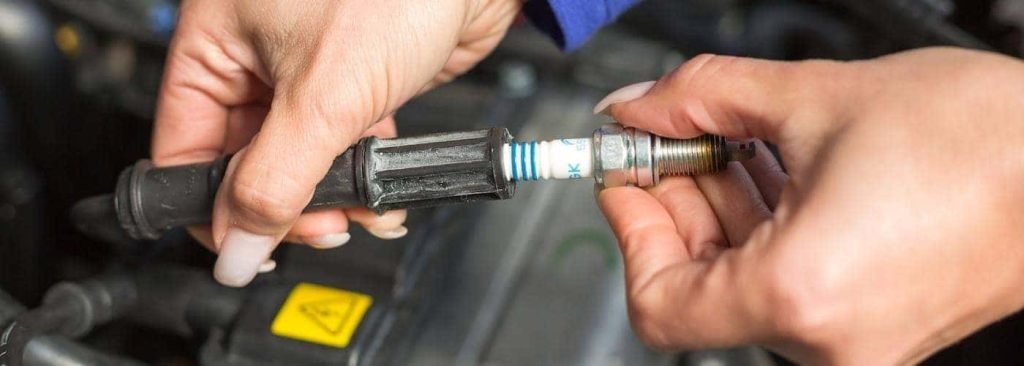
Are you wondering if it’s time to replace your spark plugs? You’re not alone.
Many car owners struggle with knowing exactly when to swap out these small but essential components. Spark plugs play a crucial role in your vehicle’s engine performance, fuel efficiency, and overall health. Ignoring them could lead to costly repairs and a bumpy ride.
But don’t worry, this guide is here to help. You’ll discover the telltale signs that it’s time for new spark plugs and learn how often they should be replaced to keep your engine purring smoothly. Keep reading to ensure your car runs like a dream and avoid unexpected breakdowns.
Credit: modernautoparts.co.za
Role Of Spark Plugs
Spark plugs play a vital role in your vehicle’s engine. They deliver the spark needed to ignite the air-fuel mix. This ignition powers the engine and keeps your car moving smoothly. Without well-functioning spark plugs, your engine can misfire or lose power. Understanding their role helps you know why regular replacement matters.
Function In Engine Performance
Spark plugs create a small spark inside the engine cylinders. This spark lights the fuel and air mixture, causing combustion. Combustion pushes the pistons, which turns the engine’s crankshaft. Good spark plugs ensure fast and efficient combustion. This improves fuel economy, power, and smooth running. Worn spark plugs cause weak sparks or misfires. This leads to rough idling, poor acceleration, and higher emissions.
Types Of Spark Plugs
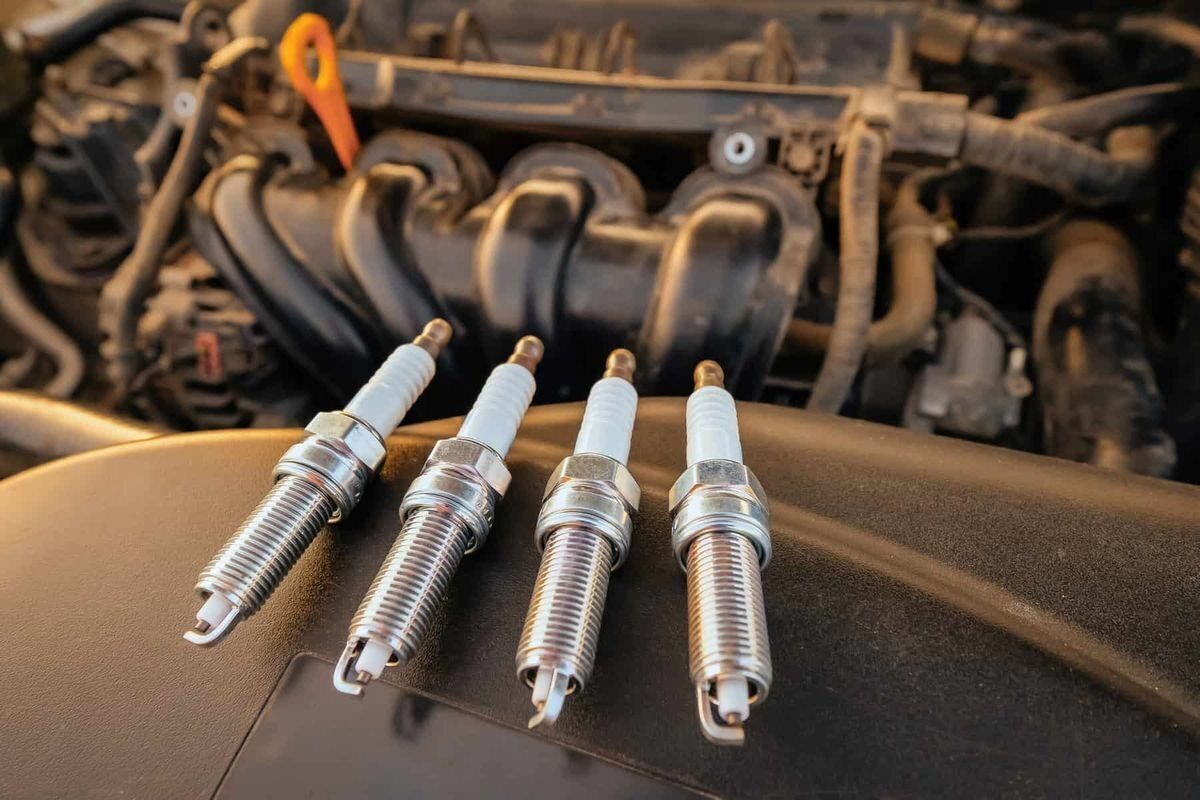
Spark plugs come in different types based on materials and design. Common types include:
- Copper:Basic type, good conductor but wears out faster.
- Platinum:Longer lasting than copper, better for modern engines.
- Iridium:Most durable and efficient, used in high-performance cars.
Each type affects engine performance and lifespan differently. Choosing the right spark plug helps maintain engine health and saves money on repairs.
Credit: www.westsideauto.com.au
Signs Of Worn Spark Plugs
Worn spark plugs can silently affect your vehicle’s performance before you even realize there’s an issue. Recognizing the signs early helps you avoid costly repairs and keeps your engine running smoothly. Let’s look closely at some common symptoms that suggest your spark plugs might need replacement.
Engine Misfires And Rough Idling
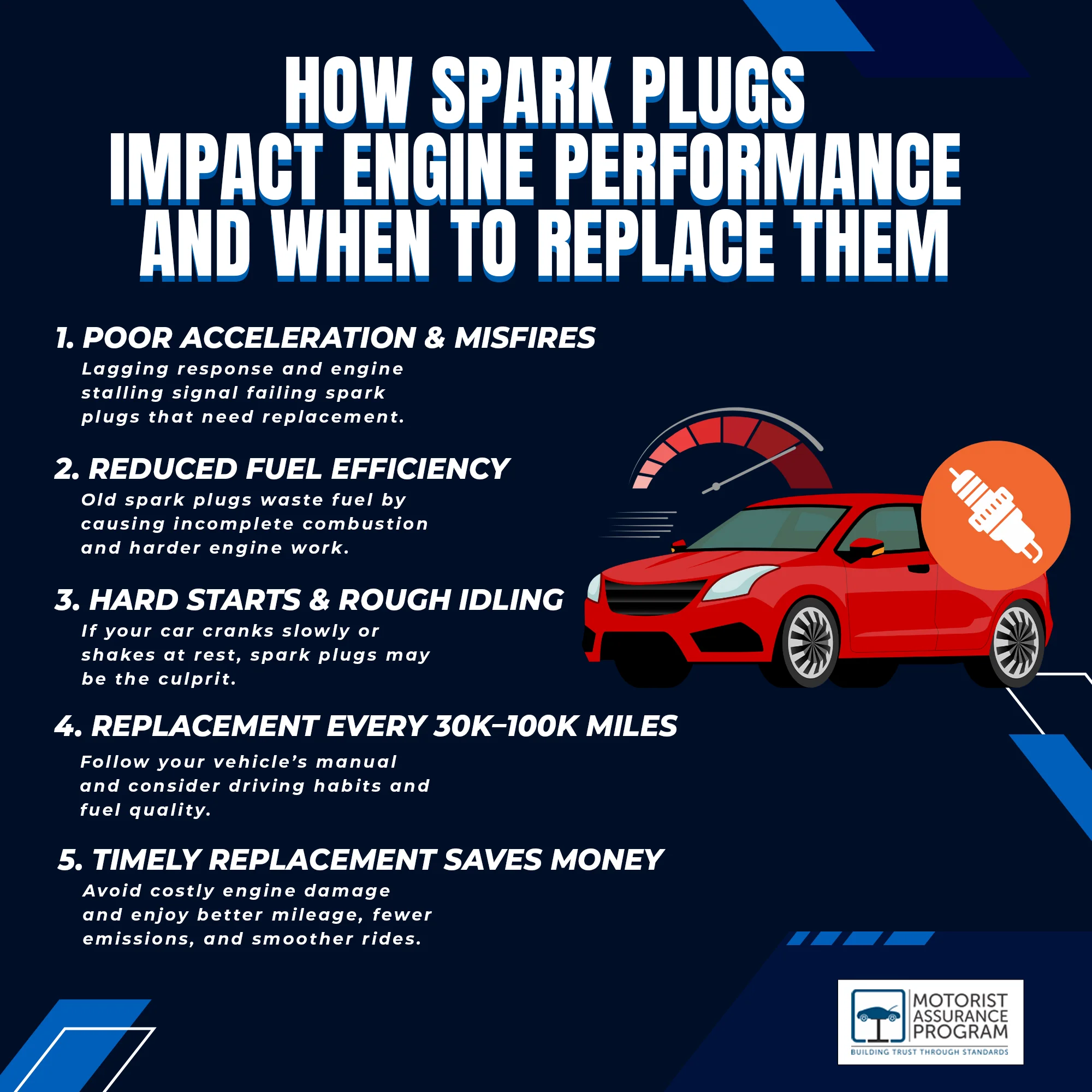
If your engine suddenly feels jerky or hesitates during acceleration, worn spark plugs could be the culprit. Misfires happen because the spark plugs can’t ignite the fuel-air mixture properly, causing uneven combustion.
Have you noticed your car shaking or vibrating more than usual when idling? That rough idling is a clear warning sign. Ignoring it might lead to bigger engine problems down the road.
Decreased Fuel Efficiency
Are you filling up the gas tank more often than before? Worn spark plugs reduce your engine’s efficiency, making it consume more fuel to produce the same power.
Think about your last few trips—did you notice the fuel gauge dropping faster? Paying attention to this can save you money and reduce your environmental impact.
Difficulty Starting The Engine
Struggling to start your car, especially on cold mornings, can be frustrating. Old spark plugs might fail to create the spark strong enough to ignite the engine’s fuel mixture.
If you find yourself turning the key multiple times before the engine fires up, it’s a sign to check your spark plugs. Timely replacement can restore smooth starts and reduce wear on your battery and starter motor.
Replacement Intervals
Knowing the right time to replace spark plugs is key for car health. Replacement intervals vary widely. Several factors influence when to change them. This section breaks down these intervals clearly.
Manufacturer Recommendations
Car makers set specific spark plug replacement intervals. These are in the owner’s manual. Most suggest changing plugs every 30,000 to 100,000 miles. Following these guidelines keeps engines running smoothly. Ignoring them risks engine misfires and poor fuel economy.
Impact Of Driving Conditions
Harsh driving conditions shorten spark plug life. Stop-and-go traffic, dusty roads, or extreme temperatures wear plugs faster. Frequent short trips can cause carbon buildup on plugs. This reduces their efficiency. Regular highway driving usually extends spark plug life.
Differences By Spark Plug Type
Spark plug material affects how often to replace them. Copper plugs last about 20,000 to 30,000 miles. Platinum plugs generally last up to 60,000 miles. Iridium plugs can last 100,000 miles or more. Choosing the right type helps match replacement intervals to your needs.
Inspection And Maintenance Tips
Regular inspection and maintenance keep spark plugs working well. They help the engine start smoothly and run efficiently. Checking spark plugs prevents engine problems and saves money on repairs. Simple care steps extend their life and improve car performance.
Visual Inspection Techniques
Check spark plugs for cracks, corrosion, and buildup. Look at the electrode tip for wear or damage. A dark, oily deposit means engine problems. A white, chalky coating shows overheating. Clean plugs have a light tan or gray color. Replace plugs with heavy damage or deposits.
Cleaning Spark Plugs
Use a wire brush to remove dirt and carbon. Avoid harsh chemicals that can damage the plug. Soak plugs in a cleaning solution for stubborn deposits. Dry plugs completely before reinstalling. Cleaning restores spark and improves engine power. Replace plugs if cleaning does not help.
Tools For Checking Spark Plugs
- Spark plug socket wrench for easy removal and installation
- Gap gauge to measure the electrode gap
- Wire brush or spark plug cleaner for cleaning
- Multimeter to test electrical resistance
- Flashlight to see hard-to-reach areas
Having these tools makes inspection safer and faster. Proper tools help spot issues early and maintain spark plug health.
Diy Vs Professional Replacement
Deciding between replacing your spark plugs yourself or hiring a professional can impact both your vehicle’s performance and your wallet. Each option has its own set of advantages and risks, depending on your skills and the tools you have. Understanding when to take on the task personally and when to seek expert help will save you time and trouble.
When To Replace Spark Plugs Yourself
If you have basic mechanical skills and the right tools, changing spark plugs can be a straightforward job. You’ll need a spark plug socket, a ratchet, and possibly a gap gauge to ensure the plugs are set correctly.
Look for signs like rough idling, trouble starting, or decreased fuel efficiency as clues it might be time for a replacement. If your vehicle’s manual suggests a simple procedure for your model, it’s a good opportunity to try it yourself.
Remember, working carefully to avoid cross-threading the spark plugs or damaging ignition coils is crucial. Have you checked if your car’s spark plugs are easy to access? Some engines require removing other parts, which can complicate the task.
Benefits Of Professional Service
Professional mechanics bring experience that can catch hidden issues you might miss, such as worn ignition wires or engine problems. They have specialized tools that ensure the plugs are installed with the correct torque and gap.
A shop visit often includes a full inspection, offering peace of mind that your ignition system is in top shape. This can prevent costly repairs down the road by addressing small problems early.
Consider whether your schedule allows the time for a DIY job or if a quick professional service fits better. Sometimes, investing in expert help avoids frustration and guarantees the job is done right the first time.
Credit: motorist.org
Cost Factors
Understanding the cost factors of replacing spark plugs can help you make smarter decisions about your vehicle’s maintenance. Costs vary widely depending on the type of spark plugs and where you get the service done. Knowing these details can prevent unexpected expenses and help you budget better.
Price Range For Spark Plugs
Spark plugs come in different types, from copper to iridium, each with a distinct price point. Basic copper plugs usually cost between $2 and $5each, while premium iridium plugs can range from $10 to $20per plug. The number of spark plugs your engine uses will also affect the total part cost.
Labor Costs
Labor costs depend on your vehicle’s make and model, as well as the mechanic’s hourly rate. Replacing spark plugs can take anywhere from 30 minutes to 2 hours. If your engine design makes the plugs hard to reach, expect to pay more for labor.
Long-term Savings
Replacing spark plugs on time keeps your engine running efficiently, which can save you money on fuel and prevent costly repairs. Have you noticed your car’s performance drop or fuel economy worsen? That could be a sign that investing in spark plug replacement now will pay off later. Regular maintenance reduces the chance of bigger issues down the road.
Frequently Asked Questions
How Often Should Spark Plugs Be Replaced?
Spark plugs typically need replacement every 30,000 to 100,000 miles. Check your vehicle’s manual for specific intervals. Regular inspection helps maintain engine performance and fuel efficiency.
What Are Signs Of Worn Spark Plugs?
Worn spark plugs cause rough idling, misfires, poor acceleration, and reduced fuel economy. If you notice these issues, inspect or replace the spark plugs promptly.
Can Driving Habits Affect Spark Plug Lifespan?
Yes, aggressive driving and frequent short trips can wear spark plugs faster. Gentle driving and regular maintenance extend their lifespan and improve engine efficiency.
Are All Spark Plugs Replacement Intervals The Same?
No, intervals vary by spark plug type and vehicle model. Iridium plugs last longer, around 60,000 to 100,000 miles, while copper plugs need earlier replacement.
Conclusion
Spark plugs wear out over time and affect engine performance. Most cars need new spark plugs every 30,000 to 100,000 miles. Check your car manual for the exact interval. Worn spark plugs can cause rough starts and lower fuel efficiency.
Replacing them on time keeps your engine running smooth. Regular checks help spot problems early. Don’t wait for engine trouble to replace spark plugs. Simple maintenance saves money and avoids bigger repairs later. Keep your car healthy by watching spark plug condition.
Easy to do, and it makes a big difference.





