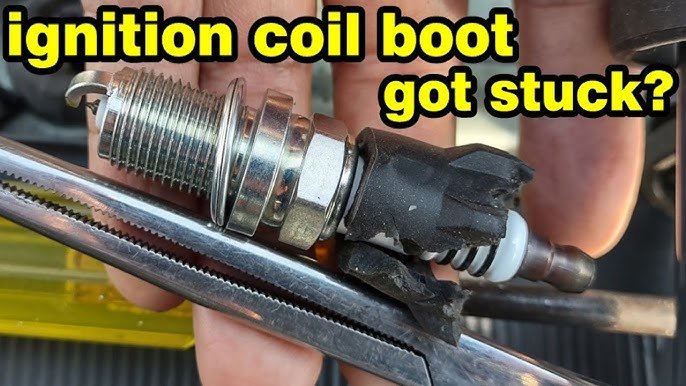
Dealing with seized spark plugs can be a real headache. You might be feeling a mix of frustration and concern, worrying about damaging your engine or facing a hefty repair bill.
But don’t worry; you’re not alone, and there’s a way out of this jam. Imagine the relief of getting those stubborn spark plugs out smoothly and restoring your engine’s performance. We’ll guide you through the process step-by-step, using simple tools and techniques that you can handle.
By the end, you’ll have the confidence and know-how to tackle this issue head-on. Stay with us, and let’s turn this daunting task into an achievable success.

Credit: www.odyclub.com
Signs Of Seized Spark Plugs
Seized spark plugs can cause car troubles that are hard to ignore. Identifying signs early helps prevent engine damage and costly repairs. Knowing what to look for saves time and effort during maintenance.
Common Symptoms
- Engine misfires or runs unevenly
- Hard starting or failure to start
- Reduced fuel efficiency
- Rough idling or stalling
- Unusual noises from the engine
- Check engine light turns on
- Difficulty removing spark plugs
Causes Of Seizure
- Over-tightening during installation
- Corrosion from moisture or salt
- Carbon buildup or deposits
- Excessive heat or engine overheating
- Improper spark plug type or size
- Long intervals between maintenance
- Exposure to harsh engine conditions
Essential Tools And Materials
Removing seized spark plugs can be tricky without the right tools and materials. Having everything prepared before you start saves time and reduces frustration. Let’s look at what you’ll need to get the job done smoothly.
Tools Needed
- Spark Plug Socket:A deep socket designed specifically for spark plugs, usually with a rubber insert to hold the plug securely.
- Ratchet Wrench:Provides the leverage needed to turn the socket and loosen the spark plug.
- Breaker Bar:For extra torque when the plug is really stuck.
- Extension Bar:Helps reach spark plugs that are recessed deep inside the engine.
- Torque Wrench:Essential for reinstalling plugs with the correct tightness to avoid damage.
- Wire Brush:Useful for cleaning the spark plug threads and surrounding area before reinstallation.
- Gloves and Safety Glasses:Protect your hands and eyes from dirt, debris, and chemicals.
Recommended Lubricants
Choosing the right lubricant can make a huge difference in freeing a seized spark plug. Penetrating oil is your best friend here. It seeps into the threads and loosens rust or carbon buildup.
- Penetrating Oil (e.g., WD-40, PB Blaster):Apply and let it sit for 15-20 minutes before attempting removal.
- Anti-Seize Compound:Use this on the spark plug threads when installing new plugs to prevent future seizing.
- Dielectric Grease:Keeps moisture out of the spark plug boot and prevents corrosion.
Have you ever struggled with a spark plug that just wouldn’t budge? Using a quality penetrating oil can save you hours of frustration and avoid damaging your engine. It’s a small step that pays off big.
Preparation Before Removal
Removing seized spark plugs needs careful preparation. Proper steps make the job safer and easier. Take time before starting to avoid damage or injury. This preparation helps protect the engine and tools.
Safety Precautions
Wear safety glasses to protect your eyes from debris. Use gloves to keep your hands safe from sharp parts. Work in a well-ventilated area to avoid breathing harmful fumes. Make sure the engine is cool before touching the spark plugs. Disconnect the battery to prevent electric shock or short circuits. Keep a fire extinguisher nearby in case of emergencies.
Cleaning Around The Spark Plug
Remove dirt and debris around the spark plug with a brush or compressed air. Cleaning prevents debris from falling into the cylinder when the plug is removed. Use a soft brush to avoid scratching engine parts. Wipe the area with a clean cloth to remove loose particles. This step reduces the risk of engine damage and makes removal easier.
Step-by-step Removal Process
Removing seized spark plugs requires patience and the right approach. Each step plays a key role in preventing damage to the engine or spark plug threads. Follow these instructions carefully to loosen stuck plugs effectively.
Applying Penetrating Oil
Start by spraying penetrating oil around the base of the spark plug. Let the oil soak in for at least 15 to 20 minutes. This softens rust and debris that hold the plug tight. For better results, repeat the application after some time. Penetrating oil helps free up the spark plug without forcing it.
Using The Right Socket And Ratchet
Select a spark plug socket that fits snugly over the plug. A socket with a rubber insert grips the plug well and prevents damage. Attach the socket to a ratchet with a flexible extension. This setup gives better control and reach, especially in tight engine spaces. Using the correct tools reduces the risk of breaking the plug.
Gentle Loosening Techniques
Turn the ratchet slowly and gently counterclockwise to loosen the plug. Avoid sudden or forceful moves that might snap the spark plug. If the plug feels stuck, try rocking it back and forth slightly. Patience here prevents costly repairs later. Keep applying light pressure until the plug begins to move freely.
Handling Stubborn Spark Plugs
Stubborn spark plugs can quickly turn a simple maintenance task into a frustrating challenge. When a spark plug refuses to budge, it’s often due to corrosion or excessive tightening from previous installations. Handling these tough cases requires patience and the right techniques to avoid damaging your engine or the spark plug itself.
Heat Application Methods
Applying heat can loosen the bond that holds the spark plug tight in its socket. Using a heat gun or a propane torch carefully directed at the area around the spark plug helps expand the metal, making it easier to unscrew.
Be cautious not to overheat surrounding components, especially rubber seals or plastic parts. Allow the metal to cool slightly after heating, then try loosening the plug again. This technique often breaks the rust or corrosion that locks the plug in place.
Tapping And Vibrating Tips
Sometimes, gentle tapping around the spark plug can help free it by breaking up rust or debris. Use a small hammer or a screwdriver handle to tap the metal around the plug, not the plug itself, to avoid damage.
Vibrations can also help loosen stuck plugs. If you have access to an impact wrench or an electric ratchet, set it on low torque to avoid snapping the plug. The combination of tapping and vibrations can work wonders for plugs that just won’t twist out.
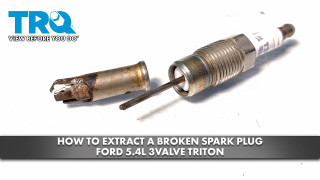
Credit: www.1aauto.com
Preventing Future Seizures
Preventing spark plug seizures saves time and avoids engine damage. Proper care and attention reduce the chances of plugs getting stuck. Focus on correct installation and routine upkeep to keep spark plugs functioning well. These steps help maintain engine performance and extend spark plug life.
Proper Installation Tips
- Clean the spark plug hole before installing the plug.
- Use anti-seize compound on the spark plug threads to prevent rust.
- Tighten plugs to the manufacturer’s recommended torque specification.
- Avoid over-tightening to prevent thread damage or seizure.
- Install plugs by hand first, then use a torque wrench for final tightening.
- Check spark plug gap and adjust if necessary before installation.
Regular Maintenance Advice
- Inspect spark plugs regularly for wear and deposits.
- Replace spark plugs according to your vehicle’s service schedule.
- Clean spark plug holes to remove dirt and debris.
- Check engine coolant and oil levels to prevent overheating.
- Use the correct type and heat range of spark plugs for your engine.
- Address engine issues promptly to avoid plug damage.
Credit: www.rav4world.com
Frequently Asked Questions
How Do I Know If A Spark Plug Is Seized?
A seized spark plug will feel stuck and won’t unscrew easily. Signs include engine misfires or difficulty starting. Use penetrating oil and proper tools to avoid damage when removing.
What Tools Are Best For Removing Seized Spark Plugs?
Use a spark plug socket, ratchet, and penetrating oil. A breaker bar or impact wrench can help loosen stubborn plugs safely.
Can I Remove Seized Spark Plugs Without Damaging The Engine?
Yes, by applying penetrating oil and letting it soak. Turn gently with the right socket and avoid excessive force to prevent thread damage.
How Long Should I Wait After Applying Penetrating Oil?
Wait at least 15 to 30 minutes for the oil to penetrate. This softens rust and carbon buildup, making removal easier and safer.
Conclusion
Removing seized spark plugs can be done with patience and the right tools. Take your time and avoid rushing the process. Use penetrating oil and gentle tapping to loosen the plug. Always turn the plug counterclockwise slowly to prevent damage.
If the plug still won’t budge, try applying heat carefully. Remember, safety is important—wear gloves and eye protection. With these steps, you can fix seized spark plugs yourself. Save money and keep your engine running smoothly. Practice these tips next time you face this common car problem.





