Is your car not running as smoothly as it used to? Have you noticed a drop in fuel efficiency or a rough idle?
The culprit might be a worn-out spark plug. Don’t worry; you don’t need to be a mechanic to fix it. Changing a spark plug is easier than you think, and doing it yourself can save you time and money. Imagine the satisfaction of solving this problem on your own and getting your car back to its peak performance.
With just a few simple steps, you’ll not only enhance your vehicle’s performance but also gain the confidence of handling car maintenance tasks effortlessly. Read on to discover how you can change a spark plug like a pro and keep your car running smoothly.
Tools Needed
Changing a spark plug might seem straightforward, but having the right tools makes the job smoother and safer. Without proper equipment, you risk damaging your engine or struggling through the process. Before you start, gather everything you need to make the task efficient and hassle-free.
Essential Equipment
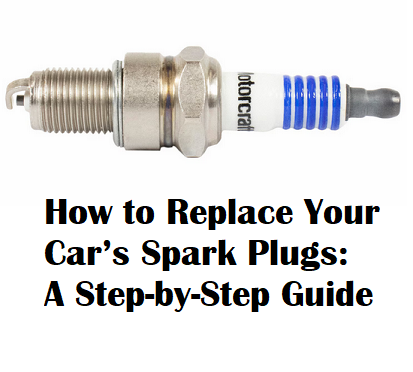
First, you’ll need a spark plug socket, which is specifically designed to fit spark plugs snugly and prevent damage. These sockets often have a rubber insert that grips the plug, helping you remove and install it without slipping.
A ratchet wrench pairs perfectly with the spark plug socket, giving you the leverage required to loosen or tighten plugs effectively. An extension bar might also be necessary if your spark plugs are recessed deeply into the engine block.
Don’t forget a torque wrench. You might wonder why—because over-tightening can strip threads or break the plug, while under-tightening leads to poor engine performance. This tool ensures you apply the exact amount of torque recommended by your vehicle’s manufacturer.
- Spark plug socket (usually 5/8″ or 13/16″)
- Ratchet wrench
- Extension bar (if needed)
- Torque wrench
- Gap gauge or feeler tool to check plug gap
Safety Gear
Safety should always be your priority. Wearing gloves protects your hands from sharp edges and hot surfaces, especially if the engine was recently running. It also helps you grip tools better.
Eye protection is just as important. Sparks, dirt, or small debris can fly up when removing old plugs, posing a risk to your eyes. Even if you’re working carefully, a pair of safety goggles can save you from an unexpected injury.
Additionally, consider wearing long sleeves to protect your arms from scratches or burns. Are you prepared to handle unexpected surprises during your spark plug change? Equipping yourself with the right safety gear ensures you’re ready for any minor mishaps.
Preparing The Vehicle
Preparing your vehicle is the first important step before changing a spark plug. This ensures your safety and protects your engine. Taking time to get the car ready makes the job easier and prevents damage.
Cooling The Engine
Make sure the engine is completely cool before starting. A hot engine can cause burns and damage spark plug parts. Wait at least 30 minutes after turning off the car. Touch the engine carefully to check the temperature. Never try to remove spark plugs from a hot engine.
Locating The Spark Plugs
Find the spark plugs before you start. Open the car hood and look for the spark plug wires or ignition coils. These are usually connected to the top or side of the engine. Check your vehicle’s manual for exact spark plug locations. Knowing where each plug sits helps avoid confusion during replacement.
Removing Old Spark Plugs
Removing old spark plugs is a crucial part of maintaining your vehicle’s engine. It might seem straightforward, but handling the wires and sockets correctly ensures you avoid damage and make the process smoother. Let’s break down what you need to do before the new spark plugs go in.
Disconnecting Spark Plug Wires
Before you start, make sure your engine is cool. Hot engines can cause burns or damage the wires. Grip the spark plug wire by the boot, not the wire itself, and gently twist it to loosen.
Pull the wire straight off the spark plug. Avoid yanking or pulling at an angle, which can damage the wire or connector. If the wires are stuck, a little patience and a twisting motion usually do the trick.
Using The Spark Plug Socket
Use a spark plug socket attached to a ratchet for removal. These sockets have a rubber insert that grips the plug, preventing it from falling once loosened. Insert the socket over the spark plug and turn counterclockwise to loosen.
Once loose, carefully lift the spark plug out. If it feels stuck, don’t force it—double-check if it’s fully unscrewed or try to apply a bit more penetrating oil. Removing spark plugs might feel fiddly at first, but with practice, it becomes second nature.
Inspecting Spark Plugs
Inspecting your spark plugs is a crucial step before deciding to replace them. It helps you understand the condition of your engine and whether the plugs are performing well or need immediate attention. Careful inspection can save you time and money by preventing unnecessary replacements or diagnosing deeper engine issues.
Checking For Wear
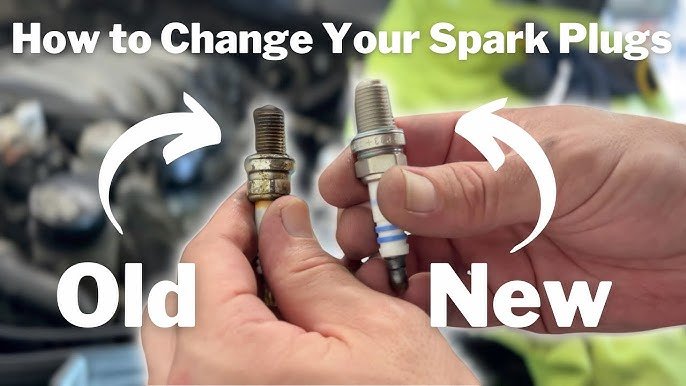
Look closely at the spark plug’s electrode and insulator. If the electrode is rounded or worn down, it can reduce spark efficiency and engine performance.
Check the color of the insulator. A light tan or grayish color usually means the plug is in good shape. Black, oily, or sooty deposits signal incomplete combustion or oil leaks.
Ask yourself: is the wear consistent across all plugs? Uneven wear might indicate a problem in specific engine cylinders.
Identifying Damage
Inspect the spark plug for cracks, chips, or physical damage on the porcelain insulator. Even small cracks can cause misfires and poor engine function.
Look for signs of overheating like blistered or melted electrodes. This can happen if the engine runs too hot or the spark plugs have the wrong heat range.
Have you noticed any corrosion or buildup on the threads? This can make removal difficult and suggests exposure to moisture or contaminants.
Installing New Spark Plugs
Installing new spark plugs is a key step in keeping your engine running smoothly. It might seem straightforward, but a few careful details make all the difference. Taking the time to prepare each spark plug ensures better performance and longer engine life.
Gapping The Spark Plug
Before you install the spark plug, check the gap between the electrodes. The gap affects how the spark fires and can impact your engine’s efficiency. Use a spark plug gap tool to measure it against your vehicle’s specifications found in the owner’s manual or on the sticker under the hood.
If the gap is too wide or too narrow, gently adjust it by bending the ground electrode. Be careful not to damage the electrode or ceramic insulator. Have you ever skipped this step and noticed your engine misfiring? Proper gapping avoids such issues and improves fuel economy.
Threading And Tightening
Thread the spark plug into the cylinder head by hand first. This prevents cross-threading, which can damage the engine and be costly to repair. Once the spark plug is seated, use a torque wrench to tighten it to the exact torque specified by your vehicle’s manufacturer.
Over-tightening can strip the threads or crack the plug, while under-tightening might cause poor sealing and misfires. If you don’t have a torque wrench, snug it firmly and then tighten a little more—usually about a quarter turn—but be cautious. Think about how much care you give to threading the plug; it’s worth the effort to avoid damage and ensure a perfect fit.

Credit: www.youtube.com
Reconnecting Components
After removing the old spark plug and installing the new one, reconnecting the components is crucial. Proper reconnection ensures the engine runs smoothly and efficiently. Take your time to attach wires and secure all connections firmly.
Attaching Spark Plug Wires
Handle the spark plug wires with care. Pull the boot, not the wire, to avoid damage. Match each wire to its correct spark plug. Push the boot firmly until it snaps on. A tight fit prevents misfires and improves engine performance.
Securing All Connections
Check all electrical and mechanical connections around the spark plug. Tighten any loose clips or connectors. Look for damaged wires or corrosion and replace if needed. Clean the area around the spark plug to avoid dirt entering the engine.
Testing The Engine
Testing the engine after changing a spark plug is crucial. It confirms the spark plug works well. It also helps spot any new problems early. This step ensures the vehicle runs smoothly and safely.
Starting The Vehicle
Turn the key or press the start button gently. The engine should start without hesitation. A smooth start means the spark plug is firing correctly. If the engine struggles or won’t start, check the spark plug connection. Make sure it is tight and properly placed.
Listening For Issues
Listen closely to the engine sound after starting. The engine should run evenly and quietly. Look out for knocking, sputtering, or rough idling noises. These sounds may indicate a faulty spark plug or installation problem.
Check for any unusual vibrations or stalls. These signs suggest the engine is not firing properly. If any issues appear, recheck the spark plug and wiring before driving.

Credit: www.youtube.com
Maintenance Tips
Keeping your spark plugs in good shape is key to your engine running smoothly. Regular maintenance helps you avoid unexpected breakdowns and saves money on repairs. Let’s look at when you should replace your spark plugs and how to spot problems early.
When To Replace Spark Plugs
Spark plugs don’t last forever. Most manufacturers recommend changing them every 30,000 to 50,000 miles. However, some high-performance or platinum-tipped plugs can last up to 100,000 miles.
Check your owner’s manual for exact intervals specific to your vehicle. If you drive in tough conditions like stop-and-go traffic or dusty areas, consider replacing them sooner. Waiting too long can cause poor fuel efficiency and rough idling.
Signs Of Spark Plug Problems
How do you know when a spark plug is failing? Watch for these warning signs:
- Engine Misfires:Your car stumbles or hesitates during acceleration.
- Poor Fuel Economy:You notice you’re filling up the gas tank more often.
- Difficulty Starting:The engine takes longer to start or won’t start at all.
- Rough Idle:The engine feels shaky or uneven when at a stop.
Ignoring these symptoms can lead to bigger engine problems. Have you ever experienced one of these issues and didn’t know the cause? Checking your spark plugs might just fix the problem faster than you think.
Credit: beachautomotive.com
Frequently Asked Questions
How Often Should I Change A Spark Plug?
Spark plugs typically last 30,000 to 100,000 miles. Check your vehicle’s manual for exact intervals. Regular replacement ensures optimal engine performance and fuel efficiency.
What Tools Do I Need To Change A Spark Plug?
You need a spark plug socket, ratchet wrench, extension bar, and a gap gauge. These tools help remove and install spark plugs safely and accurately.
How Do I Check Spark Plug Gap Correctly?
Use a spark plug gap gauge to measure the gap. Adjust it by gently bending the electrode. Correct gaps improve engine ignition and performance.
Can I Change Spark Plugs Without Mechanical Experience?
Yes, but follow the steps carefully and use proper tools. Watch tutorials and consult your vehicle manual. Take safety precautions to avoid damage or injury.
Conclusion
Changing a spark plug is easier than it seems. Just follow the steps carefully and take your time. Using the right tools makes the job smooth and safe. Regular spark plug checks keep your engine running well. This simple task saves money and avoids car troubles.
Try it yourself and feel confident under the hood. Your car will thank you with better performance and fuel efficiency. Keep learning small car repairs to stay prepared. A little effort goes a long way in car care.





