Your car isn’t just a machine; it’s your daily companion. But what happens when it starts to misbehave?
One of the common culprits could be your spark plugs. A bad spark plug can lead to a range of issues, from rough idling to poor fuel efficiency. But how do you know if your spark plug is bad? Imagine saving time, money, and avoiding stress by catching the problem early.
In this guide, you’ll discover clear signs to look out for and simple tests you can do yourself. By the end, you’ll have the confidence to spot a faulty spark plug and take action. Your car—and your peace of mind—will thank you.

Credit: www.reddit.com
Common Spark Plug Issues
Spark plugs play a vital role in your vehicle’s engine. They ignite the fuel-air mix to power your car. Common problems with spark plugs can cause many engine troubles. Knowing these issues helps you spot problems early. This can save money and avoid breakdowns.
Signs Of Wear And Tear
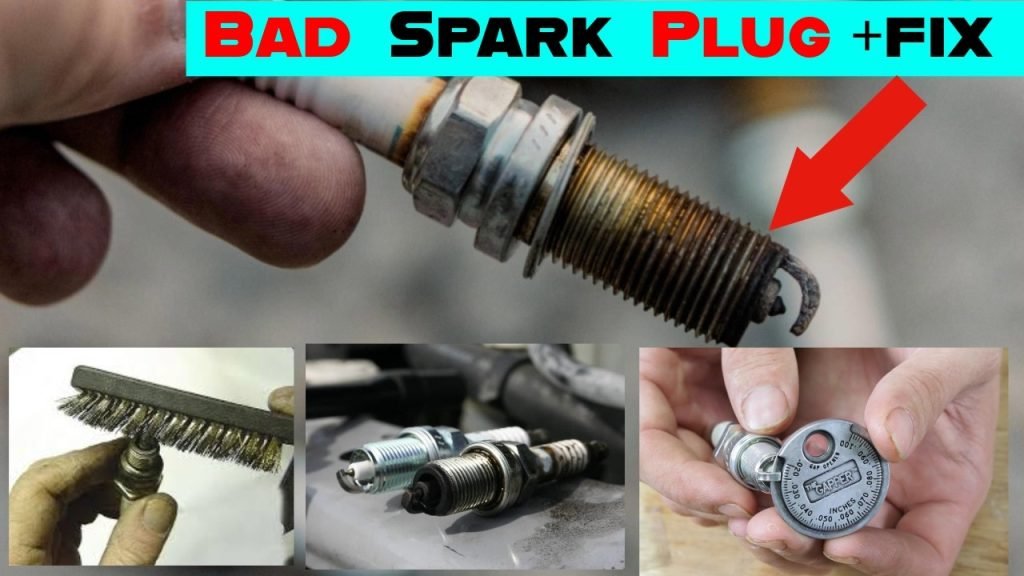
Over time, spark plugs wear down. The electrode can become rounded or corroded. Deposits like carbon or oil may cover the plug. Cracks or burns on the ceramic insulator are common. These signs mean the spark plug cannot work properly. Worn spark plugs often cause rough starts or misfires.
Impact On Engine Performance
Bad spark plugs affect engine power and fuel efficiency. The engine may run unevenly or stall. You might notice poor acceleration or low fuel economy. Sometimes, the engine makes unusual noises or vibrates more. These effects happen because the spark plugs fail to ignite fuel fully. Replacing bad plugs restores smooth engine performance.
7 Warning Signs Of A Bad Spark Plug
Identifying a bad spark plug early can save you from costly repairs and frustrating breakdowns. Spark plugs play a crucial role in igniting the air-fuel mixture in your engine, so any issue with them directly affects your vehicle’s performance. Watch out for these seven clear signs that your spark plug might need attention.
Engine Misfires
Have you noticed your engine stumbling or hesitating during acceleration? Misfires happen when the spark plug fails to ignite the fuel properly. This causes the engine to run unevenly, leading to jerks or loss of power. If you feel this, it’s a strong hint that your spark plugs need checking.
Poor Fuel Economy
Are you filling up more often than usual? Bad spark plugs can cause incomplete combustion, wasting fuel and lowering mileage. If your fuel costs suddenly spike without changes in driving habits, inspecting your spark plugs could reveal the culprit.
Difficulty Starting Engine
Does your car take longer to start or require multiple attempts? Faulty spark plugs struggle to generate a strong enough spark to ignite the engine. This delay or failure to start smoothly often signals worn-out plugs needing replacement.
Rough Idling
Is your engine shaking or vibrating while idling? Rough idling often means the spark plugs aren’t firing consistently. This uneven firing disrupts engine balance, causing noticeable shaking or noise when your vehicle is stationary.
Lack Of Acceleration
Do you feel sluggish when pressing the gas pedal? Bad spark plugs can limit your engine’s power output. Without a proper spark, acceleration suffers, making your car feel slow or unresponsive.
Engine Surging
Have you experienced unexpected bursts of speed or uneven power delivery? Engine surging can result from inconsistent spark plug performance. The irregular firing causes the engine to speed up and slow down unpredictably, making your drive less smooth.
Check Engine Light Activation
Has your dashboard’s check engine light turned on? Modern vehicles monitor spark plug function and will alert you if they detect misfires or ignition issues. Don’t ignore this warning—it’s a clear sign to have your spark plugs inspected immediately.
How To Inspect Spark Plugs
Inspecting spark plugs helps identify engine problems early. A careful check can reveal wear, damage, or fouling. Knowing how to inspect spark plugs ensures better engine performance and fuel efficiency.
Start with the right tools and a good visual check. Then, learn to read the condition of the spark plug to know if it needs replacement.
Tools Needed
- Spark plug socket wrench
- Ratchet or breaker bar
- Torque wrench (optional but recommended)
- Wire brush or spark plug cleaner
- Gloves to protect your hands
- Flashlight for better visibility
Visual Inspection Tips
Check the spark plug’s tip for color and deposits. A healthy plug usually has a light tan or gray color.
Look for cracks or chips on the ceramic insulator. Dark, oily, or sooty deposits indicate engine problems.
Examine the electrode for wear or erosion. Rounded or worn electrodes reduce spark quality.
Check the spark plug gap with a feeler gauge. A gap that is too wide or too narrow affects ignition.
Reading Spark Plug Condition
| Condition | What It Means | Action Needed |
|---|---|---|
| Light tan or gray | Normal wear | No immediate action |
| Black, dry soot | Rich fuel mixture or weak ignition | Check fuel system and ignition |
| Oily deposits | Oil leak or worn engine parts | Inspect engine seals and valves |
| Cracked insulator | Physical damage | Replace spark plug |
| Worn electrode | Old spark plug | Replace plug to restore performance |
When To Replace Spark Plugs
Knowing when to replace your spark plugs is key to keeping your engine running smoothly. Ignoring the signs of worn-out spark plugs can lead to decreased fuel efficiency and engine misfires. Let’s look at clear guidelines that help you decide the right time for replacement.
Manufacturer Recommendations
Your vehicle’s manufacturer provides specific intervals for spark plug replacement, usually found in the owner’s manual. These intervals often range between 30,000 and 100,000 miles depending on the type of spark plug and engine design.
Stick to these recommendations as a baseline. They are based on extensive testing and ensure your car performs optimally. Have you checked your manual lately? It might save you costly repairs down the road.
Signs Replacement Is Overdue
Even if you haven’t hit the mileage limit, certain symptoms indicate your spark plugs need immediate attention.
- Engine Misfires:Sudden jerks or hesitation during acceleration often point to faulty spark plugs.
- Poor Fuel Economy:Notice your tank emptying faster? Worn plugs can cause incomplete combustion, wasting fuel.
- Difficulty Starting:Struggling to start the engine can mean spark plugs aren’t generating enough spark.
- Rough Idling:If your engine shakes or vibrates at idle, it’s a warning sign.
Ignoring these signs can cause damage to other engine parts. Have you experienced any of these symptoms recently? Addressing them early will save you time and money.
Preventing Spark Plug Problems
Preventing spark plug problems starts with understanding that these small components play a big role in your engine’s performance. Neglecting them can lead to rough idling, poor fuel economy, and even engine misfires. Taking proactive steps can save you time, money, and frustration on the road.
Regular Maintenance Tips
Checking your spark plugs regularly can catch early signs of wear before they turn into bigger issues. Aim to inspect them every 30,000 miles or during routine oil changes. Look for deposits, cracks, or worn electrodes as these can indicate trouble.
Keeping the spark plug gaps correct is also essential. A gap that’s too wide or too narrow affects the spark’s ability to ignite the fuel mixture efficiently. You can use a gap gauge tool to measure and adjust this at home, which is easier than you might think.
Another simple habit is to clean around the spark plug area to prevent dirt and debris from entering the engine. Dirt buildup can cause misfires and reduce engine life. Have you checked how clean your engine bay is lately?
Using Quality Spark Plugs
Not all spark plugs are created equal. Choosing high-quality plugs designed for your vehicle’s make and model can make a noticeable difference. Cheaper plugs might seem like a good deal but often wear out faster and cause more problems.
Consider iridium or platinum spark plugs if you want longer-lasting performance. These materials resist corrosion and maintain their shape under high heat better than standard copper plugs. Investing a bit more upfront can reduce how often you need replacements.
Always buy spark plugs from reputable brands or trusted dealers. Counterfeit or low-grade plugs can damage your engine or cause inefficient combustion. Have you ever wondered what’s inside those bargain-bin spark plugs?

Credit: www.dodgedurango.net
Credit: www.toyotanation.com
Frequently Asked Questions
How Can I Tell If My Spark Plug Is Bad?
A bad spark plug causes engine misfires, rough idling, and poor fuel economy. Check for worn electrodes and carbon buildup.
What Symptoms Indicate Spark Plug Failure?
Common signs include difficulty starting, engine hesitation, reduced power, and increased fuel consumption. These suggest spark plug issues.
How Often Should Spark Plugs Be Replaced?
Replace spark plugs every 30,000 to 50,000 miles. Consult your vehicle’s manual for specific intervals and maintenance tips.
Can A Bad Spark Plug Damage My Engine?
Yes, faulty spark plugs can cause misfires that harm the catalytic converter and reduce engine performance over time.
Conclusion
Checking your spark plug regularly helps keep your car running well. Signs like rough idling or poor fuel economy often mean a bad spark plug. Replacing it can save you from bigger engine problems. Simple tests and visual checks show if it needs changing.
Don’t wait until the engine struggles or stalls. A healthy spark plug means smoother starts and better performance. Stay alert to these signs to avoid costly repairs. Taking care of spark plugs keeps your vehicle reliable and efficient.





