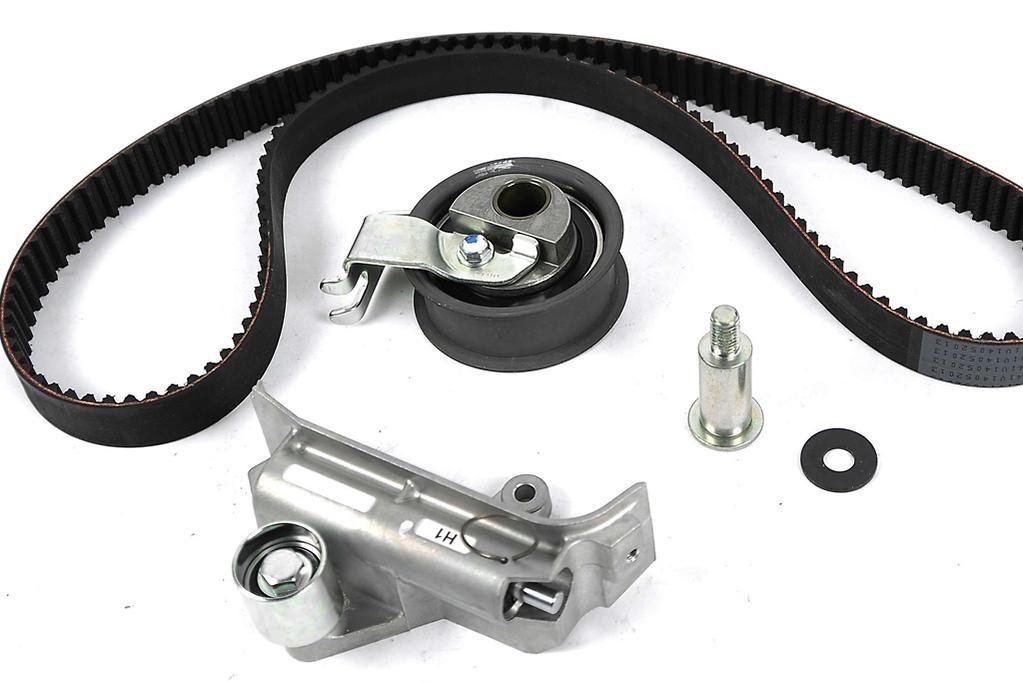
Ever heard a strange noise coming from your car’s engine? Or maybe your mechanic has mentioned the words “timing belt” during a routine check-up.
If so, you’re probably wondering, “How much does it cost to replace a timing belt? ” The answer isn’t as straightforward as you might think, but knowing the cost is crucial for your car’s health and your wallet. You might be tempted to ignore it, hoping the problem will just go away.
But what if I told you that neglecting a timing belt replacement could lead to even more costly repairs? In this blog post, we’re diving into everything you need to know about timing belt replacement costs. By the end, you’ll be equipped with all the information to make a smart decision for your vehicle and avoid unexpected expenses. Ready to find out what your car really needs? Keep reading!

Credit: www.whocanfixmycar.com
Timing Belt Basics
The timing belt is a small but crucial part of your vehicle’s engine. It keeps everything running smoothly by synchronizing the movement of various engine components. Understanding the basics of the timing belt can help you recognize when it needs replacement and avoid costly repairs.
Role In Engine Function
The timing belt connects the crankshaft to the camshaft, ensuring that the engine’s valves open and close at the right times during each cylinder’s intake and exhaust strokes.
If this belt slips or breaks, your engine can stop working instantly, sometimes causing serious internal damage. Think of it as the engine’s heartbeat—without it, the engine can’t operate properly.
Signs Of Wear
How do you know if your timing belt is wearing out? Some common signs include:
- Ticking noise coming from the engine
- Engine misfires or rough idling
- Difficulty starting the car
- Visible cracks or fraying on the belt
Have you noticed any of these symptoms? Ignoring them can lead to sudden breakdowns and expensive repairs. Checking your timing belt regularly could save you both time and money.

Credit: www.theengineeringchoice.com
Factors Affecting Replacement Cost
Several key factors influence the cost to replace a timing belt. Understanding these helps prepare for the expense and avoid surprises. Costs can vary widely depending on the vehicle and service choices.
Each factor plays a role in the total price. Some parts or labor may cost more due to complexity or quality. Knowing what affects the price aids in making better decisions.
Car Make And Model
The car’s make and model strongly impact timing belt replacement cost. Luxury brands often need pricier parts. Some engines have complicated designs, requiring more work. Older or rare cars may need special components. These factors raise the overall price.
Labor Charges
Labor costs depend on the mechanic’s hourly rate and job difficulty. Some shops charge more for experienced technicians. Timing belt replacement can take several hours. Cars with hard-to-reach belts require extra time. Higher labor hours increase the final bill.
Parts Quality
Parts quality affects durability and price. Original Equipment Manufacturer (OEM) belts cost more but last longer. Aftermarket parts are cheaper but vary in quality. Choosing quality parts can save money over time. Low-quality belts risk early failure and added costs.
Average Price Range
Replacing a timing belt is a critical maintenance task. The cost varies depending on the vehicle and service method. Understanding the average price range helps plan your budget. Timing belt replacement costs include parts and labor. Prices differ widely between economy cars and luxury models. Choosing between DIY and professional replacement also affects the total expense.
Economy Vehicles
Economy cars usually have lower replacement costs. Parts are more affordable and easier to find. Labor time is generally shorter, which lowers the price. Expect to pay between $300 and $600 for most economy models. This range covers both parts and labor. Older or less common models might cost a bit more.
Luxury And Performance Cars
Luxury and performance vehicles require specialized parts. Labor costs are higher due to complex engine designs. Replacement can take longer and need expert mechanics. Prices range from $700 to over $1,200 on average. Some high-end cars might exceed this range. Always check with your dealer or a trusted mechanic.
Diy Vs Professional Replacement
DIY timing belt replacement cuts labor costs significantly. Parts alone might cost $50 to $150. Tools and experience are essential for a safe job. Mistakes can cause engine damage, leading to expensive repairs. Professional service ensures correct installation and warranty. It costs more but offers peace of mind. Choose based on your skill level and budget.
Additional Costs To Consider
Replacing a timing belt often involves more than just swapping the belt itself. Several extra parts and potential issues can add to the total cost. Being aware of these additional costs helps you prepare better for the full expense.
Water Pump Replacement
The water pump often runs on the same belt as the timing belt. Many mechanics suggest replacing the water pump during the timing belt job. This avoids removing the belt again soon. Water pump replacement costs vary but usually add a moderate amount to the bill.
Tensioner And Pulley Costs
The timing belt system includes tensioners and pulleys. These parts keep the belt tight and aligned. Over time, they wear out and may need replacement. New tensioners and pulleys prevent belt failure and engine damage. Their costs are generally lower than the belt but still important to consider.
Unexpected Repairs
Sometimes, mechanics find hidden damage during the timing belt service. This could include worn seals, damaged gears, or engine leaks. These repairs can increase the total cost. Setting aside extra money for surprises can save stress later.
Timing Belt Replacement Process
Replacing a timing belt is a critical maintenance task that keeps your engine running smoothly. Understanding the process helps you gauge the effort and cost involved. Let’s break down what actually happens during a timing belt replacement.
Preparation Steps
Before you dive into the replacement, ensure your car is parked on a flat surface and the engine is cool. Disconnect the battery to avoid any electrical issues during the process.
Gather all necessary tools such as wrenches, screwdrivers, and a new timing belt kit. It’s smart to have a repair manual or guide specific to your vehicle model handy.
Don’t forget safety gear like gloves and eye protection. These simple preparations can save time and prevent accidents.
Removal And Installation
Start by removing components that block access to the timing belt, such as the engine cover, belts, or pulleys. This step requires patience; rushing can damage delicate parts.
Next, carefully release tension on the old timing belt and slide it off the pulleys. Note how the belt aligns with timing marks—this is crucial for correct installation.
Install the new timing belt, making sure it fits snugly and lines up perfectly with the timing marks. Replace any worn tensioners or pulleys to avoid future problems.
During my own timing belt replacement, missing a single alignment mark caused engine misfires. That experience taught me to double-check every detail before moving forward.
Final Checks
Once the new belt is in place, manually rotate the engine a few times to ensure everything moves smoothly without any binding. This step can reveal misalignment before you start the engine.
Reassemble all removed parts carefully, then reconnect the battery. Start the engine and listen for unusual noises or vibrations.
Watch your engine’s performance over the next few days. If you notice any issues, it might be worth revisiting the installation or consulting a professional.
Maintenance Tips To Extend Belt Life
Extending the life of your timing belt can save you a significant amount of money and prevent unexpected breakdowns. Understanding how to care for it properly helps you avoid costly replacements and keeps your engine running smoothly. Here are some practical tips that can help you get the most out of your timing belt.
Regular Inspections
Checking your timing belt regularly helps catch early signs of wear or damage. Look for cracks, fraying, or missing teeth on the belt surface. If you notice any issues during your inspection, it’s best to consult a mechanic immediately to avoid further damage.
Set a reminder to inspect your belt every few months or during routine oil changes. This simple habit can prevent costly surprises and extend the belt’s lifespan.
Driving Habits
Your driving style directly impacts the timing belt’s durability. Avoid aggressive acceleration and sudden stops, which put extra stress on the belt and related components. Gentle driving reduces wear and keeps the belt in good condition longer.
Have you ever noticed how smooth your engine runs when you drive calmly? That smoothness isn’t just comfort—it’s a sign your timing belt is handling less strain.
Scheduled Replacements
Every timing belt has a recommended replacement interval, usually between 60,000 and 100,000 miles. Sticking to this schedule is critical because belts can degrade silently and fail without warning. Don’t wait for a problem; replace your belt on time to protect your engine.
Remember, replacing the timing belt early can save you from more expensive engine repairs later. It’s a small investment compared to the cost of fixing damage caused by a broken belt.
Choosing The Right Mechanic
Choosing the right mechanic to replace your timing belt can save you from costly mistakes and ensure your car runs smoothly for years. It’s not just about finding someone with the lowest price but trusting a professional who knows what they’re doing. Your vehicle’s engine depends heavily on the timing belt, so the expertise and reliability of the mechanic matter a lot.
Certification And Experience
Look for mechanics who hold certifications from recognized automotive organizations. Certifications prove that the mechanic has undergone proper training and stays updated with the latest repair techniques.
Experience also counts. A mechanic who has replaced timing belts on your car model multiple times is less likely to make errors. Ask about their familiarity with your vehicle’s make and model. It’s worth paying a bit more for someone who knows the job inside out.
Customer Reviews
What do other customers say about their timing belt replacements? Reviews give you a real glimpse into a mechanic’s reliability and quality of work.
- Check online platforms like Google, Yelp, or specialized car forums.
- Look for patterns in feedback – consistent praise or repeated complaints.
- Don’t hesitate to ask the mechanic for references or before-and-after photos.
Reading reviews can reveal hidden details, such as punctuality, transparency in pricing, and friendliness, which all affect your overall experience.
Warranty And Guarantees
A reliable mechanic stands behind their work. Ask if they offer warranties or guarantees on the timing belt replacement.
Some shops provide a warranty on parts and labor for a set period or mileage. This shows confidence in their service and protects you if something goes wrong shortly after the repair.
Without a warranty, you might face extra expenses down the road. So, choosing a mechanic who offers clear guarantees can give you peace of mind and save money in the long run.

Credit: royaltonautoservice.com
Frequently Asked Questions
How Much Does Timing Belt Replacement Cost?
Timing belt replacement typically costs between $300 and $1,000. The price varies based on car make, model, and labor rates. Parts and labor make up the total cost. Regular replacement prevents engine damage and saves money long-term.
When Should I Replace My Timing Belt?
Most manufacturers recommend replacing the timing belt every 60,000 to 100,000 miles. Check your owner’s manual for specific intervals. Early replacement prevents engine failure and costly repairs. Regular inspections help identify wear before failure.
What Factors Affect Timing Belt Replacement Price?
The replacement cost depends on car type, belt quality, and labor fees. Some cars require more labor-intensive work, raising costs. Additional parts like tensioners may increase the price. Location and shop rates also influence the final cost.
Can I Replace The Timing Belt Myself?
Replacing a timing belt requires mechanical skill and special tools. Incorrect installation can cause serious engine damage. It’s safer to hire a professional mechanic. DIY replacement can save money but involves risks and time.
Conclusion
Replacing a timing belt costs vary by car type and location. Parts and labor make up the total price. Regular replacement helps avoid costly engine damage. Watch for signs like noise or engine problems. Choose a trusted mechanic for the job.
Planning ahead saves money and stress later. Timing belt care keeps your car running smooth. Don’t delay this important maintenance task.





