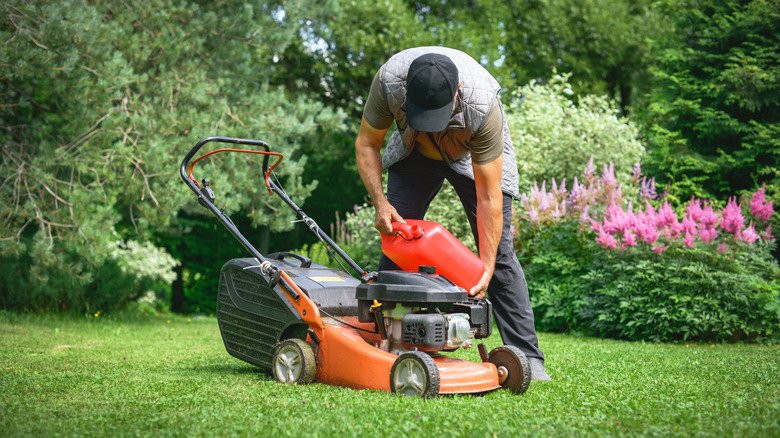
Choosing the right fuel for your lawn mower isn’t just about pouring whatever is left in the jerry can. The gasoline you select directly affects how easily the engine starts, how smoothly it cuts, how much maintenance you’ll do, and even how long the mower lasts.
Many homeowners unknowingly damage their mowers by using the wrong fuel, storing it too long, or ignoring ethanol-related problems. This guide breaks down every factor you need to consider — from octane ratings and ethanol content to storage practices and manufacturer recommendations — so you can make an informed choice that saves you time, money, and frustration all season long.
Why Gasoline Choice Matters for Small Engines
Lawn mower engines are small, air-cooled, and typically run at high RPMs. They are far more sensitive to fuel quality than a car engine. Carburetors and fuel lines in these machines have narrow passages that can easily clog with deposits, especially when gasoline degrades.
Using the wrong fuel can lead to hard starting, rough idling, stalling, and even permanent engine damage. On the other hand, the correct fuel helps your mower start reliably, burn cleanly, and operate efficiently. This is why understanding your options at the pump is worth a few extra minutes of attention.
Understanding Gasoline Types and Octane Ratings
Regular Unleaded (87 Octane)
Regular unleaded gasoline with an octane rating of 87 is the standard recommendation for virtually all lawn mower engines. This fuel provides the right combustion characteristics for typical small engines. It is widely available, affordable, and meets the requirements set by manufacturers like Honda, Toro, and Briggs & Stratton.
For the vast majority of residential mowers, regular unleaded is the best and simplest choice. It delivers consistent power for flat or moderately hilly terrains and maintains stable combustion without knocking.
Premium Gasoline (91+ Octane)
Premium gasoline has a higher octane rating, typically 91 or above. Higher octane resists knocking in high-compression engines but offers no benefit for a standard lawn mower engine, which is designed to run on 87 octane.
Unless your owner’s manual specifically calls for premium fuel (which is rare), you are wasting money by using it. Premium gas does not clean the engine better or produce more power in a typical mower.
Ethanol-Blended Fuels (E10, E15, and Beyond)
Ethanol is a renewable alcohol blended into gasoline to reduce emissions. The most common blend is E10, containing 10% ethanol and 90% gasoline. Many gas stations also sell E15 (15% ethanol), which is more common in some regions.
While E10 is generally acceptable for many lawn mowers if used fresh, E15 and higher blends are explicitly warned against by most small-engine manufacturers. Ethanol attracts moisture, which can lead to fuel separation and corrosion. It also has a lower shelf life than pure gasoline, breaking down faster and leaving gum-like deposits.
Ethanol-Free Gasoline
Ethanol-free gasoline, often labelled as "rec fuel" or "premium without ethanol," is the safest option for lawn mowers, especially if you store fuel for more than a month. Without ethanol, the fuel is less prone to absorbing water, so the risk of corrosion and phase separation drops dramatically.
Ethanol-free gas is slightly more expensive and may not be available at every station, but it pays off by extending the life of your carburetor and fuel lines. For seasonal equipment like mowers, this can be the single best choice.
The Ethanol Problem: Why It Harms Small Engines
How Ethanol Damages Your Mower
Ethanol is hygroscopic — it pulls water from the air. When too much water accumulates, the ethanol separates from the gasoline and forms a corrosive layer at the bottom of your tank. That layer attacks metal components, rubber lines, and plastic parts.
In addition, ethanol can cause the fuel to turn into a varnish-like substance after a few weeks, clogging tiny jets inside the carburetor. This is the leading cause of “mower won’t start after winter” complaints.
Pros and Cons of Ethanol Blends
| Pros | Cons |
|---|---|
| Reduces tailpipe emissions | Absorbs moisture, causing corrosion |
| Often cheaper at the pump | Can clog fuel system with varnish |
| Renewable source | Shorter shelf life (weeks, not months) |
| Widely available | Slightly lower fuel economy in small engines |
Even if you use E10, the key is to never let it sit in the tank. Always use fresh fuel and drain the carburetor before storage.
How Fuel Quality Affects Engine Performance
Starting Reliability
Fresh, high-quality gasoline ignites easily. Stale or ethanol-heavy fuel can cause hard starting or no-start conditions, especially after a few weeks of inactivity. If you have to crank your mower repeatedly, check the fuel’s age first.
Power and Efficiency
Clean fuel burns more completely, delivering consistent power to the blade. Poor fuel can lead to sputtering, power loss, and increased fuel consumption. You’ll end up using more gas to cut the same area, which negates any savings from buying cheaper fuel.
Emissions and Environment
Small engines produce disproportionately high emissions per hour compared to cars. Using lower-ethanol or ethanol-free gasoline can reduce harmful exhaust. The U.S. Environmental Protection Agency provides guidance on fuel choices for small engines, and many retailers now offer blended options that meet stricter standards.
For more on the broader environmental impact of fuel choices, see the EPA’s small engine resources.
Storing Gasoline Properly to Extend Shelf Life
Gasoline can start degrading in as little as 30 days. After that, the volatile components evaporate, and the remaining liquid becomes harder to ignite. To keep your fuel fresh:
- Use a sealed, approved fuel container (plastic or metal) with a tight cap.
- Store in a cool, dry, well-ventilated area away from direct sunlight and heat sources.
- Add a fuel stabilizer to fresh gasoline right after purchase. Stabilizers can extend shelf life to up to 12 months.
- Never leave gasoline in the mower tank for more than a few weeks between mows.
If you mow only occasionally, buy smaller quantities and refill frequently. A fuel stabilizer—like those from Briggs & Stratton—works well when mixed correctly.
Aging Fuel and Its Effects
Fuel that is older than 30 days can form gums and varnishes that clog carburetor jets. Symptoms include rough idle, hesitation, and stalling. If you have leftover gas from last season, dispose of it properly and start fresh.
Manufacturer Recommendations: What Brands Say
Each major lawn mower manufacturer publishes clear fuel guidelines. While they differ slightly, the consensus is the same: use regular unleaded, avoid high ethanol, and never use stale gas.
Common Manufacturer Guidelines
| Brand | Recommended Fuel | Ethanol Limit |
|---|---|---|
| Honda | Unleaded 86+ octane | Max 10% (E10) |
| Toro | Regular unleaded 87 octane | Max 10% |
| John Deere | Regular unleaded 87+ octane | Max 10% |
| Briggs & Stratton | Regular unleaded 87 octane | Max 10% (warns against E15) |
| Kawasaki | Regular unleaded 87 octane | Max 10% |
Briggs & Stratton explicitly states that using gasoline with more than 10% ethanol can void the warranty. This is a strong incentive to check the pump label before filling.
If you’re comparing riding mower brands, you might also want to read about one brand’s strengths over the other in our detailed comparison.
Why Warranty Matters
Using the wrong fuel is considered misuse. If your engine fails and the manufacturer discovers high-ethanol fuel in the system, the repair will not be covered. Always check your owner’s manual for the recommended fuel type, and keep a record of where you buy your fuel.
Common Fuel Mistakes and How to Avoid Them
1. Leaving Old Gas in the Tank
Many people start mowing in spring with fuel from last fall. That fuel has almost certainly degraded. The fix: drain the tank and carburetor before winter, or run the mower dry. In spring, always fill with fresh gasoline.
2. Mixing Fuel Types
Adding additives or mixing diesel with gasoline is a recipe for disaster. Diesel will not combust properly in a small gasoline engine and can cause severe internal damage. Also avoid mixing high-ethanol blends with ethanol-free gas — stick to one type.
3. Ignoring Ethanol Content
If you live in an area where E15 is available, pay attention. Most stations label the pump clearly. When in doubt, choose a station that offers ethanol-free “premium” even if it costs a bit more.
4. Storing Fuel Improperly
Using open containers or storing fuel near a heat source can raise pressure and create fire hazard. Always use approved containers and keep them in a designated garden shed or storage area.
Choosing the Best Gasoline for Your Specific Mower
Match Fuel to Your Mower’s Age and Condition
Older mowers with carburetors that have been used with ethanol may already have deposits. Switching to ethanol-free fuel can help clean the system gradually, but it’s not a substitute for a proper carburetor cleaning. If you notice performance issues, you might need to clean the mower deck and inspect the fuel lines as part of your maintenance routine.
Consider Your Mowing Frequency
- If you mow every week during the season, E10 is acceptable as long as you use it within a month.
- If you mow sporadically or have a small property, ethanol-free gas is worth the extra cost.
- For large properties where you mow several hours each time, you want a fuel that maintains consistent power. You might also be interested in reading about the best gas mowers for large yards to pair with your fuel choice.
Balance Cost and Performance
Premium (91+ octane) usually provides no benefit, but ethanol-free premium (91+ octane) does offer protection. The price difference is typically $0.50–$1.00 per gallon, which is minor compared to the cost of a carburetor repair. If you store fuel for more than two weeks, the extra cost is often justified.
Seasonal Considerations: Summer and Spring
Fuel performance can vary with temperature and humidity. In summer, ethanol blends can evaporate faster, leaving more water to cause separation. Using a fuel stabilizer during heat waves is a smart move.
Also, your mowing schedule affects how often you refuel. If you follow a spring mowing schedule, you’ll likely use more fuel, so maintaining fresh supply is easier. In the heat of summer, adjusting your mowing height can reduce stress on the engine and lower fuel consumption, but the fuel type itself remains a constant factor.
Frequently Asked Questions
What is the best gasoline for a lawn mower?
The best is regular unleaded gasoline with an octane rating of 87 and a maximum of 10% ethanol (E10). Ideally, use ethanol-free gas if your mower sits unused for more than two weeks.
Can I use E15 or E85 in my mower?
No. Almost all manufacturers warn against any fuel with more than 10% ethanol. E15 and E85 can cause severe damage to small engines and void your warranty.
How long can gasoline stay in a mower tank?
Up to 30 days without a stabilizer. With a good fuel stabilizer, you can extend that to 3–6 months, but it’s still best to drain the tank for long-term storage.
Is premium gasoline better for a lawn mower?
Premium gas with 91+ octane is not necessary. Standard 87 octane is the correct choice for the vast majority of mowers. Some premium gasolines are ethanol-free, which is a different consideration, but just paying for higher octane alone won’t help.
What if I accidentally put the wrong fuel in my mower?
If you realise the mistake before starting the engine, drain the tank immediately. If you’ve already run the mower, stop it, drain the fuel system, and refill with the correct fuel. You may need to clean the carburetor if running issues persist.
Final Recommendations
The simplest, most reliable choice for any lawn mower is fresh, regular unleaded gasoline with 87 octane and no more than 10% ethanol. If you want to protect your engine for years to come, switch to ethanol-free fuel — especially if you don’t mow weekly. Always store fuel in a certified container, use a stabilizer, and never leave old gas in the tank.
By paying attention to these small details, you’ll avoid costly repairs and enjoy a dependable mower that starts quickly and runs smoothly all season long. Your lawn will look better, and so will your wallet.





