Are you wondering how often you should change your spark plugs? You’re not alone.
Many drivers overlook this crucial aspect of car maintenance, and it can lead to unexpected problems down the road. Spark plugs might be small, but they play a big role in your car’s performance. Neglecting them can affect your fuel efficiency, engine power, and even the lifespan of your vehicle.
Understanding when and why to change them can save you time, money, and hassle. So, if you’re ready to ensure your car runs smoothly and efficiently, keep reading. You’ll discover the signs that indicate it’s time for a change and expert tips to keep your vehicle in top shape.

Credit: www.acg.aaa.com
When To Replace Spark Plugs
Knowing when to replace your spark plugs is key to keeping your vehicle running smoothly and efficiently. Worn-out spark plugs can cause engine misfires, reduced fuel economy, and rough starts. Understanding the right timing for replacement helps you avoid unexpected car troubles and costly repairs.
Mileage Guidelines
Most spark plugs last between 30,000 and 100,000 miles, depending on the type and quality. Copper spark plugs usually need replacement every 20,000 to 30,000 miles, while platinum or iridium types can last up to 100,000 miles.
Check your vehicle’s manual for specific mileage recommendations, but don’t ignore how your car feels as you approach these limits. Have you tracked your spark plug changes along with your mileage?
Signs Of Wear
Watch for symptoms like engine misfires, poor fuel efficiency, difficulty starting, or a rough idle. These signs often indicate that your spark plugs are dirty, corroded, or damaged.
Sometimes, visual inspection can reveal worn electrodes or heavy deposits. If you notice any of these, it’s time to replace them—even if your mileage isn’t due yet.
Manufacturer Recommendations
Your car’s manufacturer provides the most accurate advice on spark plug replacement intervals. These recommendations are based on extensive testing specific to your engine’s design.
Ignoring these guidelines can lead to performance issues and void warranties. Have you checked your owner’s manual recently to see what it advises for your model?
Types Of Spark Plugs
Spark plugs are essential for your engine’s performance. They ignite the air-fuel mixture inside the engine cylinders. Choosing the right type can improve fuel efficiency and engine life. Different spark plugs suit different driving needs and engine types. Understanding the main types helps you decide when to change them.
Copper Vs Platinum
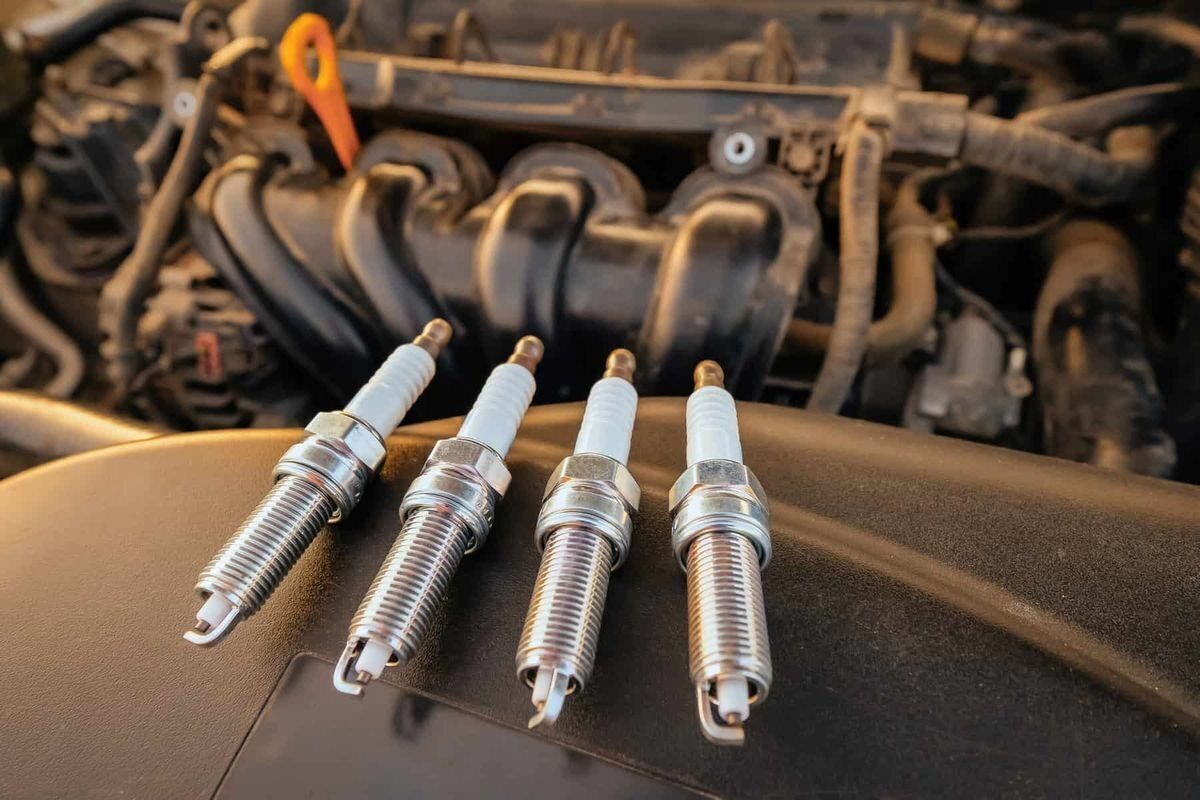
Copper spark plugs have a solid copper core. They conduct electricity well but wear out faster. Usually, copper plugs last about 20,000 to 30,000 miles. They are cheaper but need frequent replacement. Platinum spark plugs have a platinum tip. This metal lasts longer and resists corrosion better. Platinum plugs often last up to 60,000 miles. They offer better durability than copper but cost more.
Iridium Benefits
Iridium spark plugs use a thin iridium tip. This metal is very hard and durable. Iridium plugs can last 80,000 to 100,000 miles. They provide a stronger spark and better ignition. These plugs improve engine start-up and fuel efficiency. Iridium plugs cost more but save money on replacements.
Choosing The Right Plug
Check your car’s manual for recommended spark plugs. Consider your driving style and engine condition. Use copper plugs for older cars or budget options. Choose platinum plugs for daily driving and longer life. Pick iridium plugs for high performance and fuel savings. Replace spark plugs according to mileage or engine trouble signs.
Effects Of Worn Spark Plugs
Worn spark plugs can cause many problems in your car’s engine. They lose their ability to ignite the fuel-air mix properly. This issue affects how your engine runs and how much fuel it uses. It also increases harmful emissions. Understanding these effects helps you know why spark plug maintenance is important.
Impact On Engine Performance
Worn spark plugs cause weak sparks. This leads to poor combustion inside the engine. The engine may hesitate or misfire during acceleration. You might notice rough idling or difficulty starting the car. Engine power drops, making driving less smooth and less responsive.
Fuel Efficiency Drops
When spark plugs wear out, the engine burns fuel less efficiently. More fuel is needed to keep the engine running. This causes your car to use more gas than usual. Lower fuel efficiency means higher costs at the pump. It also means your engine works harder than it should.
Emission Concerns
Bad spark plugs increase harmful emissions from the exhaust. Incomplete fuel burning produces more carbon monoxide and hydrocarbons. These pollutants harm the environment and may cause your car to fail emission tests. Keeping spark plugs in good shape helps reduce pollution and keeps your car cleaner.
Credit: www.westsideauto.com.au
Diy Spark Plug Replacement
Changing spark plugs yourself saves money and gives a sense of achievement. The task is straightforward with the right tools and steps. Knowing how to replace spark plugs helps keep your engine running smoothly.
Tools Needed
- Spark plug socket wrench
- Ratchet and extension bar
- Torque wrench
- Gap gauge
- Dielectric grease
- Compressed air or a brush
- Protective gloves
- Flashlight or work light
Step-by-step Process
Start by parking your car on a flat surface and letting the engine cool down.
Locate the spark plugs, usually under the ignition coils or spark plug wires.
Use compressed air or a brush to clean debris around the spark plugs.
Remove the ignition coils or wires carefully to access the spark plugs.
Attach the spark plug socket to the ratchet and unscrew each spark plug slowly.
Check the gap on the new spark plugs with a gap gauge and adjust if needed.
Apply a small amount of dielectric grease to the spark plug boot for better contact.
Install the new spark plugs by hand to avoid cross-threading, then tighten with a torque wrench.
Reconnect the ignition coils or wires securely.
Repeat for all spark plugs, then start the engine to check for smooth operation.
Common Mistakes To Avoid
- Forgetting to let the engine cool before starting
- Using the wrong spark plug type or gap size
- Over-tightening or under-tightening the spark plugs
- Cross-threading spark plugs during installation
- Neglecting to clean debris around spark plugs first
- Not applying dielectric grease on the spark plug boots
- Failing to reconnect ignition components properly
Professional Maintenance Tips
Keeping your spark plugs in good shape ensures your engine runs smoothly. Professional maintenance helps avoid unexpected breakdowns and improves fuel efficiency. Knowing how and when to care for spark plugs saves money and time.
Service Intervals
Check your vehicle’s manual for recommended spark plug replacement times. Most cars suggest changing spark plugs every 30,000 to 100,000 miles. High-performance engines may need more frequent changes. Regular intervals prevent engine misfires and poor performance.
Inspection Techniques
Visual inspection can reveal worn or dirty spark plugs. Look for signs like black soot, oil deposits, or cracked porcelain. Use a spark plug gap tool to check the gap size. A gap too wide or narrow affects engine efficiency. Clean minor deposits with a wire brush gently.
When To Seek Expert Help
Strange engine noises or rough idling suggest spark plug issues. Difficulty starting your car also indicates a problem. Consult a mechanic if you see damaged or heavily worn plugs. Professionals use special tools and can diagnose hidden problems. Early expert intervention prevents costly repairs later.
Credit: beachautomotive.com
Frequently Asked Questions
How Often Should Spark Plugs Be Replaced?
Spark plugs typically need replacement every 30,000 to 100,000 miles. The exact interval depends on your vehicle and spark plug type. Always check your owner’s manual for specific recommendations to maintain engine efficiency and performance.
What Are Signs Of Worn Spark Plugs?
Worn spark plugs cause engine misfires, poor fuel economy, and rough idling. You may also notice difficulty starting your car. Timely replacement helps prevent these issues and keeps your engine running smoothly.
Can I Change Spark Plugs Myself?
Yes, changing spark plugs is a manageable DIY task with basic tools. However, consult your vehicle manual for the correct type and gap size. If unsure, professional service is recommended to avoid engine damage.
Do Spark Plugs Affect Fuel Efficiency?
Yes, faulty spark plugs reduce fuel efficiency by causing incomplete combustion. Replacing them on time ensures optimal fuel use and lowers emissions, saving you money and protecting the environment.
Conclusion
Changing spark plugs regularly keeps your engine running well. Old spark plugs cause poor fuel use and rough starts. Most cars need new plugs every 30,000 to 50,000 miles. Check your car’s manual for exact timing. Clean, working spark plugs help save gas and reduce pollution.
Don’t wait for problems—replace plugs on time. Your car will thank you with better power and smooth rides. Simple care now avoids costly repairs later. Spark plugs matter more than many think. Keep them fresh for a happy, healthy engine.





