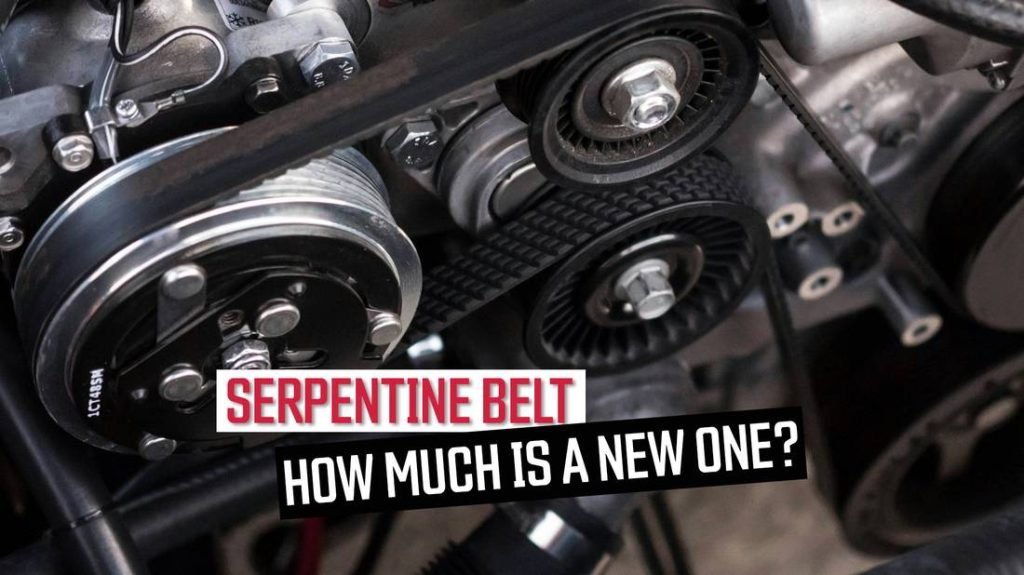
When that unsettling squeak or sudden snap jolts your attention while driving, it could be a sign that your drive belt is on its last leg. As a vital component in your vehicle, the drive belt plays a crucial role in powering essential systems like your alternator, power steering, and air conditioning.
Replacing it before it fails completely can save you from unexpected breakdowns and costly repairs. But how much does it cost to replace a drive belt? Understanding the expenses involved can help you plan your budget and avoid unpleasant surprises.
You’ll discover all the factors that influence the cost of replacing a drive belt, helping you make informed decisions without breaking the bank. Keep reading to uncover the details that could save you time, money, and stress.

Credit: carbuzz.com
Drive Belt Replacement Costs
Understanding the cost of replacing a drive belt helps you prepare for unexpected car maintenance without stress. The price you pay can vary quite a bit depending on several factors. Knowing what influences these costs puts you in control when you talk to your mechanic or shop for parts.
Average Price Range
Typically, replacing a drive belt costs between $50 and $200. This range covers both parts and labor. The belt itself is usually inexpensive, around $25 to $75, but labor can increase the total bill.
Most shops charge between $50 and $150 for labor, depending on how difficult it is to reach the belt. For example, some engines have belts hidden under other components, making the job take longer. Have you ever been surprised by a simple repair turning into a costly one because of labor charges?
Factors Affecting Cost
- Vehicle Make and Model:Luxury or imported cars often have pricier parts and more complex repairs.
- Type of Drive Belt:Serpentine belts tend to cost more than simple V-belts but often last longer.
- Labor Costs:Labor rates vary by location and shop expertise. Urban areas generally have higher rates.
- Additional Repairs:Sometimes, worn pulleys or tensioners need replacement too, adding to the cost.
When I replaced my drive belt, the mechanic found a worn tensioner that needed changing. That added about $70 to the bill but saved me from another breakdown soon after. Would you want to risk a second repair soon, or pay a bit more upfront?

Credit: www.thompsonsales.com
Types Of Drive Belts
Understanding the different types of drive belts can help you better estimate the cost of replacing one. Each belt serves a specific function in your vehicle and comes with unique characteristics that affect price and replacement complexity. Knowing what type your car uses can save you both time and money.
Serpentine Belts
Serpentine belts are the most common type found in modern vehicles. They are long, continuous belts that wind around multiple pulleys to power various engine components like the alternator, power steering pump, and air conditioning compressor.
Because they handle multiple functions, a worn-out serpentine belt can cause several problems at once. Replacing one usually costs between $50 and $200, depending on the vehicle model and labor charges.
V-belts
V-belts are older technology and often found in older cars or specific engine setups. They have a trapezoidal cross-section and typically drive a single component per belt, such as the water pump or alternator.
Replacing a V-belt is generally less expensive than a serpentine belt, often costing between $20 and $75. However, some vehicles may have multiple V-belts, which can add to the total replacement cost.
Timing Belts
Timing belts are crucial for synchronizing the engine’s camshaft and crankshaft. Unlike serpentine or V-belts, they are not visible without removing engine covers, and failure can cause severe engine damage.
The replacement cost is higher, ranging from $300 to $900, due to the labor-intensive process and the importance of precise installation. Have you checked your timing belt’s condition lately? Ignoring it could lead to costly repairs down the road.
Labor Charges Explained
Understanding labor charges is key when budgeting to replace a drive belt. Labor costs often make up a significant part of the total expense and can vary widely. Knowing what influences these charges helps you decide between doing it yourself or hiring a professional.
Diy Vs Professional Service
Replacing a drive belt yourself can save you money, but it requires some mechanical skill and the right tools. If you enjoy working on your car and have experience, DIY might be a good choice.
However, if you’re unsure or lack the tools, professional service ensures the job is done correctly and safely. Mistakes in installation can lead to bigger problems and more costly repairs later.
- DIY benefits:No labor fees, learning experience, control over timing.
- Professional benefits:Warranty on work, expert knowledge, saves your time.
Have you ever started a car repair project only to realize it was more complicated than expected? That’s why weighing your confidence and skills against the complexity of the task is important.
Hourly Rates And Time Estimates
Labor charges usually depend on the shop’s hourly rate and how long the replacement takes. Rates can range from $50 to over $150 per hour, depending on location and shop type.
Replacing a drive belt typically takes 1 to 2 hours. More complex vehicles or additional repairs can increase this time.
| Service Type | Average Hourly Rate | Estimated Time | Estimated Labor Cost |
|---|---|---|---|
| Independent Mechanic | $70 – $90 | 1 – 2 hours | $70 – $180 |
| Dealership | $100 – $150 | 1 – 2 hours | $100 – $300 |
Keep in mind, some shops charge a flat rate for belt replacement, which can simplify budgeting. Are you comfortable negotiating or asking for a clear estimate before the work begins?
Signs You Need A New Drive Belt
Knowing when your drive belt needs replacement can save you from unexpected breakdowns and costly repairs. The drive belt plays a crucial role in keeping your engine accessories running smoothly. Ignoring the signs of wear can lead to more serious engine problems down the road.
Common Symptoms
Watch out for unusual noises like squealing or chirping coming from the engine area. These sounds often indicate a loose or worn-out belt struggling to grip pulleys properly.
Another sign is visible cracks or fraying on the belt surface. If you spot any damage, it’s time to consider a replacement before the belt snaps completely.
Pay attention to engine overheating or battery warning lights. A failing drive belt can stop the water pump or alternator from working, causing these warning signals.
Preventive Maintenance Tips
Regularly check your drive belt for signs of wear during routine oil changes or inspections. You don’t need special tools—just a flashlight and a keen eye to spot cracks or glazing.
Keep the belt properly tensioned. Too tight or too loose can shorten its lifespan and affect engine performance.
Ask your mechanic to inspect the belt and related components like pulleys and tensioners every 30,000 miles. Replacing worn parts early can prevent surprise failures.
Ways To Save On Replacement
Replacing a drive belt can be costly, but there are ways to reduce expenses. Smart choices and careful planning help save money. Focus on quality and search for offers. This approach protects your vehicle and your wallet.
Choosing Quality Parts
Selecting quality drive belts ensures longer life and better performance. Cheap parts may fail quickly, causing more repairs. High-quality belts reduce risk of damage to other components. Spending a bit more upfront avoids future costs. Always check manufacturer recommendations for the best fit.
Finding Discounts And Deals
Many stores and online shops offer discounts on auto parts. Seasonal sales and coupons cut the price significantly. Joining loyalty programs can provide extra savings. Comparing prices across several sources helps find the best deal. Buying during sales events lowers overall replacement costs.
Additional Costs To Consider
Replacing a drive belt often involves more than just the belt itself. Other parts may wear out or fail alongside the belt. These extra expenses can increase the total cost of repair. Understanding these additional costs helps avoid surprises at the shop.
Tensioners And Pulleys
Tensioners keep the belt tight and running smoothly. Pulleys guide and support the belt’s path. Both parts face wear and tear over time. A worn tensioner or pulley can cause belt failure. Mechanics usually check these parts during replacement. Replacing damaged tensioners or pulleys adds to the cost. It prevents future belt problems and saves money long term.
Inspection Fees
Many repair shops charge inspection fees before replacing the belt. Inspections help find hidden issues that affect belt life. The fee covers labor and diagnostic tools. Sometimes, shops waive inspection fees if you proceed with repairs. Expect this cost to appear on your bill. Knowing about inspection fees upfront helps plan your budget better.
Impact Of Vehicle Type On Price
The cost to replace a drive belt varies greatly depending on the vehicle type. Each vehicle has unique parts and labor needs. These differences affect the total price. Knowing your vehicle category helps estimate the replacement cost better.
Sedans And Compact Cars
Sedans and compact cars usually have simpler engine layouts. Their drive belts are smaller and easier to reach. Replacement parts are often less expensive. Labor time is shorter, lowering the overall cost. Expect lower prices compared to larger vehicles.
Suvs And Trucks
SUVs and trucks have bigger engines and heavier components. Drive belts may be longer or part of complex systems. Replacement can take more time and effort. Parts for these vehicles often cost more. This leads to a higher total replacement price.
Luxury Vehicles
Luxury vehicles use specialized parts and high-quality materials. Drive belts in these cars may need brand-specific replacements. Labor requires skilled technicians with special tools. All these factors increase the cost significantly. Expect the highest prices in this category.

Credit: carbuzz.com
Frequently Asked Questions
How Much Does It Cost To Replace A Drive Belt?
Replacing a drive belt typically costs between $50 and $200. The price depends on your vehicle model and labor charges. Parts usually cost $20 to $75, while labor can range from $30 to $125.
What Factors Affect Drive Belt Replacement Cost?
Cost varies by vehicle type, belt quality, and labor rates. Luxury or rare vehicles often have higher prices. Also, the complexity of the belt system affects the total cost.
How Often Should You Replace A Drive Belt?
Drive belts generally last 60,000 to 100,000 miles. Regular inspections help detect wear early. Replace the belt if you hear squealing or see cracks.
Can I Replace A Drive Belt Myself?
Yes, if you have basic tools and mechanical skills. Follow your vehicle’s manual for instructions. However, professional replacement ensures proper tension and safety.
Conclusion
Replacing a drive belt usually costs between $50 and $200. Prices vary based on car type and labor charges. Buying parts yourself can save some money. Regular checks help spot wear early and avoid bigger damage. Timely replacement keeps your car running smooth and safe.
Knowing costs helps you plan your budget well. Don’t ignore strange noises or belt wear signs. Simple steps keep your vehicle in good shape.





