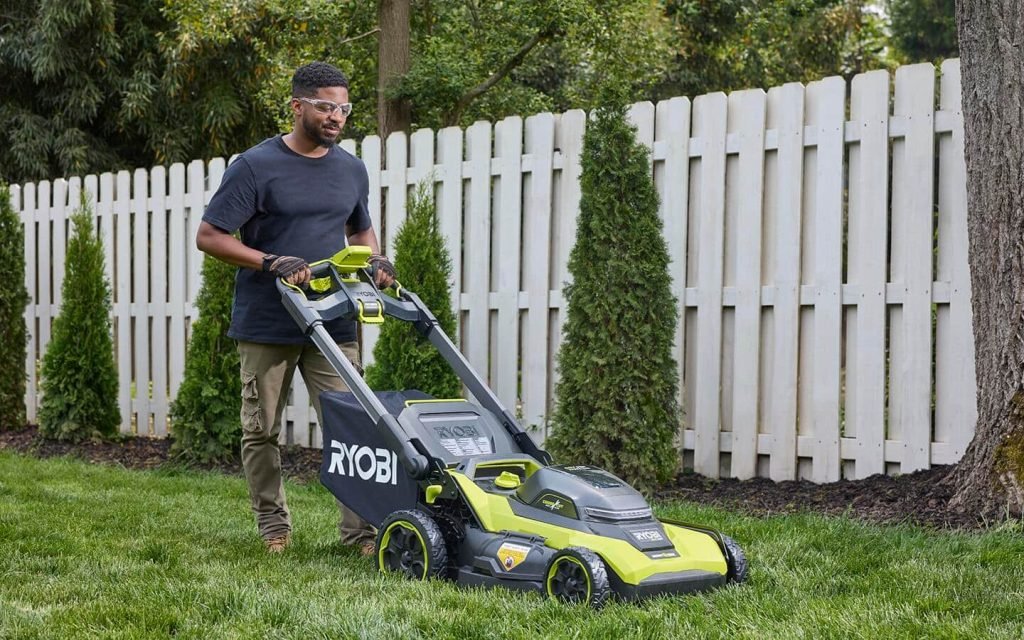
Are you tired of your lawn mower sputtering and stalling just when you need it the most? You’re not alone.
A well-maintained lawn mower is your trusty sidekick in keeping your yard pristine. But who do you turn to when it’s time for a tune-up or repair? Finding the right professional to service your lawn mower can be the difference between a quick fix and a season of frustration.
We’ll guide you through everything you need to know about who services lawn mowers, ensuring your equipment is always in top shape. Discover the secrets to extending your mower’s life and saving money along the way. Stay with us to learn how to make informed decisions that keep your lawn looking its best.
Credit: www.homedepot.com
Common Lawn Mower Issues
Owning a lawn mower means you’ll face some common issues that can slow down your yard work. Understanding these problems helps you decide when to fix it yourself or call a professional. Let’s look at some frequent lawn mower troubles that often need servicing.
Engine Problems
The engine is the heart of your lawn mower. If it sputters or won’t run smoothly, it could mean clogged air filters, worn spark plugs, or dirty carburetors. Sometimes, the engine just needs a simple tune-up to get back to full power.
Have you ever noticed your mower stalling mid-cut? That’s usually a sign of engine trouble. Ignoring it can lead to more expensive repairs down the line.
Blade Dullness
Dull blades tear grass instead of cutting it cleanly, causing your lawn to look ragged and unhealthy. Sharpening the blades regularly keeps your mower working efficiently and protects your grass.
If your mower is leaving uneven patches, it might be time to check the blade sharpness. A sharp blade cuts better and even reduces the strain on your mower’s engine.
Starting Difficulties
Nothing is more frustrating than a mower that won’t start. This issue often relates to a dead battery, faulty ignition switch, or old spark plugs. Sometimes, just replacing the spark plug solves the problem quickly.
Ask yourself—does your mower pull cord feel unusually stiff, or does the engine crank but not start? These signs hint at underlying mechanical issues needing attention.
Fuel System Issues
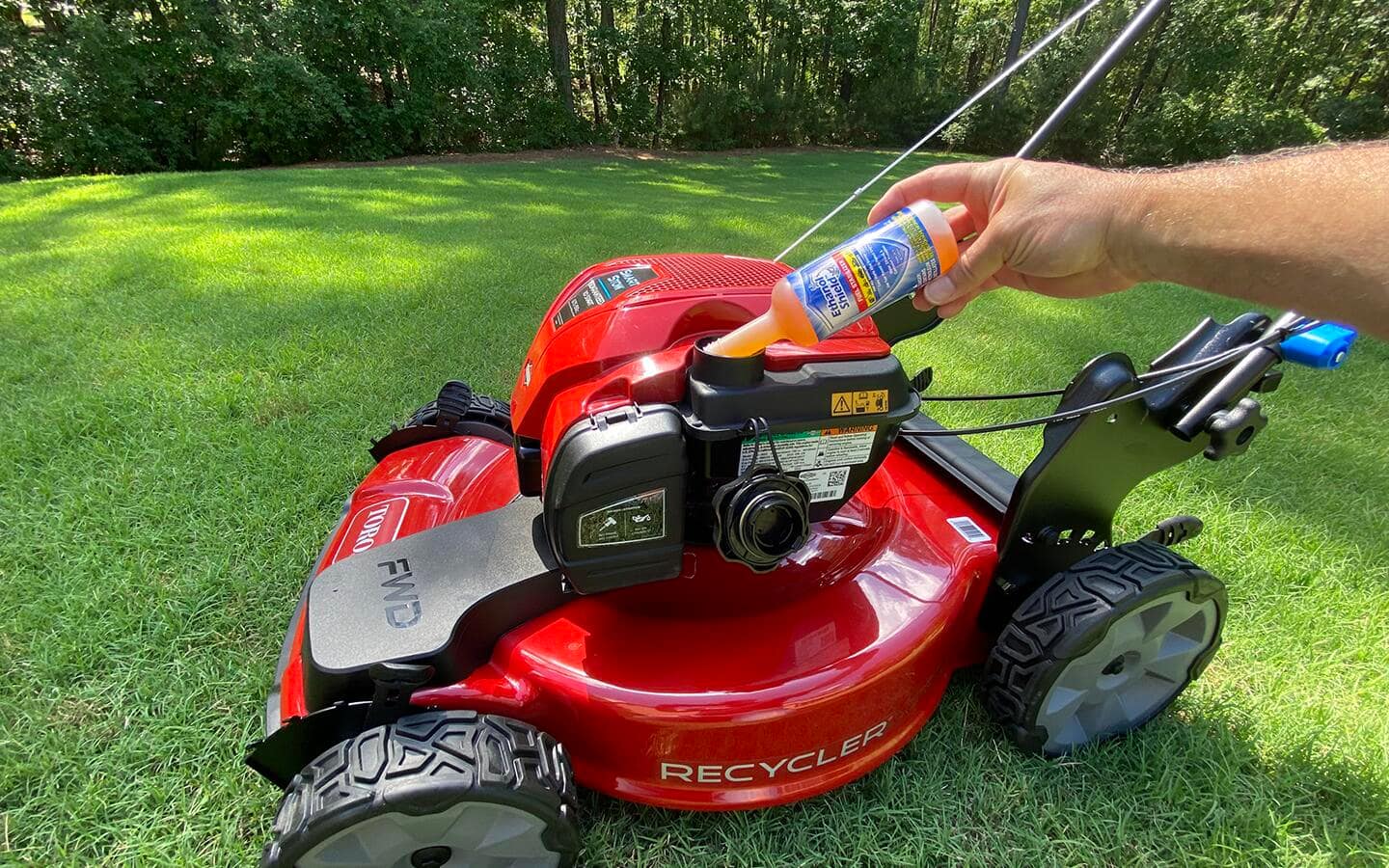
Fuel problems can cause your mower to run poorly or not at all. Stale fuel, clogged fuel lines, or dirty carburetors often block the fuel flow. Cleaning or replacing parts of the fuel system can bring your mower back to life.
Have you ever left fuel in the tank over winter? That old gasoline can gum up the system. Draining old fuel before storage is a simple step that saves headaches in spring.
Credit: www.homedepot.com
Finding The Right Repair Service
Finding the right repair service for your lawn mower ensures it works smoothly and lasts longer. Choosing a good service saves time and money. It also guarantees safety and quality repairs. Knowing what to consider helps you make a smart choice.
Certified Technicians
Certified technicians have special training for lawn mower repairs. They understand different mower brands and models. Certification shows they meet industry standards. Choosing certified experts reduces repair risks. They use the right tools and parts for your mower.
Local Vs. Chain Repair Shops
Local shops often provide personalized service and faster repairs. They build trust in the community. Chain repair shops have standardized processes and more resources. They may offer warranties on repairs. Consider convenience, price, and service quality when choosing.
Mobile Repair Options
Mobile repair services come to your home or yard. This option saves time and effort. Mobile technicians carry essential tools and parts. They fix common mower problems on-site. Mobile service suits busy homeowners or large properties.
Diy Maintenance Tips
Keeping your lawn mower in top shape doesn’t always require a professional. With some basic knowledge and routine care, you can handle much of the maintenance yourself. These DIY maintenance tips will help you save money and extend the life of your mower.
Regular Cleaning
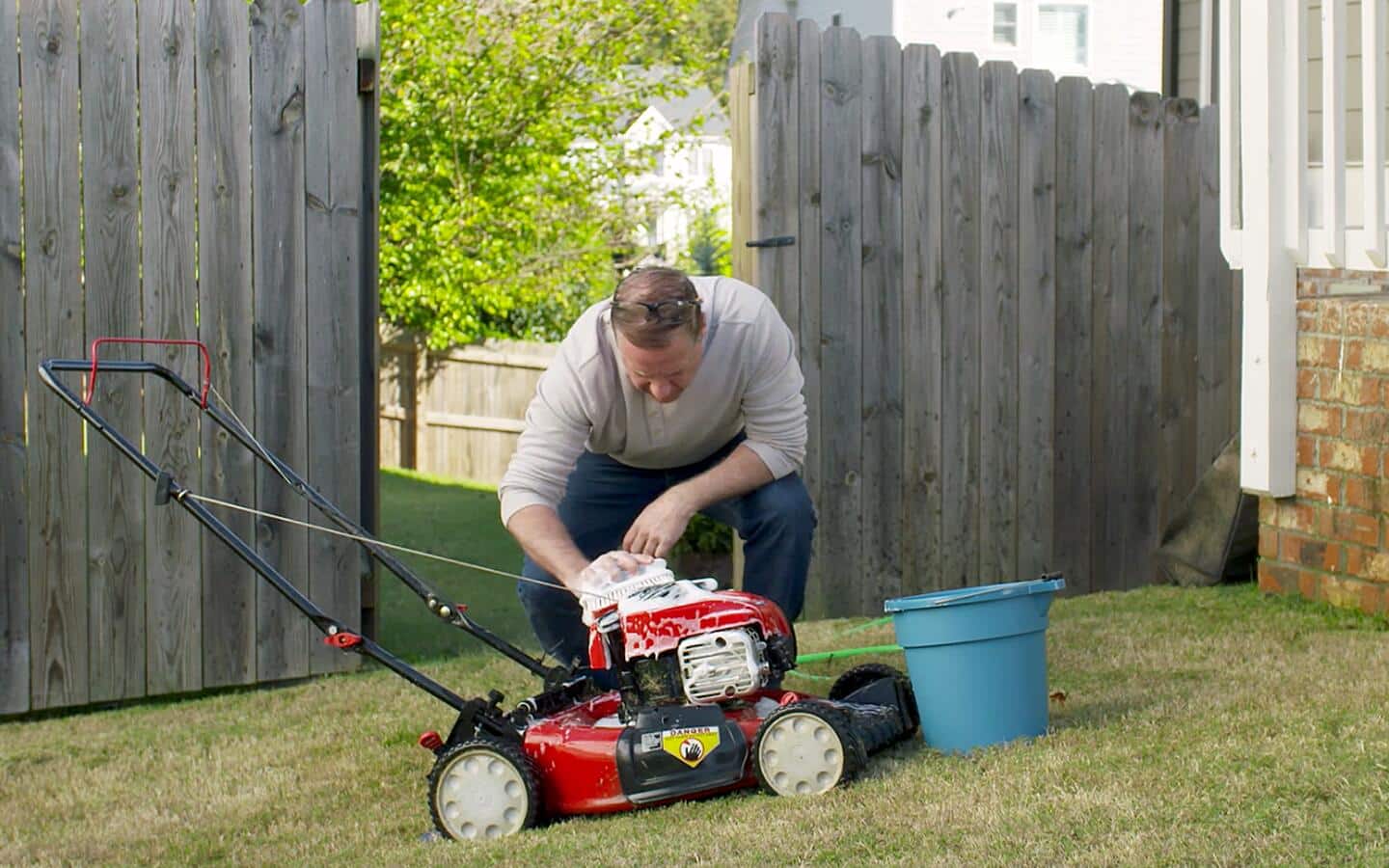
After each use, cleaning your lawn mower prevents grass clippings and dirt from building up. Use a brush or cloth to remove debris from the blades and under the deck. Avoid using water directly on the engine to prevent damage.
I once ignored cleaning my mower for a whole season. The buildup made the engine work harder, and the cutting performance dropped noticeably. Regular cleaning keeps your mower running smoothly and cuts evenly.
Blade Sharpening
Dull blades tear grass instead of cutting it cleanly, leading to a patchy lawn and stressing your mower. Sharpen the blades at least twice a season or more if you mow frequently. You can use a sharpening stone or a bench grinder, but always wear safety gear.
Do you notice your grass looks ragged or brown at the edges after mowing? That’s often a sign your blades need sharpening. A sharp blade improves cutting quality and reduces the power needed from your mower.
Oil And Filter Changes
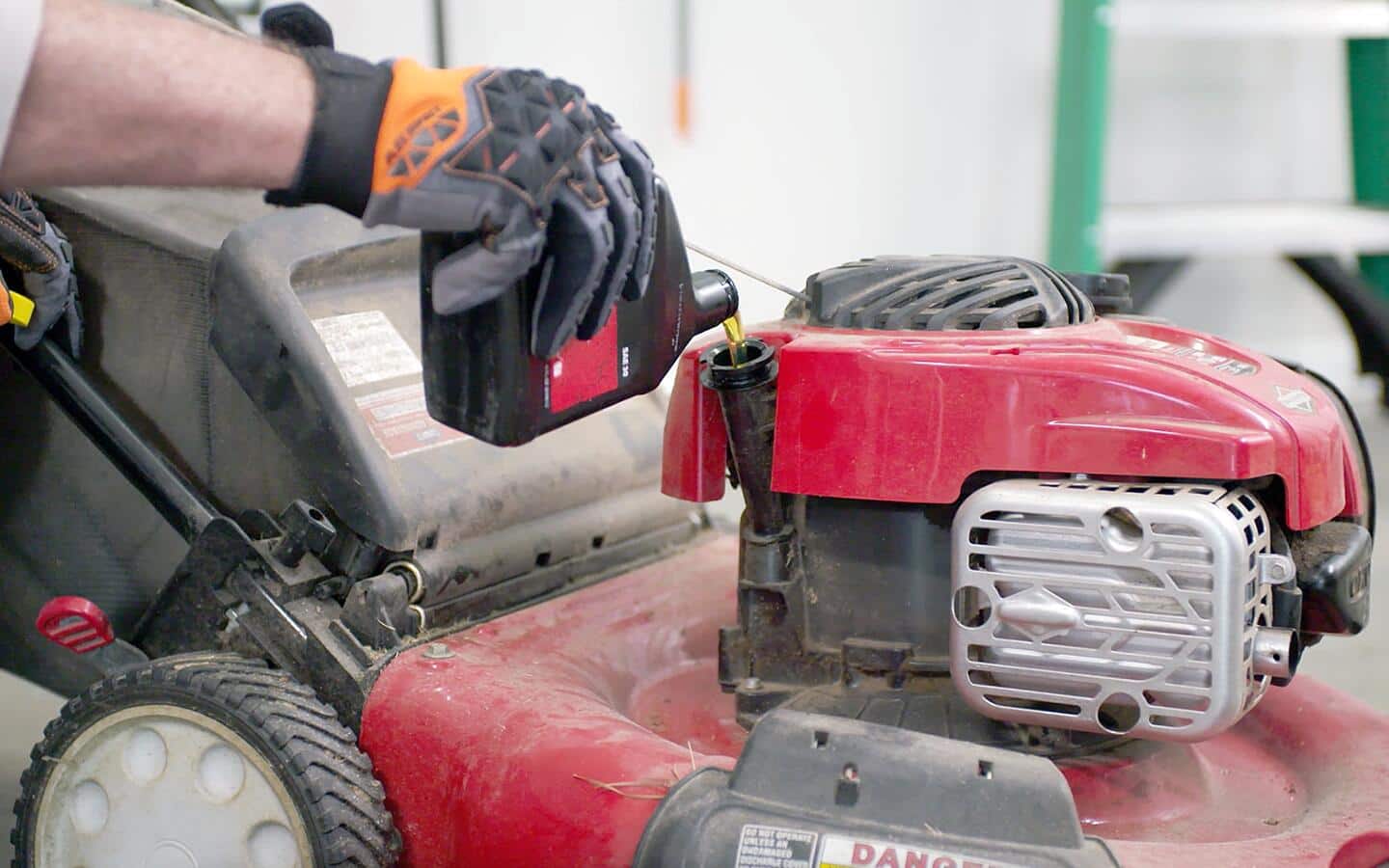
Changing the oil and air filter regularly is crucial for engine health. Check your mower’s manual for the recommended intervals, but a good rule of thumb is every 25-50 hours of use. Fresh oil lubricates parts and keeps the engine cool, while a clean filter prevents dirt from clogging the engine.
When I skipped oil changes, the engine ran hotter and eventually stalled. After sticking to a regular oil and filter schedule, the mower runs quieter and lasts longer. Don’t overlook this simple step—it protects your mower’s heart.
Credit: www.homedepot.com
When To Replace Parts
Knowing when to replace parts in your lawn mower helps keep it running smoothly. Timely replacement avoids bigger problems and costly repairs. It also ensures safety and better lawn care results.
Identifying Worn Components
Check blades for dullness or chips. Look at belts for cracks or fraying. Inspect the air filter for dirt build-up. Listen for unusual noises from the engine. Watch for uneven cutting or poor performance. These signs show parts need replacement.
Choosing Genuine Parts
Use parts made by the mower’s original maker. Genuine parts fit better and last longer. They keep the mower’s warranty valid. Avoid cheap knock-offs that may cause damage. Genuine parts improve safety and performance.
Cost Vs. Benefit Analysis
Compare the price of new parts with mower value. Consider how much longer the part will last. Think about repair costs if you delay replacement. Sometimes buying new parts saves money in the long run. Balance cost with mower efficiency and safety.
Speeding Up The Repair Process
Speeding up the repair process for your lawn mower saves time and stress. Quick repairs mean your mower returns to work faster. Efficient service depends on how well you prepare and communicate. Smart scheduling also plays a key role.
Preparing Your Mower
Before taking your mower for service, clean it thoroughly. Remove grass clippings, dirt, and debris. Check the oil and fuel levels. Note any unusual noises or problems. Gather the mower’s manual and purchase receipt. Having these ready helps the technician understand the issue quicker.
Clear Communication With Technicians
Explain the problem clearly and with detail. Mention when the issue started and how often it occurs. Use simple words to describe symptoms like stalling, smoke, or poor cutting. Ask questions about the repair steps and time needed. Good communication prevents misunderstandings and speeds up the process.
Scheduling Repairs Strategically
Choose a repair time when shops are less busy, such as weekdays or early mornings. Avoid peak seasons like spring or summer. Book appointments ahead to secure a slot. Drop off your mower promptly and pick it up on time. This helps the service center manage repairs efficiently.
Preventing Future Breakdowns
Preventing future breakdowns keeps your lawn mower running smoothly. Regular care saves time and money. It also extends the mower’s life. Simple steps help avoid costly repairs. Focus on three key areas for best results.
Seasonal Maintenance
Seasonal maintenance prepares your mower for different weather. Change the oil before and after mowing season. Clean or replace air filters to improve engine health. Sharpen blades for a clean, even cut. Check spark plugs and replace if worn. Seasonal care keeps parts working well longer.
Proper Storage Techniques
Proper storage protects your mower from damage. Drain fuel or add fuel stabilizer to avoid clogs. Store in a dry, covered place away from rain. Clean dirt and grass from the mower before storage. Remove the battery or keep it charged to prevent corrosion. Good storage stops rust and mechanical problems.
Regular Inspections
Regular inspections catch small problems early. Check belts for cracks or wear. Look for loose bolts and tighten them. Inspect tires for damage or low pressure. Test the safety features like the blade brake. Spotting issues early avoids breakdowns during mowing.
Frequently Asked Questions
Who Typically Services Lawn Mowers?
Lawn mowers are usually serviced by professional small engine mechanics or specialized lawn mower repair shops. They have the tools and expertise to handle engine tuning, blade sharpening, and maintenance.
How Often Should Lawn Mowers Be Serviced?
Lawn mowers should be serviced at least once per mowing season. Regular servicing ensures optimal performance and extends the mower’s lifespan by preventing major issues.
Can I Service My Lawn Mower Myself?
Yes, basic maintenance like cleaning, oil changes, and blade sharpening can be done at home. However, complex repairs should be handled by professionals.
What Services Are Included In Lawn Mower Maintenance?
Maintenance typically includes oil changes, air filter replacement, spark plug checks, blade sharpening, and cleaning. These steps keep the mower running efficiently and safely.
Conclusion
Servicing lawn mowers keeps them working well and lasts longer. Experts can fix blades, engines, and other parts quickly. Regular service helps avoid costly repairs later. Choose a trusted professional for safe and reliable work. A well-maintained mower makes yard work easier and faster.
Keep your lawn mower in good shape to enjoy a neat garden. Simple care can save time and money. Trust the right service to keep your mower ready for any season.





