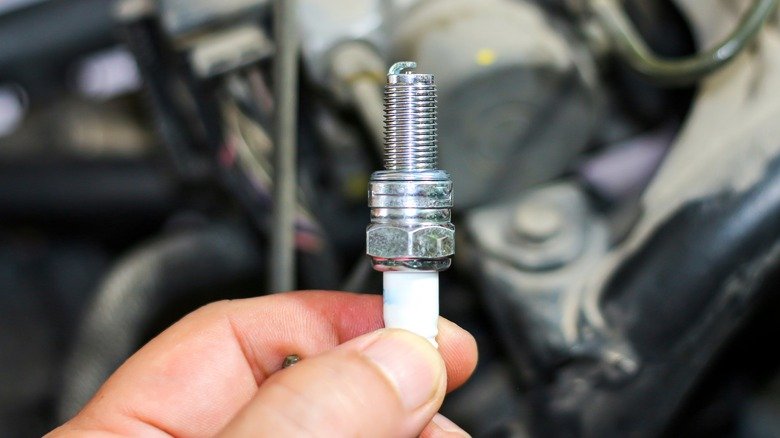
Have you ever wondered about the inner workings of diesel engines? Maybe you’ve asked yourself, “Does diesel have spark plugs?”
It’s a common question, especially if you’re diving into the realm of automotive knowledge. Understanding how diesel engines differ from their gasoline counterparts can seem like a maze of mechanical jargon. But don’t worry, you’re not alone in this curiosity.
By the end of this article, you’ll gain clarity on this topic and uncover some surprising facts that could change how you think about diesel engines. Stick around, and let’s unravel the mystery together!
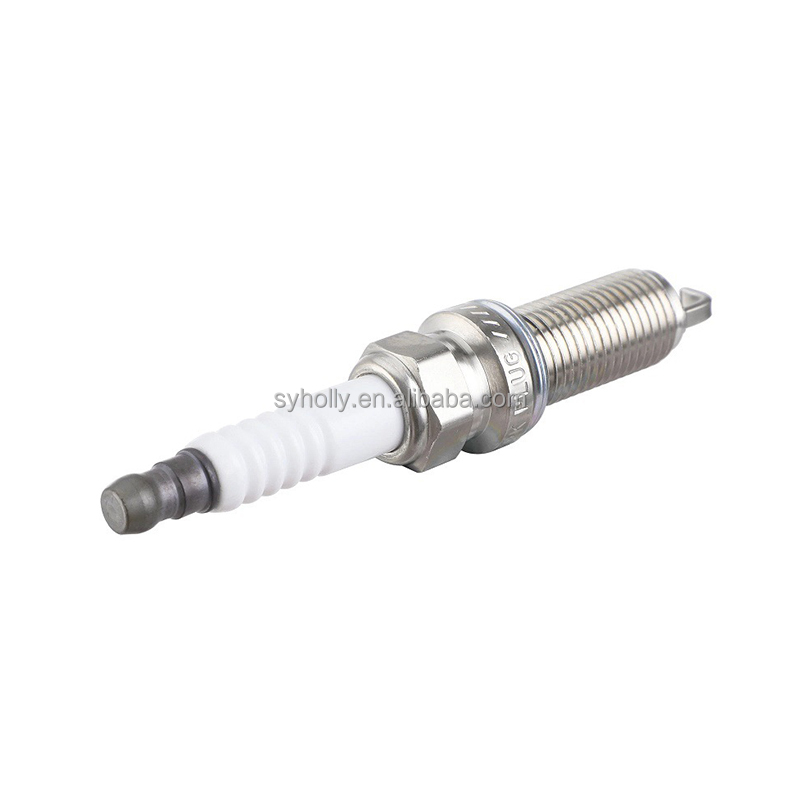
Credit: www.alibaba.com
Diesel Engine Basics
Understanding the basics of a diesel engine is key to answering common questions like “Does diesel have spark plugs?” Diesel engines run differently from gasoline engines, and this difference shapes how they ignite fuel and keep your vehicle moving. Let’s break down how diesel engines work and what makes their components unique.
How Diesel Engines Work
Diesel engines rely on compression to ignite fuel. Instead of using spark plugs, they compress air inside the cylinder until it becomes extremely hot.
When diesel fuel is injected into this hot, compressed air, it ignites on its own. This process is called compression ignition, which is why diesel engines don’t need spark plugs like gasoline engines do.
Have you ever noticed how diesel engines often sound louder or run differently? That’s partly because of the higher compression ratios and the way fuel ignites.
Key Components Of Diesel Engines
- Fuel Injectors:These spray diesel fuel directly into the combustion chamber at high pressure, ensuring precise fuel delivery for efficient combustion.
- Compression Chamber:This is where air is compressed to high temperatures before fuel injection.
- Pistons:They move up and down, compressing air and transferring energy to power the engine.
- Glow Plugs:Unlike spark plugs, glow plugs help start the engine in cold conditions by heating the air in the combustion chamber.
Noticing the role of glow plugs might make you wonder—if they don’t spark, how exactly do they assist? They warm up the air so the diesel fuel can ignite more easily when the engine is cold.
Knowing these parts helps you understand why diesel engines are built for power and durability. Would knowing this influence your choice between diesel and gasoline vehicles?
Spark Plugs Role In Engines
Spark plugs ignite the air-fuel mix in gasoline engines. Diesel engines do not use spark plugs; they rely on compression to start combustion. This difference is key to how each engine runs.
Function Of Spark Plugs
Spark plugs create the spark needed to ignite fuel in engines. They deliver an electric spark inside the combustion chamber. This spark lights the air-fuel mixture, starting the engine’s power cycle. Without spark plugs, the engine cannot run smoothly or efficiently. They also help control engine emissions by ensuring complete fuel burn.
Engines That Use Spark Plugs
Spark plugs are essential for gasoline engines. These engines rely on spark plugs to ignite the air-fuel mixture. Most cars, motorcycles, and small engines use spark plugs. Diesel engines do not use spark plugs. Instead, they use compression to ignite the fuel. This difference is key to how each engine type works.
Why Diesel Engines Don’t Use Spark Plugs
Diesel engines operate differently than gasoline engines. One key difference is the absence of spark plugs in diesel engines. Spark plugs ignite the fuel-air mix in gasoline engines. Diesel engines use a different method to start combustion. Understanding why diesel engines don’t use spark plugs helps clarify their design and function.
Compression Ignition Explained
Diesel engines rely on compression ignition. Air is compressed inside the cylinder to a very high pressure. This compression heats the air to a temperature that can ignite diesel fuel. Diesel fuel is then injected into the hot compressed air. The fuel ignites instantly due to the heat. No spark plug is needed for this process.
Differences From Gasoline Engines
- Gasoline engines mix fuel and air before compression.
- They use spark plugs to ignite this fuel-air mix.
- Diesel engines compress only air, not fuel.
- Fuel is injected after compression, igniting from heat.
- Diesel’s ignition process is more efficient for heavy-duty work.
Components Replacing Spark Plugs In Diesel Engines
Diesel engines don’t use spark plugs like gasoline engines do. Instead, they rely on different components to ignite the fuel-air mixture inside the cylinder. These parts are specially designed to handle the high compression and temperature conditions unique to diesel engines.
Glow Plugs Purpose And Use
Glow plugs are the key components that replace spark plugs in diesel engines. Their main job is to preheat the combustion chamber before the engine starts, especially in cold weather. This heating helps the diesel fuel ignite more easily since diesel engines depend on compression heat rather than a spark.
Without glow plugs, starting a diesel engine in cold conditions can be frustrating or even impossible. You might notice your engine cranks but fails to start or takes a long time to catch. Glow plugs solve this by providing the necessary initial heat to get your engine running smoothly.
How Glow Plugs Aid Starting
When you turn the ignition key, the glow plugs activate and heat up within seconds. This rapid heating raises the temperature inside the cylinder to a point where diesel fuel can ignite from compression alone. It’s a simple yet effective way to get your engine going without relying on sparks.
Have you ever wondered why some diesel vehicles struggle more in winter? It’s often due to glow plugs not functioning properly. Keeping them in good condition can save you from cold starts and engine wear. Checking and replacing worn glow plugs is a practical step you can take to ensure reliable starts every time.
Common Misconceptions About Diesel Ignition
Many people assume diesel engines work just like gasoline engines because both power vehicles. But diesel ignition operates on a different principle, leading to common misunderstandings. Clearing up these misconceptions helps you better maintain your diesel vehicle and troubleshoot issues effectively.
Confusing Glow Plugs With Spark Plugs
One of the biggest mix-ups is thinking diesel engines have spark plugs like gasoline engines. They don’t. Instead, diesel engines use glow plugs, which serve a different purpose.
Glow plugs heat the air in the combustion chamber during cold starts, helping the diesel fuel ignite under high pressure. Unlike spark plugs that create a spark to ignite fuel, glow plugs simply raise the temperature to aid ignition. This difference explains why diesel engines don’t have spark plugs at all.
Myths Around Diesel Engine Starting
Many believe diesel engines are harder to start because they lack spark plugs. The real reason is often related to the glow plugs’ condition or fuel quality. If glow plugs fail or the fuel is poor, starting your diesel engine becomes tough.
Have you noticed your diesel car struggles on cold mornings? It’s likely the glow plugs need checking rather than an issue with missing spark plugs. Understanding this can save you from unnecessary repairs and help you focus on the actual starting system.

Credit: www.chase.com
Maintenance Tips For Diesel Ignition Systems
Maintaining diesel ignition systems ensures your engine runs smoothly and lasts longer. Diesel engines rely on glow plugs for starting, especially in cold weather. Regular checks and timely replacements keep the ignition system healthy and prevent starting troubles.
Checking And Replacing Glow Plugs
Glow plugs heat the combustion chamber to ignite diesel fuel. Inspect them regularly for wear or damage. Use a multimeter to test their electrical resistance. A faulty glow plug shows high resistance or no continuity.
Replace glow plugs that do not heat properly. Doing so improves cold starts and engine performance. Always use the correct glow plugs for your engine model. Handle glow plugs carefully to avoid bending or breaking.
Signs Of Ignition Problems
Watch for slow engine cranking during cold starts. Excessive white smoke from the exhaust can indicate glow plug failure. Rough idling and engine misfires may also suggest ignition issues.
Difficulty starting or longer start times signal ignition system problems. Check glow plugs and wiring for damage. Early detection helps avoid costly repairs and keeps your diesel engine reliable.

Credit: blueskynewenergy.com
Frequently Asked Questions
Does Diesel Engine Use Spark Plugs?
No, diesel engines do not use spark plugs. They rely on compression to ignite the fuel-air mixture. High compression heats the air, causing diesel fuel to ignite spontaneously without sparks.
Why Don’t Diesel Engines Need Spark Plugs?
Diesel engines use compression ignition, not spark ignition. The fuel ignites due to high air temperature from compression. This eliminates the need for spark plugs in diesel engines.
How Do Diesel Engines Ignite Fuel Without Spark Plugs?
Diesel engines compress air to very high pressures, raising its temperature. When diesel fuel is injected, it ignites instantly due to this heat, eliminating the need for spark plugs.
What Replaces Spark Plugs In Diesel Engines?
Glow plugs replace spark plugs in diesel engines. They preheat the combustion chamber to ensure easier starting, especially in cold weather, but do not ignite fuel during normal operation.
Conclusion
Diesel engines do not use spark plugs to ignite fuel. They rely on high compression to start combustion. This makes them different from gasoline engines. Diesel engines use glow plugs to help start in cold weather. Understanding this helps you know how diesel engines work.
It also explains why maintenance differs between engine types. Knowing these basics can help you care for your vehicle better. Diesel engines are built for strength and efficiency. They serve well in trucks, buses, and heavy machinery. Simple facts like these clear up common confusion.





