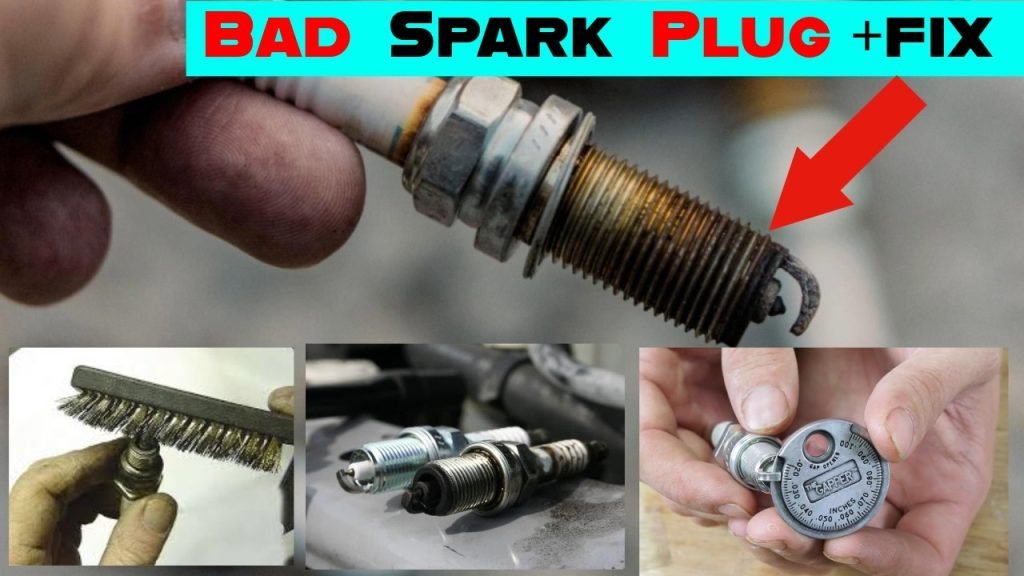
Have you ever wondered why your car’s engine is misfiring or why it feels less responsive than usual? The culprit might be hiding right under the hood—your spark plugs.
Understanding what a bad spark plug looks like can save you time, money, and a lot of frustration. Imagine driving smoothly without the fear of sudden engine troubles. By the end of this article, you’ll be able to spot the signs of a faulty spark plug with ease, keeping your vehicle running like a dream.
Curious to know more? Let’s dive into the telltale signs that indicate it’s time for a spark plug check-up.

Credit: www.reddit.com
Visual Signs Of A Bad Spark Plug
Identifying a bad spark plug visually can save you time and money on repairs. You don’t always need fancy tools to spot issues—sometimes, a close look at the spark plug tells the whole story. Let’s go over some clear signs to watch for when inspecting your spark plugs.
Cracked Or Damaged Insulator
The insulator is the white ceramic part of the spark plug. If you see cracks or chips on it, that’s a red flag. Damage here can cause misfires because the spark might escape before reaching the combustion chamber.
Have you ever noticed your engine running rough after a bump? A cracked insulator could be the culprit.
Worn Or Rounded Electrodes
The electrodes are the metal parts where the spark jumps. Over time, these edges wear down and lose their sharpness. Rounded or eroded electrodes increase the spark gap and reduce ignition efficiency.
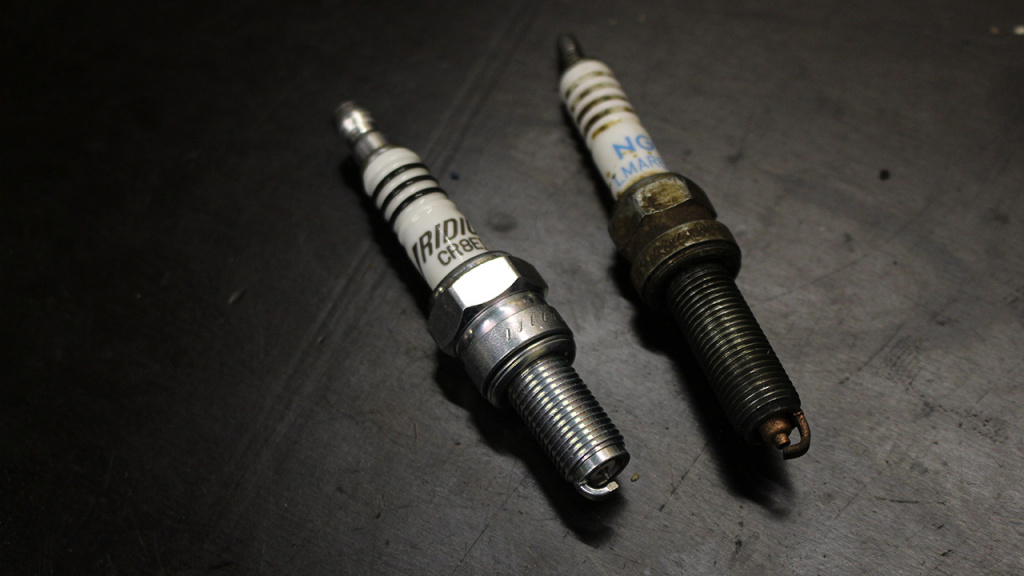
Try comparing your spark plug to a new one. If the electrode looks noticeably thinner or rounded off, it’s time for a replacement.
Excessive Carbon Deposits
Black, dry soot on the spark plug is a sign of carbon fouling. It usually means your engine is running too rich or the air-fuel mixture is off. This buildup can prevent a strong spark and cause poor fuel economy.
Have you checked the plug after a lot of short trips or idling? Carbon deposits often build up under those conditions.
Oil Fouling Indicators
If the spark plug tip looks wet or oily, that suggests oil is leaking into the combustion chamber. This often happens because of worn piston rings or valve seals. Oil fouling leads to misfires and rough idling.
When was the last time you had your engine seals checked? Oil on plugs could mean it’s overdue.
Rust And Corrosion Effects
Rust or corrosion on the metal parts of the spark plug can disrupt the electrical flow. It’s often caused by moisture getting into the engine or poor maintenance. Corroded plugs can cause weak sparks and engine performance issues.
Have you noticed any moisture or leaks near the spark plug area? That might be why rust is forming.
Symptoms Of Faulty Spark Plugs
Faulty spark plugs cause various problems in your car’s engine. They affect performance and fuel use. Recognizing the symptoms early helps avoid costly repairs. Below are common signs that spark plugs need attention.
Engine Misfires
Engine misfires feel like sudden jerks or pauses while driving. The car may shake or lose power briefly. Misfires happen when spark plugs fail to ignite fuel properly. This interrupts smooth engine running and reduces efficiency.
Poor Fuel Economy
Worn spark plugs cause incomplete fuel burning. The engine uses more fuel to maintain power. You may notice your gas tank empties faster than usual. This leads to higher fuel costs and more pollution.
Difficulty Starting The Engine
Hard starts happen when spark plugs cannot create a strong spark. The engine may crank longer before starting or fail to start at all. Cold mornings make this problem worse due to weak ignition.
Rough Idle And Stalling
The engine may run unevenly while idling. You might hear shaking or feel vibrations inside the car. Sometimes the engine stalls or stops unexpectedly at traffic lights. Faulty spark plugs cause this unstable engine behavior.
Loss Of Power And Acceleration
The car struggles to speed up or climb hills. Acceleration feels sluggish and less responsive. Bad spark plugs reduce engine power by failing to ignite fuel fully. This makes driving frustrating and unsafe.
Causes Behind Spark Plug Damage
Spark plugs are small but vital components in your engine’s performance. Understanding what causes their damage can save you from unexpected breakdowns. Let’s look at the common reasons behind spark plug problems and how to spot them early.
Normal Wear And Tear
Every spark plug has a lifespan, usually between 20,000 to 100,000 miles depending on the type. Over time, the electrode wears down and the gap widens, reducing efficiency. If you’ve noticed your car misfiring or struggling to start, worn-out spark plugs might be the cause.
Incorrect Heat Range
Choosing the right heat range for your spark plug is crucial. A plug that runs too hot can cause premature wear or even engine knocking. Conversely, a plug that’s too cold may foul quickly, leading to poor combustion. Have you checked if your plugs match your vehicle’s specifications?
Fuel And Oil Contamination
Fuel or oil leaking into the combustion chamber can coat the spark plug with deposits. This contamination prevents the spark from jumping properly, causing misfires and rough idling. If your spark plugs look black and sooty or oily, it’s a sign of a bigger engine issue.
Overheating Issues
Overheating can cause the spark plug’s insulator to crack or the electrodes to melt. This damage often results from engine cooling problems or using the wrong spark plug type. Have you experienced your engine running hotter than usual? It’s worth inspecting your spark plugs for heat damage.
Improper Installation
Incorrectly installed spark plugs can cause a range of problems, from poor engine performance to physical damage. Over-tightening can crack the ceramic insulator, while loose plugs may lead to poor contact and misfires. When was the last time you had your spark plugs installed by a professional?
How To Inspect Spark Plugs
Inspecting your spark plugs can reveal a lot about your engine’s health. Knowing how to check them properly helps you catch problems early and avoid costly repairs. Let’s look at how to do a thorough spark plug inspection yourself.
Tools You Need
Gathering the right tools makes inspection easier and safer. You will need:
- A spark plug socket wrench – designed to fit snugly around spark plugs
- A ratchet or breaker bar for leverage
- A gap gauge to measure the electrode gap accurately
- A wire brush or spark plug cleaner for removing deposits
- Protective gloves to keep your hands clean and safe
Having these ready saves time and prevents damage during removal.
Removing Spark Plugs Safely
Before you start, ensure your engine is cool to avoid burns or damage to threads. Use the socket wrench carefully to avoid stripping the spark plug or damaging the cylinder head. Turn counterclockwise slowly and steadily; if it feels stuck, applying a small amount of penetrating oil and waiting can help loosen it.
Keep track of which spark plug goes where – mixing them up can cause confusion later. Do you have a system to remember their positions?
Checking Electrode Gap
The gap between the center and ground electrode affects spark quality. Use your gap gauge by sliding it between the electrodes to check if the gap matches your vehicle’s specifications. Too wide or too narrow a gap can cause misfires or poor engine performance.
If the gap is off, you can gently bend the ground electrode to adjust it. Just be careful not to break or weaken it in the process.
Identifying Common Damage Patterns
Look closely at the spark plug’s tip and insulator. Common signs of damage include:
- Carbon fouling:Black, dry soot indicating a rich fuel mixture or weak ignition
- Oil fouling:Wet, oily deposits pointing to oil leaks in the combustion chamber
- Overheating:White, blistered insulator or melted electrodes showing excessive engine temperature
- Physical damage:Cracks or broken electrodes due to improper installation or engine issues
Recognizing these patterns helps pinpoint engine problems early.
When To Replace Vs. Clean
Deciding whether to clean or replace a spark plug depends on its condition. Light carbon buildup can often be cleaned with a wire brush and gap reset. However, plugs with damaged electrodes, cracked insulators, or heavy deposits usually need replacement.
Have you noticed your engine misfiring or struggling to start? That’s often a sign you shouldn’t delay replacing worn spark plugs.
Preventing Spark Plug Problems
Preventing spark plug problems keeps your engine running smoothly. Simple actions help avoid costly repairs and improve fuel efficiency. Check spark plugs regularly and follow these tips to maintain their condition.
Choosing The Right Spark Plug
Select spark plugs that match your engine’s specifications. Use the correct size, heat range, and type recommended by the manufacturer. The right plug ensures proper ignition and prevents fouling or damage.
Regular Maintenance Tips
Inspect spark plugs during routine vehicle checks. Clean or replace dirty or worn plugs promptly. Tighten plugs to the correct torque to avoid damage. Keep ignition wires and coils in good condition too.
Using Quality Fuel
Use clean, high-quality fuel to reduce deposits on spark plugs. Low-grade fuel can cause carbon buildup and misfires. Fuel additives may help keep the system clean but use them sparingly.
Monitoring Engine Performance
Watch for signs like rough idling, slow acceleration, or poor fuel economy. These could indicate spark plug issues. Address engine problems early to prevent spark plug damage and maintain performance.
Scheduling Timely Replacements
Replace spark plugs according to your vehicle’s maintenance schedule. Old plugs lose efficiency and cause starting problems. Timely replacement ensures consistent engine power and smoother operation.

Credit: www.toyotanation.com
Credit: finntrail.com
Frequently Asked Questions
What Does A Bad Spark Plug Look Like?
A bad spark plug often has black soot, oil deposits, or worn electrodes. It may appear cracked or corroded. These signs indicate poor combustion or engine issues. Identifying these visuals helps maintain engine performance and fuel efficiency.
How Can I Tell If My Spark Plug Is Faulty?
Faulty spark plugs cause rough idling, misfires, or difficulty starting. Visually, check for discoloration, carbon buildup, or electrode wear. These symptoms suggest the spark plug needs cleaning or replacement to ensure smooth engine operation.
Why Is My Spark Plug Covered In Black Soot?
Black soot on spark plugs usually indicates a rich fuel mixture or oil leakage. This buildup hampers spark production, causing misfires. Regular checks and tuning can prevent soot accumulation and maintain engine health.
Can A Bad Spark Plug Damage My Engine?
Yes, a bad spark plug can cause misfires, reducing engine efficiency. Prolonged use may lead to catalytic converter damage and increased emissions. Timely replacement protects engine components and improves fuel economy.
Conclusion
Bad spark plugs show clear signs. They look worn, dirty, or cracked. These signs affect your car’s performance. Replace them to keep your engine running smooth. Regular checks help avoid bigger problems later. Spark plugs are small but important parts.
Taking care of them saves time and money. Remember, a healthy spark plug means a healthy car. Don’t ignore the warning signs. Simple maintenance keeps your vehicle reliable and safe.





