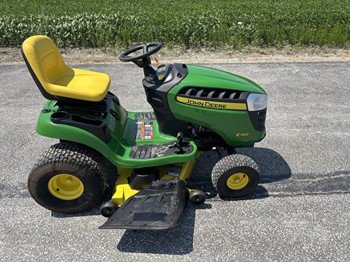
If you’ve been eyeing a riding mower to cut your mowing time in half, you’ve probably asked yourself the same question: when should I actually buy? Paying full retail price for a machine that can cost anywhere from $1,500 to over $5,000 is a painful mistake—one that’s completely avoidable with a little timing know-how.
The good news? Riding mowers follow a predictable pricing cycle. Dealers want to clear inventory before new models arrive, and that urgency translates into serious savings for you. Whether you’re looking for a budget-friendly entry model or a premium zero-turn, this guide breaks down the exact months, holidays, and shopping strategies that will put the biggest discount in your pocket.
The Best Seasons to Buy a Riding Lawn Mower
Retail pricing on outdoor power equipment is driven by one thing: the seasonal demand curve. When you buy during a low-demand period, you save. When you buy at peak demand, you pay a premium. Here’s how the calendar works in your favor.
Spring: Convenience, Not Savings
Spring is when everyone wants a mower. Retailers know this, so prices are typically at their highest. That said, you’ll still find 10–15% discounts during Spring Black Friday events (usually in April), particularly on last year’s leftover models. If you absolutely need a new mower before the grass gets tall, shop early in the season before inventory gets thin.
Summer: Steady Prices, Occasional Perks
Through June and July, prices hold steady. The big exception is the Fourth of July—a traditional sales weekend for outdoor equipment. You’ll also find dealers offering free accessories (like a bagger kit or mulching blades) as incentives, even when the price isn’t dramatically reduced.
Fall: The Sweet Spot
August through October is the single best time to buy a riding mower. New models get announced in late summer, and dealers are desperate to move existing inventory off the lot. You’ll see clearances of 20–30% off on current models, and if you’re flexible on features or color, discounts can go even deeper. This is the window that savvy shoppers target.
Winter: Deepest Discounts, Lowest Inventory
From November through February, demand drops to near zero—and so do prices. Off-season clearance events can yield 30–50% off a showroom model. The catch? Selection is limited. If you have your heart set on a specific brand or configuration, you might not find it. But if you’re flexible, winter is where the absolute best dollar-for-dollar deals live.
Seasonal Cheat Sheet
Season Discount Level Inventory Best For Spring 10–15% High Newest models Summer 10–20% Medium Holiday promos Fall 20–30% High Best value Winter 30–50% Low Maximum savings
Holiday Sales That Actually Matter
Holiday weekends are when retailers advertise their biggest promotions. But not all holidays are created equal when it comes to mower pricing.
Memorial Day (Late May)
This is the official kickoff of summer. Dealers often run no-interest financing or bundle packages with free delivery. It’s a solid option if you couldn’t wait until fall, though the upfront price might not be as low as a clearance event.
Fourth of July
A competitive holiday for outdoor power equipment. Expect aggressive pricing on mid-range models, plus gift cards or free accessories as sweeteners.
Labor Day (Early September)
This is the best holiday to buy. It aligns perfectly with the fall clearance window. Dealers are clearing the lot for next year’s models, so you get holiday pricing stacked on top of end-of-season discounts.
Black Friday and Cyber Monday
Online retailers shine here. You’ll find steep discounts on previous-year models, often with free shipping. The catch is that inventory is limited to what’s in the warehouse—so check early and be ready to pull the trigger.
Where to Find the Best Deals
The retailer you choose affects both price and after-sale support. Here’s how to evaluate your options.
Big Box Retailers (Home Depot, Lowe’s, Tractor Supply)
These stores offer the most competitive advertised prices and the biggest holiday promotions. They’re the best place to find a no-frills riding mower at a rock-bottom price. Just be aware that their service departments are often contracted out, so warranty work can involve more administrative hassle.
Local Dealerships
A local dealer can’t always match the big-box price, but they offer a different kind of value: better assembly, hands-on service, and a service department that actually knows your machine. Many dealers will also negotiate—especially if you’re buying off-season or bundling attachments. If you’re comparing a John Deere or Husqvarna model, the brand showdown can help you decide which one’s worth the dealership premium.
Online Marketplaces
Facebook Marketplace, Craigslist, and eBay can land you a used mower at a fraction of retail. The risk management advice is simple: ask for a demonstration, check the deck for rust and weld integrity, and verify the hour meter if there is one. A used mower with 200 hours and clean maintenance records is a smarter buy than a new one from a questionable seller.
Manufacturer Direct
Some brands sell directly to consumers, especially smaller specialty manufacturers. These sites occasionally run online-only discounts that skip the dealer markup entirely. It’s worth checking even if you plan to buy locally—you can use the manufacturer’s price as a negotiation baseline with your local dealer.
How to Maximize Your Savings on a Riding Mower
Timing is half the battle. The other half is knowing how to negotiate and stack discounts.
Negotiate Like a Pro
- Ask about last year’s model. If you don’t care about the newest seat design, the previous generation is functionally identical and significantly cheaper.
- Mention competitor pricing. Retailers often price-match or beat a local competitor’s quote.
- Buy at month-end or quarter-end. Salespeople have quotas. A dealer trying to hit a monthly target is far more willing to shave $100–200 off the sticker price.
Stack Every Discount You Can
- Sign up for store newsletters to get 10% off coupons.
- Use a rewards credit card for cash back.
- Ask about financing incentives—many dealers offer 0% APR for 36–48 months during promotional periods.
- Check if your employer, military service, or membership (AAA, AARP, farm bureau) qualifies for a corporate discount.
Don’t Forget the Attachments
If you need a bagger, mulching kit, or sun shade, buy them bundled with the mower. Dealers make their margin on accessories, so they’re often willing to throw them in at cost to close the deal. Buying separately later means paying full retail.
Consider the Total Cost of Ownership
A $200 discount on a mower that requires constant repairs is no deal at all. Check the warranty terms, the availability of replacement parts, and the dealer’s reputation for service. An extended warranty is worth considering on higher-end models, but only if it’s transferable and covers labor—not just parts.
Choosing the Right Mower for Your Property
A sale price is only meaningful if the mower actually fits your needs. Here’s what to evaluate before handing over your credit card.
Match the Mower to Your Acreage
- Under 1 acre: A 30–42 inch deck is plenty. You don’t need a commercial-grade engine.
- 1–3 acres: Look for a 42–50 inch deck and a 20+ horsepower engine.
- 3+ acres: Consider a wide-area mower or zero-turn. Bigger decks save you real time on large properties. If you’re in this category, check out guidance on wide-open yard machines before you commit.
Know Your Terrain
- Flat, open ground: A traditional lawn tractor is perfectly adequate.
- Hills and slopes: Look for features like diff-lock, traction control, or a lower center of gravity. For flat properties, a zero-turn model delivers the fastest mowing times.
- Tight spaces and obstacles: A zero-turn’s steering is more maneuverable, but riding mowers with a narrow turning radius also handle tricky yards well.
Check the Maintenance Burden
A mower is a machine—it will need care. Before you buy, consider how easy it is to keep the correct fluid level, clean the deck, and replace the blades. If you’re new to mower ownership, factor in the cost of routine upkeep and the availability of service centers in your area.
Frequently Asked Questions
Is it better to buy a riding mower in spring or fall?
Fall, hands down. From August to October, dealers clear inventory for next year’s models, and you’ll find the best combination of price and selection. Spring is convenient but rarely discounted heavily.
How much can I expect to save on a clearance mower?
Clearance discounts typically range from 20% to 50% off the original retail price, depending on the season and how eager the dealer is to move inventory. Winter deals tend to be the steepest.
Are previous-year models worth buying?
Absolutely. Changes between model years are usually cosmetic—a different seat color, a slightly different dashboard. The mechanical components are often identical. Buying a previous-year model is one of the easiest ways to save 15–25% without sacrificing quality.
Should I buy from a big box store or a local dealer?
It depends on your priorities. Big box stores offer the lowest advertised prices. Local dealers offer better assembly, service, and post-sale support. If you plan to do your own maintenance, a big box store is fine. If you want someone else to handle repairs, pay the small premium for a dealer.
What financing options are available for riding mowers?
Many dealers offer 0% APR financing for 36–48 months during promotional periods. Always read the fine print—some deals have a higher "deferred interest" rate if you miss a payment. Credit cards with 0% introductory APR can also work if you pay off the balance before the promo ends.
Final Thoughts
Buying a riding mower is a significant investment, but you don’t have to pay retail. The best strategy is simple: target the August–October clearance window or the winter off-season, shop dealerships that are willing to negotiate, and always ask about last year’s models.
If you’re willing to be flexible on timing and features, you can easily save 30% or more off the sticker price. Set a budget, do your research, and wait for the right moment. The grass will still be there when you’re ready to cut it—and you’ll feel a lot better about your purchase when you’ve saved a few hundred dollars in the process.





