Have you ever been ready to tackle your lawn only to find that your riding lawn mower won’t start? It’s frustrating, especially when you realize the battery might be the culprit.
Knowing the right type of battery for your riding lawn mower can save you from headaches and keep your machine running smoothly. We’ll dive into the different types of batteries that power these machines. Whether you’re a seasoned gardener or new to maintaining a lawn, understanding this aspect can make all the difference in your mowing experience.
Stick around to discover how choosing the right battery can enhance your mower’s performance and longevity.

Credit: www.amazon.com
Common Battery Types
Choosing the right battery for your riding lawn mower can make a big difference in performance and reliability. Several battery types are commonly used, each with unique features that affect how your mower starts and runs. Understanding these options helps you make an informed choice that matches your mower’s needs and your maintenance preferences.
Lead-acid Batteries
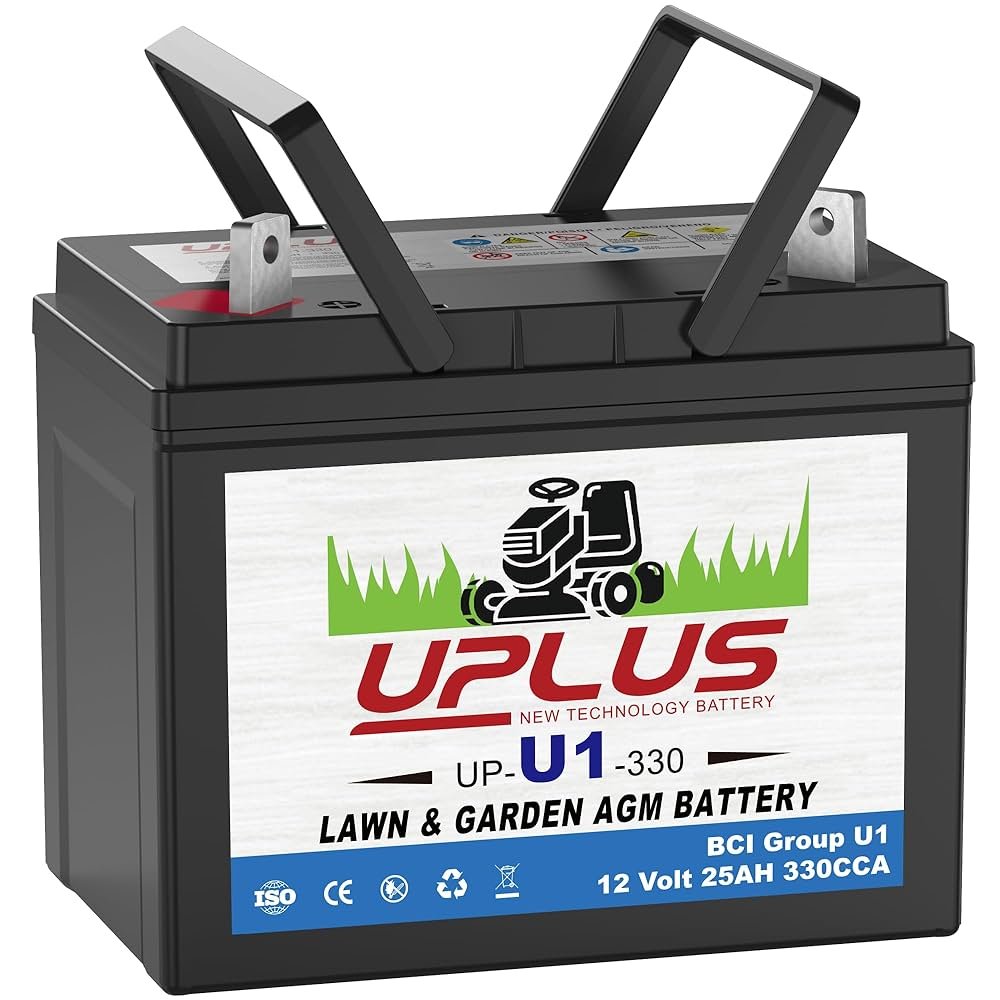
Lead-acid batteries are the most traditional choice for riding lawn mowers. They are affordable and provide a strong burst of power to start the engine quickly.
These batteries require occasional maintenance, like checking the water levels, to keep them in good condition. If you’ve ever had to jump-start a mower, chances are it had a lead-acid battery that just needed a little extra charge.
Lithium-ion Batteries
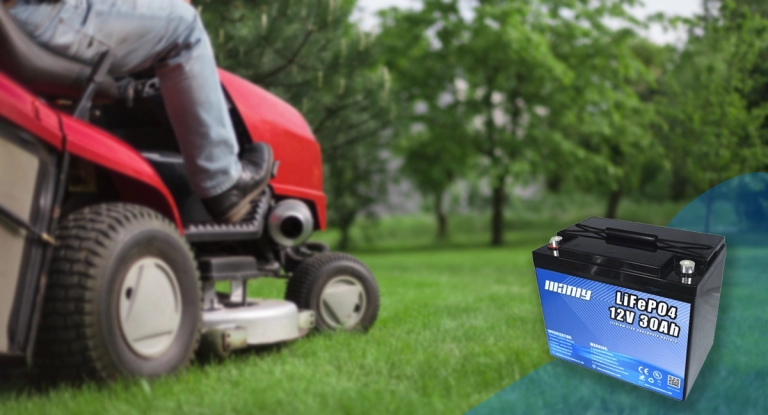
Lithium-ion batteries are becoming more popular as battery technology improves. They are lighter and hold a charge longer than lead-acid batteries.
One advantage you’ll notice is their fast charging time and longer lifespan, which means fewer replacements over the years. If you want a low-maintenance option that saves time, this battery type is worth considering.
Nickel-cadmium Batteries
Nickel-cadmium (NiCd) batteries are less common but still used in some riding mowers. They are durable and perform well in cold weather conditions.
However, NiCd batteries can suffer from memory effect, which reduces their effective capacity if not fully discharged before recharging. If you store your mower for long periods, think about whether this might affect your battery’s performance.
Battery Size And Voltage
Understanding the battery size and voltage of your riding lawn mower is key to keeping it running smoothly. These two factors affect how well the mower starts and how long it can operate before needing a recharge. Knowing what fits and what powers your mower can save you time and money.
Standard Sizes
Most riding lawn mowers use batteries that fall within a few common size groups. These sizes are designed to fit snugly into the battery compartment without any loose connections. Typical sizes include Group 24, Group 26, and Group 31 batteries.
Group 24 and 26 batteries are popular choices because they balance power and size, fitting many mid-range mowers. Group 31 batteries are larger and usually found in heavy-duty or commercial-grade mowers. If you’ve ever swapped a battery, you know how frustrating it is to find one that doesn’t quite fit—checking the size first avoids that hassle.
Voltage Requirements
Most riding lawn mower batteries operate at 12 volts. This voltage level provides the right amount of power to start the engine and run electrical components like headlights. Using a battery with a different voltage can cause damage or prevent your mower from starting.
Some older or specialty models might use 6-volt batteries, but these are rare. It’s always a good idea to check your mower’s manual or the original battery to confirm the voltage before making a purchase. Have you ever tried installing a battery only to realize it didn’t match the voltage? Avoid that frustration by double-checking this detail first.
Battery Performance Factors
Understanding the factors that affect battery performance can help you choose the right battery for your riding lawn mower and keep it running smoothly. Batteries aren’t just about size or brand; their actual power output and endurance play crucial roles in mower operation. Let’s look at two key performance factors that often get overlooked but can make a big difference in how well your mower starts and runs.
Cold Cranking Amps
Cold Cranking Amps (CCA) measure a battery’s ability to start an engine in cold temperatures. If you live somewhere with chilly winters, this number matters a lot. A higher CCA means the battery can deliver more power quickly to start your mower, even when it’s freezing outside.
Think about those early spring mornings when the grass is wet and the air is cold. Your mower might struggle to start if the battery’s CCA is too low. That’s why it’s a good idea to check the CCA rating before buying. You want a battery that won’t leave you stranded just because of the weather.
Reserve Capacity
Reserve Capacity (RC) tells you how long your battery can keep your mower running if the alternator fails. It’s measured in minutes, showing how much backup power is available. This can be crucial if you’re in the middle of a big mowing job and don’t want to suddenly lose power.
Imagine your mower’s engine keeps running for a while after the battery’s main power supply drops. That extra time can help you finish your work or safely shut down the mower. Batteries with higher reserve capacity usually last longer between charges, giving you more reliability in the field.
Credit: manlybattery.com
Choosing The Right Battery
Choosing the right battery for your riding lawn mower is more important than you might think. A battery that fits well and delivers reliable power can make your mowing experience smooth and hassle-free. On the other hand, the wrong battery can leave you stranded or damage your mower’s electrical system.
Compatibility With Mower Models
Not all batteries work with every riding mower. Each mower model requires a specific battery size and power rating. Check your mower’s manual or the manufacturer’s website to find the exact battery specifications needed.
Consider the battery’s group size, which refers to the physical dimensions and terminal locations. Using a battery that doesn’t fit properly can lead to loose connections or even damage your mower.
For example, John once bought a battery that looked similar to his old one but had different terminal positions. It didn’t connect well, causing his mower to stall unexpectedly. Don’t let this happen to you—always verify compatibility before buying.
Battery Life Expectations
How long a battery lasts depends on its type and how you use your mower. Lead-acid batteries are common and affordable but typically last 3-5 years. Lithium-ion batteries cost more upfront but can last longer and recharge faster.
Think about how often you mow and the climate where you live. Cold weather can reduce battery performance, while frequent short mowing sessions might drain the battery faster.
To extend battery life, avoid leaving your mower unused for long periods without charging. Have you noticed your battery weakening after winter? That’s a sign it might need replacement or maintenance.
Maintenance Tips
Proper maintenance keeps your riding lawn mower’s battery healthy and lasting longer. Simple care steps prevent common battery problems and ensure reliable starts every time. Follow these tips to maintain battery performance and extend its life.
Charging Best Practices
Charge the battery fully before first use. Use a charger designed for lawn mower batteries. Avoid overcharging, as it can damage the battery. Charge in a dry, well-ventilated place. Disconnect the charger once the battery is full. Regular charging prevents the battery from dying completely.
Storage Recommendations
Store the battery in a cool, dry spot. Avoid freezing temperatures, which harm the battery cells. Keep the battery off the ground to prevent moisture damage. Charge the battery before storage and recharge it every few months. Remove the battery from the mower if storing for a long time.
Cleaning And Care
Clean battery terminals regularly with a wire brush or cloth. Remove any dirt, corrosion, or debris around the battery area. Apply a thin coat of petroleum jelly on terminals to prevent corrosion. Check for cracks or leaks and replace the battery if damaged. Handle the battery carefully to avoid acid spills.
Troubleshooting Battery Issues
Battery issues in riding lawn mowers can stop your work quickly. Knowing how to find and fix these problems saves time and money. Most battery troubles show clear signs that help you act fast. Regular checks keep your mower ready to use.
Common Problems
- Battery won’t start the mower at all
- Slow engine cranking or weak power
- Corrosion on battery terminals causing poor contact
- Battery drains quickly after short use
- Visible damage like cracks or leaks on the battery case
- Lights or electrical parts not working properly
Cleaning terminals can often fix connection issues. Check for loose cables or worn parts. Sometimes simple maintenance helps the battery perform better.
When To Replace
- Battery fails to hold a charge after full recharge
- Repeated starting problems despite cleaning and charging
- Battery age exceeds 3 to 4 years, depending on use
- Physical damage such as swelling or leaks appears
- Voltage tests show significantly low power output
Replacing the battery ensures reliable mower operation. Choose the right type and size for your model. Proper disposal of old batteries protects the environment.
Upgrading To Better Batteries
Upgrading the battery in your riding lawn mower can significantly improve its performance and reliability. Choosing the right battery type affects how long your mower runs, how quickly it starts, and how often you need to replace the battery. If you’ve been dealing with weak starts or frequent battery changes, it might be time to consider better battery options.
Benefits Of Lithium-ion
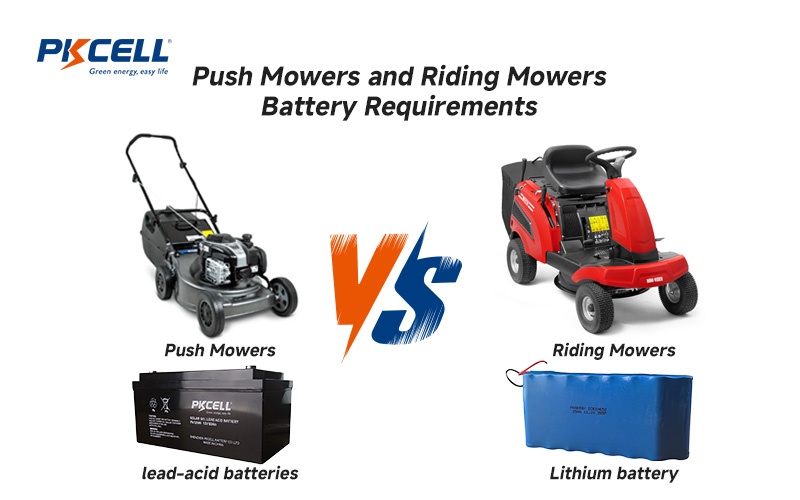
Lithium-ion batteries offer several advantages over traditional lead-acid types. They are lighter, which reduces overall mower weight and improves fuel efficiency. You’ll notice faster starts and more consistent power output throughout your mowing session.
Another key benefit is their longer lifespan. Lithium-ion batteries typically last two to three times longer than lead-acid batteries, saving you money and hassle in the long run. Plus, they require less maintenance—no need to check fluid levels or clean corrosion.
Have you ever had your mower die halfway through your yard? Switching to lithium-ion can help avoid those frustrating interruptions. Their quick recharge times mean less downtime between uses, keeping your lawn care on schedule.
Cost Considerations
The upfront cost of lithium-ion batteries is higher than traditional options, which can make some hesitate. However, the extended lifespan and reduced maintenance often balance out the initial expense.
Think about how often you replace your current battery and the time spent dealing with failures. Over a few years, investing in a better battery could save you both money and effort.
It’s also worth checking if your mower’s warranty covers battery upgrades or if there are rebates available for switching to more eco-friendly options. Sometimes, these incentives can ease the financial impact.
Credit: pkcell.com
Frequently Asked Questions
What Type Of Battery Do Riding Lawn Mowers Use?
Riding lawn mowers commonly use 12-volt lead-acid batteries. These provide reliable power to start the engine and run electrical components efficiently.
How Long Do Riding Lawn Mower Batteries Typically Last?
Most riding lawn mower batteries last 3 to 5 years with proper care. Usage frequency and climate conditions can affect battery lifespan.
Can I Replace A Riding Mower Battery With A Different Type?
It’s best to use the manufacturer-recommended battery type. Using different batteries may cause compatibility issues or reduced performance.
How Do I Maintain My Riding Lawn Mower Battery?
Keep the battery terminals clean and check fluid levels regularly. Store the mower in a dry place to prevent battery damage.
Conclusion
Riding lawn mowers usually use 12-volt lead-acid batteries. These batteries provide the power needed to start the engine and run accessories. Choosing the right battery ensures your mower works well and lasts long. Always check the size and type recommended by the mower’s manual.
Proper care, like keeping the battery clean and charged, helps avoid problems. A good battery keeps your mower ready for every job. Simple steps can save time and money on repairs. Now you know what battery type to pick for your mower.





