When was the last time you thought about your car’s spark plugs? If you’re like most drivers, it’s probably not often.
But these small components play a big role in keeping your vehicle running smoothly. Ignoring them can lead to poor engine performance, reduced fuel efficiency, and even costly repairs. So, how many miles should you really drive before changing your spark plugs?
Understanding this can save you time, money, and a lot of hassle down the road. We’ll dive into the specifics, providing you with the key insights you need to keep your car in peak condition. Stay with us to ensure your engine stays as efficient as possible, and avoid those dreaded unexpected breakdowns.
When To Replace Spark Plugs
Knowing when to replace your spark plugs is key to keeping your engine running smoothly and efficiently. Ignoring this maintenance can lead to poor fuel economy, rough idling, and even engine damage. Understanding the right timing for replacement helps you avoid unnecessary repairs and keeps your car performing at its best.
Manufacturer Recommendations
Every vehicle manufacturer provides specific guidelines on when to change spark plugs. These intervals usually range from 30,000 to 100,000 miles, depending on the type of spark plug used. Checking your owner’s manual is the simplest way to find the recommended mileage for your car.
Keep in mind that newer vehicles often use long-life iridium or platinum plugs, which last longer than traditional copper ones. Following these recommendations ensures you replace your spark plugs before they start causing trouble.
Symptoms Of Worn Spark Plugs
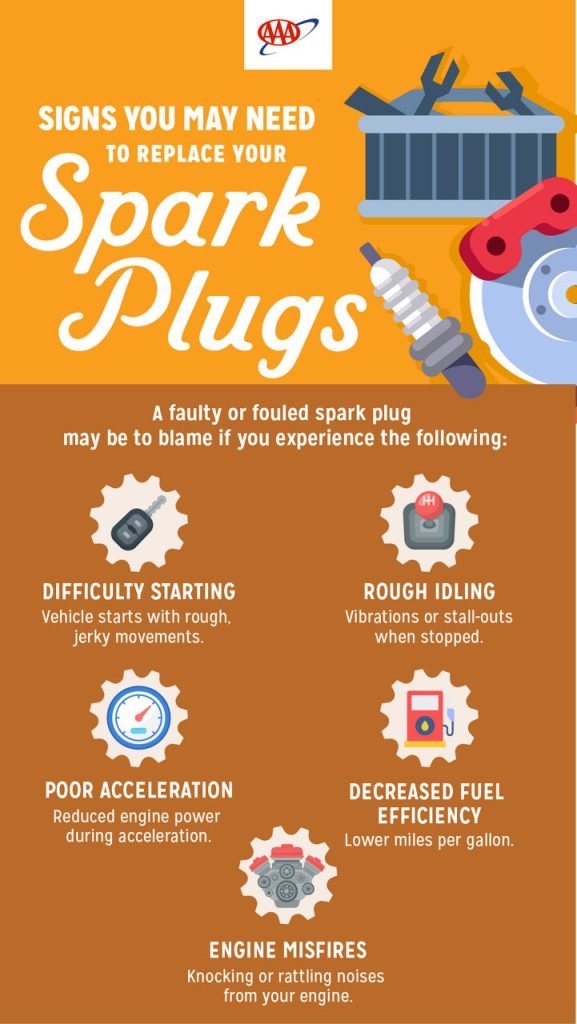
Sometimes, the signs of worn spark plugs are hard to ignore. You might notice your engine misfiring, hesitation during acceleration, or difficulty starting your car. These symptoms indicate that the spark plugs are no longer firing efficiently.
Another common sign is a drop in fuel efficiency. If you feel you’re filling up more frequently without changing your driving habits, your spark plugs could be the culprit. Listening to your engine’s performance and acting on these signs can save you money and stress.
Impact Of Driving Conditions
Your driving habits play a major role in how quickly spark plugs wear out. Frequent short trips, stop-and-go traffic, or driving in dusty environments can shorten their lifespan. These conditions cause more deposits to build up on the plugs, reducing their effectiveness.
If you mostly drive in harsh conditions, consider checking your spark plugs more often than the manufacturer’s suggested interval. Adjusting maintenance based on your driving style helps you avoid unexpected engine problems.
Types Of Spark Plugs
Spark plugs are key parts of any engine. They help ignite the air-fuel mix inside the cylinders. Different types of spark plugs offer various benefits. Choosing the right type affects engine performance and maintenance intervals.
Each spark plug type has a specific material for the center electrode. This material impacts durability, cost, and efficiency. Understanding these types helps decide how often to change spark plugs.
Copper Spark Plugs
Copper spark plugs have a solid copper core. They offer good conductivity and heat transfer. These plugs are the most affordable option. They wear out faster than other types. Usually, they need replacement every 20,000 to 30,000 miles. Copper plugs suit older or basic engines well.
Platinum Spark Plugs
Platinum spark plugs feature a platinum disc on the center electrode. They last longer than copper plugs. Typically, they can run up to 60,000 miles. Platinum plugs resist corrosion and reduce wear. They improve fuel efficiency slightly. These plugs are common in newer cars.
Iridium Spark Plugs
Iridium spark plugs use a very hard iridium tip. They are the most durable type available. Iridium plugs can last 90,000 to 120,000 miles. They provide better ignition and fuel economy. These plugs cost more but save money over time. Iridium plugs suit high-performance and modern engines.
Mileage Guidelines By Spark Plug Type
Different spark plug types have different lifespans. Knowing the mileage guidelines helps keep your engine running well. Each type lasts a certain number of miles before needing replacement.
Choosing the right spark plug depends on your vehicle and driving habits. Using the right plug for the right mileage saves money and prevents engine problems.
Copper Plug Lifespan
Copper spark plugs last about 20,000 to 30,000 miles. They conduct electricity well but wear out faster. Copper plugs suit older cars and basic engines. Regular replacement keeps the engine efficient and smooth.
Platinum Plug Lifespan
Platinum spark plugs last 60,000 to 100,000 miles. They resist wear better than copper plugs. Platinum plugs work well for newer cars and moderate driving. They offer a good balance between cost and durability.
Iridium Plug Lifespan
Iridium spark plugs can last 100,000 miles or more. They are the most durable and efficient type. Iridium plugs improve engine start and fuel economy. They are common in high-performance and modern vehicles.
Signs To Change Spark Plugs Early
Recognizing the early signs that your spark plugs need changing can save you time, money, and hassle. Waiting too long can lead to bigger engine problems. Pay attention to how your car behaves—it often tells you when something is off with the spark plugs.
Engine Misfires
If your engine occasionally stutters or jerks while driving, it might be due to worn-out spark plugs. These misfires happen because the plugs fail to ignite the fuel-air mixture properly. Have you noticed a sudden drop in your car’s smoothness? That’s a clear signal to check your spark plugs.
Poor Fuel Economy
Are you filling up your tank more often than usual? Spark plugs that don’t fire efficiently cause your engine to burn more fuel. This inefficiency shows up as reduced miles per gallon. If your fuel costs are creeping up without changing your driving habits, your spark plugs might be the culprit.
Difficulty Starting
When your car struggles to start or takes longer to turn over, worn spark plugs may be the reason. The spark they produce becomes weaker, making ignition harder. You don’t want to be stuck in the cold, wondering if your car will start—checking spark plugs early can prevent that.
Tools Needed For Spark Plug Replacement
Replacing spark plugs might seem straightforward, but having the right tools makes the job faster and prevents damage to your engine. Without proper equipment, you risk stripping the plugs or misaligning the gap, which affects performance. Let’s look at the essential tools you’ll need for a smooth spark plug replacement.
Spark Plug Socket
A spark plug socket is designed specifically to fit the hex shape of spark plugs. It usually has a rubber insert or a magnet inside to grip the plug securely during removal and installation. Using a regular socket can lead to slipping or breaking the plug, so investing in this tool pays off in ease and safety.
Torque Wrench
Applying the right amount of torque when installing spark plugs is crucial. Too tight, and you might damage the threads; too loose, and the plug won’t seal properly. A torque wrench lets you set the exact torque recommended by your vehicle’s manual, ensuring a perfect fit every time.
Gap Gauge
Even if your new spark plugs come pre-gapped, it’s smart to check before installation. A gap gauge helps you measure and adjust the distance between the electrodes to match your car’s specifications. A correct gap improves combustion efficiency and engine performance, so don’t skip this step.

Credit: www.siennachat.com
Step-by-step Spark Plug Replacement
Replacing your spark plugs might seem like a chore, but it’s a straightforward task that can improve your engine’s performance and fuel efficiency. Knowing exactly how to remove the old plugs, check and set the gap, and install new ones will save you time and money. Let’s dive into the process so you can feel confident tackling it yourself.
Removing Old Spark Plugs
Start by letting your engine cool down completely to avoid burns. Locate the spark plugs by following the wires or ignition coils on your engine. Use a spark plug socket and ratchet to carefully loosen and remove each plug—turn them counterclockwise to unscrew.
Keep track of each plug’s position if they look different or worn unevenly; this can help diagnose engine issues later. Be gentle to avoid damaging the threads in the cylinder head. Ever struggled with a stuck spark plug? Using a penetrating oil beforehand can make removal much easier.
Checking And Setting Gap
Once you have the old plugs out, check the gap on your new ones before installing. The gap is the distance between the center and ground electrodes, which affects how the spark ignites the fuel-air mixture. Use a spark plug gap tool to measure it precisely.
Refer to your vehicle’s manual for the correct gap size—it usually ranges from 0.028 to 0.065 inches. If the gap is off, gently bend the ground electrode until you reach the proper spacing. A wrong gap can cause misfires or poor fuel economy, so don’t skip this step.
Installing New Spark Plugs
Apply a small amount of anti-seize compound to the threads of the new plugs to prevent them from sticking in the future. Carefully thread each plug into its hole by hand to avoid cross-threading, then tighten with the spark plug socket. Use a torque wrench if possible to ensure you don’t overtighten—it’s usually around 13 to 15 ft-lbs.
Reconnect the ignition wires or coils firmly to each spark plug. Double-check your work before starting the engine. How often do you pay attention to your spark plugs? Replacing them at the right mileage can keep your car running smoother and save you from costly repairs down the line.
Benefits Of Timely Spark Plug Changes
Changing spark plugs on time keeps your car running smoothly. Old spark plugs can cause many problems. Timely replacement saves money and avoids bigger repairs. Your engine works better and lasts longer with fresh plugs.
Improved Engine Performance
New spark plugs create stronger sparks. This helps the engine start faster. The car runs more smoothly without misfires. You feel better power and acceleration. Engine noise also becomes quieter and less rough.
Better Fuel Efficiency
Good spark plugs burn fuel completely. This means your car uses less gas. You can drive farther on the same fuel. It also lowers how often you fill the tank. Saving fuel means saving money over time.
Reduced Emissions
Worn spark plugs cause incomplete fuel burn. This leads to more harmful gases in the air. Fresh plugs reduce carbon and pollutants. Your car becomes cleaner and friendlier to the environment. It helps pass emissions tests easily.

Credit: www.reddit.com

Credit: www.reddit.com
Frequently Asked Questions
How Often Should Spark Plugs Be Replaced In Miles?
Spark plugs typically need replacement every 30,000 to 100,000 miles. Check your vehicle’s manual for exact intervals. Regular replacement ensures optimal engine performance and fuel efficiency.
What Signs Indicate It’s Time To Change Spark Plugs?
Common signs include engine misfires, poor fuel economy, rough idling, and difficulty starting. If you notice these, inspect or replace your spark plugs promptly to avoid further engine issues.
Can Driving Conditions Affect Spark Plug Lifespan?
Yes, harsh driving, frequent short trips, and dusty environments can shorten spark plug life. These conditions cause faster wear, requiring earlier inspection and replacement to maintain engine health.
Are All Spark Plugs Replaced At The Same Mileage?
No, replacement intervals vary by spark plug type and vehicle model. Iridium and platinum plugs last longer than copper ones. Always follow manufacturer recommendations for best results.
Conclusion
Spark plugs usually need changing every 30,000 to 100,000 miles. The exact time depends on your car and plug type. Regular checks keep your engine running smooth. Worn plugs can cause poor fuel use and rough rides. Don’t wait for problems to start.
Stay on top of maintenance for better car health. Simple care saves money and stress later. Keep your vehicle’s spark plugs fresh for best performance.





