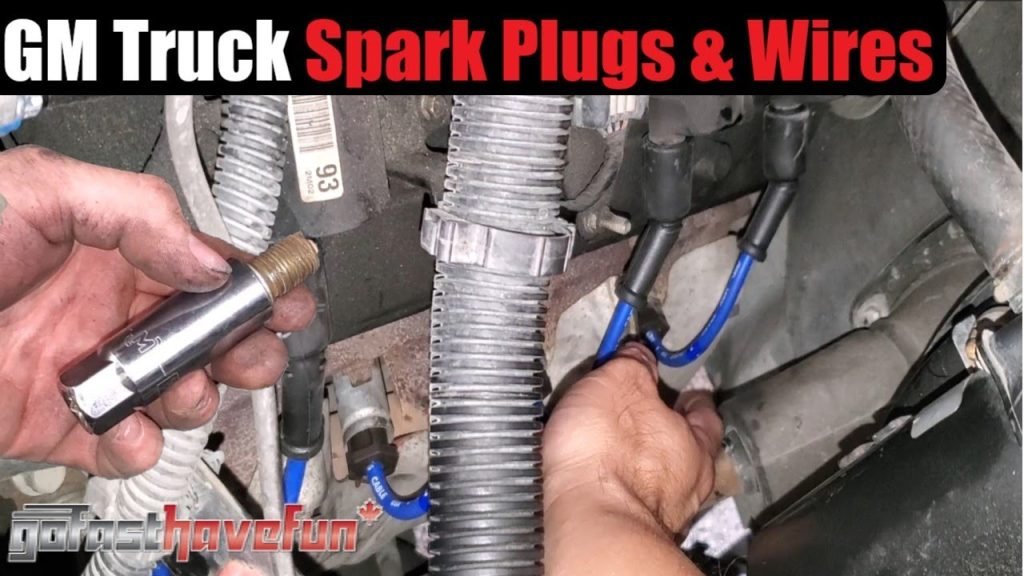
Are you ready to boost your car’s performance without spending a fortune at the mechanic? Changing spark plugs and wires might sound daunting, but it’s simpler than you think.
Imagine feeling the thrill of a smoother ride and improved fuel efficiency just by getting your hands a little dirty. By learning how to change spark plugs and wires yourself, you not only save money but also gain the satisfaction of maintaining your vehicle.
This step-by-step guide will walk you through the process, ensuring you feel confident and empowered. Let’s get started and transform your car’s performance today!

Credit: beachautomotive.com
Signs Of Worn spark plugs and wires
Worn spark plugs and wires can cause many car problems. They affect how the engine runs. Knowing the signs helps avoid bigger issues. Spotting these signs early saves time and money. It also keeps your car safe and efficient.
Common Symptoms
- Engine misfires or runs rough
- Hard starting or no start at all
- Reduced fuel efficiency
- Engine hesitation during acceleration
- Increased exhaust emissions
Performance Issues
Worn spark plugs and wires cause poor engine power. The car may feel sluggish or slow. Acceleration can be uneven or jerky. Fuel consumption often goes up. The engine may stall or hesitate at times. These issues affect driving comfort and safety.
Visual Inspection Tips
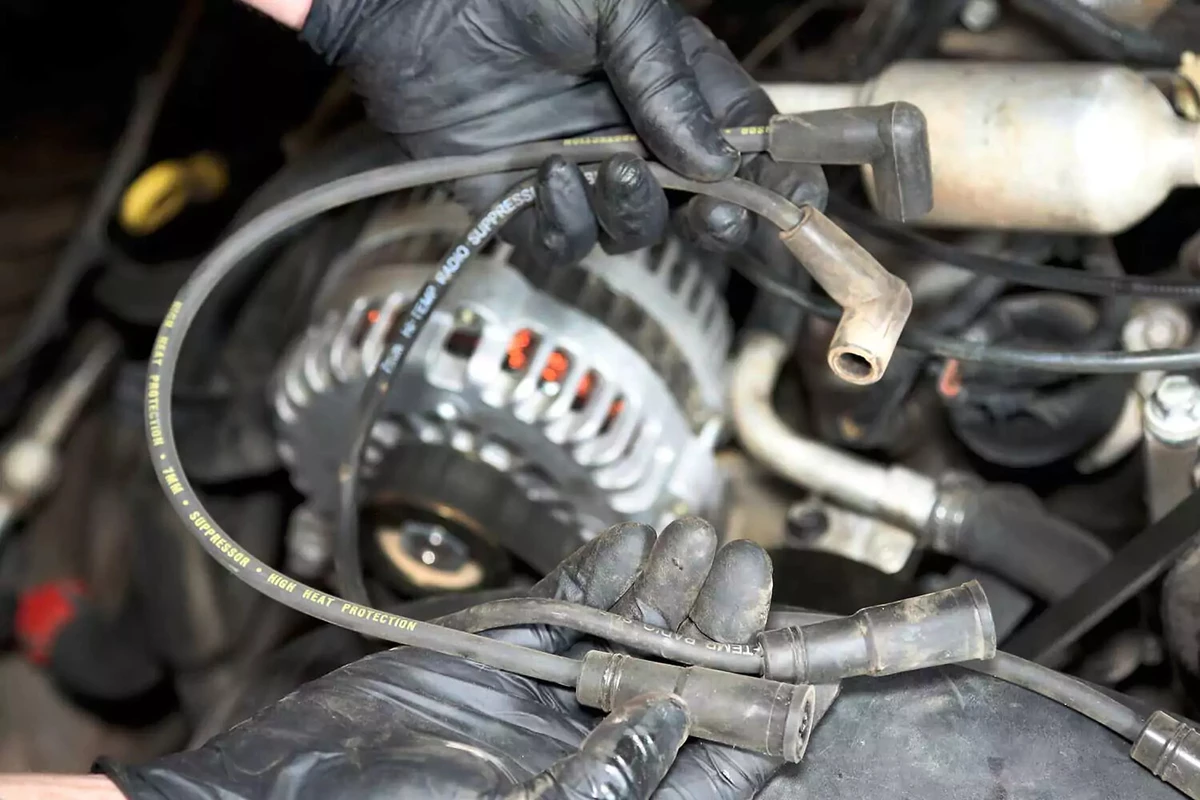
Check spark plugs for cracks or worn electrodes. Look for heavy black soot or oil deposits. Worn wires may have cracks or burns on the insulation. Loose or corroded connections also indicate wear. Use a flashlight for better inspection. Replace parts showing any damage or wear.
Credit: www.ebay.com
Tools And Materials Needed
Before you dive into changing your spark plugs and wires, gathering the right tools and materials is crucial. Having everything prepared saves time and spares you from frustrating interruptions. It also helps ensure the job is done safely and correctly, which means your engine will run smoothly afterward.
Essential Tools
Start with a spark plug socket—these are specially designed to grip the plugs without damaging them. A ratchet wrench and an extension bar will help reach plugs that sit deep within the engine. You’ll also need a torque wrench to tighten the plugs to the manufacturer’s specification, preventing over-tightening or loosening.
Don’t forget a gap gauge to measure and adjust the spark plug gap accurately. Needle-nose pliers come in handy for removing stubborn wires, and a wire brush or spark plug cleaner can remove carbon build-up if you’re reusing old plugs. Gloves and safety glasses protect your hands and eyes during the task.
Choosing The Right Spark Plugs
Not all spark plugs are created equal, and selecting the right ones can impact your engine’s performance. Check your vehicle’s manual to find the recommended heat range and plug type, whether it’s copper, platinum, or iridium. Iridium plugs, for instance, last longer and offer better performance but usually cost more.
Pay attention to the plug’s thread size and reach as well—using the wrong size can damage your engine’s cylinder head. Many auto parts stores can match plugs to your vehicle model, but verifying compatibility yourself helps avoid mistakes. Have you ever bought parts only to realize they didn’t fit? Avoid that hassle by double-checking before purchasing.
Selecting Compatible Wires
Spark plug wires come in different lengths and materials, and choosing the right ones matters for optimal electrical flow. Look for wires designed specifically for your car’s make and model to ensure proper fit and insulation. High-quality wires reduce resistance and improve ignition performance.
Consider wires with silicone insulation for better heat resistance, especially if your engine runs hot. Also, check for corrosion-resistant connectors, which can extend the lifespan of your wires. Would you rather deal with misfires and poor fuel economy later, or invest in the right wires now and enjoy smoother starts?
Preparing Your Vehicle
Preparing your vehicle properly sets the foundation for a smooth spark plug and wire change. This stage helps avoid damage and ensures the job goes quickly. Taking time here reduces mistakes and keeps you safe.
Safety Precautions
Work on a cool engine to prevent burns. Always disconnect the battery before starting. Wear gloves to protect your hands. Use eye protection to guard against debris. Keep tools organized and within reach. Avoid loose clothing that can catch on parts.
Locating Spark Plugs And Wires
Open the hood and find the engine cover. Remove it to see the spark plugs and wires clearly. Spark plugs sit in the engine block or cylinder head. Wires connect the plugs to the ignition coil or distributor. Check your vehicle’s manual if unsure about exact locations.
Cleaning The Area
Remove dirt and dust around the spark plugs and wires. Use a soft brush or compressed air to clear debris. Cleaning prevents dirt from falling into the engine. Wipe the area with a clean cloth to remove grease. A clean work area helps spot worn parts easily.
Removing Old Spark Plugs And Wires
Removing old spark plugs and wires is a key part of car maintenance. It helps improve engine performance and fuel efficiency. Doing this task carefully prevents damage to the engine components. Follow the right steps for a smooth removal process.
Disconnecting Spark Plug Wires
Start by locating the spark plug wires. They connect the spark plugs to the ignition coil. Grip the wire boot firmly, not the wire itself. Twist gently to break the seal. Pull the boot straight out to avoid damage.
Using The Spark Plug Socket
Use a spark plug socket attached to a ratchet wrench. Place the socket over the spark plug head. Turn counterclockwise to loosen the plug. Remove it carefully to avoid dropping dirt inside the cylinder. Keep the socket aligned to prevent damage.
Handling Wires Carefully
Old wires can be brittle and fragile. Avoid bending or pulling the wires harshly. Store them safely if you plan to reuse. Inspect the wires for cracks or damage. Replace any worn wires to ensure proper engine function.
Installing New Spark Plugs
Installing new spark plugs is a crucial task for better engine performance. Proper installation ensures the engine runs smoothly and saves fuel. This process needs careful attention to avoid damage and ensure longevity.
Checking Spark Plug Gap
The gap between the spark plug electrodes affects ignition. Use a gap tool to measure the distance. Compare it with the vehicle’s manual specifications. Adjust the gap gently by bending the electrode if needed. Correct gap size helps the spark ignite fuel efficiently.
Threading Plugs Properly
Start threading the plug by hand to avoid cross-threading. Turn the spark plug slowly and carefully into the cylinder head. If you feel resistance, back off and try again. Proper threading prevents damage to the engine and the spark plug.
Tightening To Correct Torque
Use a torque wrench to tighten the spark plug. Follow the torque value specified in the manual. Over-tightening can strip the threads or break the plug. Under-tightening may cause poor contact and engine misfires. Accurate torque ensures a secure and lasting fit.
Replacing Spark Plug Wires
Replacing spark plug wires ensures your engine runs smoothly. Old wires can cause misfires and poor performance. New wires deliver a strong spark, improving fuel efficiency and power. Take time to replace them correctly for best results.
Matching Wire Lengths
Each spark plug wire has a specific length. Match new wires to the old ones exactly. Using the wrong length can cause poor engine performance or damage. Lay out all wires side by side before installation. This step helps avoid confusion and mistakes.
Routing Wires Correctly
Follow the original path of the wires under the hood. Avoid crossing wires over hot engine parts. Keep wires away from moving parts like belts or fans. Use the factory clips or guides to hold wires in place. Proper routing prevents damage and electrical interference.
Securing Connections
Push wires firmly onto spark plugs and distributor or coil pack terminals. Loose connections cause weak sparks and engine problems. Check each connection by gently pulling on the wire. If it moves, push it tighter. Secure connections ensure reliable engine ignition.
Testing And Final Checks
After replacing your spark plugs and wires, it’s crucial to perform thorough testing and final checks. This ensures your engine runs smoothly and prevents future issues. Skipping these steps could leave you with performance problems that are harder to diagnose later.
Starting The Engine
Turn the ignition key and listen carefully as the engine fires up. It should start quickly without hesitation or unusual noises. If the engine struggles or takes longer than usual, it might indicate a problem with the installation or a faulty part.
Pay attention to how the engine idles. A steady, smooth idle means your spark plugs and wires are doing their job well. If the engine stumbles or stalls, it’s a sign to check your work again.
Checking For Misfires
Misfires often cause rough running or jerking during acceleration. Watch your dashboard for the check engine light; it may illuminate if the engine detects misfires. You can also notice misfires by a sudden drop in fuel efficiency or unusual exhaust smells.
To pinpoint misfires, try gently revving the engine. If it stutters or hesitates, inspect your spark plug wires for secure connections. Sometimes, even a small loose wire can cause misfires.
Inspecting Connections
Take a final look at all spark plug wire connections. Make sure each wire snaps firmly onto the spark plug and the ignition coil or distributor. Loose or corroded connections can cause intermittent electrical issues that mimic serious engine problems.
Check the wires for any visible damage like cracks or burns. Even if the wires look fine, a quick wiggle test can reveal hidden faults. Secure all wires neatly to avoid contact with hot engine parts or moving components.
Have you noticed how a small oversight in wire connections can make you spend hours troubleshooting? Taking a few minutes for this final inspection can save you that headache.

Credit: www.youtube.com
Maintaining Spark Plugs And Wires
Maintaining spark plugs and wires ensures your engine runs smoothly. Clean and well-functioning parts help improve fuel efficiency and reduce emissions. Regular care prevents unexpected breakdowns and costly repairs.
Regular Inspection Schedule
Check spark plugs and wires every 10,000 to 15,000 miles. Look for signs of wear, such as cracks, corrosion, or carbon buildup. Inspect wires for cracks, burns, or loose connections. Use a flashlight to see clearly inside the engine compartment. Keeping a routine helps catch problems early before they worsen.
Tips For Longevity
- Keep spark plugs clean to prevent fouling and misfires.
- Avoid touching the tips with bare hands; oils can cause damage.
- Apply dielectric grease on wire boots to prevent moisture damage.
- Secure wires properly to avoid rubbing against hot engine parts.
- Use the correct tools when handling spark plugs and wires.
When To Replace Again
Replace spark plugs every 30,000 to 50,000 miles depending on type. Wires usually last 60,000 miles but may fail sooner. Signs to replace include engine misfires, rough idling, or poor acceleration. Listen for unusual engine sounds or check engine light alerts. Follow your vehicle’s manual for the best replacement schedule.
Frequently Asked Questions
How Often Should I Change Spark Plugs And Wires?
Spark plugs and wires should be replaced every 30,000 to 50,000 miles. Check your vehicle’s manual for exact intervals. Regular replacement ensures efficient engine performance and fuel economy.
What Tools Do I Need To Change Spark Plugs And Wires?
You need a spark plug socket, ratchet wrench, extension bar, gap gauge, and dielectric grease. These tools help remove old parts and install new ones safely and correctly.
How Do I Identify Faulty Spark Plugs And Wires?
Look for engine misfires, rough idling, poor acceleration, or difficulty starting. Inspect wires for cracks and plugs for carbon buildup or wear. These signs indicate it’s time to replace them.
Can I Change Spark Plugs And Wires Myself?
Yes, with basic mechanical skills and proper tools, you can change them at home. Follow step-by-step instructions to avoid damage and ensure correct installation.
Conclusion
Changing spark plugs and wires keeps your engine running smooth. It saves money and avoids trips to the mechanic. Follow the steps carefully and take your time. Check each wire and plug for damage before installation. Proper tools make the job easier and safer.
Regular maintenance helps your car perform better and last longer. You can do this yourself with some patience and focus. Keep your vehicle healthy by staying on top of these tasks. Simple actions lead to big improvements in car care.





