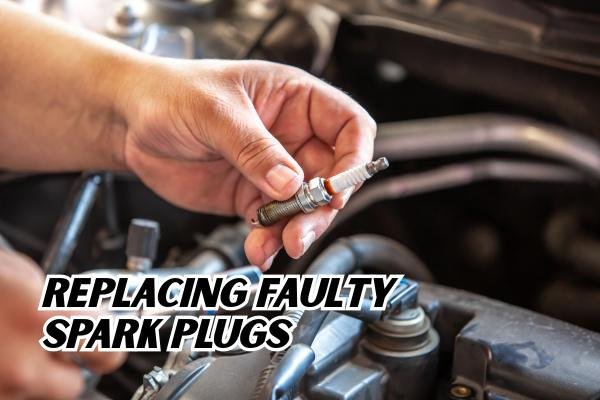
Your car’s performance is something you rely on every day. But how often do you think about the small parts that keep it running smoothly, like spark plugs and wires?
These components might be tiny, but they play a big role in how efficiently your engine runs. If you’ve been noticing a drop in fuel efficiency, trouble starting your car, or strange engine noises, it might be time to consider replacing them.
We’ll guide you through the signs that indicate it’s time for new spark plugs and wires, helping you maintain your car’s health and your peace of mind. Keep reading to find out how you can ensure your vehicle remains in top shape, saving you money and stress in the long run.

Credit: beachautomotive.com
Signs Spark Plugs Need Replacement
Knowing the signs that your spark plugs need replacement can save you from costly repairs and keep your car running smoothly. Spark plugs play a crucial role in igniting the fuel in your engine, so worn-out plugs can cause several noticeable problems. If you start to experience any unusual engine behavior, it might be time to check your spark plugs and wires.
Engine Misfires And Rough Idling
Does your engine feel like it’s stumbling or shaking when you’re stopped at a light? Engine misfires and rough idling often point to spark plugs that aren’t firing correctly. When plugs wear down, they can’t ignite the fuel-air mixture consistently, causing your engine to jerk or hesitate.
Pay attention if your car suddenly loses power or runs unevenly. These symptoms usually get worse over time, so catching them early can prevent further damage. Have you noticed any sputtering sounds or a rough vibration? These are clear signals your plugs need attention.
Poor Fuel Economy
Are you filling up your tank more often than usual? Poor fuel economy is a common sign of spark plugs that need replacement. When plugs don’t ignite efficiently, the engine burns more fuel to compensate, which hurts your mileage.
Think about your last few trips—has your gas mileage dropped significantly without other obvious reasons? It’s a good idea to inspect your spark plugs, as replacing them can restore your car’s fuel efficiency quickly. This is one of the easiest ways to save money on gas.
Difficulty Starting Engine
Have you noticed your car struggling to start, especially on cold mornings? Worn spark plugs can make it hard for your engine to catch fire and turn over smoothly. This delay can be frustrating and might leave you stuck in a hurry.
Starting issues can also mean your spark plugs are fouled or covered in deposits. Cleaning or replacing them often fixes the problem immediately. Next time your car hesitates to start, ask yourself if your spark plugs are due for a check-up.
Indicators For Spark Wire Replacement
Spark wires carry the electric current that ignites the fuel in your engine. Over time, they wear out and need replacement. Knowing the signs helps avoid engine problems and poor performance. Watch for clear indicators that signal it’s time to change your spark wires.
Visible Wear And Damage
Check spark wires for cracks, burns, or melted spots. Look for corrosion on the connectors or rubber boots. Damaged wires lose their ability to carry current properly. Old wires may also become brittle and break easily. Regular inspection can catch these issues early.
Engine Performance Issues
Worn spark wires can cause engine misfires and rough idling. You might notice poor acceleration or reduced fuel efficiency. The engine may hesitate or stall during driving. These symptoms suggest spark wires are not delivering the spark consistently. Replacing the wires can restore smooth engine function.
Electrical Interference Symptoms
Faulty spark wires may cause radio static or interference. You could hear crackling or buzzing sounds from audio devices. This interference happens when electrical current leaks from damaged wires. It is a clear sign wires need immediate replacement to prevent further issues.
Recommended Replacement Intervals
Knowing the right time to replace spark plugs and wires helps keep your engine running smoothly. Following recommended replacement intervals prevents engine misfires and poor fuel efficiency. These intervals vary by car make, driving habits, and engine type. Understanding these factors helps maintain peak vehicle performance.
Manufacturer Guidelines
Car makers give specific intervals for replacing spark plugs and wires. These are found in your vehicle’s owner manual. Most recommend changing spark plugs every 30,000 to 100,000 miles. Spark plug wires often need replacement every 60,000 to 100,000 miles. Sticking to these guidelines ensures reliable engine starts and smooth idling.
Driving Conditions Impact
Harsh driving conditions can shorten the life of spark plugs and wires. Frequent stop-and-go traffic, dusty roads, and extreme temperatures increase wear. Short trips that don’t fully warm the engine can cause deposits on plugs. In such cases, check and replace spark parts more often than the manual suggests.
High-performance Vehicles
Engines built for speed and power need more frequent spark plug and wire changes. High-performance engines run hotter and put extra stress on ignition parts. Replacing spark plugs every 20,000 to 30,000 miles is common. Using specialized wires helps maintain strong spark and engine response.
Steps To Replace Spark Plugs
Replacing spark plugs is a key part of car maintenance. Doing it yourself saves money and keeps your engine running well. Follow these simple steps to change spark plugs safely and correctly.
Tools Required
- Spark plug socket wrench
- Ratchet wrench
- Extension bar
- Torque wrench
- Dielectric grease
- Anti-seize compound (optional)
- New spark plugs
- Clean cloth or compressed air
Removing Old Spark Plugs
Begin by disconnecting the spark plug wires or ignition coils. Pull the wires gently by the boot, not the wire itself. Use compressed air or a clean cloth to remove dirt around the plugs. Attach the spark plug socket to the ratchet and carefully turn counterclockwise. Take out each old spark plug and inspect it for damage or wear.
Installing New Spark Plugs
Check the gap on new spark plugs with a gap tool. Adjust if needed to match your car’s specifications. Apply a small amount of anti-seize compound on the threads to prevent sticking. Insert the new spark plug by hand to avoid cross-threading. Tighten using the torque wrench to the correct setting. Reattach spark plug wires or ignition coils with a small amount of dielectric grease on the inside of the boot. This ensures a good connection and prevents moisture.
Replacing Spark Wires Correctly
Replacing spark wires correctly is crucial for your engine’s smooth performance. Faulty or poorly installed wires can cause misfires, poor fuel efficiency, and engine trouble. Taking the time to install wires properly ensures reliable spark delivery and longer wire life.
Matching Wire Lengths
Use spark wires that match the original lengths exactly. Too long or too short wires can cause electrical interference or poor fit. Always measure each wire before installation. Keep wires organized to avoid confusion during replacement.
Proper Routing Techniques
Route wires away from hot engine parts and moving components. Avoid sharp bends or tight loops. Follow the same path as the old wires to prevent damage. Use wire separators or clips to keep wires apart and reduce crossfire risk.
Securing Connections
Ensure each wire connects firmly to the spark plug and ignition coil. Loose connections cause weak sparks and engine misfires. Push boots fully onto terminals until they click or fit snugly. Double-check connections before starting the engine.
Benefits Of Timely Replacement
Replacing spark plugs and wires on time brings several key benefits. It keeps the engine running smoothly and saves money in the long run. Proper maintenance avoids bigger problems and improves car performance.
Improved Engine Efficiency
New spark plugs and wires create a stronger spark. This helps the fuel burn better inside the engine. The car uses fuel more efficiently and runs with more power. The engine starts easier and runs without hesitation.
Reduced Emissions
Worn spark plugs cause incomplete fuel burning. This leads to more harmful gases released from the exhaust. New plugs reduce pollution by burning fuel cleaner. Lower emissions help the environment and may pass emissions tests.
Extended Engine Life
Old spark plugs and wires can cause engine misfires and damage. Replacing them prevents strain on engine parts. A well-maintained ignition system reduces wear and tear. This helps the engine last longer and lowers repair costs.
Common Mistakes To Avoid
Replacing spark plugs and wires might seem straightforward, but many people stumble over common mistakes that can lead to poor engine performance or costly repairs. Avoiding these errors ensures your vehicle runs smoothly and saves you time and money. Let’s look at some frequent missteps and how you can steer clear of them.
Over-tightening Spark Plugs
It’s tempting to tighten spark plugs as much as possible, thinking it will keep them secure. However, over-tightening can damage the threads in the cylinder head or even crack the ceramic insulator of the plug.
I once helped a friend who over-tightened his plugs, causing a costly repair to the engine block. Using a torque wrench and following the recommended torque specs prevents this issue and guarantees a proper seal without damage.
Mixing Wire Types
Not all spark plug wires are the same. Mixing different types or brands can cause mismatched resistance and lead to misfires or weak sparks.
Stick to one type and brand for all wires to maintain consistent electrical flow. Using wires designed specifically for your vehicle model ensures optimal performance and durability.
Ignoring Manufacturer Specs
Every car manufacturer provides specific guidelines for spark plugs and wires, including size, heat range, and gap settings. Ignoring these specs often results in poor fuel efficiency and engine problems.
Check your owner’s manual before purchasing parts. Following the exact recommendations helps your engine run efficiently and prevents premature wear.

Credit: www.youtube.com

Credit: www.reddit.com
Frequently Asked Questions
When Should I Replace Spark Plugs And Wires?
Replace spark plugs every 30,000 to 50,000 miles. Replace wires every 60,000 to 100,000 miles. Check your owner’s manual for specific intervals. Inspect for wear, cracks, or corrosion regularly to maintain engine performance.
What Are Signs Of Worn Spark Plugs Or Wires?
Common signs include engine misfires, rough idling, poor fuel economy, and difficulty starting. You may also hear engine knocking or reduced power. These symptoms often indicate spark plug or wire replacement is needed.
Can Old Spark Plugs Damage My Engine?
Yes, old spark plugs can cause misfires and incomplete combustion. This leads to engine damage over time. Replacing them promptly helps prevent costly repairs and ensures smooth engine operation.
How Do Spark Plug Wires Affect Car Performance?
Spark plug wires deliver electrical current to spark plugs. Damaged wires cause weak sparks, leading to misfires and poor engine performance. Healthy wires ensure efficient combustion and better fuel economy.
Conclusion
Regularly checking spark plugs and wires keeps your engine running smooth. Worn parts cause poor fuel efficiency and engine misfires. Replace them every 30,000 to 50,000 miles or as your car manual says. Pay attention to rough starts or strange noises.
Changing these parts on time saves money and avoids bigger repairs. Simple maintenance helps your car perform better and last longer. Don’t wait for problems to get worse. Act early and drive with confidence.





