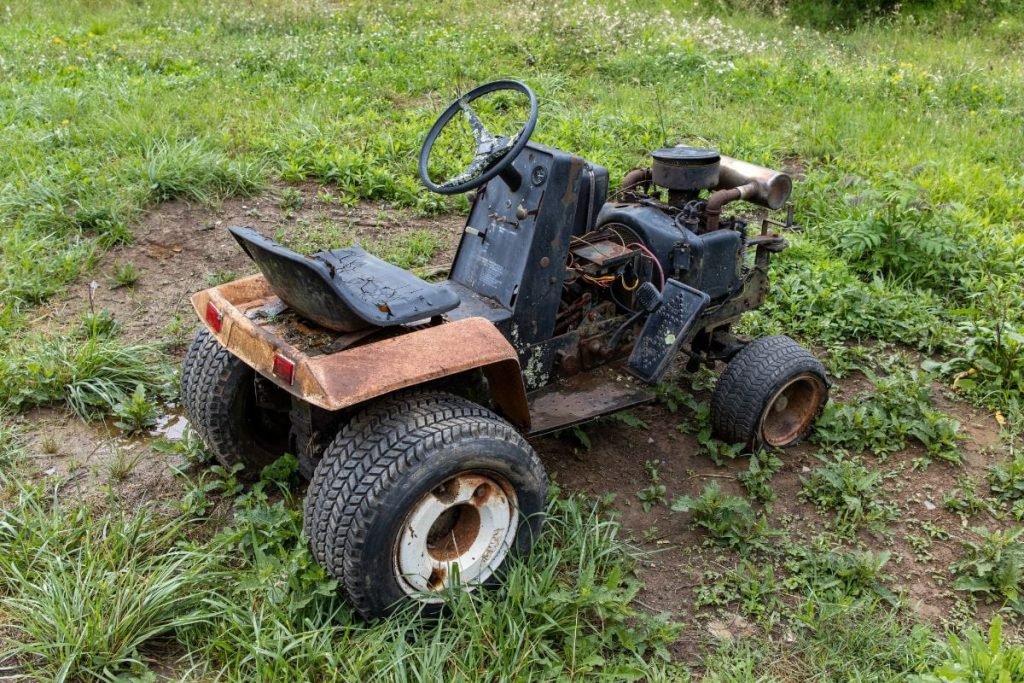
That old mower sitting in the corner of your garage isn't just taking up space—it's a potential payday. Whether you've upgraded to a newer model, inherited a machine you'll never use, or simply want to reclaim your storage area, there's a surprisingly active market for used lawn mowers. The key is knowing who's buying and how to position your machine to get top dollar.
The truth is, different buyers want different things. Some are hunting for a bargain they can fix up; others need specific parts for repairs; and a few are after vintage models for restoration projects. Understanding these distinct buyer motivations lets you target your sale strategically—and that's exactly what we'll cover.
Top Buyers For Old Lawn Mowers
Your ideal buyer depends heavily on your mower's condition, age, and brand. A running, well-maintained machine appeals to completely different buyers than a non-running parts donor. Here's who's actually looking to buy.
Local Lawn Care Businesses
Professional landscapers and lawn care operators constantly need reliable equipment, but they rarely want to pay retail prices for brand-new machines. That's where you come in. Small local businesses, especially those just starting out, often look for used mowers that are still functional and can handle regular commercial use.
These buyers value dependability and are often willing to pay a fair price for a mower that starts easily and cuts consistently. A mid-sized walk-behind or a well-kept riding mower from a reputable brand like Honda, John Deere, or Toro will attract serious interest. Call a few local landscaping companies before you bother with online listings—sometimes a phone call leads to an immediate sale, with cash changing hands the same day.
Collectors And Restoration Enthusiasts
There's a devoted community of collectors who seek out vintage and classic lawn mowers. They're not necessarily interested in a working machine—they want specific models, unusual designs, or historically significant brands that they can restore to showroom condition. This is the buyer who sees value in a mower that hasn't run in decades.
If your mower has a unique story—maybe it's a rare 1960s reel mower or a distinctive model from a well-known manufacturer—it could be worth significantly more than its scrap value. Before selling, take a few minutes to research your mower's brand and age. A quick online search of collector forums can reveal whether you're sitting on a hidden gem. Even non-running mowers with intact original parts can command respectable prices from this niche audience.
Repair Shops And Independent Mechanics
Small engine repair shops are another reliable outlet for used mowers. These businesses often buy non-running or worn machines for two reasons: to harvest parts for customer repairs, or to refurbish and resell at a profit. An experienced mechanic sees potential where you see a breakdown.
This option is particularly attractive if your mower has a solid engine but needs work elsewhere. Even a mower that seems completely dead might contain valuable components—carburetors, transmissions, ignition systems—that are worth more individually than as a whole. Call around to local repair shops and ask if they purchase used equipment. Many will give you an honest assessment and a fair offer on the spot.
Online Marketplace Buyers
Platforms like Facebook Marketplace, Craigslist, and eBay have transformed the secondhand market. You can reach hundreds of potential buyers in your area or across the country, depending on the platform and your shipping willingness. This is the broadest possible audience, and it's free or low-cost to list.
The downside is that online selling takes effort. You'll need quality photos, a genuine description, and patience for inquiries and negotiation. But the payoff can be significant—online buyers often pay more than dealers because they're cutting out the middleman. For the best reach, check what similar mowers are selling for in your area before setting your price.
Recycling Centers And Scrap Yards
When a mower is truly beyond repair—the engine is seized, the frame is rusted through, or it's missing critical components—a scrap yard is your final resort. These facilities pay by weight for the metal content, which includes the steel deck, aluminum components, and sometimes the engine block.
Scrap prices fluctuate, so your payout will vary. But this is the quickest, no-fuss option for disposing of an unwanted mower responsibly. You'll free up garage space, and the metal gets recycled into new products. It's not going to make you rich, but it's far better than paying to haul it to a landfill.
Best Tips For Selling Old Lawn Mowers
Getting a good price for your used mower isn't luck—it's preparation. The effort you put in before listing directly affects how quickly the mower sells and how much you get for it. These practical steps will help you move your mower faster and for more money.
Assess The Mower's Condition Honestly
Before doing anything else, give your mower a thorough inspection. Try to start it—does it turn over easily? Does it run smoothly or sputter? Check for visible damage like cracks in the deck, worn-out tires, missing safety guards, or a bent blade. Note the engine's condition and whether the oil looks clean.
This assessment isn't just for your benefit; it's the foundation of an honest listing. Buyers respond to transparency. If you describe exactly what works and what doesn't, you'll attract serious buyers who aren't expecting perfection. That builds trust and speeds up the sale.
Deep Clean And Basic Maintenance
First impressions matter enormously in the used equipment market, and a clean mower sells for dramatically more than a dirty one. Spend an hour removing grass clippings, dirt, and debris from the deck, engine shroud, and wheels. A wire brush and a hose can work wonders. This matters because grime hides condition, and buyers will assume the worst if they see neglect. If you're unsure about the best way to tackle stubborn buildup, we have a guide on the best way to clean the mower deck that walks through the process step by step.
If the mower runs, change the oil and replace the spark plug—it's cheap and demonstrates the machine is maintained. Sharpen or replace the blade if it's dull; buyers will often tip the mower over to inspect it. Particular attention here pays off, as a sharp blade signals that the mower is ready to work.
Take Photos That Sell
Your photos are the first thing a potential buyer sees, and they make the initial impression. Take pictures in natural daylight, ideally outside with a plain background. Capture the entire mower from both sides, a straight-on front view, and close-ups of the control panel, blade deck, engine, and any unique features. Also shoot any blemishes or damage honestly—surprises kill deals.
Good photos reduce back-and-forth questions and help buyers feel confident making the trip to see it. Aim for eight to twelve clear images that tell the complete story of the mower's condition.
Set A Competitive, Realistic Price
Pricing is where most sellers either leave money on the table or scare buyers away. Research what similar mowers sell for in your area by checking online marketplaces and classifieds. Consider factors like age, condition, brand reputation, hours of use, and included accessories.
Avoid the temptation to price too high, hoping to negotiate down. Buyers on these platforms are price-sensitive, and an overpriced listing will simply be ignored. Set your asking price near the higher end of your research range, but be prepared to move—a quick sale at a fair price is almost always better than waiting weeks for an extra twenty dollars.
Write A Detailed And Honest Description
Your listing description is your sales pitch, and it should include the brand, model, engine size, approximate age, and any notable features like self-propulsion, electric start, or a mulching capability. Mention recent maintenance—oil changes, new blades, air filter replacements—as these demonstrate responsible ownership.
Be upfront about any issues, no matter how minor. A leaky carburetor or a wobbly wheel noted honestly in the description prevents awkward negotiations later. Describe the mower as "used but functional" rather than "like new" if it's not, and note that it sold "as-is" with no warranty.
Choose The Right Selling Platform
Not all platforms are equal. Facebook Marketplace and Craigslist are excellent for local, cash transactions with zero fees. eBay works if you're willing to ship a smaller mower or sell parts separately. For bigger machines like ride-on mowers, local classifieds often work best since shipping costs are prohibitive.
Consider listing on two or three platforms simultaneously to maximize exposure. Just make sure you remove the listing from other sites once you've made a sale—double-selling is a quick way to harm your reputation.
Negotiate Professionally
Expect offers below your asking price, and decide in advance what your minimum acceptable price is. Be polite but firm in your responses. Provide honest answers to technical questions—buyers appreciate expertise and it builds confidence.
When someone asks for a discount, counter with a minor concession or a clear reason why the price is fair. If you've priced well, you'll find that reasonable buyers will meet you near your number. Trust your preparation and don't be afraid to walk away from offers that undervalue your machine.
Maximizing Value From Your Old Mower
Beyond basic preparation, there are smarter strategies to pull more money from your used mower. These tactics require a bit more effort, but the payoff in final sale price is often worth it.
Make Low-Cost, High-Impact Repairs
You don't need to overhaul the engine to increase value, but strategic fixes pay off. Replacing a cracked spark plug, cleaning the air filter, and topping up the oil are all things you can handle with routine upkeep yourself. A non-starting mower is worth a fraction of one that runs. Any work that makes starting easier—a fresh plug, a cleaned carburetor, or a drained, fresh tank of gas—will dramatically increase buyer interest.
Consider whether the mower's cutting performance matters too. Sharpening the blade is a cheap and fast improvement that affects how the mower performs on a test cut and boosts perceived value.
Market For A Summer Lawn
Seasonality plays a huge role in used lawn equipment sales. Demand peaks in spring and early summer when homeowners are thinking about their lawns. If you can plan ahead, this is the time to list. It's also worth understanding what buyers are looking for at that time of year—many want a machine that handles the right mowing height for summer conditions without extra hassle.
Listing in the peak season means you have more leverage and a larger pool of interested buyers. Off-season sales are possible but attract far fewer lookers and often fetch lower prices.
Bundle Useful Accessories
Have a grass catcher, extra blades, a mower cover, or an owner's manual tucked away? Include them with the sale. Bundles create a perception of value that can justify a higher asking price and close a deal faster. A buyer who sees everything included feels like they're getting a complete package—and they'll often pay a premium for it.
Determine what accessories make sense. A sturdy cover can add real appeal; if your machine is a 60-inch model and you need to part with the cover, mention it as part of the deal—some buyers are actively searching for that exact fit. For lawn care professionals expanding their fleet, bundled extras like a quality dump trailer or attachments could be the deciding factor.
Leverage Your Provenance
If you have maintenance records, original purchase receipts, or knowledge of the mower's history (single owner, garage-kept, regular servicing), say so. This kind of evidence builds trust and reassures buyers that the mower was cared for. Consistent preventative maintenance—including proper oil changes and seasonal preparation like the best spring mowing schedule—is a story that gets buyers to pay more.
This is particularly effective for riding mowers and commercial-grade machines, where the cost of repair is high and ownership history genuinely matters.
Legal And Safety Considerations When Selling
Selling a used lawn mower isn't just about the price—there are also liability and safety factors to consider. Taking a few simple precautions protects you.
Ensure Safety Features Are Intact
Most modern mowers have a dead-man switch, blade brake, or other safety mechanisms that should never be removed or disabled. Confirm they're operational. Selling a mower with missing or broken safety equipment can open you up to liability issues. While a grader about keeping a small lawn safe to operate is geared at operation, the principle applies to what you're selling. A buyer should see that the equipment meets basic safety expectations.
If a safety part is broken, disclose this prominently in the sale and adjust your price accordingly. It also helps to remind the buyer about standard precautions like wearing eye protection and never placing hands under the deck when the engine is running.
Draft A Simple Bill Of Sale
For any mower over a minimal dollar amount, a simple bill of sale is good practice. It protects both parties by documenting the sale's terms and condition of the mower. Write down the date, the buyer's name, the price, the mower's brand and model, and a short line stating it was sold "as-is, without warranties." Each of you keeps a copy.
This is especially recommended for riding mowers, where the potential for injury or property damage is higher. A bill of sale makes the terms of the transaction explicit and reduces the likelihood of post-sale disputes.
Be Honest About Known Issues
Hiding a serious defect is not just unethical; it can lead to disputes and chargebacks if the buyer feels misled. When the mower is sold face-to-face, the buyer usually accepts the responsibility to inspect. However, if you've made claims in writing—in an online listing, for example—you can be held to them.
Be truthful in your description, especially about issues like excessive smoke, transmission problems, or a poorly cutting deck. This honesty actually supports your sale's credibility and ensures a smoother transaction.
Frequently Asked Questions
Who buys old lawn mowers for resale?
Several categories of buyers purchase used mowers for resale. Independent repair shops refurbish them for their lot. Secondhand tool dealers might buy low-cost models to flip. And lawn care businesses occasionally purchase machines as backup equipment that they later cycle out.
Can scrap yards buy old lawn mowers?
Yes, scrap yards purchase old lawn mowers for the metal value, including steel decks, aluminum housings, and copper wiring. Payment is based on the current scrap metal price and the total weight of the mower. It's a practical last resort for a machine that can't be repaired.
Do lawn mower repair shops buy old mowers?
Some repair shops do buy old mowers, particularly if they have a good engine or valuable parts that can be sold separately. Others operate solely on service and are not interested. It's worth a phone call to find out if a local shop has a purchasing policy.
Are online marketplaces good for selling old mowers?
Online marketplaces are excellent for selling old mowers because they connect you with a large audience of local and sometimes national buyers. Facebook Marketplace and Craigslist are free and particularly strong for heavy items like mowers that don't ship well.
How do I determine a fair price for my old lawn mower?
Research current listings on local marketplaces for the same brand, model, and approximate condition. Consider any recent maintenance you've done and factor that into the price. In peak buying season, you may be able to ask slightly more than in the off-season.
Conclusion
An old lawn mower can be sold to a wide range of interested parties—everything from local landscapers needing affordable equipment to collectors chasing a rare vintage model. The right buyer depends on what you have and the machine's condition. A running, presentable mower will attract the most interest online, while a broken model still holds value for parts or scrap.
Your success comes down to preparation: clean it thoroughly, make basic repairs, get good photos, and price it honestly. Understand who your likely buyers are, and you can target your listing effectively. Follow consistent mowing practices to prepare your lawn, and sell at the right time of year. Most importantly, be transparent about any flaws.
That old mower has value. Spend a little time preparing it, and you'll be rewarded with cash in your pocket and a clearer garage floor.





